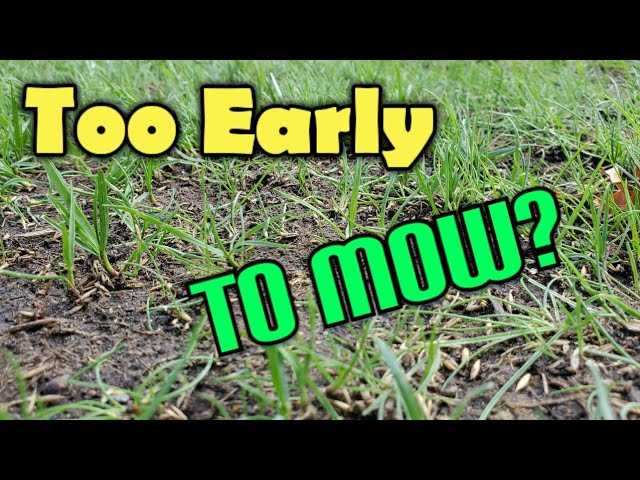
The best time to mow new Kentucky bluegrass seed is once the grass has grown to about 2-3 inches and has established a strong root system, typically around 3 to 4 weeks after planting. Mowing too early can damage the delicate new grass, while waiting too long can lead to overgrowth and uneven turf.
To keep your new Kentucky bluegrass looking its best, wait until the grass reaches about 2-3 inches in height before giving it a gentle trim. Aim to cut no more than one-third of the grass height at a time, and ensure your mower blades are sharp to prevent tearing. Proper timing and mowing techniques will help your new lawn develop into a lush, healthy green space.
Freshly sown Kentucky bluegrass just needs patience and care in its early weeks. As soon as the grass reaches the recommended height, typically around 3 inches, it’s time to mow—this encourages healthy growth and helps establish a thick, vibrant turf. Regular, gentle mowing now sets the stage for a resilient and beautiful lawn for years to come.

When to Mow New Kentucky Bluegrass Seed
Understanding Kentucky Bluegrass Growth Stages
Kentucky bluegrass is a popular choice for lawns because of its lush, dense appearance. After planting, it goes through several growth stages that influence when mowing is appropriate. Knowing these stages helps ensure your new grass establishes properly without damage.
Initially, the seed germinates within 7 to 14 days, depending on soil temperatures and moisture levels. During the first few weeks, the young seedlings are delicate and require minimal disturbance. As the grass develops, it enters a stem and leaf elongation phase, signaling readiness for mowing.
Be patient during the early growth stages; rushing to mow too soon can hinder root development and lead to patchy growth. The key is to wait until the grass has grown sufficiently to support mowing without stress.
Ideal Timing for Mowing Kentucky Bluegrass After Seeding
The optimal time to mow new Kentucky bluegrass is when the grass is at least **3 inches tall** and has established a healthy root system. This usually occurs between **4 to 6 weeks** after seed planting, provided weather conditions are favorable.
Avoid mowing during the first few weeks after planting because the young shoots are fragile and can be easily uprooted or damaged. Wait until the grass reaches the recommended height, then follow a gradual mowing schedule.
Monitoring the grass height regularly allows you to identify the appropriate time to start mowing. Regular checks help prevent mowing too early or too short, which can stress the seedlings.
How to Determine When Kentucky Bluegrass Is Ready for Its First Cut
A simple way to check if your Kentucky bluegrass is ready to mow is to measure its height. Use a ruler or a yardstick to see if your lawn has reached **about 3 inches**.
Make sure the grass is healthy and lush, with vibrant green blades. If the grass is still less than 3 inches tall, give it more time to grow. Also, observe the thickness of the turf; it should feel dense and uniform.
The first mow should be gentle, removing no more than **one-third of the grass height**. This prevents unnecessary stress on the young plants and encourages strong growth.
Factors Affecting When You Should Mow
Several factors can influence the timing of your first mow, including weather, soil conditions, and seed quality. These elements impact the grass’s growth rate and health, so adjust your mowing schedule accordingly.
Weather Conditions
Warm temperatures and adequate moisture promote faster germination and growth. After a rainy spell or during warm, consistent weather, grass tends to grow more quickly. If the weather is cooler or dry, growth may slow, requiring a longer wait before mowing.
Soil Moisture and Fertility
Healthy, moist soil helps seedlings establish roots more rapidly. Proper fertilization can also boost growth, allowing for earlier mowing. Avoid mowing if the soil is overly wet or muddy, as this can damage the turf.
Seed Quality and Planting Depth
High-quality seed with good purity and vigor typically germinates faster. Planting at the correct depth—usually about half an inch—ensures better emergence. Poor seed quality or improper planting can delay growth, pushing back mowing schedules.
Best Practices for First Mowing of Kentucky Bluegrass
When the grass reaches the right height, follow these best practices to ensure a healthy start:
- Set mower blades to cut at about 2.5 to 3 inches.
- Use sharp mower blades to make clean cuts, reducing stress.
- Make sure the grass is dry to prevent clumping and uneven cuts.
Mowing in the early stages should be done gradually, removing only a third of the leaf blade each time. This encourages the roots to grow deeper and strengthens the turf.
Frequency of Mowing for New Kentucky Bluegrass
During the first few mowing sessions, aim to mow every **7 to 10 days**. Regular mowing promotes denser growth and prevents the grass from becoming too tall, which can encourage pests and disease.
Once established, Kentucky bluegrass can typically be mowed weekly during the peak growing season. Adjust your schedule based on the rate of growth, which varies with weather conditions.
Tips for Maintaining Healthy Kentucky Bluegrass After the First Mow
Post-mowing care is vital for strong, healthy grass. Always remember to:
- Avoid removing more than one-third of the grass height at a time.
- Keep mower blades sharp to avoid tearing the grass blades.
- Water adequately to support healthy growth, especially after mowing.
Proper watering, fertilization, and weed control complement mowing efforts, leading to a lush, durable lawn. Regularly inspect your turf for signs of stress or pests and address issues promptly.
Related Topics: Mowing Tips for Different Seasons
The timing and frequency of mowing may change with the seasons. In cooler months, growth slows, so mow less often. During warmer months or wet conditions, be cautious to avoid compaction and damage.
Spring Mowing Considerations
In spring, wait until the grass reaches about 3 inches before the first mow. Gradually lower the height over subsequent mows. This allows roots to establish and prepares the turf for summer growth.
Summer Mowing Trends
In summer, Kentucky bluegrass may grow rapidly during warm, moist periods. Increase mowing frequency as needed, but always keep the grass slightly taller to provide shade for the roots and reduce stress.
Fall Mowing Advice
As temperatures cool, growth slows. Mow less frequently and keep the grass slightly taller to protect it over winter. Avoid cutting the grass too short to prevent winter stress and damage.
Summary of Key Points
- Plant and germinate Kentucky bluegrass seed during optimal weather conditions.
- Wait until the grass reaches about 3 inches tall—usually after 4 to 6 weeks—before first mowing.
- Never cut more than one-third of the height at a time to protect new growth.
- Adjust mowing frequency based on weather and growth rate.
- Follow proper mowing practices to promote a healthy, dense turf.
By paying close attention to these guidelines, you give your Kentucky bluegrass the best chance to establish quickly and grow into a vibrant, lush lawn. Proper timing and care during the early stages are essential to having a beautiful yard for years to come.
When To Mow New Grass From Seed + How Early Should You Cut The Lawn
Frequently Asked Questions
How soon after planting Kentucky bluegrass seed should I begin mowing?
You should wait until the grass reaches a height of about 3 to 4 inches before mowing. This typically takes around 3 to 4 weeks after planting, depending on weather conditions and soil quality. Allowing the grass to establish a strong root system before mowing promotes healthy growth and density.
What height should I set my mower when first mowing Kentucky bluegrass?
Set your mower to cut at approximately 2 to 3 inches during the initial mowings. This height encourages healthy turf development, prevents stress on the young grass, and helps maintain a dense, even lawn. Avoid cutting too short early on, as it could damage tender seedlings.
How can I tell if Kentucky bluegrass is ready for mowing?
Kentucky bluegrass is ready for mowing when it has grown sufficiently to reach the desired height of 3 to 4 inches. The grass should feel firm and resilient, with a healthy green color. If you notice the grass is still sparse or seedlings are tender, wait a few more days to allow further growth and thickening.
Should I mow more frequently during the establishment phase?
Yes, mowing should be more frequent during the early stages to prevent the grass from becoming too tall and to promote dense growth. Cutting every 7 to 10 days keeps the turf healthy and encourages the development of a strong root system without stressing the plants.
Are there any precautions I should take when mowing newly sown Kentucky bluegrass?
Always use sharp mower blades to avoid tearing the young grass blades, which can cause damage or disease. Avoid mowing during hot, dry weather, as it stresses the young grass. Additionally, mow with a clean mower to prevent the spread of disease and ensure a clean cut that promotes healthy growth.
Final Thoughts
When to mow new Kentucky bluegrass seed depends on its establishment. Wait until the grass reaches about 3 inches in height and has developed a strong root system. Typically, this takes around 4-6 weeks after planting, depending on conditions.
Regular mowing encourages healthy growth and a dense turf. Keep the mower blades sharp and set at a height of 2-3 inches initially. Gradually lower the height as the grass matures.
In conclusion, knowing when to mow new Kentucky bluegrass seed is essential for its healthy development. Mow when the grass is 3 inches tall, and avoid cutting more than one-third of the height at a time.