Are Grub Worms Bad? It Depends on What You're Dealing With
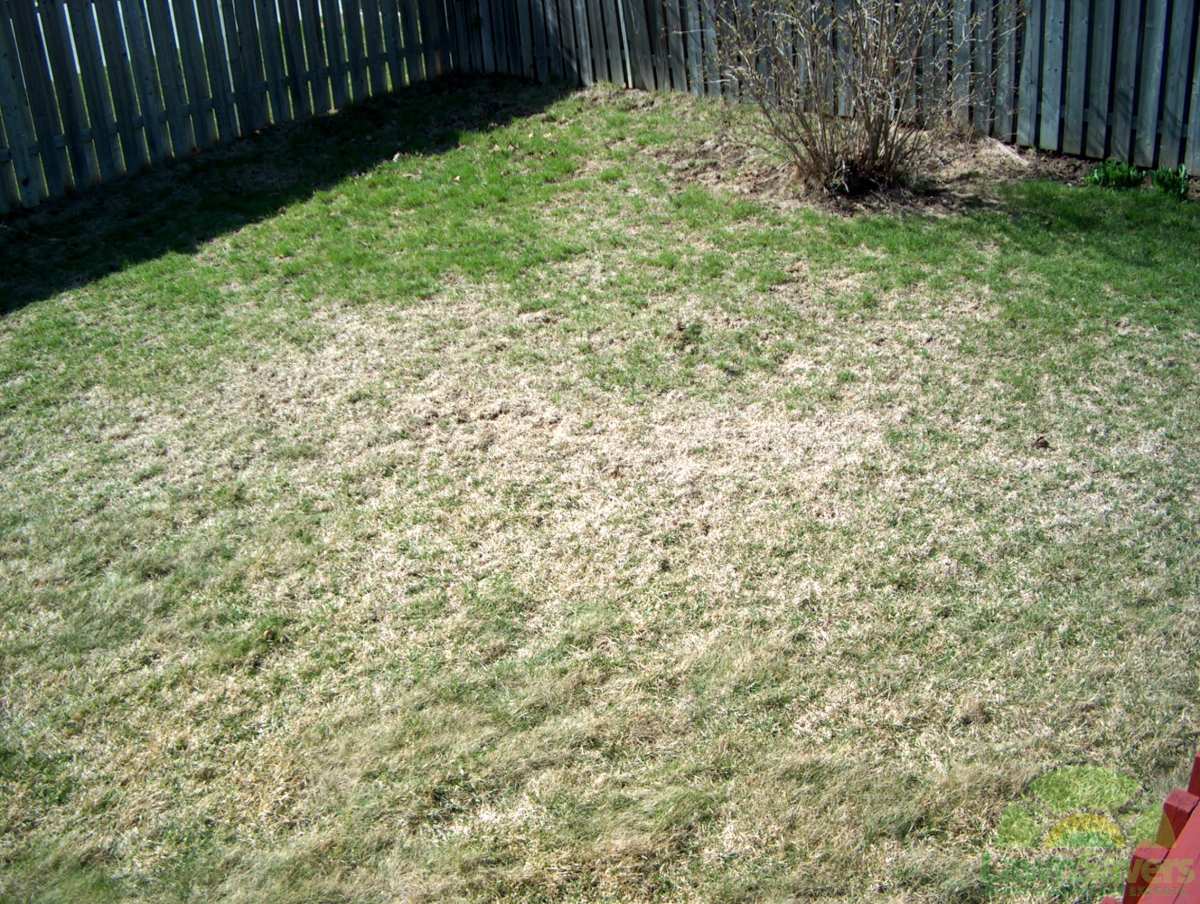
Image source: Bing (Web (fair-use with source credit))
Are grub worms bad? The honest answer isn't a simple yes or no, and anyone who tells you otherwise hasn't spent much time with a soil probe. Grubs are the larval stage of scarab beetles, and whether they're a problem depends entirely on how many you've got, what species they are, and what you're trying to grow.
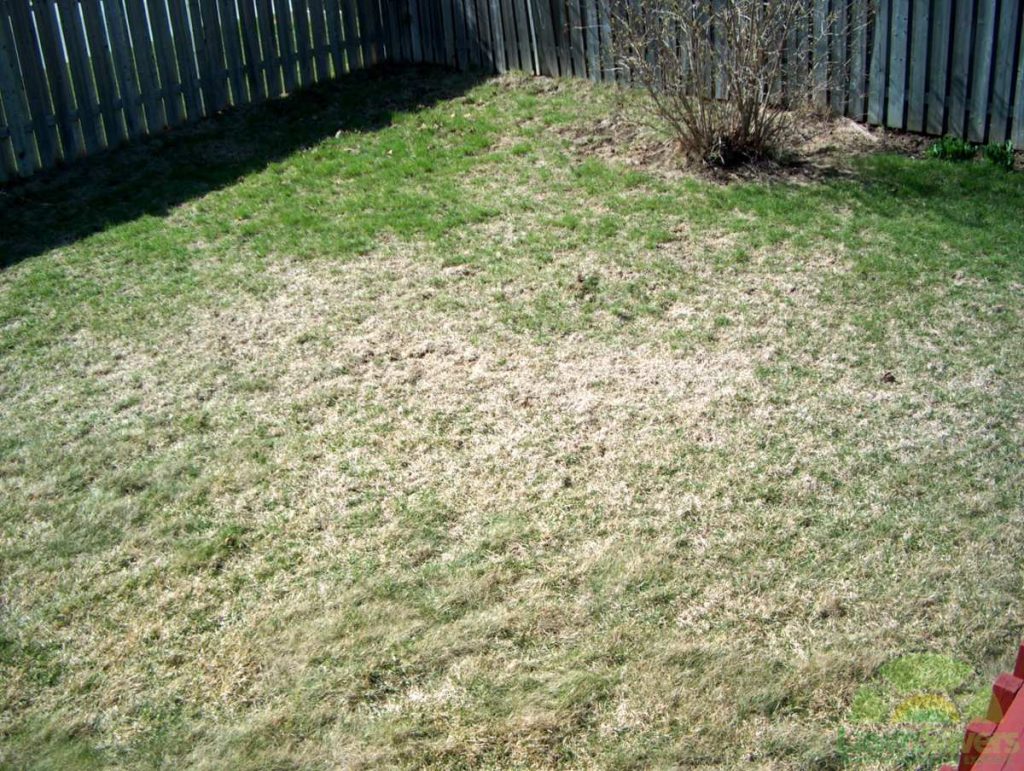
A healthy lawn can shrug off a moderate grub population without you ever noticing. But cross a certain threshold, and you're looking at dead patches, spongey turf, and animals tearing up your yard overnight.
The key is understanding what you're actually dealing with before you reach for a product. Most homeowners panic at the sight of a few white grubs without checking whether treatment is even necessary. In our research, we've consistently found that roughly 5 to 10 grubs per square foot is the tipping point where damage becomes visible on most cool-season lawns.
Below that number, your grass can usually outgrow the feeding. So let's walk through exactly how to figure out which side of that line you're on.
Quick Answer
Grubs are not automatically bad for your lawn. A low-to-moderate grub population causes no visible damage and can actually benefit soil health. Problems start when you exceed roughly 5 to 10 grubs per square foot, depending on the species and turf type.
At that point, root feeding kills patches of grass and invites skunks and raccoons to dig. The right response depends on proper identification, an actual count, and timing your treatment to the grub's life cycle. Blind treatment without confirming a real problem wastes money and harms beneficial soil organisms you actually want around.
What Grub Worms Actually Are (And Why It Matters)
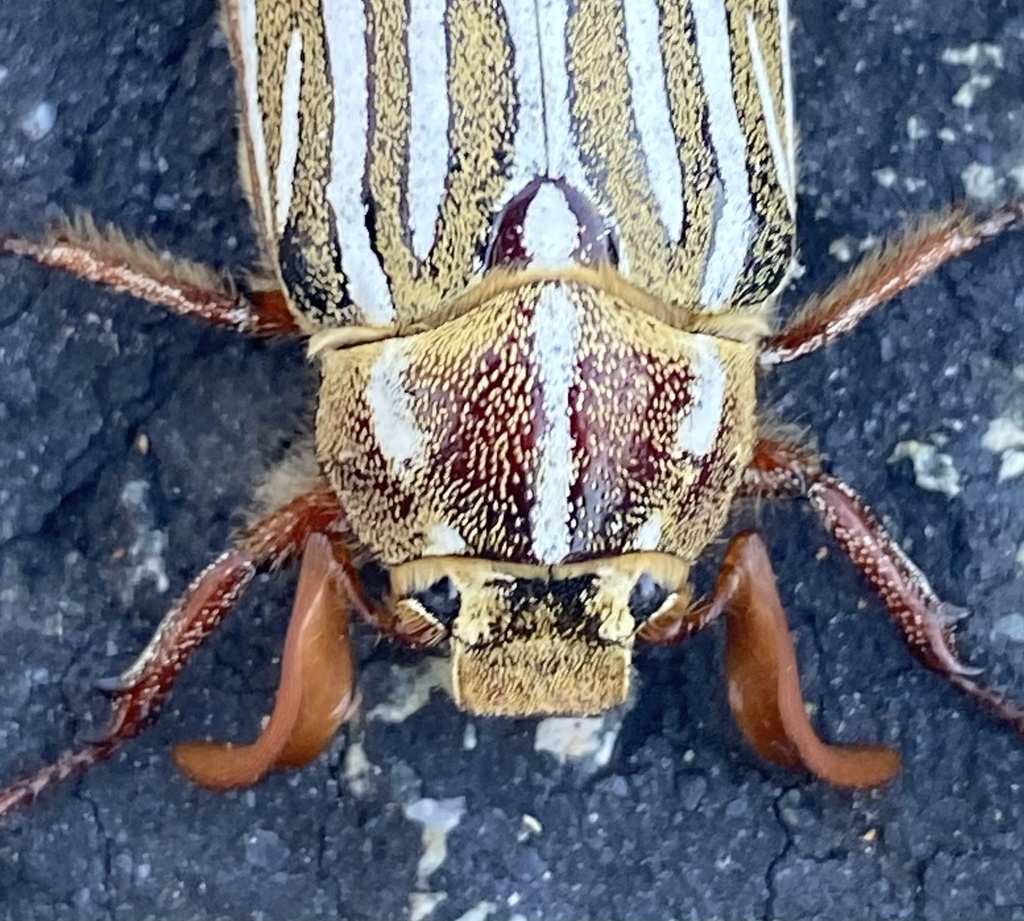
"Grub worms" is a catch-all term homeowners use for the C-shaped larvae of scarab beetles living in their soil. They're not worms at all. They're beetle babies, and the distinction matters because different species behave differently in your lawn.
The most common culprits in North American lawns are Japanese beetle grubs, European chafer grubs, and masked chafer grubs. Green June beetle grubs, Oriental beetle grubs, and black turfgrass ataenius grubs show up frequently depending on your region. Each has its own feeding habits, life cycle timing, and damage threshold.
Here's what they look like: a creamy white to grayish body, a brown head capsule, six small legs near the head end, and that signature C-shape when you pull them out of the soil. Size ranges from about a quarter inch to over an inch and a half depending on species and age.
Why identification matters more than most people realize: European chafer grubs can damage lawns at populations of 15 to 20 per square foot, while Japanese beetle grubs start causing visible problems at around 5 per square foot. If you're going to treat, knowing what you're dealing with helps you pick the right product and the right timing.
The life cycle is straightforward. Adult beetles lay eggs in midsummer, typically July through August. Those eggs hatch within a couple of weeks, and the tiny larvae start feeding on grass roots just below the surface.
They grow through late summer and fall, burrow deeper to overwinter when soil temperatures drop, then move back up in spring to feed again before pupating into adult beetles. The whole cycle takes about a year for most species, though some run two to three years depending on climate.
When Grubs Are a Real Problem for Your Lawn
Grubs become a genuine problem when their numbers exceed what your turfgrass can tolerate. They chew through the root system just below the soil surface, severing the grass's ability to take up water and nutrients. The result is irregular brown patches that feel spongey or loose underfoot because the roots are gone.
Here's the tell: grab the edge of a damaged patch and pull. If the turf lifts easily like a loose carpet, grubs have likely eaten through the root zone beneath it. That's different from drought stress, where the grass stays anchored but just turns brown.
The damage typically shows up in late summer and early fall when grubs are largest and feeding most actively. You might also see it in spring after grubs resume feeding post-winter, though spring damage is often less severe because the larvae are preparing to pupate rather than grow rapidly.
Secondary damage is often worse than the grub feeding itself. Skunks, raccoons, armadillos in the Southeast, and even birds will tear up your lawn overnight hunting for grubs. A single skunk can destroy more turf in one evening than a moderate grub population does all summer. Most homeowners only realize they have a grub problem after the animals have already done the heavy lifting of exposing it.
Several factors push a grub population from harmless to harmful:
- Overwatering: Grubs thrive in moist soil. Lawns that get daily light watering create ideal egg-laying conditions for adult beetles in midsummer.
- High-value turf: Golf course greens and perfectly manicured home lawns tolerate far fewer grubs than a mixed-species field.
- Cool-season grasses: Kentucky bluegrass, fescue, and perennial ryegrass root systems are more vulnerable to grub feeding than warm-season species like Bermuda or zoysia.
- Drought during grub activity: If your lawn is already water-stressed during peak grub feeding in August and September, even a moderate grub count can push it over the edge.
When Grubs Are Actually Fine — or Even Helpful
This is where most grub advice falls short. Grubs aren't villains living underground waiting to destroy your lawn. They're a normal part of healthy soil, and at low populations they actually contribute to ecosystem function.
A moderate grub population helps break down organic matter in the soil. Their feeding and movement through the root zone contributes to natural aeration, though not on the scale of earthworms. They also serve as a food source for ground-feeding birds, moles, and predatory insects like ground beetles that help control other pest species.
Your lawn's root system is more resilient than you might think. A healthy stand of cool-season grass with deep roots can sustain some root pruning without showing visible stress above ground. That's exactly why the threshold concept matters.
Counting grubs before treating prevents you from nuking a population that wasn't causing real damage.
Organic and ecological lawn care approaches lean into this balance. The goal isn't zero grubs. It's keeping the population below the threshold where damage occurs, whether that happens naturally through predation or through targeted biological controls.
How to Tell If You Have a Grub Problem or Something Else
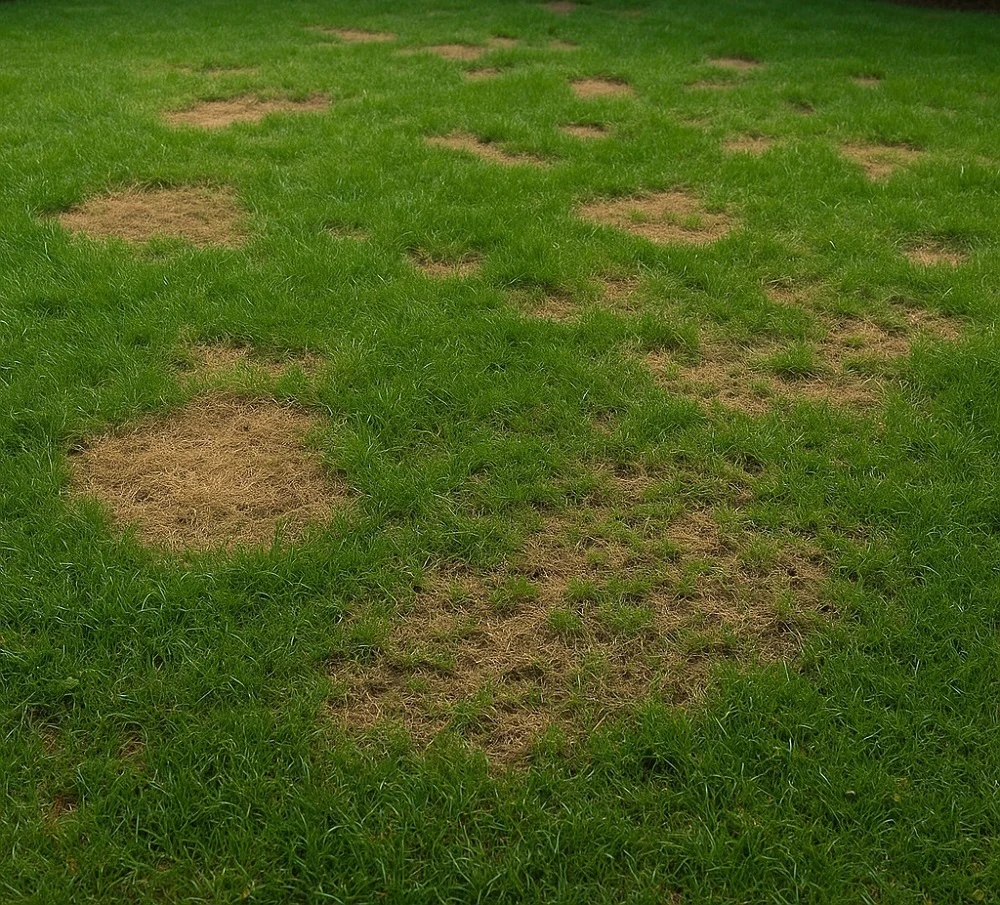
Before you do anything, make sure grubs are actually what's causing the problem. Brown patches in a lawn have a dozen possible culprits, and treating for grubs when the real issue is fungal disease or compacted soil just wastes your time and money.
The pull test is your first diagnostic tool. Go to the edge of a brown patch, grab a handful of grass, and tug. If it lifts freely like peeling back a rug, grubs have likely severed the roots underneath.
If the grass stays firmly rooted but looks dead or thinning elsewhere, look at other causes.
The dig test gives you a definitive answer. Take a shovel and cut a 1-foot by 1-foot square of turf about 2 to 3 inches deep in a damaged area. Peel it back and examine the soil.
Count every grub you see in that square. Repeat this in a few different spots to get a reliable average.
Common look-alikes that get misidentified as grub damage:
- Drought stress: Brown patches that follow sun exposure patterns and recover after deep, infrequent watering. Grass stays rooted.
- Dog urine spots: Concentrated dead patches with a dark green ring around the edge from nitrogen overload.
- Fungal diseases like brown patch or dollar spot: Often show distinct lesion patterns on individual grass blades rather than uniform root destruction.
- Chinch bug damage: More common in full-sun areas of St. Augustine and Bermuda grass; the bugs themselves are tiny and visible at the soil surface.
- Sod webworm damage: Chewed-off grass blades rather than root feeding; you may see small moths flying low over the lawn at dusk.
- Compacted soil or thatch: Thick thatch layers can cause browning from root suffocation, not feeding damage.
If grubs aren't present in your samples, stop. Treat the actual problem, not the one you guessed at.
The Threshold: How Many Grubs Is Too Many?
Not every grub warrants action. Turfgrass scientists at multiple land-grant universities have established population thresholds based on species and turf type, and these numbers should drive your decision more than gut feeling.
Here's the general breakdown:
| Grub Species | Damage Threshold (per sq ft) | Notes |
|---|---|---|
| Japanese beetle | 5 | Most aggressive root-feeder; damage appears at lower populations |
| European chafer | 15–20 | Higher tolerance; common in Northeast and Midwest |
| Green June beetle | 10–15 | Primarily a nuisance through tunneling, not root feeding |
| Black turfgrass ataenius | 10–15 | Smaller grub; damaging to golf turf, less so on home lawns |
| June beetle / May beetle | 10 | Three-year life cycle in some regions; prolonged feeding |
| Masked chafer | 10–15 | Similar threshold to European chafer |
These thresholds assume a healthy lawn under reasonable growing conditions. If your turf is already stressed from drought, poor soil, or heavy traffic, even counts below these numbers can cause visible damage. Conversely, a thick, well-irrigated lawn might tolerate slightly higher populations without showing symptoms.
If your count falls below the threshold for your grub species, skip treatment entirely. You're spending money and introducing products into the environment for no benefit. If you're above it, move to the treatment decision and pick an approach that matches your situation.
Choosing the Right Treatment Based on Your Situation
Your treatment path should flow from your count, your grub species, the time of year, and your own tolerance for chemical use. There's no single best product. The right choice is the one that fits your specific conditions.
If you're below threshold: Monitor and do nothing. Check again next year. A healthy lawn ecosystem often keeps grub numbers in check naturally.
If you're above threshold in late summer or early fall (August through October): You're in the curative window. Grubs are small and actively feeding near the surface, which makes them vulnerable to treatments.
If you're above threshold and it's already late fall or spring: Curative options become less effective. You may need to repair damage and plan preventive treatment for the following season.
Two categories of treatment dominate the market: biological controls and chemical insecticides. Each has a place depending on your priorities.
Biological Controls
Beneficial nematodes (Heterorhabditis bacteriophora) are microscopic roundworms that enter grubs through natural body openings and release symbiotic bacteria that kill the host within 24 to 48 hours. They're species-specific, meaning they target grubs without harming earthworms, bees, or beneficial insects. The catch: they require moist soil, soil temperatures between roughly 55 and 85°F, and they must be applied fresh since shelf life is short.
Apply them in the evening to avoid UV exposure.
Milky spore (Paenibacillus popilliae) is a soil-borne bacterium that specifically targets Japanese beetle grubs. When grubs ingest it while feeding, they die and release billions of new spores into the soil. It's effective only against Japanese beetle grubs and works best in warmer climates where soil temperatures stay above 70°F consistently.
In northern regions with cold winters, milky spore often fails to establish. A single application can suppress populations for 10 to 15 years once it takes hold.
Chemical Controls
Chlorantraniliprole (GrubEx) is a preventive product. You apply it in late spring (May through June) before adult beetles lay eggs, and it kills newly hatched grubs as they start feeding. It has a favorable toxicity profile compared to older chemistries.
You cannot use it as a curative treatment. If you've already got large grubs in August, this product won't help you.
Trichlorfon (Dylox) is one of the few reliable curative options. It works on larger grubs even in early fall when preventive products are too late. It acts fast but breaks down relatively quickly in the soil, which limits residual environmental impact.
Follow label directions carefully regarding watering and re-entry intervals.
Carbaryl (Sevin) is a broad-spectrum insecticide that also provides curative grub control. The downside is that it kills a wide range of soil organisms, including beneficials, so use it only when necessary and targeted.
Imidacloprid was once the go-to preventive grub treatment, but it's been banned or restricted in several states due to concerns about pollinator exposure and environmental persistence. Check your state's regulations before considering it.
Quick Comparison Table
| Product Type | Best Window | Works On Large Grubs | Environmental Impact | Reapplication Needed |
|---|---|---|---|---|
| Beneficial nematodes | Late summer/early fall | Moderate | Very low | Annually |
| Milky spore | Spring/early summer | No (targets small grubs) | Very low | One-time if established |
| Chlorantraniliprole (GrubEx) | Late spring (May–June) | No (preventive only) | Low to moderate | Annually for prevention |
| Trichlorfon (Dylox) | August–October | Yes | Moderate | Single application usually sufficient |
| Carbaryl (Sevin) | August–October | Yes | Higher | As needed |
Biological vs. Chemical Control: Which Approach Fits Your Lawn

The choice between biological and chemical grub control usually comes down to timing, severity, and your personal threshold for pesticide use.
Biological controls make the most sense when you're committed to a low-chemical lawn care program and you can catch the problem in the right window. Nematodes give you curative-level control without collateral damage to pollinators and soil life. Milky spore is ideal if Japanese beetles are your primary problem and you're in a southern or mid-Atlantic climate where the bacterium can establish.
Both require patience. You won't see overnight results the way you would with a synthetic insecticide.
Chemical controls make sense when grub numbers are high enough that your lawn is actively dying, when you've missed the biological application window, or when you need rapid knockdown to stop damage before it gets worse. Trichlorfon in late summer is often the best choice for homeowners who've already confirmed a damaging grub count and want reliable results within days.
A hybrid approach works well for many lawns. Use beneficial nematodes or milky spore as your first line of defense when timing allows. Reserve chemical curatives for situations where biologicals aren't practical or the infestation is severe enough that waiting isn't an option.
One important point: if children or pets use your lawn heavily, factor that into your decision. Some chemical products require keeping people and animals off the treated area for 24 to 72 hours after application and watering. Biological products like nematodes have no re-entry restrictions once they're watered in.
Regardless of which route you take, read the product label completely. The label is a legal document. It tells you the correct rate, application timing, safety precautions, and any restrictions specific to your state.
Following it isn't optional; it's required.
Mistakes That Make Grub Problems Worse
The biggest mistake homeowners make is treating without confirming. If you've never cut open a square of turf and counted what's underneath, you're guessing. And guessing means you might blanket your lawn with insecticide for a problem that doesn't exist.
The second most common mistake is late treatment order. Homeowners notice brown patches in September, grab a preventive product from the shelf, and apply it. Preventive products don't kill large grubs.
You've just spent money on something that works on next year's hatch while this year's larvae finish destroying your yard.
Overwatering in midsummer is another silent aggravator. Light, daily irrigation in July and August creates the exact moist soil conditions adult beetles want for laying eggs. Switching to deep, infrequent watering during beetle flight season reduces egg-laying success without harming your turf.
Some people skip the hose-in step after applying granular products. Most grub treatments need to be watered into the top few inches of soil where grubs are feeding. If you spread granules and leave them sitting on the surface, effectiveness drops dramatically.
What to Do If the Damage Is Already Done
If you're looking at brown patches from last season's grub feeding, the grubs have likely already pupated into adult beetles and moved on. Killing them now doesn't repair dead turf.
Focus on renovation. Rake out the dead grass, loosen the top inch of soil, and reseed or patch with sod in early fall. Fall is the best time for cool-season grass establishment because soil temperatures are still warm but air temperatures are dropping, which reduces heat stress on seedlings.
After seeding, keep the area consistently moist for the first two to three weeks until germination. Then deepen your watering schedule to encourage root growth before winter. A starter fertilizer with moderate phosphorus helps establish new roots in the disturbed soil.
While you're repairing, plan your preventive strategy for next season. If you had a damaging grub population this year, odds are you'll have eggs waiting to hatch. A preventive application in late spring or a nematode application late next summer gets ahead of the cycle.
Quick Decision Guide: Should You Treat for Grubs?
Start with a soil sample. Cut three 1 ft × 1 ft squares, 2 to 3 inches deep, in damaged areas. Average your grub count.
Below 5 grubs per square foot: Don't treat. Monitor next season.
5 to 10 grubs per square foot and it's August through October: You have curative options. Benical nematodes work if soil temperatures are still warm and you keep the area moist. Trichlorfon (Dylox) is your chemical fallback if nematodes can't be applied in time.
Above 10 grubs per square foot: Treat now with a curative product. Plan a preventive application for late spring next year to break the cycle.
It's May through July and you had damage last year: Apply a preventive product like chlorantraniliprole before eggs hatch. This is the window where prevention actually works.
You're committed to organic lawn care: Use beneficial nematodes in late summer. Apply milky spore if Japanese beetles are your primary species and you're in a warm-enough climate. Accept that biological controls require more patience and precise timing.
Frequently Asked Questions
Can grubs kill an entire lawn?
Yes, if the population is high enough and the turf is already stressed. Severe infestations of 20 or more grubs per square foot can destroy large sections of lawn in a single season, especially during drought conditions. Healthy lawns with deep roots tolerate much more feeding before showing total loss.
Do grub treatments harm earthworms?
Most modern targeted products don't. Chlorantraniliprole and trichlorfon have minimal impact on earthworm populations when applied at labeled rates. Broad-spectrum products like carbaryl are harder on earthworms and other beneficial soil organisms.
Beneficial nematodes are completely safe for earthworms.
How long does it take for grub damage to show?
Damage typically appears four to six weeks after eggs hatch in late summer. The grubs need time to grow large enough to consume significant root mass. Most homeowners notice the problem in August or September, though spring damage can also occur after grubs resume feeding.
Will grub damage repair itself?
The grubs won't repair anything, but the grass can recover if the root crown is still alive and grub feeding has stopped. Severely damaged areas where roots are completely severed need reseeding or sodding. Light damage often fills in with proper watering and fertilization the following season.
When is the best time to apply grub control?
For preventive products, late spring (May through June) before eggs hatch. For curative treatments, late summer through early fall (August through October) when grubs are small and feeding near the surface. Missing either window drastically reduces effectiveness.
Are grub worms harmful to humans or pets?
White grubs pose no direct threat to people or pets. They don't bite, sting, or carry diseases that affect humans. The real risk to pets comes from secondary animal activity, skunks and raccoons digging up the lawn, which can create tripping hazards or expose pets to those animals.
The Best Time to Treat (Get This Wrong and You've Wasted Your Money)
Timing is everything with grub control. Apply at the wrong point in the life cycle and you might as well be watering your lawn with plain water.
The curative window runs from August through October in most northern climates. Grubs are small, actively feeding near the soil surface, and vulnerable. Products like trichlorfon and beneficial nematodes work best during this period because the larvae are accessible and haven't burrowed deep yet.
The preventive window is May through June. Adult beetles are flying and laying eggs. Products like chlorantraniliprole need to be in the soil before those eggs hatch so newly emerged grubs ingest the active ingredient on their first feeding.
Apply too late in July and the grubs are already too large for preventive chemistry to work.
Spring treatment is almost always the wrong call. Grubs are large, preparing to pupate, and barely feeding. You'll spend money killing larvae that are about to leave anyway, and you won't prevent next year's population.
What to Do If the Damage Is Already Done
If you're looking at brown patches from last season's grub feeding, the grubs have likely already pupated into adult beetles and moved on. Killing them now doesn't repair dead turf.
Focus on renovation. Rake out the dead grass, loosen the top inch of soil, and reseed or patch with sod in early fall. Fall is the best time for cool-season grass establishment because soil temperatures are still warm but air temperatures are dropping, which reduces heat stress on seedlings.
After seeding, keep the area consistently moist for the first two to three weeks until germination. Then deepen your watering schedule to encourage root growth before winter. A starter fertilizer with moderate phosphorus helps establish new roots in the disturbed soil.
While you're repairing, plan your preventive strategy for next season. If you had a damaging grub population this year, odds are you'll have eggs waiting to hatch. A preventive application in late spring or a nematode application late next summer gets ahead of the cycle.
Quick Decision Guide: Should You Treat for Grubs?
Start with a soil sample. Cut three 1 ft × 1 ft squares, 2 to 3 inches deep, in damaged areas. Average your grub count.
Below 5 grubs per square foot: Don't treat. Monitor next season.
5 to 10 grubs per square foot and it's August through October: You have curative options. Beneficial nematodes work if soil temperatures are still warm and you keep the area moist. Trichlorfon (Dylox) is your chemical fallback if nematodes can't be applied in time.
Above 10 grubs per square foot: Treat now with a curative product. Plan a preventive application for late spring next year to break the cycle.
It's May through July and you had damage last year: Apply a preventive product like chlorantraniliprole before eggs hatch. This is the window where prevention actually works.
You're committed to organic lawn care: Use beneficial nematodes in late summer. Apply milky spore if Japanese beetles are your primary species and you're in a warm-enough climate. Accept that biological controls require more patience and precise timing.
Frequently Asked Questions
Can grubs kill an entire lawn?
Yes, if the population is high enough and the turf is already stressed. Severe infestations of 20 or more grubs per square foot can destroy large sections of lawn in a single season, especially during drought conditions. Healthy lawns with deep roots tolerate much more feeding before showing total loss.
Do grub treatments harm earthworms?
Most modern targeted products don't. Chlorantraniliprole and trichlorfon have minimal impact on earthworm populations when applied at labeled rates. Broad-spectrum products like carbaryl are harder on earthworms and other beneficial soil organisms.
Beneficial nematodes are completely safe for earthworms.
How long does it take for grub damage to show?
Damage typically appears four to six weeks after eggs hatch in late summer. The grubs need time to grow large enough to consume significant root mass. Most homeowners notice the problem in August or September, though spring damage can also occur after grubs resume feeding.
Will grub damage repair itself?
The grubs won't repair anything, but the grass can recover if the root crown is still alive and grub feeding has stopped. Severely damaged areas where roots are completely severed need reseeding or sodding. Light damage often fills in with proper watering and fertilization the following season.
When is the best time to apply grub control?
For preventive products, late spring (May through June) before eggs hatch. For curative treatments, late summer through early fall (August through October) when grubs are small and feeding near the surface. Missing either window drastically reduces effectiveness.
Are grub worms harmful to humans or pets?
White grubs pose no direct threat to people or pets. They don't bite, sting, or carry diseases that affect humans. The real risk to pets comes from secondary animal activity, skunks and raccoons digging up the lawn, which can create tripping hazards or expose pets to those animals.