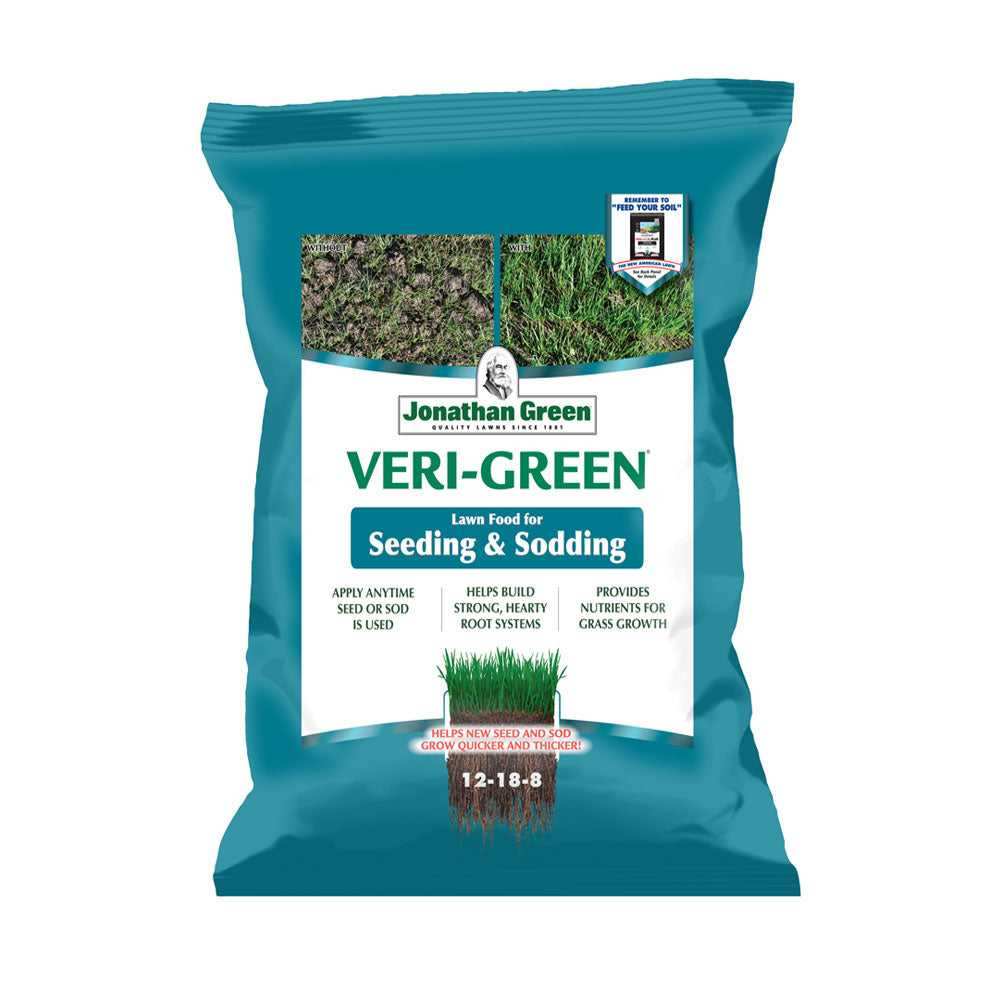
The best time to fertilize new Kentucky Bluegrass sod is shortly after installation and then periodically throughout its establishment period. Proper fertilization boosts root growth, enhances health, and ensures a lush, green lawn. Timing and type of fertilizer are key to success.
Fertilize your new Kentucky Bluegrass sod approximately 4 to 6 weeks after laying it down, using a slow-release, nitrogen-rich fertilizer. This encourages strong root development and a vibrant green appearance, helping your lawn establish quickly and stay healthy long-term.
Getting your Kentucky Bluegrass off to a strong start depends on knowing when and how to fertilize it. Starting the fertilization process right after planting, and then maintaining a regular schedule, ensures your new sod develops deep roots and a beautiful, resilient yard. Proper fertilization not only promotes initial growth but also supports the lawn’s ongoing health, making it a key step in establishing a stunning landscape.

When to Fertilize New Kentucky Bluegrass Sod
Understanding the Growth Cycle of Kentucky Bluegrass
Kentucky bluegrass is a cool-season grass that grows best in spring and fall. Its growth pattern includes active growth periods and dormancy phases, which influence the best time to fertilize. Knowing these cycles helps ensure the grass gets the nutrients it needs when it needs them most.
During the initial establishing phase, the grass focuses on root development rather than top growth. Fertilizing at the right time supports healthy root growth and can lead to a lush, green lawn. Applying fertilizer too early or too late can stress the grass or reduce its vigor.
Timing is Key: When to Fertilize New Kentucky Bluegrass Sod
The optimal time to fertilize new Kentucky bluegrass sod is during specific windows in its growth cycle. Generally, it’s best to wait until the sod has established a strong root system, which usually takes about 4 to 6 weeks after laying.
Spring is a prime time for fertilization, especially when daytime temperatures range from 60°F to 75°F (15°C to 24°C). Fall is also an excellent season to fertilize, as cooler temperatures and increased moisture support root growth before winter dormancy. Avoid fertilizing in extreme summer heat, which can stress the grass.
First Fertilization: When and How
The first fertilization should occur roughly 4 weeks after laying the sod, once it has begun to establish roots. Use a balanced fertilizer with a nutrient ratio such as 10-10-10 or similar.
Apply the fertilizer evenly across the area using a broadcast spreader or drop spreader. Lightly water the lawn afterward to help the nutrients penetrate the soil and reach the roots. Avoid over-fertilizing, which can lead to thatch buildup or shallow root growth.
Choosing the Right Fertilizer for New Sod
Selecting the appropriate fertilizer is crucial for healthy growth. For new Kentucky bluegrass, look for a product with a balanced ratio of nitrogen, phosphorus, and potassium (NPK).
- Nitrogen (N): Promotes lush, green leaf growth.
- Phosphorus (P): Supports strong root development.
- Potassium (K): Improves overall plant health and stress tolerance.
A starter fertilizer with higher phosphorus content encourages root growth. Always follow the manufacturer’s instructions regarding application rates to prevent fertilizer burn.
Fertilization Schedule for the First Year
Proper fertilization during the first year helps the sod develop resilience and density. Establish a schedule that aligns with the grass’s growth phases.
Spring
Apply a starter fertilizer about 4 weeks after installation. Repeat this application 6 to 8 weeks later if necessary, especially if the lawn shows signs of poor growth.
Fall
Apply a balanced fertilizer in late September or early October to prepare the sod for winter dormancy. This helps strengthen roots and improve spring recovery.
Summer
Reduce fertilization during peak summer months. If necessary, use a light, slow-release nitrogen fertilizer early in the morning or late in the evening to avoid stressing the grass.
Factors Affecting Fertilizer Application Timing
Several factors influence the best time to fertilize new Kentucky bluegrass sod. These include climate, soil type, and turf health.
Soil Testing and Nutrient Levels
Conduct a soil test before fertilization to determine existing nutrient levels. This prevents over-fertilizing and helps tailor fertilization to your lawn’s needs.
Weather Conditions
Avoid fertilizing before heavy rain, as excess moisture can wash nutrients away and promote disease. Similarly, avoid fertilizing during droughts or extreme heat, which can stress the turf.
Grass Health and Appearance
If the new sod appears dull, yellowing, or patches are not filling in, consider additional fertilization. Healthy, vigorously growing grass indicates the timing is right.
Additional Tips for Fertilizing New Kentucky Bluegrass
Proper fertilization techniques ensure your new sod develops into a dense, vibrant lawn. Here are some tips:
- Always water thoroughly after applying fertilizer to prevent runoff.
- Use slow-release fertilizers to provide steady nutrition over time.
- Avoid fertilizing on windy days to prevent uneven distribution.
- Follow recommended application rates to avoid fertilizer burn.
- Incorporate organic fertilizers or compost teas for natural nutrient boosts.
Common Mistakes to Avoid
To keep your lawn healthy, steer clear of these common fertilization errors:
- Fertilizing too early or too late in the season.
- Applying excessive fertilizer, which can lead to shallow roots and disease.
- Ignoring soil test results, leading to nutrient imbalances.
- Fertilizing during drought or extreme heat, stressing the grass.
- Using high nitrogen fertilizers without supporting phosphorus or potassium.
Long-Term Fertilization for Continued Lawn Health
After the first year, establish a regular fertilization routine based on your soil’s needs and the grass’s growth patterns. Typically, fertilize 2 to 4 times per year with a balanced or slow-release formula.
Maintain optimal pH levels in your soil, ideally between 6.0 and 7.0, to maximize nutrient absorption. Regular watering, mowing, and aeration further support a healthy, lush Kentucky bluegrass lawn.
By paying close attention to timing, soil conditions, and proper fertilization techniques, you can ensure your new Kentucky bluegrass sod establishes well and thrives for many years.
Lawn Care for New Sod // How To Water, Mow, Fertilize, & Kill Weeds in New Lawn // What to Expect
Frequently Asked Questions
How soon after laying new Kentucky bluegrass sod should I fertilize?
It is best to wait about 4 to 6 weeks after installing new Kentucky bluegrass sod before applying fertilizer. This allows the sod to establish roots and recover from transplant shock. Applying fertilizer too early can damage the new grass and impede growth.
What fertilization schedule works best for newly laid Kentucky bluegrass?
Start with a light application of a balanced fertilizer approximately one month after installation. Follow up with a second application around 8 to 10 weeks after laying the sod. This schedule helps promote healthy growth without overwhelming the young grass.
Are there specific nutrients I should focus on when fertilizing new Kentucky bluegrass?
Yes, focus on nitrogen, phosphorus, and potassium. Early fertilization should emphasize nitrogen to encourage lush, green growth. Phosphorus supports root development, while potassium strengthens overall plant health. Use a fertilizer formulated for new lawns to ensure balanced nutrition.
What signs indicate that my new Kentucky bluegrass sod needs fertilization?
If the grass appears dull, slow-growing, or shows uneven coloration several weeks after planting, it may benefit from fertilization. Additionally, yellowing or poor recovery after mowing can signal the need for nutrients. Regular soil testing can also provide insight into specific nutrient deficiencies.
Should I fertilize more frequently during the first growing season?
No, avoid over-fertilizing during the first season. Stick to a recommended schedule, typically a couple of well-timed applications. Excessive fertilization can lead to thatch buildup, disease, or nutrient runoff. Consistent, moderate fertilization supports steady growth and turf strength.
Final Thoughts
The best time to fertilize new Kentucky bluegrass sod is during active growth periods, typically in early spring and late summer. Apply a balanced fertilizer when the grass is green and growing vigorously. Avoid fertilizing during dormancy or extreme heat.
Timing your fertilization correctly encourages healthy roots and lush growth. When to fertilize new Kentucky bluegrass sod directly impacts its establishment and long-term health. Follow a regular schedule to ensure vibrant, resilient turf.