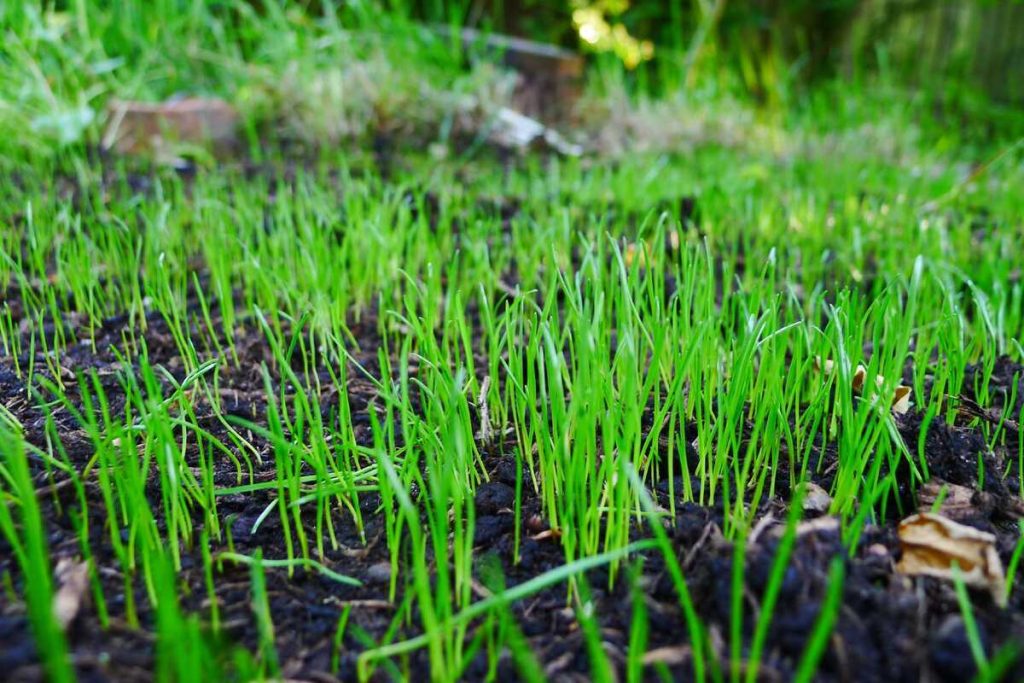
Water Kentucky bluegrass seed gently but frequently until it establishes a strong root system. Typically, watering once or twice a day for the first two to three weeks ensures the seeds stay consistently moist, which is essential for germination. After that, gradually reduce the frequency, but continue to provide enough moisture to keep the soil moist but not waterlogged.
For a lush Kentucky bluegrass lawn to thrive, understanding how often to water your new seed is key. The right watering schedule can mean the difference between a patchy, struggling lawn and a vibrant green carpet. Proper watering helps the seeds germinate faster and develop healthy roots, especially in the crucial initial weeks. Too little water can dry out the seeds, while too much can lead to diseases and root rot. By maintaining a consistent moisture level and adjusting based on weather conditions, you can give your Kentucky bluegrass the best start for a beautiful, resilient lawn.

How Often to Water Kentucky Bluegrass Seed
Watering Kentucky bluegrass seed the right way is essential for healthy, lush lawns. Proper watering helps seeds germinate quickly and grow strong roots. Knowing the correct frequency and amount of water can make a big difference in your lawn’s success.
Understanding Kentucky Bluegrass Seed Germination
Kentucky bluegrass seeds usually take around 14 to 21 days to germinate. During this time, consistent moisture is key to getting seeds to sprout. Without enough water, seeds can dry out and fail to grow.
Germination is most successful when the soil stays moist but not soggy. It’s important to keep the soil evenly moist during the first few weeks after planting.
Initial Watering After Sowing
Right after seeding Kentucky bluegrass, water gently but thoroughly. Aim for a light watering that wets the top 1 to 2 inches of soil. This helps activate the seeds and kickstart germination.
Apply this initial watering every 4 to 6 hours for the first 2 to 3 days, especially if the weather is warm or windy. The goal is to keep the soil consistently moist but avoid overwatering that can wash away the seeds.
Maintaining Moisture During Germination
Once seeds have germinated, it’s important to keep the soil moist. Water lightly once or twice daily in the first couple of weeks. Adjust frequency based on weather conditions, soil type, and watering methods.
In hot or windy conditions, you may need to water more often to prevent the soil from drying out. Using a fine spray or gentle hose attachment helps distribute water evenly without disturbing the young seedlings.
Transitioning from Germination to Established Growth
After the first 3 to 4 weeks, your lawn should have developed a good network of roots. At this stage, watering frequency can be gradually reduced.
Typically, watering every 2 to 3 days is sufficient, providing the lawn with about 1 inch of water per week. Deep, less frequent watering encourages roots to grow deeper into the soil, making your lawn more drought-tolerant.
How Much Water Does Kentucky Bluegrass Need?
Kentucky bluegrass generally needs about 1 to 1.5 inches of water weekly during the growing season. This can come from rainfall or supplemental watering.
To measure how much water your sprinkler applies, place a few shallow containers like tuna cans across your yard. When the cans collect 1 inch of water, you know your lawn has received enough.
Signs of Overwatering and Underwatering
Overwatering
If your soil feels constantly soggy or waterlogged, you might be overwatering. Typical signs include fungal diseases, yellowing, or moss growth. Overwatering can drown roots and lead to root rot.
Underwatering
When your lawn turns brown or the grass becomes wilted, it may need more water. Dry, brittle patches are a sign to increase watering frequency.
Adjusting Watering Based on Weather and Season
During hot, dry summers, Kentucky bluegrass may need more frequent watering. Conversely, during cooler, rainy periods, watering can be reduced or skipped.
In winter, you generally don’t need to water unless there is a dry spell. Always monitor weather conditions to avoid unnecessary watering.
Efficient Watering Tips for Kentucky Bluegrass
- Water early in the morning to minimize evaporation and fungal diseases.
- Use sprinklers or drip irrigation systems for even coverage.
- Adjust your watering schedule based on rainfall to prevent overwatering.
- Deep watering encourages deep root growth, making your lawn more resilient.
Using Technology to Manage Watering
Soil moisture sensors and smart irrigation controllers can help automate watering schedules. These devices ensure your Kentucky bluegrass gets the right amount of water at the right times.
By setting precise watering times, you avoid waste and improve the health of your lawn.
Common Mistakes to Avoid When Watering Kentucky Bluegrass Seed
- Applying too little water, which hampers germination and root growth.
- Overwatering, which can cause disease and nutrient runoff.
- Inconsistent watering schedules, leading to stress and uneven growth.
- Watering during the hottest part of the day, leading to high evaporation losses.
Best Practices for a Healthy Kentucky Bluegrass Lawn
Combine proper watering with other lawn care practices like mowing, fertilizing, and aerating. Maintaining a balanced approach will keep your lawn green and thick.
Watering correctly during seed establishment is just the first step to developing a durable, attractive lawn year-round.
How To Water Your Lawn After Seeding
Frequently Asked Questions
How can I determine when to reduce watering after seed germination?
Monitor the soil moisture closely once the seeds have sprouted. As the grass seedlings develop roots and become more established, gradually decrease the frequency of watering. The goal is to keep the topsoil consistently moist but not soaked. Typically, you can start reducing watering after the grass begins to grow steadily, usually around 3 to 4 weeks after planting, ensuring the roots develop deeper into the soil.
What is the ideal watering schedule to promote healthy Kentucky bluegrass seed growth?
Water your Kentucky bluegrass seeds lightly but frequently to keep the soil consistently moist during the first few weeks. Aim to water 2 to 3 times per day, especially if the weather is warm and dry. As the grass matures and establishes a strong root system, gradually extend the intervals between watering, moving to once every 2 to 3 days, while ensuring the soil remains adequately moist.
How can I prevent overwatering when watering Kentucky bluegrass seed?
Prevent overwatering by checking the soil moisture before watering again. Use a soil moisture meter or simply insert your finger into the soil to feel the moisture level. Only water when the top inch of soil feels dry. Avoid creating puddles or soggy patches, and ensure proper drainage in your planting area to avoid waterlogging, which can harm the developing roots.
What adjustments should I make to watering frequency during hot or windy days?
On hot or windy days, the soil loses moisture more quickly, so you might need to water more frequently to keep the seeds and young grass hydrated. Increase the frequency to ensure the topsoil remains moist, but avoid overwatering. Early morning watering is best during such conditions to minimize evaporation and allow the grass to absorb moisture effectively.
When should I stop watering and let the grass grow naturally?
Once your Kentucky bluegrass has established a strong root system and the seedlings are thoroughly growing, typically after 6 to 8 weeks, you can gradually cut back on watering. At this stage, water only when the soil shows signs of dryness or during prolonged dry spells. This helps encourage deeper roots and makes your lawn more resilient to drought conditions.
Final Thoughts
Pour que votre seed de Kentucky bluegrass germe bien, il est essentiel d’arroser régulièrement. Maintenez le sol humide sans le saturer, surtout durant les deux premières semaines après la semence. Utilisez une fréquence modérée pour éviter le dessèchement ou la pourriture.
En général, il est recommandé d’arroser tous les un à deux jours, selon le climat et la température. Surveillez la sécheresse du sol et ajustez la fréquence en conséquence.
Pour finir, la clé pour une germination réussie est de savoir comment souvent à water Kentucky bluegrass seed; cela garantit une croissance saine et un tapis herbeux dense.