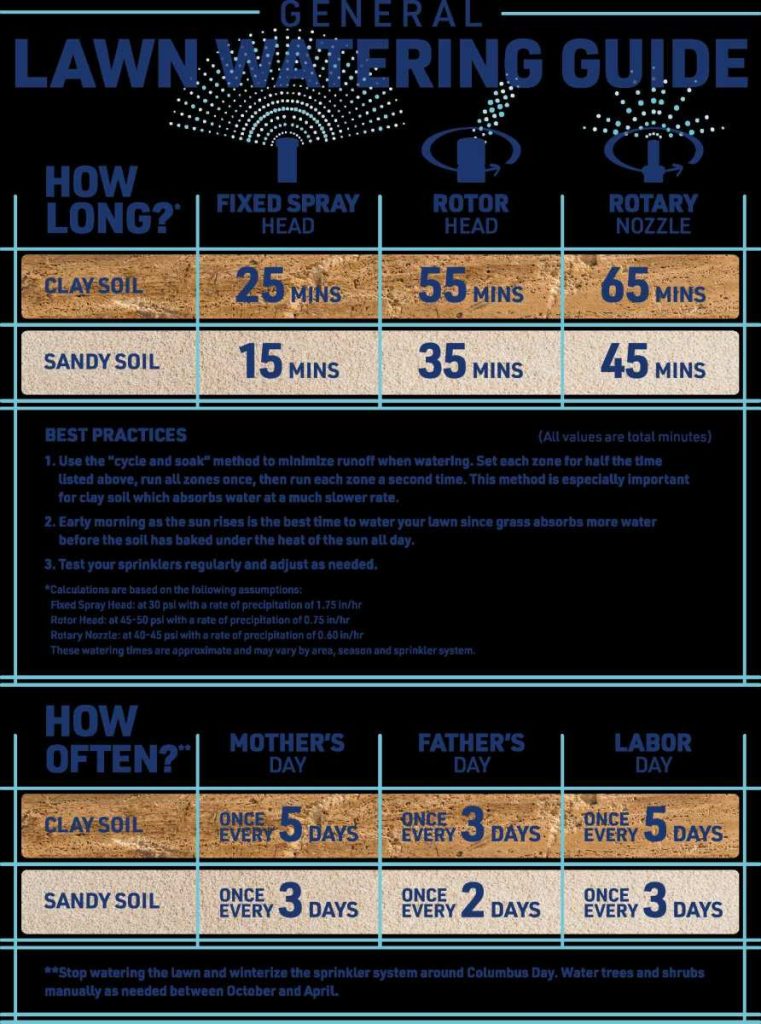
The best time to water Kentucky bluegrass is early morning, ideally between 4 a.m. and 8 a.m., when the grass can absorb the moisture without the risk of evaporation or disease. Watering deeply and infrequently encourages strong root growth, making your lawn more resilient to drought and heat. Remember, consistency is key—maintain a regular watering schedule and avoid overwatering, which can lead to problems like fungus.
Watering Kentucky bluegrass at the right time is crucial for maintaining a lush, healthy lawn. In general, you should aim to water early in the morning to allow the grass to dry during the day, reducing disease risk. The best times are when temperatures are cooler, and the sun isn’t too intense, ensuring your grass gets the moisture it needs without wasting water. Proper watering habits will keep your lawn vibrant, deep-rooted, and better prepared to withstand weather fluctuations.

When Should You Water Kentucky Bluegrass
Understanding the Water Needs of Kentucky Bluegrass
Kentucky bluegrass is a popular choice for lawns because of its lush, green appearance and durability. It thrives best when it receives adequate water but can suffer if overwatered or underwatered. Knowing the right times to water helps keep the grass healthy and vibrant throughout the year.
Proper watering encourages deep root growth and keeps the grass resistant to drought and pests. Too little water makes the turf thin and brown, while too much can cause disease and root rot. Striking the right balance is key to maintaining a beautiful lawn.
The Best Time of Day to Water Kentucky Bluegrass
The ideal time to water Kentucky bluegrass is early in the morning, between 4 a.m. and 10 a.m. This time allows excess moisture to evaporate during the day, reducing disease risk.
Watering early also minimizes water loss due to wind and heat, making your watering efforts more efficient. Avoid watering late in the evening or at night because lingering moisture can promote fungal growth and other lawn diseases.
How Often Should You Water Kentucky Bluegrass?
Frequency depends on weather conditions, soil type, and grass health. Generally, Kentucky bluegrass needs about 1 to 1.5 inches of water weekly, including rainfall.
If there is no rain, water deeply two to three times a week. During very hot or dry periods, you may need to increase watering frequency. Conversely, during cooler seasons, watering once a week may be enough.
Monitoring Soil Moisture for Better Watering Decisions
Checking soil moisture helps determine when your lawn needs water. Stick a screwdriver or a soil moisture meter into the ground about 4 to 6 inches deep.
If it goes in easily and the soil feels moist, your lawn likely doesn’t need watering. If it’s hard to insert or the soil is dry, it’s time to water. Keeping the soil consistently moist but not soggy encourages strong root development.
Signs Your Kentucky Bluegrass Needs Water
Look for telltale signs indicating watering is necessary. If the grass appears dull, bluish-green, or footprints stay visible for a long time, it may be dehydrated.
Yellow patches or patches that easily pull up can also signal a lack of water. Conversely, moss or a spongy feeling underfoot might indicate overwatering. Paying close attention to these signs helps prevent lawn stress.
Managing Water During Different Seasons
Water needs change with the seasons. In spring and fall, Kentucky bluegrass needs less frequent, deep watering.
In summer, increased heat and sun exposure demand more frequent watering, but still with an emphasis on deep watering sessions. During winter, watering may mainly be necessary during warm spells or dry periods.
Adapting Watering for Soil Types
Soil type influences how often and how much you should water. Sandy soil drains quickly, requiring more frequent watering but less at each session.
Clay soil retains moisture longer, so watering less often but deeply is preferred. Loamy soil offers a good balance, needing moderate watering to keep roots healthy.
Watering Techniques for Kentucky Bluegrass
The method of watering affects turf health. Use a sprinkler for even coverage across your lawn.
Apply water slowly to encourage deep penetration, avoiding runoff. For large lawns, a rotating sprinkler or an underground irrigation system ensures uniform watering.
Preventing Overwatering and Underwatering
Balance is crucial to avoid lawn problems. Overwatering can lead to fungal diseases and shallow roots, while underwatering weakens grass and makes it susceptible to pests.
Set a watering schedule based on weather and soil conditions, and always verify soil moisture before watering again. Remember, deep, infrequent watering encourages roots to grow downward, strengthening the grass.
Additional Tips for Healthy Kentucky Bluegrass Lawn
To maintain a healthy lawn, combine proper watering with other practices. Fertilize regularly to supply essential nutrients. Mow at the correct height—about 2.5 to 3 inches—to promote strong roots.
Aerate the soil to improve water penetration and reduce compaction. Regularly remove thatch and debris for better airflow and water absorption. These steps work together to support a vibrant and resilient Kentucky bluegrass lawn.
Summary of Watering Schedule and Tips
| Time of Day | Frequency | Amount of Water | Additional Tips |
|---|---|---|---|
| Early morning (4 a.m. – 10 a.m.) | 2-3 times per week | 1 to 1.5 inches per week | Deep watering ensures healthy roots |
| During hot summers | Increase if needed | Same amount but more frequent | Check soil moisture to avoid overwatering |
| During cooler seasons | Once a week or less | Adjust as per weather | Monitor lawn for signs of dryness |
Related Topics to Consider
- Best fertilizers for Kentucky bluegrass
- How to aerate your lawn effectively
- Tips for mowing Kentucky bluegrass
- Controlling pests and weeds in Kentucky bluegrass lawns
Proper watering plays such a vital role in keeping Kentucky bluegrass healthy, green, and lush. By understanding its needs and adjusting your schedule based on weather, soil, and lawn signs, you can enjoy a beautiful yard all year round.
Kentucky Bluegrass Pros and Cons
Frequently Asked Questions
How frequently should I water Kentucky bluegrass during its peak growing season?
During the peak growing season, typically spring and early summer, water Kentucky bluegrass deeply about once or twice a week. Ensure the soil remains consistently moist but not waterlogged to promote healthy root development. Adjust the frequency based on local weather conditions, such as increased watering during hot, dry spells and reducing it during rainy periods.
What signs indicate that Kentucky bluegrass needs watering?
Look for signs like a dull or bluish-gray color, footprints remaining visible on the grass, or the grass feeling spongy when walked upon. These symptoms suggest the grass is stressed from lack of water. Address these signs promptly by providing deep, thorough watering to revive the turf.
Is early morning the best time to water Kentucky bluegrass, and why?
Water in the early morning hours, preferably before sunrise. This allows the grass to absorb moisture efficiently and reduces evaporation caused by the heat later in the day. Morning watering also helps prevent disease problems that can occur if the grass remains wet overnight.
How can I determine the right amount of water to give my Kentucky bluegrass?
Apply enough water to soak the top 6 to 8 inches of soil, encouraging deep root growth. For most lawns, this typically equates to about 1 to 1.5 inches of water per session. Use a rain gauge or a application catch cup to measure irrigation and avoid overwatering, which can lead to shallow roots and disease issues.
Should I avoid watering during specific weather conditions?
Yes, avoid watering during rainy periods or when strong winds are forecasted. Excess moisture combined with wind can lead to uneven watering and waste. Additionally, avoid watering during the hottest part of the day to minimize evaporation and ensure your efforts reach the roots effectively.
Final Thoughts
Répondez en français s’il vous plaît.