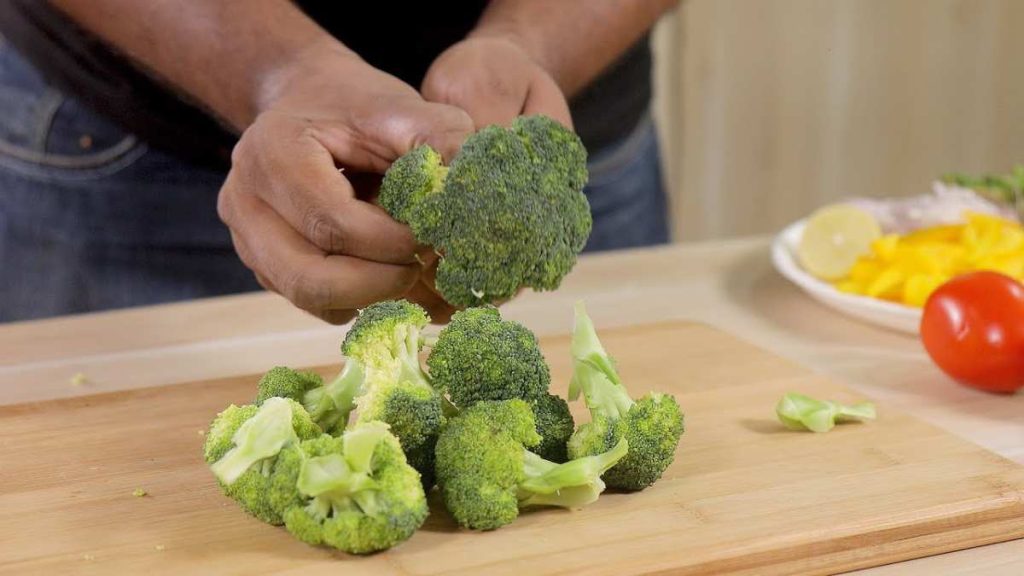
If you've ever wondered what animals eat broccoli, you're not alone. It's one of those questions that pops up when your dog stares at you mid-chop, or when you're putting together a salad and realize your rabbit is watching from the crate. The short answer is that plenty of animals can eat broccoli safely, but it's not one-size-fits-all.
Some species love it, some tolerate it in small amounts, and a few should never touch it.
The stakes here are real. Feeding the wrong food to a pet can cause digestive upset, long-term health problems, or worse. As of 2026, veterinarians and animal nutritionists agree: broccoli is a healthy treat for many animals, but portion size, preparation, and frequency matter far more than most owners realize.
According to the Merck Veterinary Manual, treats of any kind should make up no more than 10% of a pet's daily caloric intake. That rule is a solid starting point, but each species has its own quirks. Let's get into the specifics so you can feed with confidence, not guesswork.
Quick Answer
Many common pets can eat broccoli. Dogs, rabbits, guinea pigs, hamsters, rats, chickens, horses, goats, and bearded dragons all tolerate it in moderation. Cats should never eat broccoli.
Portion size varies wildly by species. Always wash it, cut it small, and serve plain. Introduce any new food slowly and watch for digestive upset.
Why This Matters – Feeding Broccoli Without the Guesswork
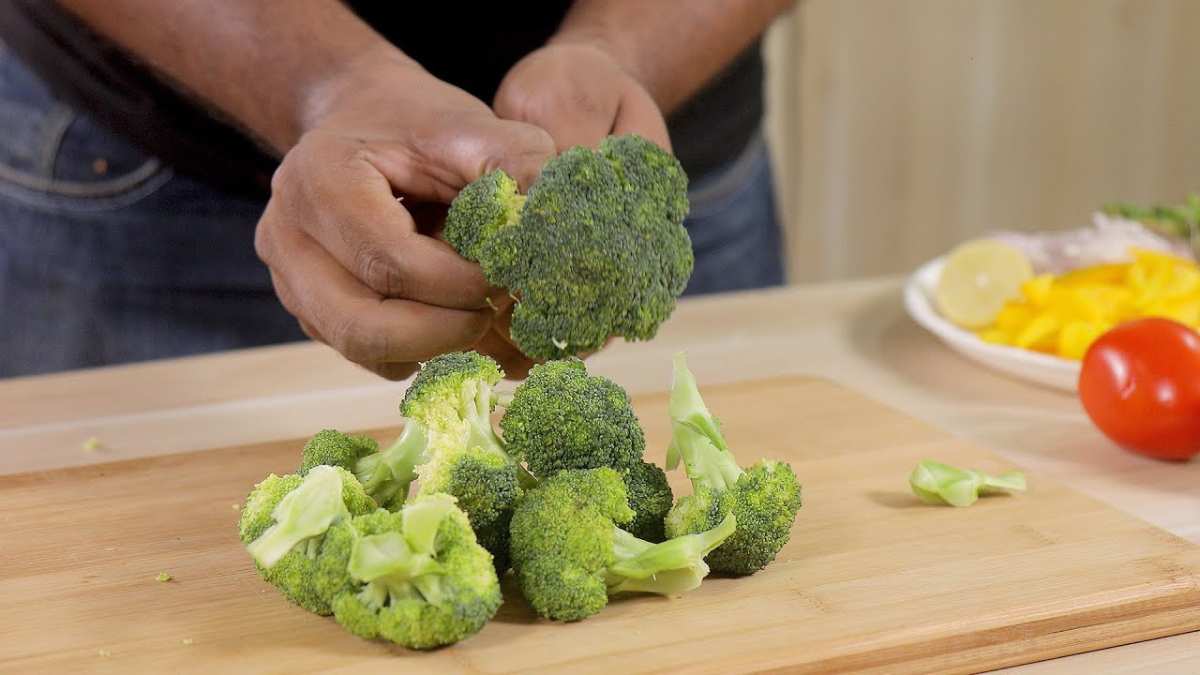
Image source: YouTube / Knot9 (Indian Stock Footage) (YouTube thumbnail (fair-use with source credit))
You might think broccoli is just broccoli. Chop it up, toss it in the bowl, done. But the difference between a healthy treat and a stomach ache often comes down to details most owners overlook.
Broccoli is a cruciferous vegetable, which means it contains compounds called isothiocyanates and goitrogens. In small amounts, these are harmless or even beneficial. In large amounts, especially for small animals, they can interfere with thyroid function or cause painful gas.
That's not to scare you off. Broccoli is genuinely nutritious. It's packed with fiber, vitamin C, vitamin K, and antioxidants like sulforaphane.
For guinea pigs, which cannot produce their own vitamin C, broccoli can be a valuable part of a varied diet. For dogs, the crunch provides dental stimulation and low-calorie satisfaction. The trick is knowing which animals benefit and which ones are better off with a different vegetable.
The American Veterinary Medical Association (AVMA) advises that any treat, including vegetables, should be introduced one at a time. That way, if your pet reacts badly, you know exactly what caused it. This is especially important for small herbivores like rabbits and guinea pigs, whose digestive systems are sensitive to sudden changes.
A slow introduction can save you a vet visit and your pet a lot of discomfort.
This also means you should never assume a food is safe just because it's natural. Many "natural" foods cause problems when fed incorrectly. Broccoli is safe, but only when you match the portion, frequency, and preparation to the animal in front of you.
That's what we're covering here.
Which Animals Actually Eat Broccoli – Quick Safety Check

Image source: YouTube / PawFectWell (YouTube thumbnail (fair-use with source credit))
Let's split this into three groups: animals that can eat broccoli safely, animals that need careful portion control, and animals that should never eat it. This isn't complicated, but it matters.
Safe for Most: Dogs, Rabbits, Guinea Pigs, and More
The largest group of animals that can eat broccoli includes most common household pets and farm animals. Here's the breakdown:
- Dogs, Broccoli is safe in small, bite-sized pieces. Raw or steamed, no seasoning. Too much can cause gas or bloating. A floret or two per day for a medium-sized dog is plenty.
- Rabbits, Yes, but only as an occasional treat. Rabbits thrive on leafy greens and hay. Broccoli is higher in fiber and water, but also contains goitrogens. One or two small florets, two to three times per week, is the safe range.
- Guinea pigs, Absolutely. They need dietary vitamin C, and broccoli provides it. One small floret, two to three times per week. Rotate with bell peppers and leafy greens for balance.
- Hamsters and gerbils, Tiny amounts. A piece the size of your pinky nail, once a week. Too much causes diarrhea.
- Rats and mice, Yes, in small amounts. Rats enjoy the crunch. A small floret every few days is fine.
- Chickens and ducks, Broccoli is a healthy treat. Chop it small so they don't choke. A few florets per bird, a couple times a week.
- Horses, Yes, as an occasional snack. One or two cups, not daily. Too much can cause gas colic.
- Goats, Goats will eat almost anything, and broccoli is fine in moderation. A few florets as a treat.
- Bearded dragons and iguanas, Yes, but only as part of a varied vegetable mix. Chop very fine. Once or twice a week.
- Tortoises (herbivorous species), Broccoli is acceptable but not a staple. Too much can interfere with calcium absorption. Use sparingly.
- Pigs (domestic and miniature), Yes, in small amounts. Pigs love it. A few florets as part of a balanced diet.
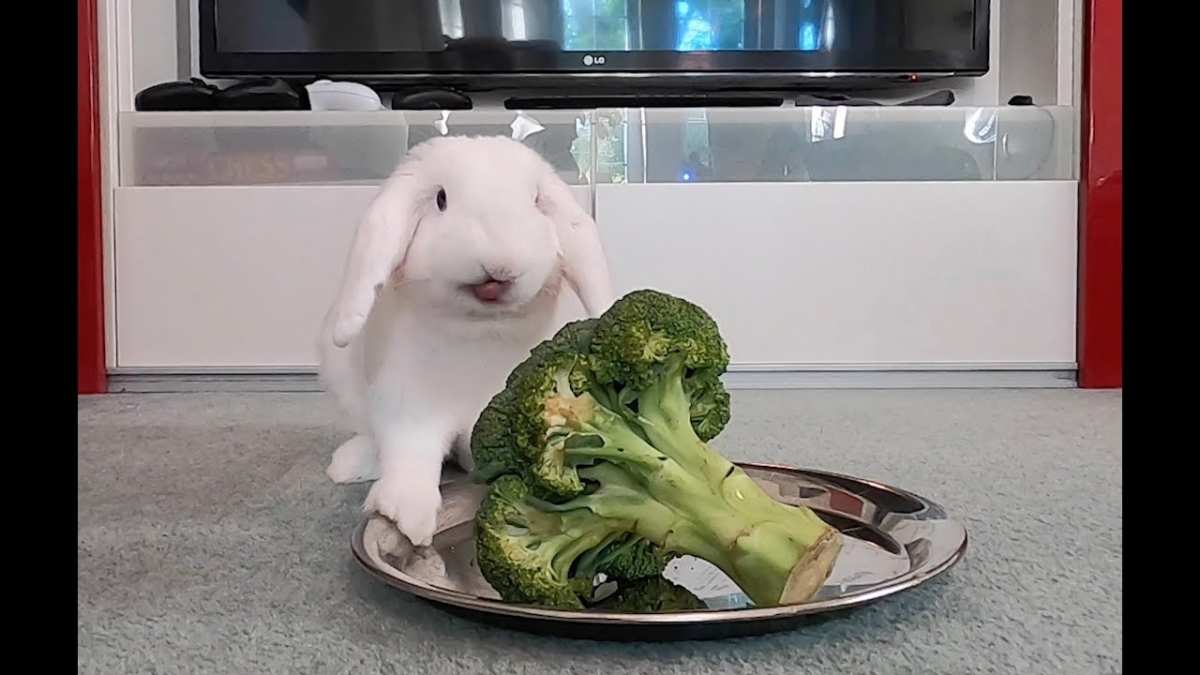
Image source: YouTube / Hello Pinky TV (YouTube thumbnail (fair-use with source credit))
Not Safe: Cats and a Few Exceptions
Cats are the main exception. Cats are obligate carnivores. Their digestive systems are designed for meat, not plant material. Broccoli offers zero nutritional benefit to a cat and can cause digestive upset, vomiting, or diarrhea.
If your cat nibbles a tiny piece, it probably won't cause harm. But it should never be offered intentionally.
Other animals to avoid feeding broccoli to:
- Very young or elderly animals with sensitive digestion
- Animals with known hypothyroidism, broccoli's goitrogenic compounds can worsen the condition
- Wild animals you don't own, feeding wild animals human food can create dependency and health problems
If an animal isn't on the safe list above, do your research before offering broccoli. When in doubt, stick to species-specific commercial diets and consult a veterinarian.
The Core Facts – What Broccoli Offers (and What It Doesn't)
Broccoli gets a lot of hype as a "superfood" for humans, and much of that translates to pets. But the nutritional profile matters differently depending on the species. Here's what's actually inside a raw broccoli floret and why it matters for your animals.
Nutrients That Matter for Pets
| Nutrient | What It Does | Animals That Benefit Most |
|---|---|---|
| Vitamin C | Supports immune function, collagen production | Guinea pigs (cannot produce their own), humans |
| Vitamin K | Blood clotting, bone health | All animals, but dogs and rabbits especially |
| Fiber | Digestive health, gut motility | Rabbits, guinea pigs, horses, rodents |
| Sulforaphane | Antioxidant, anti-inflammatory | Dogs, humans (studied mostly in humans) |
| Water content | Hydration | All animals, especially in hot weather |
For guinea pigs, the vitamin C content is the biggest draw. One small floret provides a meaningful portion of their daily requirement. Rabbits benefit more from the fiber and water content, which supports their delicate digestive tracts.
For dogs, the sulforaphane is the interesting part. Research from institutions like Oregon State University's Linus Pauling Institute has highlighted sulforaphane's potential anti-cancer properties in mammals. While the studies are on humans and lab animals, the same antioxidant pathways exist in dogs.
It's not a cure or a guarantee, but it's a solid reason to include broccoli as part of a varied diet.
When Broccoli is Just Empty Treats
Here's the honest side. For some animals, broccoli offers minimal nutritional value. Cats, as we covered, get nothing from it.
For large animals like horses and cows, the vitamin C and fiber are already supplied by hay and grass. Broccoli becomes a treat for enrichment, not nutrition.
For small rodents like hamsters and gerbils, the water content is high enough that too much can cause loose stools. The fiber is good, but they get enough from their pellet diet. Broccoli is a variety food, not a nutritional necessity.
For reptiles like bearded dragons, broccoli provides some vitamins but also contains oxalates. Oxalates bind to calcium, which can contribute to metabolic bone disease if fed too often. That's why broccoli should be one vegetable among many, not a daily staple.
The bottom line: broccoli is a supplement to a balanced diet, not a replacement. No animal should fill up on broccoli instead of their regular food. Treat it as exactly that, a treat.
Risk Factors – The Real Dangers of Feeding Broccoli
Every year, veterinarians see cases of digestive upset, bloating, and even choking from well-meaning owners feeding broccoli the wrong way. These risks are real but avoidable. Here's what to watch for.
Gas and Bloating in Dogs and Rabbits
Broccoli contains raffinose, a complex sugar that ferments in the gut. In dogs, this causes flatulence and sometimes painful bloating. In rabbits, whose digestive systems are designed for constant movement, gas can lead to GI stasis, a life-threatening condition where the gut stops moving.
How to prevent it:
- Start with a very small piece (the size of a thumbnail for a dog, one floret for a rabbit).
- Steaming the broccoli breaks down some of the raffinose, making it easier to digest.
- Never feed broccoli to a rabbit that already has a sensitive stomach or a history of GI issues.
Thyroid Concerns with Overfeeding
Broccoli is a goitrogenic food. That means it can interfere with the thyroid's ability to absorb iodine. In healthy animals eating small amounts, this is not a problem.
In animals with pre-existing thyroid conditions, or in animals eating large amounts daily, it can suppress thyroid function.
Animals most at risk:
- Rabbits and guinea pigs fed broccoli every day in large portions
- Dogs with hypothyroidism
- Any animal on a low-iodine diet
The fix is simple: rotate vegetables. Don't feed broccoli every single day. Mix it with leafy greens, bell peppers, zucchini, and other safe vegetables.
A varied diet is healthier anyway.
Choking Hazards by Animal Size
Large, raw florets are a choking risk for small animals. Hamsters, gerbils, rats, and even small dogs can struggle with a chunk that's too big. The fibrous stem is especially tough and can get lodged in the throat.
Safe cutting guidelines:
| Animal | Max Piece Size |
|---|---|
| Dog (large) | 1–2 inch pieces |
| Dog (small) | ½ inch pieces |
| Rabbit | 1 small floret, broken apart |
| Guinea pig | 1 small floret, quartered |
| Hamster / gerbil | Piece the size of a pea |
| Chicken / duck | Finely chopped |
| Bearded dragon | Shredded or finely diced |
Pesticides and Spoilage
Conventionally grown broccoli is on the list of produce with moderate pesticide residues. Washing it thoroughly under running water removes most surface residues. Soaking in a vinegar solution (one part vinegar to three parts water) for five minutes is even more effective.
Spoilage is another risk. Broccoli that sits in the fridge too long develops mold and a slimy texture. Never feed broccoli that has visible mold, a strong smell, or a soft, mushy texture.
Spoiled broccoli can cause food poisoning in animals, just like in humans.
Storage tip: Store unwashed broccoli in a loose plastic bag in the fridge. Wash it right before feeding. This keeps it fresh longer and reduces the risk of mold.
Safe Serving Sizes – How Much Broccoli by Animal
Image source: YouTube / MetaVine Labs (YouTube thumbnail (fair-use with source credit)
Portion size is the single most important factor when feeding broccoli. Too much causes gas, diarrhea, or worse. Too little is harmless but offers no real benefit.
The chart below gives you a starting point based on animal type and weight.
| Animal | Safe Portion | Frequency | Notes |
|---|---|---|---|
| Dog (small, under 20 lbs) | 1 small floret, chopped | 2–3 times per week | Steam if sensitive to gas |
| Dog (medium, 20–50 lbs) | 2 small florets | 2–3 times per week | Watch for bloating |
| Dog (large, over 50 lbs) | 3–4 florets | 2–3 times per week | Not daily |
| Rabbit (all sizes) | 1 small floret, broken into pieces | 2–3 times per week | Never daily |
| Guinea pig | 1 small floret, quartered | 2–3 times per week | Rotate with bell peppers for vitamin C |
| Hamster / gerbil | 1 piece the size of a pea | Once a week | Remove any uneaten within a few hours |
| Rat / mouse | 1 small floret piece | Every 2–3 days | Can cause loose stools if too much |
| Chicken / duck | 1–2 florets, finely chopped | 2–3 times per week | Scatter to encourage foraging |
| Horse | 1–2 cups, chopped | Once or twice a week | Not for horses prone to colic |
| Bearded dragon | 1–2 small pieces, finely diced | Once a week | Part of a varied salad |
| Tortoise (herbivorous) | A few small pieces | Once a week | Not a staple |
The 10% rule applies across the board. Treats of all kinds should make up no more than 10% of an animal's daily calories. For a guinea pig eating about 60 calories per day, that means a maximum of 6 calories from treats.
One small broccoli floret is roughly 2, 3 calories. Easy math.
Start on the low end. Give a single tiny piece the first time. Wait 24 hours.
If no gas, diarrhea, or changes in behavior, you can slowly increase to the portion above. If anything seems off, stop and try a different vegetable.
How to Prepare Broccoli for Your Pet – Step by Step
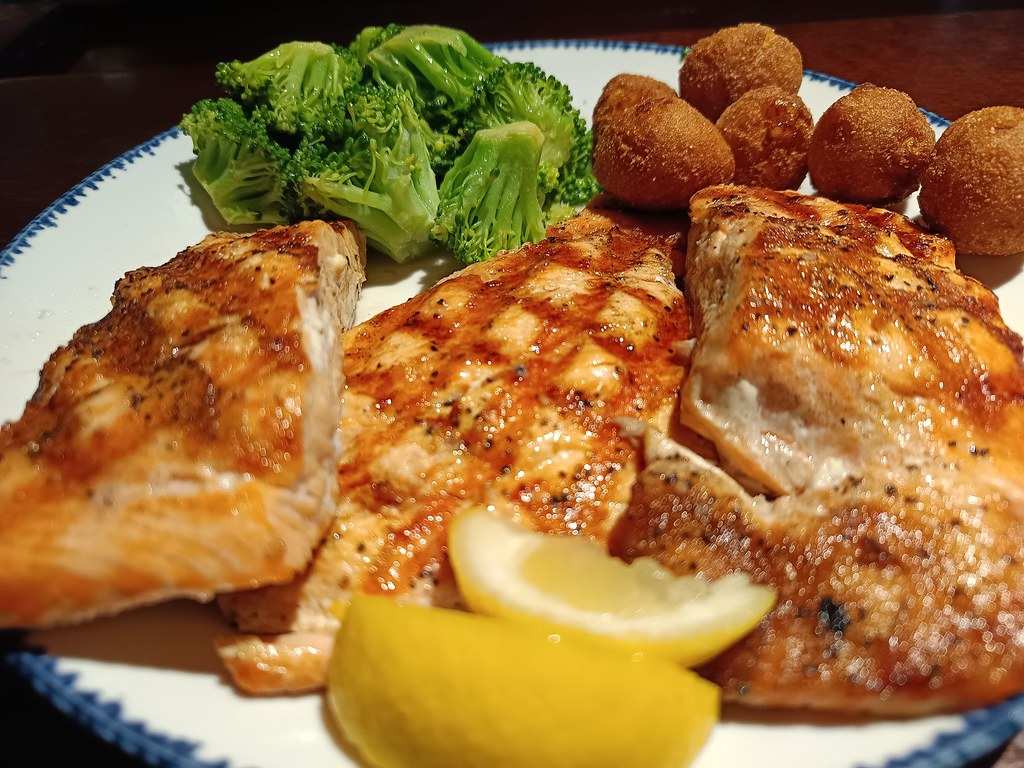
Image source: Openverse / Red Lobster Lover Joe twitter:RLLoverJoe (PDM 1.0)
Preparation is straightforward but not optional. The way you cut and cook broccoli changes how safe and digestible it is for different animals.
Step 1: Wash thoroughly. Run cold water over the head. Rub the florets gently to remove dirt and surface pesticides. A vinegar soak (1 part vinegar, 3 parts water) for 5 minutes helps if you're concerned about residues.
Rinse again.
Step 2: Trim the stem. The stem is tougher and higher in fiber. For small animals, cut it off completely. For dogs and larger animals, you can slice it into thin rounds.
The stem isn't toxic, but it's a choking hazard for small mouths.
Step 3: Cut to size. Use the size guide above. For rabbits and guinea pigs, break florets into tiny pieces. For hamsters, shred it with your fingers.
Large chunks are dangerous.
Step 4: Decide on raw vs. steamed. Raw broccoli retains more nutrients, especially vitamin C. Steaming (3, 5 minutes) breaks down raffinose, reducing gas. Do not boil, microwave, or roast with oil or salt.
Plain steamed or raw only.
Step 5: Serve at room temperature. Cold broccoli directly from the fridge can cause stomach cramping in sensitive animals. Let it sit for a few minutes after cutting.
Storage: Any leftover prepared broccoli goes in an airtight container in the fridge. Use within 2 days. Discard any that becomes slimy or smells off.
Never leave uneaten broccoli in your pet's enclosure for more than 4 hours.
Common Mistakes Owners Make – And How to Avoid Them
Even with good intentions, people slip up. Here are the most common mistakes we see in online forums and vet clinics, and how to avoid each one.
Feeding too much too fast. This is the #1 mistake. Owners see their dog or rabbit gobble a floret and assume they want more. The animal doesn't know its limits.
You do. Stick to the portion chart above, even if they beg.
Feeding broccoli every day. Daily feeding increases the risk of thyroid interference and digestive issues. Rotate broccoli with other safe vegetables: bell peppers, zucchini, cucumber, leafy greens. Variety prevents nutrient imbalances and keeps your pet interested.
Ignoring the gas warning. If your dog is gassy after broccoli, don't push through. Switch to steamed broccoli, which is gentler. If that still causes problems, choose a different treat altogether.
Not every animal tolerates cruciferous vegetables well.
Feeding the wrong part. The stem is fine for large dogs but dangerous for small rodents. The leaves are edible and nutritious for rabbits and guinea pigs, but many owners throw them away. Know which parts are safe for your specific animal.
Forgetting to wash. Conventionally grown broccoli can carry pesticide residues. Organic broccoli reduces that risk but still needs rinsing for dirt and tiny insects that hide in the florets.
Adding seasonings or oil. This is a hard no. Salt, garlic, onion powder, butter, or any cooking oil can make your pet sick. Plain broccoli only.
If you wouldn't feed it to a baby, don't feed it to your pet.
When to Call a Vet – Signs of Trouble
Most animals tolerate broccoli just fine. But complications happen. Knowing when to seek help can prevent a minor issue from turning serious.
Call your vet immediately if you see:
- Repeated vomiting or diarrhea that lasts more than 12 hours
- Signs of bloat in rabbits or dogs (a swollen, hard belly, pacing, drooling, or unproductive retching)
- Choking or coughing after eating (the piece may be lodged)
- Lethargy or loss of appetite that persists more than a day
- Blood in stool
For rabbits specifically, watch for GI stasis. Symptoms include small or no droppings, hunched posture, grinding teeth, or refusing food. This is an emergency.
Call your vet or an emergency exotics clinic right away.
For dogs, if your dog eats a whole head of broccoli that you left unattended, monitor for vomiting and bloating. A large amount can cause gastrointestinal obstruction. The Merck Veterinary Manual notes that any foreign body obstruction requires prompt veterinary intervention.
When in doubt, call. Most vets are happy to answer a quick question over the phone. It's better to ask than to wait and see.
Verified Summary – The Simple Rules for Feeding Broccoli
Let's pull everything together into a set of clear, actionable rules. If you follow these, you're feeding broccoli safely.
- Only feed broccoli to animals on the safe list. Cats and animals with thyroid issues are not on it.
- Wash it, cut it small, serve it plain. No exceptions.
- Stick to the portion chart. Treats are 10% of daily calories maximum.
- Start with a tiny piece. Wait 24 hours before giving more.
- Steam it if your pet has a sensitive stomach. Raw is fine for most.
- Rotate vegetables. Don't feed broccoli every day.
- Discard spoiled or moldy broccoli immediately.
- Watch for gas, bloating, or behavior changes. Stop feeding if anything seems off.
- Call a vet if symptoms persist or worsen.
Broccoli is a healthy treat for many animals. It's not a miracle food, and it's not dangerous when used correctly. The key is treating it like what it is: a supplement to a complete, species-appropriate diet.
Keep portions small, preparation simple, and variety high. Your pet will enjoy the crunch, and you can feel good about giving it.
Frequently Asked Questions
Can my dog eat broccoli every day?
No, and it's not a good idea. Daily feeding increases the risk of gas, bloating, and thyroid interference over time. Two to three times per week is plenty.
Rotate with other vegetables like green beans, carrots, or cucumber for variety.
Is broccoli safe for pregnant rabbits?
Yes, in small amounts. The same portion rules apply: one small floret, two to three times per week. Stick to steamed broccoli to reduce gas risk.
If your rabbit has never had broccoli before, pregnancy is not the time to introduce new foods. Wait until after the litter arrives.
What if my cat accidentally ate broccoli?
Don't panic. A tiny piece of plain broccoli is unlikely to cause serious harm. Your cat might vomit or have loose stools.
If symptoms persist more than 24 hours or seem severe, call your vet. Do not offer broccoli again intentionally.
Can guinea pigs eat broccoli stems?
Yes, but the stems are tougher and higher in fiber. Cut them into very small pieces to avoid choking. The leaves are also safe and nutritious.
Many guinea pigs prefer the softer florets, so don't force the stem if they leave it.
Is frozen broccoli as good as fresh?
Yes, as long as it's plain frozen broccoli with no added salt, sauces, or seasonings. Thaw it completely and serve at room temperature. Frozen broccoli is often flash-frozen at peak freshness, so it retains most of its nutrients.
Can horses eat broccoli stalks?
Horses can eat the stalks, but chop them into small rounds to prevent choking. The stalks are tougher and take longer to chew. Start with a few pieces and watch for any signs of colic or gas.
Not all horses tolerate broccoli well.