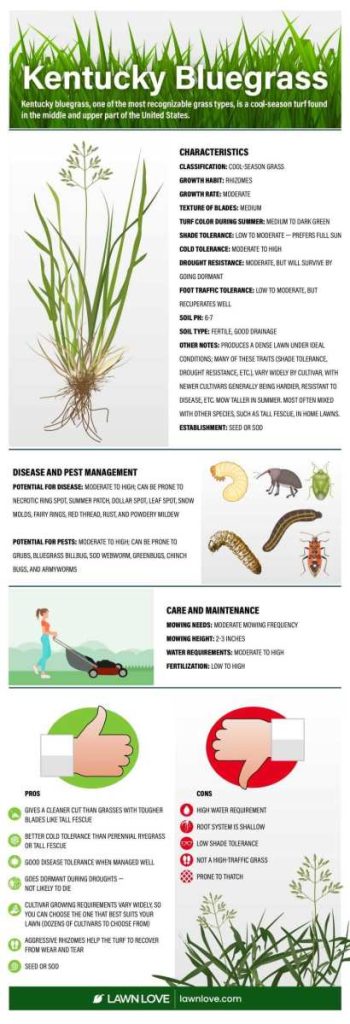
For lush, vibrant Kentucky bluegrass, regular watering, proper mowing, and timely fertilization are key. Keep an eye out for pests and diseases, and aerate your lawn when needed to promote healthy root growth. These simple steps will ensure your grass stays thick, green, and resilient all season long.
To treat Kentucky bluegrass effectively, focus on maintaining optimal soil conditions, watering deeply but infrequently, and providing the right nutrients. Proper mowing height and aeration help improve overall health, while addressing pests and diseases promptly keeps your lawn looking its best.
If you’re wondering how to keep Kentucky bluegrass thriving, the secret lies in consistent care and attention. This type of grass can be very rewarding when managed correctly, offering a soft, dense, and beautiful landscape. Whether you’re a seasoned gardener or a weekend landscaper, understanding its needs and following some basic maintenance routines will give you a stunning yard that stands out. Kentucky bluegrass loves well-drained soil, adequate watering, and periodic fertilization, making it important to stay proactive in your lawn care regime. The right approach ensures your grass remains healthy, resilient, and picture-perfect all year round.

How to Treat Kentucky Bluegrass
Kentucky bluegrass is a popular choice for lawns because of its lush green color and soft texture. Proper care is essential to keep it healthy, vibrant, and resilient against pests and weather challenges. In this guide, we will explore how to treat Kentucky bluegrass effectively, covering watering, fertilizing, mowing, aerating, and pest control.
Understanding Kentucky Bluegrass
Kentucky bluegrass, or *Poa pratensis*, thrives in temperatures between 60°F and 75°F. It has a dense growth habit, creating a carpet-like appearance. This grass type prefers well-drained soil but can tolerate some shade.
Knowing its growth patterns helps in applying the right treatments. It spreads through rhizomes, which means it recovers quickly from damage if properly maintained.
Watering Practices for Kentucky Bluegrass
Proper watering is key to healthy Kentucky bluegrass. It requires about 1 to 1.5 inches of water weekly, depending on weather conditions.
- Deep watering encourages roots to grow deeply into the soil. Water until the moisture reaches about 6 inches deep.
- Frequency depends on rainfall and temperature. During hot, dry weather, increase watering frequency.
- Avoid overwatering, which can lead to shallow roots and disease issues like fungus.
Use a rain gauge or a soil moisture meter to keep track of moisture levels. Water early in the morning to reduce evaporation and fungal growth.
Fertilizing Kentucky Bluegrass
Fertilizer helps Kentucky bluegrass stay green and vigorous. The best schedule is applying fertilizer in early spring, late spring, late summer, and fall.
| Type of Fertilizer | Timing | Application Tips |
|---|---|---|
| Nitrogen-rich fertilizer | Spring and fall | Apply evenly across the lawn to avoid burning |
| Slow-release nitrogen | Once or twice during the growing season | Helps maintain consistent color and growth |
Avoid fertilizing during the hottest part of summer or winter dormancy. Too much fertilizer can cause thatch buildup and increase disease risk.
Mowing Tips for Kentucky Bluegrass
Mowing height greatly influences the health of your lawn. For Kentucky bluegrass, aim to cut at around 2.5 to 3.0 inches.
- Keep mower blades sharp to prevent tearing and stress.
- Regular mowing encourages dense growth, which outcompetes weeds.
- Do not remove more than one-third of the grass height at a time to avoid stress.
During hot weather, raising the mower height can provide shade to the roots and improve drought tolerance.
aeration and Overseeding
Aerating helps improve soil compaction, enhances water and nutrient penetration, and promotes healthy root growth.
When to aerate
Aerate in early spring or fall when the grass is actively growing.
How to aerate
Use a spike or core aerator to remove small plugs from the soil, especially in compacted areas. Follow up with overseeding to fill in bare patches and improve lawn density.
Pest and Disease Control
Kentucky bluegrass is susceptible to several pests and diseases, including fungal infections, grubs, and dollar spot.
Preventative measures
- Water early in the morning to reduce moisture that fungi love.
- Apply fungicides at first signs of disease, following manufacturer instructions.
- Maintain proper mowing, watering, and fertilization to strengthen grass resistance.
Managing pests
Inspect regularly for signs of grubs or other insects. Use appropriate granular or liquid insecticides if pests appear.
Dealing with Thatch
Thatch is a layer of dead grass roots and stems between the soil and green blades. Excessive thatch can prevent water and nutrients from reaching roots.
- Aeration is an effective method to reduce thatch buildup.
- Removing debris and thatch manually can help in problem areas.
- Apply dethatching or power raking if thatch exceeds half an inch.
Seasonal Care for Kentucky Bluegrass
Each season requires specific treatments to keep the lawn healthy.
Spring
Start with dethatching if necessary and apply a light fertilization. Reseed bare patches and begin regular watering routines.
Summer
Mow higher during hot months, water deeply but infrequently, and watch for pests and diseases.
Fall
Apply a fall fertilizer to promote root growth, aerate, and overseed for a thick winter-ready lawn.
Winter
Avoid foot traffic on frozen grass and keep off the lawn if snow or frost is present. Prepare for spring by planning treatments and aeration.
Additional Tips for Healthy Kentucky Bluegrass
– Maintain a consistent watering schedule to reduce stress.
– Aerate annually to loosen compacted soil.
– Fertilize appropriately based on soil test results.
– Control pests and diseases promptly to prevent spread.
– Overseed every few years to maintain lawn density.
Regular maintenance and attentive care help Kentucky bluegrass stay lush and green all season long. Proper treatment significantly extends its durability and beauty, making your lawn the envy of the neighborhood.
Kentucky Bluegrass Care | DoMyOwn.com
Frequently Asked Questions
What is the best time of year to fertilize Kentucky bluegrass?
The ideal time to fertilize Kentucky bluegrass is during its active growing seasons in early spring and late summer to early fall. Applying a balanced fertilizer with adequate nitrogen encourages healthy growth and dense turf. Avoid fertilizing during the winter months when the grass enters dormancy, as this can lead to unnecessary stress or disease issues.
How can I control drought stress on my Kentucky bluegrass lawn?
To prevent drought stress, water your Kentucky bluegrass deeply and infrequently, typically once a week, ensuring the soil penetrates about 6 to 8 inches deep. Water early in the morning to minimize evaporation and allow the grass to dry during the day. Maintaining proper mowing height and avoiding excessive foot traffic also helps the grass develop a resilient root system that withstands dry conditions.
What are effective techniques for dealing with pests or diseases in Kentucky bluegrass?
To manage pests and diseases, start by regularly inspecting your lawn for signs of trouble, such as discoloration or thinning spots. Promote a healthy lawn through proper fertilization, watering, and mowing practices. If pests are present, identify them accurately and use targeted treatments, such as appropriate insecticides or organic methods. For diseases, apply fungicides as recommended and remove affected grass to prevent spread, ensuring good air circulation around your turf.
How often should I mow Kentucky bluegrass for optimal health?
Maintain Kentucky bluegrass by mowing it regularly to keep the height around 2.5 to 3.5 inches. Mow when the grass reaches about one-third taller than the desired height to prevent stress and promote even growth. During peak growing seasons, mow weekly, but reduce frequency in cooler, slower-growth periods. Always keep your mower blades sharp to produce clean cuts that reduce stress and minimize disease risk.
Final Thoughts
Pour traiter efficacement le Kentucky bluegrass, commencez par l’arrosage régulier, surtout lors de périodes de sécheresse. Fertilisez au printemps et à l’automne pour favoriser la croissance. Taillez-le pour enlever les herbes mortes et encourager une pelouse saine.
Ajustez la fertilisation et l’arrosage selon les saisons pour maintenir une pelouse verte et dense. La lutte contre les mauvaises herbes et les parasites doit être constante.
En résumé, comment traiter Kentucky bluegrass implique un entretien régulier, une fertilisation adaptée et de bonnes pratiques d’arrosage. Ces actions garantissent une pelouse saine et attrayante.