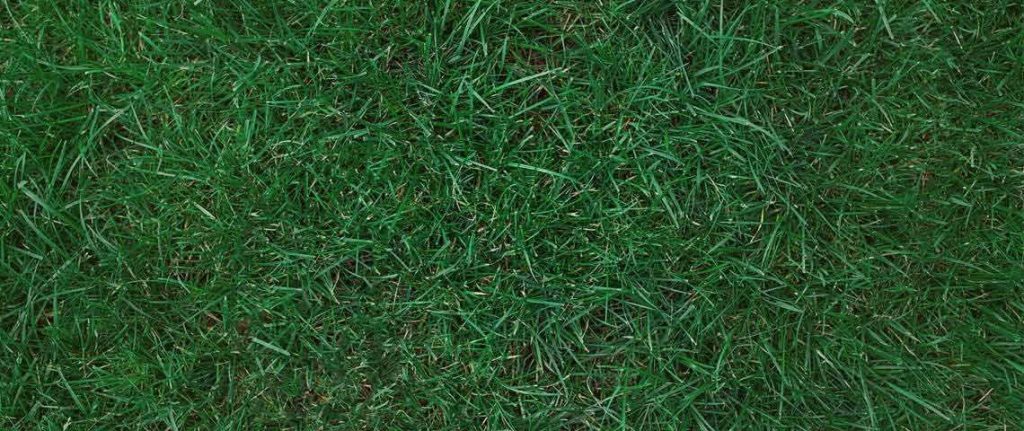
Kentucky bluegrass is the secret to creating a lush, green lawn that everyone will envy. It’s highly prized for its beautiful appearance and durability, making it a top choice for homeowners and landscapers alike. If you’re wondering what Kentucky bluegrass is best for, it’s primarily used for establishing dense, attractive turf that thrives in cooler climates, provides excellent recovery from wear, and offers a pristine look with minimal maintenance.
In short, Kentucky bluegrass is ideal for creating a vibrant, resilient lawn that stays lush through the seasons. Its rapid recovery ability and fine-textured blades make it perfect for residential lawns, sports fields, and parks, where durability and visual appeal are essential.
This grass type is particularly well-suited for areas with moderate rainfall and cooler temperatures, thriving in well-drained soils. Known for its rich color and soft feel underfoot, it is often chosen for its aesthetic appeal. Additionally, Kentucky bluegrass forms a dense mat that helps suppress weeds and reduce soil erosion, making it a practical choice for both beauty and functionality. Whether you’re aiming for a picture-perfect yard or a durable pasture, Kentucky bluegrass offers versatility and resilience that can elevate your outdoor space.

What is Kentucky Bluegrass Good For
Introduction to Kentucky Bluegrass
Kentucky bluegrass is a popular turfgrass known for its lush green color and dense growth. It is especially common in lawns, parks, and sports fields across many regions. This grass type is celebrated for its ability to create a beautiful and durable lawn.
Ideal Uses for Kentucky Bluegrass
Kentucky bluegrass is best suited for areas that require a soft, attractive surface that can withstand regular foot traffic. Its resilient nature makes it a top choice for sports fields and recreational lawns. It is also favored for residential yards due to its appealing appearance.
Why People Choose Kentucky Bluegrass
People select Kentucky bluegrass because of its rich, vibrant color and its ability to recover quickly after damage. Its fine texture gives lawns a smooth, uniform look. Additionally, it offers excellent tolerance to cold weather, making it perfect for cooler climates.
Sports and Recreation Fields
Because Kentucky bluegrass develops a dense and resilient turf, it is well-suited for sports fields such as soccer, football, and golf courses. The grass provides a soft surface that can absorb impacts, reducing injuries. Its ability to recover quickly from wear allows fields to stay playable and attractive.
Durability and Wear Tolerance in Sports Fields
Kentucky bluegrass holds up well against heavy foot traffic, making it ideal for areas with frequent use. Its deep roots help it recover from divots and compacted soil. This resilience ensures fields remain safe and visually appealing throughout the season.
Maintenance in Sports Areas
While Kentucky bluegrass requires regular mowing, watering, and fertilizing, its fast recovery reduces long-term maintenance costs. Proper aeration and overseeding can keep the turf healthy and dense over time.
Best Use in Residential Lawns
Homeowners love Kentucky bluegrass for its lush appearance and soft texture. It adds curb appeal to any property and provides a comfortable space for outdoor activities. Its ability to adapt to various soil types makes it a versatile choice.
Creating a Beautiful Lawn
Kentucky bluegrass offers a vibrant, deep-green color that enhances the overall look of a yard. Its fine blades create a smooth surface suitable for playing and relaxing. Regular watering and fertilization keep the grass healthy and vigorous.
Environmental Benefits in Yards
This grass also helps improve air quality by trapping dust and pollutants. Its dense root system prevents soil erosion and promotes soil health. Kentucky bluegrass can also support local wildlife by providing habitat and food.
Soil and Climate Compatibility
Kentucky bluegrass thrives in well-drained, fertile soils. It prefers cooler climates with moderate rainfall but can adapt to warmer regions with proper care. Its adaptability makes it suitable for many geographic areas.
Optimal Growing Conditions
For the best results, Kentucky bluegrass needs full sunlight and consistent moisture. It grows best in soil pH levels between 6.0 and 7.0. Regular fertilization and aeration support healthy development.
Challenges in Certain Climates
In hot, humid climates, Kentucky bluegrass may struggle with heat stress and disease. Proper watering and disease prevention strategies can help maintain a healthy turf in these regions. Overseeding with more heat-tolerant grasses can also be beneficial.
Fertilization and Care
Kentucky bluegrass responds well to regular fertilization. Applying nitrogen-rich fertilizers encourages vigorous growth and maintains its bright green color. Proper mowing heights and watering schedules are essential for optimal health.
Fertilizer Tips
Use a balanced fertilizer with nitrogen, phosphorus, and potassium. Applying fertilizer in early spring and late fall helps sustain growth. Avoid over-fertilizing, which can cause thatch buildup and disease.
Mowing and Watering Practices
Keep the mower blades at about 2.5 to 3 inches tall. Water deeply but infrequently to promote deep root growth. Proper irrigation encourages drought resistance and overall turf health.
Resilience and Recovery
One of the main advantages of Kentucky bluegrass is its ability to recover from damage. Its spreading rhizomes allow it to fill in bare spots quickly. This trait makes it valuable for repairing worn-out lawns or patching up damaged areas.
Overseeding and Repair
Overseeding with Kentucky bluegrass helps establish a dense, uniform lawn. It can fill in bare patches caused by pests, drought, or heavy traffic. Regular overseeding ensures the turf remains thick and healthy.
Resistance to Pests and Diseases
Kentucky bluegrass has moderate resistance to pests like grubs and insects. It can also handle common diseases such as rust and leaf spot when properly maintained. Good lawn management minimizes these problems.
Environmental Impact and Sustainability
Kentucky bluegrass contributes to a healthier environment by reducing soil erosion and improving soil structure. It also helps to filter pollutants and provide shade, helping lower temperatures in urban areas.
Water Conservation Tips
Flexibility in watering schedules and drought-resistant practices help conserve water. Using proper irrigation techniques ensures the grass remains healthy without excessive water use.
Reducing Chemical Use
Choosing organic fertilizers and organic pest control methods can reduce chemical runoff. Healthy, dense turf is naturally more resistant to pests and weeds, lowering the need for chemicals.
Related Topics and Alternatives
Other popular grasses for specific uses include perennial ryegrass for quick germination and tall fescue for drought tolerance. Combining Kentucky bluegrass with other grasses can create a more resilient and low-maintenance lawn.
Mixing Grasses for Better Performance
Turf mixes often contain Kentucky bluegrass, perennial ryegrass, and fine fescues. These blends provide a balance of color, texture, and durability, suited for various climates and uses.
Comparing Kentucky Bluegrass to Other Grass Types
Compared to Bermuda or St. Augustine grass, Kentucky bluegrass offers a finer texture and better cold tolerance. However, it requires more maintenance in hot regions, making proper selection crucial.
Kentucky bluegrass’s adaptability, aesthetic appeal, and resilience make it a versatile choice for many outdoor spaces. It creates soft, durable lawns ideal for sports, recreation, and residential use. Its ability to recover quickly from damage and withstand various environmental stresses highlights its importance as a top turfgrass option. When cared for properly, Kentucky bluegrass can provide a beautiful, functional, and environmentally friendly yard or field for years to come.
Kentucky Bluegrass Pros and Cons
Frequently Asked Questions
What are the benefits of using Kentucky bluegrass for athletic fields?
Kentucky bluegrass provides a dense and resilient turf that can withstand heavy foot traffic, making it ideal for athletic fields. Its quick recovery rate helps maintain a smooth surface, reducing the risk of injuries for athletes. Additionally, its fine texture and lush appearance enhance the overall aesthetics of sports grounds.
How does Kentucky bluegrass contribute to environmental sustainability?
Kentucky bluegrass is known for its deep root system, which helps prevent soil erosion and improves water retention. It requires relatively less water and fertilizers compared to other grasses, making it a more environmentally friendly choice. Its ability to thrive in cooler climates also means less dependence on chemical treatments.
In what types of residential landscapes is Kentucky bluegrass most beneficial?
Kentucky bluegrass works well in residential lawns where a durable, attractive green space is desired. It adapts well to yard areas that experience regular use, offering a soft, inviting surface. Proper maintenance, such as mowing and watering, ensures its longevity and keeps the lawn healthy.
Why is Kentucky bluegrass suitable for shade lawns?
Kentucky bluegrass tolerates partial shade better than many other grass varieties. It maintains its green color and density even when not exposed to full sunlight, making it a practical choice for shaded areas in yards or gardens.
How does Kentucky bluegrass perform in colder climates?
Kentucky bluegrass remains active and maintains its vibrant appearance during colder months. Its cold-tolerant nature allows it to survive in northern regions, providing year-round greenery when properly cared for. This resilience makes it a popular choice for lawns in temperate zones.
Final Thoughts
Kentucky bluegrass is an excellent choice for creating lush, healthy lawns. It thrives in cooler climates and offers excellent drought resistance. This grass type also recovers quickly from damage, making it ideal for high-traffic areas.
What is Kentucky bluegrass good for? It provides a beautiful, durable surface perfect for family activities and outdoor entertainment. Its vibrant green color enhances curb appeal and adds value to any property.