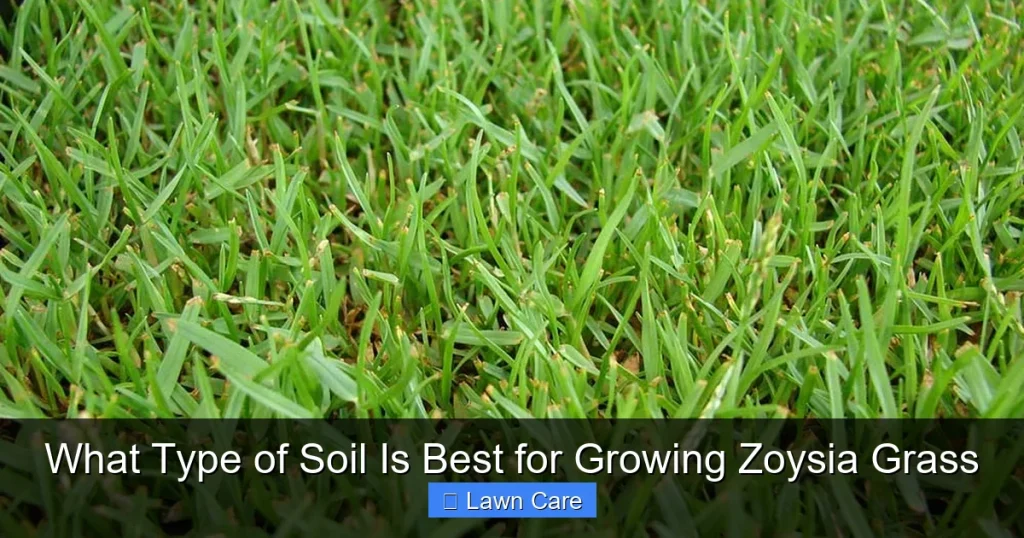
Zoysia grass thrives in well-draining soil with a slightly acidic to neutral pH. Loamy or sandy loam soils are ideal, providing a good balance of moisture retention and aeration. Avoiding compacted or waterlogged conditions is crucial for healthy Zoysia growth.
So, you’ve decided to go with Zoysia grass for your lawn! That’s a fantastic choice. Zoysia is known for its beautiful, dense, and resilient turf. It’s a warm-season grass that can handle heat, drought, and even heavy foot traffic once established. But to get that picture-perfect lawn, you need to give it the right foundation. And that foundation starts with the soil.
Many people focus on the grass seed or sod itself, or perhaps the watering and fertilizing schedule. While those are important, the soil is where it all begins. Think of it like building a house – you wouldn’t start with a flimsy foundation, right? The same goes for your lawn. The right type of soil provides the essential nutrients, water, and air that your Zoysia grass needs to truly flourish. So, let’s dive into what kind of soil is best for growing Zoysia grass, and how you can make sure your lawn has the best possible start.
### Understanding Zoysia’s Soil Needs
Zoysia grass, like most plants, has specific preferences when it comes to its growing environment. It’s not overly picky, but giving it what it likes will result in a much healthier and more vibrant lawn. The key factors we’re looking at are soil structure, drainage, pH, and nutrient content. Let’s break these down.
#### Soil Structure: The Foundation of Growth
When we talk about soil structure, we’re referring to how the soil particles (sand, silt, and clay) are arranged. This arrangement affects how well air and water can move through the soil, and how easily roots can penetrate.
* Loamy Soil: This is often considered the gold standard for many types of grasses, and Zoysia is no exception. Loamy soil is a balanced mix of sand, silt, and clay. It has good drainage, meaning water doesn’t just sit on the surface. It also retains enough moisture to keep the grass hydrated, and it has enough pore space for air to reach the roots.
* Sandy Loam: This type of soil has a bit more sand than a true loam, giving it excellent drainage. It warms up quickly in the spring, which is beneficial for warm-season grasses like Zoysia. While it drains very well, it might require slightly more frequent watering and fertilization because nutrients can leach out faster. However, for Zoysia, the superior drainage often outweighs this slight disadvantage.
* Clay Soil: Many homeowners have clay soil, which is made up of very fine particles. While clay soil can be very fertile and retain moisture well, it often suffers from poor drainage and compaction. This can be a problem for Zoysia grass, as it doesn’t like to sit in waterlogged conditions. Roots can struggle to penetrate dense clay, leading to shallow root systems. If you have primarily clay soil, amendments will likely be necessary.
* Sandy Soil: Pure sandy soil drains very quickly. This means it dries out fast and doesn’t hold onto nutrients very well. While Zoysia can tolerate sandy soil better than some other grasses, you’ll need to be diligent with watering and feeding to keep it healthy.
For Zoysia grass, the goal is a soil that offers a good balance. You want it to hold some moisture, but not become soggy. You want it to be loose enough for roots to grow, but not so loose that it can’t support the turf.
#### The Crucial Role of Drainage
This is perhaps the most critical factor for Zoysia grass. Zoysia is a warm-season grass, meaning it thrives in warmer temperatures and can go dormant in cooler weather. However, its roots are very susceptible to damage from waterlogged conditions, especially during cooler periods or when it’s trying to go dormant. Poor drainage can lead to fungal diseases, root rot, and overall decline of the grass.
* Why Drainage is Paramount: When soil stays saturated, it deprives the roots of oxygen. This “suffocation” weakens the grass. Furthermore, standing water creates an environment where disease-causing fungi can flourish. Zoysia, with its dense growth habit, can sometimes exacerbate drainage issues if the underlying soil is already problematic.
* Identifying Poor Drainage: Signs of poor drainage include standing water on your lawn for more than a few hours after rain, soggy soil that remains wet for days, and unhealthy or discolored patches of grass. If you can easily push a screwdriver into the soil to a good depth, it’s likely well-drained. If it’s very difficult, or the soil is like cement, drainage is probably an issue.
* Improving Drainage: If you have heavy clay soil or compacted areas, you’ll need to focus on improving drainage. This can involve amending the soil with organic matter, such as compost, to break up the clay particles and create better pore space. In severe cases, you might need to consider more involved solutions like installing a French drain or regrading the lawn. For anyone dealing with these issues, learning about what is the best drainage solution for clay soil lawns can be a lifesaver.
#### Soil pH: The Chemical Balance
Soil pH refers to how acidic or alkaline your soil is. This might seem like a technical detail, but it’s incredibly important because it affects how well your Zoysia grass can absorb nutrients from the soil.
* Zoysia’s Preferred Range: Zoysia grass generally prefers a slightly acidic to neutral pH. The ideal range is typically between 6.0 and 7.0.
* What Happens Outside the Ideal Range: If your soil is too acidic (low pH) or too alkaline (high pH), certain essential nutrients become unavailable to the grass, even if they are present in the soil. For example, in very acidic soils, aluminum and manganese can become too soluble and toxic to the plant. In very alkaline soils, iron and manganese can become less available. This can lead to nutrient deficiencies, weak growth, and increased susceptibility to diseases.
* Testing Your pH: The best way to know your soil’s pH is to get a soil test. You can purchase DIY kits, or send a sample to your local cooperative extension office for a more comprehensive analysis. They can tell you your exact pH and recommend specific amendments to adjust it if necessary.
* Adjusting pH: If your soil is too acidic, you can add lime to raise the pH. If it’s too alkaline, you can add elemental sulfur to lower the pH. Always follow the recommendations from your soil test report carefully, as adding too much of these amendments can also cause problems. Understanding what is the best soil type for a healthy lawn involves considering this vital pH factor.
#### Nutrient Content and Organic Matter
While Zoysia grass is quite hardy, it still needs nutrients to thrive. The soil provides these essential building blocks for healthy growth, deep roots, and vibrant color.
* Key Nutrients: Nitrogen, phosphorus, and potassium are the macronutrients most critical for grass growth. Zoysia will also benefit from micronutrients like iron, which contributes to its deep green color.
* Organic Matter: This is decomposed plant and animal material, and it’s a powerhouse for soil health. Organic matter improves soil structure, enhances water retention (especially in sandy soils), improves drainage (especially in clay soils), and provides a slow release of nutrients. Aim to incorporate compost into your soil before planting Zoysia. This will give your new lawn a significant boost.
* Fertilizing Zoysia: Once your Zoysia grass is established, you’ll likely need to fertilize it periodically. For warm-season grasses like Zoysia, it’s often best to fertilize during its active growing season, which is late spring through summer. Look for fertilizers that are specifically formulated for warm-season grasses. For more on this, you can check out guides on what type of fertilizer is best for warm season grasses.
### Preparing Your Soil for Zoysia
Once you understand Zoysia’s ideal soil conditions, the next step is to prepare your existing soil to meet those needs. This is a crucial phase that will set your lawn up for success.
#### Step 1: Soil Testing
Before you do anything else, get your soil tested. This will give you a baseline understanding of your soil’s pH, nutrient levels, and composition. Knowing what you’re working with will save you time, money, and effort in the long run.
#### Step 2: Addressing Drainage Issues
As we’ve stressed, drainage is key. If your soil test or visual inspection reveals poor drainage, this is your top priority to address before laying sod or seeding.
* For Heavy Clay: Incorporate plenty of compost. Work it into the top 4-6 inches of soil. You might also consider adding some coarse sand or perlite to further improve aeration and break up the clay.
* For Compacted Soil: Aeration is your friend. Use a core aerator to pull out plugs of soil, which allows air, water, and nutrients to penetrate deeper. This is especially important if you have a heavily trafficked area or if your soil is naturally dense. Consider repeating this process annually or biannually.
* For Sandy Soil: While drainage isn’t typically an issue here, adding organic matter will help retain moisture and nutrients. Compost is excellent for this.
#### Step 3: pH Adjustment
Based on your soil test results, you’ll need to adjust the pH if it’s outside the 6.0-7.0 range.
* Lowering pH (Making it More Acidic): If your soil is too alkaline, you’ll need to add elemental sulfur. This process takes time, so it’s best to apply sulfur several weeks or months before planting.
* Raising pH (Making it More Alkaline): If your soil is too acidic, you’ll need to add lime. Again, apply lime well in advance of planting to allow it to react with the soil.
* Important Note: Always add amendments gradually and according to the recommendations. Over-amending can be just as detrimental as having the wrong pH in the first place.
#### Step 4: Incorporating Organic Matter
Regardless of your soil type, adding organic matter is almost always beneficial. It improves the structure, fertility, and water-holding capacity of the soil.
* Compost: High-quality compost is the best option. Spread a layer of compost 2-4 inches deep over the area to be planted.
* Tilling: After spreading the compost, till it into the top 4-6 inches of soil. This will create a rich, well-aerated seedbed or base for sod. If you’re not using a tiller, you can use a strong garden fork and shovel to manually incorporate the amendments.
### Is Your Soil Right for Zoysia? Common Scenarios
Let’s look at some common soil types and how they fare with Zoysia grass.
#### Scenario 1: You Have Sandy Loam
This is great news! Sandy loam is naturally well-draining and warms up quickly. Zoysia grass should do very well in this soil type.
* Focus on: Ensuring adequate, but not excessive, watering. Because sandy loam drains quickly, you might need to water slightly more often than you would in a heavier soil. Also, keep an eye on nutrient levels, as they can leach more easily. A good quality fertilizer for warm-season grasses applied during the growing season will be beneficial.
#### Scenario 2: You Have Heavy Clay Soil
This is a common situation, and it presents challenges for Zoysia. The primary concern is poor drainage and compaction.
* Focus on: Amending heavily with organic matter like compost. Double-digging or tilling in a substantial amount of compost (4-6 inches) is essential. Core aeration before and after amending can also help break up the dense soil structure. You may also need to consider installing drainage systems if the problem is severe. If you have challenging clay, researching what is the best soil for lawn drainage can offer further solutions.
#### Scenario 3: You Have Compacted Soil (Any Type)
Compaction is a widespread issue, especially in areas with high foot traffic or where heavy machinery has been used. It restricts root growth, water infiltration, and air circulation.
* Focus on: Aeration. Regular core aeration is a must. This should be done at least once a year, and possibly twice in very compacted areas. Aeration should be performed when the grass is actively growing (late spring to summer for Zoysia).
#### Scenario 4: Your Soil is Very Acidic or Alkaline
As discussed, pH is vital. If your soil test shows a pH far from the ideal 6.0-7.0 range, you must address it.
* Focus on: Gradual amendment. Use lime to raise pH or sulfur to lower it, following soil test recommendations precisely. Remember, pH adjustments take time and repeated applications may be needed over several seasons.
### Ongoing Soil Care for Zoysia
Once your Zoysia grass is established, your soil care doesn’t stop. Continuing to maintain good soil health will ensure your lawn remains lush and resilient year after year.
* Regular Aeration: Especially important for Zoysia due to its dense growth habit and tendency to thatch. Aerate annually to keep the soil structure healthy.
* Topdressing: Applying a thin layer of compost or a quality topdressing mix once a year can help improve soil structure and fertility. This is best done after aeration.
* Avoid Compaction: Try to limit heavy traffic on your lawn, especially when the soil is wet.
* Proper Watering: Water deeply and infrequently. Zoysia is drought-tolerant, but it still needs water, especially during establishment and prolonged dry spells. Ensure your watering method doesn’t lead to waterlogging. If you’re unsure about watering, understanding what is the best watering schedule for grass can be very helpful.
* Fertilization: Use a balanced fertilizer appropriate for warm-season grasses during the active growing season. Avoid over-fertilizing, which can lead to disease and thatch buildup.
### Conclusion: The Foundation of a Beautiful Zoysia Lawn
In summary, the best soil for growing Zoysia grass is well-draining, with a slightly acidic to neutral pH (6.0-7.0), and a good balance of sand, silt, and clay – think loamy or sandy loam. While these are the ideal conditions, it’s important to remember that most soils can be amended to meet these requirements.
By understanding your soil’s current condition through testing, addressing drainage and pH issues, and incorporating organic matter, you can create a prime environment for your Zoysia grass. Consistent care, including regular aeration and appropriate watering and fertilization, will maintain this healthy foundation, ensuring a dense, beautiful, and resilient lawn for years to come. Remember, a healthy lawn starts from the ground up!
Key Takeaways
- Ideal Soil Type: Zoysia grass prefers well-draining, loamy or sandy loam soils.
- Drainage is Key: Proper drainage prevents root rot and promotes healthy growth.
- pH Matters: A pH range of 6.0 to 7.0 is optimal for Zoysia.
- Compaction Avoidance: Avoid heavy clay or overly compacted soils that restrict root development.
- Aeration Benefits: Regular aeration helps improve soil structure and drainage.
- Organic Matter: Incorporating compost improves soil fertility and structure.
- Soil Testing: Always test your soil’s pH and composition before planting or amending.
Quick Answers to Common Questions
What is the ideal soil type for Zoysia grass?
The ideal soil type for Zoysia grass is a well-draining loamy or sandy loam soil. This provides a good balance of moisture retention and aeration, which is crucial for healthy root development.
Does Zoysia grass prefer acidic or alkaline soil?
Zoysia grass prefers a slightly acidic to neutral soil pH, ideally ranging between 6.0 and 7.0. This pH range allows the grass to efficiently absorb essential nutrients from the soil.
What are the signs of poor drainage for Zoysia grass?
Signs of poor drainage include standing water on the lawn for extended periods after rain, soil that remains soggy for days, and patches of unhealthy, discolored grass. Zoysia grass roots are susceptible to rot in waterlogged conditions.
Can Zoysia grass grow in clay soil?
Zoysia grass can grow in clay soil, but it requires significant soil amendment to improve drainage and aeration. Heavy clay soils can become waterlogged, which is detrimental to Zoysia’s root system.
How can I improve the soil for Zoysia grass?
You can improve the soil for Zoysia grass by testing its pH and composition, amending with organic matter like compost to enhance structure and fertility, and addressing any drainage issues through aeration or other methods.
Frequently Asked Questions
Is it better to seed or sod Zoysia grass?
Both seeding and sodding can be effective for establishing Zoysia grass, but sodding provides a more immediate lawn while seeding requires more patience and specific conditions to germinate and establish properly.
How often should I water Zoysia grass?
Water Zoysia grass deeply and infrequently, typically providing about 1 inch of water per week, either from rainfall or irrigation, especially during establishment and dry periods. Allow the soil to dry slightly between waterings.
What kind of fertilizer is best for Zoysia grass?
The best fertilizer for Zoysia grass is a balanced, slow-release fertilizer formulated for warm-season grasses. Fertilization is typically done during its active growing season in late spring through summer.
How do I know if my soil needs amendments?
Conducting a soil test is the most reliable way to determine if your soil needs amendments for pH, nutrient levels, or texture. Visual cues like poor drainage or stunted growth can also indicate a need for amendment.
Can I plant Zoysia grass in shady areas?
While Zoysia grass generally prefers full sun, some varieties can tolerate partial shade. However, its growth and density may be reduced in shady conditions compared to sunny locations.
How do I deal with thatch buildup in Zoysia grass?
Thatch is a layer of dead grass stems and roots. Regular aeration and proper fertilization help manage thatch. In cases of severe buildup, dethatching with a power rake in the spring when the grass is starting to grow is recommended.