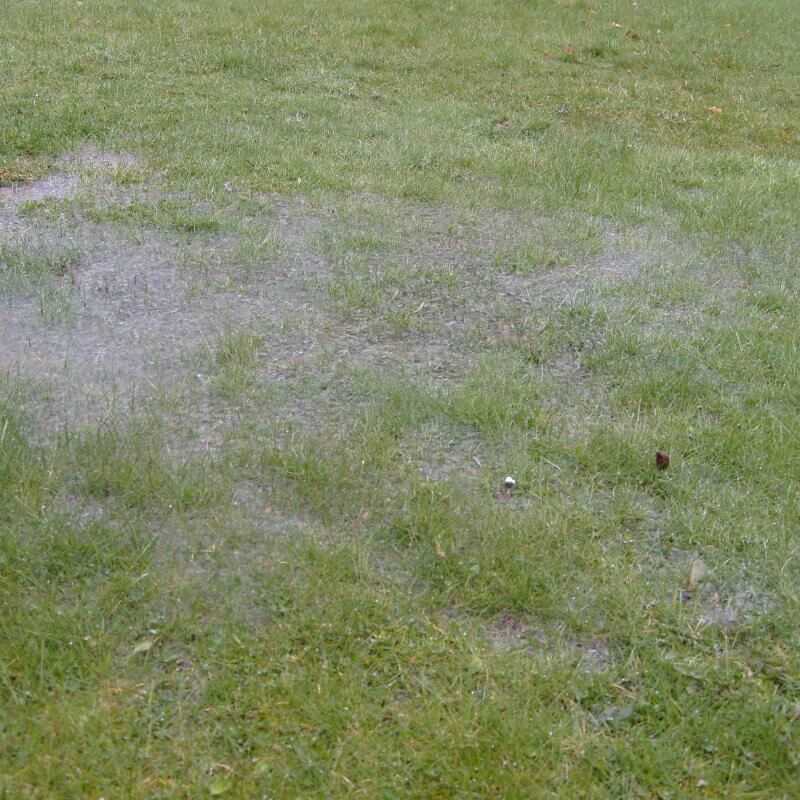
The best drainage solution for clay soil lawns is to improve soil structure through aeration, add organic matter, and install underground drainage systems like perforated pipes or French drains. These methods help break up the clay, increase water absorption, and prevent water pooling, creating a healthier lawn.
For those dealing with stubborn clay soil, proper drainage is essential to maintain a vibrant, healthy lawn. Clay soils tend to retain water, leading to sogginess and root issues, but with the right approach—such as aerating the soil, incorporating organic matter, and installing effective drainage systems—you can transform your muddy, waterlogged yard into a lush, well-drained outdoor space. Addressing the soil’s compaction and ensuring proper water flow will make all the difference in creating a resilient lawn that withstands the elements and stays beautiful year-round.

What is the best drainage solution for clay soil lawns
Understanding Clay Soil and Its Drainage Challenges
Clay soil is known for its dense and sticky texture, which makes it difficult for water to pass through. This causes water to pool on the surface after rain, leading to soggy patches and poor grass growth. Its small particles pack tightly together, reducing pore space and drainage ability. Recognizing these characteristics helps determine the right drainage methods for your lawn.
Why Good Drainage Is Important for Lawns
Proper drainage prevents waterlogging, which can damage grass roots and encourage pests and diseases. It also promotes healthy root development, ensuring your lawn stays vibrant and lush. In clay soils, addressing drainage issues is crucial to maintain the lawn’s overall health and appearance.
Effective Drainage Solutions for Clay Soil Lawns
Several drainage options work well for clay soil, often combining techniques for the best results. Let’s explore the most popular and effective methods.
1. Installing Drainage Pipes
Drainage pipes, also known as perforated or French drains, help divert excess water away from the lawn. These pipes are installed by digging trenches along the lowest points of your yard. The perforations allow water to enter and flow out, preventing pooling.
2. Aeration and Soil Cultivation
Aeration involves punching small holes into the soil, which helps break up compacted clay. This process improves air and water movement within the soil. In addition, mixing organic matter or coarse sand into the soil enhances drainage and soil structure.
3. Creating Gravel or Stone Layers
Laying a layer of gravel or crushed stones under the lawn allows water to drain more quickly. This technique involves removing the topsoil and replacing it with gravel beds, creating a drainage zone below the grass.
4. Incorporating Raised Beds or Mounding
Building raised areas or mounds in your lawn helps elevate the grass above the poorly-draining clay. This method encourages better water runoff and prevents water from pooling around the roots.
5. Implementing Rain Gardens
A rain garden is a planted depression designed to absorb runoff water. By selecting water-tolerant plants, you can create a natural drainage area that reduces pooling and enhances the landscape’s beauty.
Choosing the Right Drainage Solution for Your Lawn
The best approach depends on your yard’s size, slope, and drainage severity. For severe drainage problems, combining multiple methods often yields better results.
Assessing Your Lawn’s Drainage Needs
Start by observing how water behaves after rainfall. Note areas where water remains longest and identify natural low spots. Testing soil drainage by digging a small hole and filling it with water reveals how quickly it drains.
Factors to Consider When Selecting a Solution
- Size and slope of your lawn
- Severity of water pooling
- Budget and DIY capabilities
- Soil composition and organic content
Step-by-Step Guide to Installing Drainage Solutions
Implementing drainage solutions requires planning and careful execution. Here’s a simplified process:
1. Mark Problem Areas
Identify where excess water accumulates and plan the drainage routes accordingly. Use stakes and string to map out trenches or areas for raised beds.
2. Dig Trenches or Holes
Create trenches for drainage pipes or holes for aeration, ensuring they extend from waterlogged spots to an appropriate drainage point.
3. Lay Perforated Pipes or Gravel Beds
Place perforated pipes in trenches or fill designated areas with gravel, ensuring proper slope for water flow.
4. Cover and Compact
Cover pipes with soil or gravel, then replace the topsoil. Compact the soil to prevent settling and ensure stability.
5. Add Organic Matter or Mulch
Enhance soil structure by mixing in compost or mulch, which promotes better water infiltration and root growth.
Maintaining Your Drainage System
Regular inspection and maintenance keep drainage solutions effective. Clear out clogged pipes, refill gravel beds, and aerate the soil annually to sustain healthy drainage.
Additional Tips for Managing Clay Soil Drainage
– Avoid over-watering, which can exacerbate drainage issues.
– Use drought-tolerant grass types suited for poor-drainage conditions.
– Apply soil amendments like gypsum to help break up clay particles.
– Incorporate organic matter regularly to improve soil porosity.
Benefits of Proper Drainage for Your Lawn
Implementing suitable drainage strategies reduces waterlogging, prevents soil erosion, and encourages vigorous grass growth. Proper drainage also minimizes lawn maintenance and enhances landscape aesthetics.
Addressing drainage in clay soil lawns requires a combination of techniques tailored to your yard’s conditions. Installing perforated pipes, improving soil structure, creating gravel layers, or building raised beds can all help manage excess water effectively. Regular maintenance and thoughtful planning ensure your lawn stays healthy, green, and free from soggy patches. By choosing the appropriate solutions for your specific needs, you can enjoy a beautiful lawn regardless of the challenges posed by clay soil.
Frequently Asked Questions
How can soil amendments improve drainage in clay lawns?
Adding organic matter such as compost or coarse sand increases pore space within the soil, helping water drain more efficiently. These amendments soften the clay, reduce compaction, and promote better infiltration. Regularly incorporating these into the soil surface creates a healthier environment for grass while facilitating quicker water movement away from the lawn.
What role does installing drainage systems play in managing clay soil issues?
Installing systems like French drains or perforated pipe drainage directs excess water away from the lawn, preventing waterlogging. These solutions create a controlled pathway for water to escape, reducing standing water and improving soil conditions for grass roots. Proper placement and sizing of drainage systems ensure your lawn remains healthy and less prone to oversaturation.
Are physical modifications to the lawn beneficial for improving drainage?
Yes, physical alterations such as aerating the soil or creating raised beds allow water to flow more freely and prevent compaction. Aeration loosens the soil, creating channels for water movement, while raised beds elevate the grass above water-saturated zones. These modifications provide immediate relief from poor drainage and foster healthier turf growth.
What landscaping practices help enhance drainage in clay soil terrains?
Implementing gentle grading, contouring the land to direct rainwater away from the lawn, proves highly effective. Planting deep-rooted grasses and ground covers helps absorb excess water, while mulching can improve soil structure over time. Combining these techniques ensures your lawn stays dry and promotes healthy root development.
Can regular lawn maintenance influence drainage in clay soil areas?
Regular aeration, dethatching, and avoiding overwatering improve soil permeability and prevent compaction. Raking thatch buildup allows water to penetrate deeper into the soil, reducing surface runoff and pooling. Consistent maintenance helps maintain optimal soil conditions for proper drainage and healthy grass growth.
Final Thoughts
The best drainage solution for clay soil lawns involves adding organic matter and creating proper grading to improve water flow. Installing a perforated drainage pipe can help manage excess water efficiently. Aerating the soil regularly prevents compaction and promotes better drainage.
In conclusion, addressing clay soil’s drainage challenges requires a combination of soil amendments and effective drainage systems. What is the best drainage solution for clay soil lawns is a tailored approach that ensures water doesn’t stagnate. Implementing these methods results in a healthier, more resilient lawn.