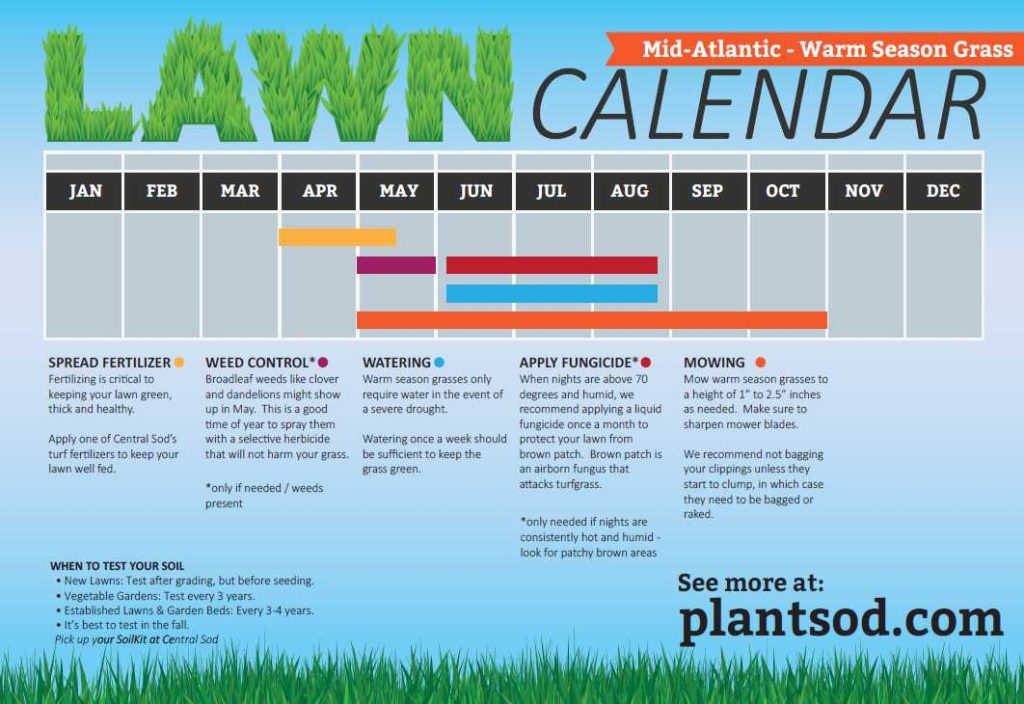
The best fertilizer for warm season grasses is a balanced fertilizer with a higher nitrogen content, applied during peak growing months to promote lush, vibrant greenery. Using the right fertilizer can make your lawn more resilient to heat and drought, giving it the energy to thrive throughout the season.
For warm season grasses, a fertilizer high in nitrogen, such as a 3-1-2 ratio or similar, is ideal. Applying these nutrients at the right times—typically in late spring and mid-summer—boosts healthy growth and color. Proper fertilization not only enhances appearance but also strengthens the roots, helping your lawn withstand stress during hot weather. Choosing the right type and timing of fertilizer is essential for maintaining a beautiful, resilient warm season lawn.

What Type of Fertilizer Is Best for Warm Season Grasses
Understanding Warm Season Grasses and Their Nutritional Needs
Warm season grasses such as Bermuda, Zoysia, Centipede, and St. Augustine thrive in hot weather. They generally require more nutrients during their active growth period, which spans late spring through summer. Proper fertilization helps keep these grasses healthy, dense, and green throughout the season.
These grasses typically need higher nitrogen levels to promote lush growth. Nitrogen encourages leaf development, while phosphorus and potassium support root health and disease resistance. Knowing these needs helps in choosing the best fertilizer type for vibrant, resilient lawns.
Types of Fertilizers Suitable for Warm Season Grasses
Warm season grasses respond well to specific fertilizer types that match their growth patterns. The main categories include synthetic fertilizers, organic fertilizers, and slow-release options. Each offers unique benefits and considerations depending on lawn health goals.
Synthetic Fertilizers
Synthetic fertilizers are processed products that deliver nutrients quickly. They usually contain a balanced mix of nitrogen, phosphorus, and potassium. These fertilizers can be applied rapidly to address nutrient deficiencies and promote fast green-up.
However, overuse or improper application of synthetic fertilizers may cause runoff, pollution, and soil imbalance. Therefore, they are best used with precise timing and quantities, especially in established lawns needing quick results.
Organic Fertilizers
Organic fertilizers come from natural sources such as compost, bone meal, or fish emulsion. They improve soil health over time by adding organic matter and beneficial microbes. Organic options are gentler and reduce environmental impact.
Although organic fertilizers release nutrients slowly, they foster a sustainable lawn with better drought tolerance and disease resistance. They are an excellent choice for eco-conscious homeowners aiming for long-term lawn health.
Slow-Release Fertilizers
Slow-release fertilizers are designed to release nutrients gradually over weeks or months. They provide a steady supply of nitrogen, minimizing the risk of fertilizer burn and reducing the frequency of applications.
These fertilizers are ideal for busy gardeners who want to maintain consistent lawn quality without frequent applications. They also help prevent nutrient runoff and promote deeper root growth.
Best Fertilizer Formulations for Warm Season Grass
Selecting the right formulation depends on the current health of the lawn and specific seasonal needs. Generally, a fertilizer with a higher nitrogen content supports lush growth during peak season.
One popular formulation for warm season grasses is a ratio like 3-1-2 or 4-1-2, emphasizing nitrogen. This promotes vigorous leaf growth while still providing phosphorus and potassium for overall lawn vitality.
For example:
- High-N Fertilizer (such as 20-5-10) during active growth
- Lower N Fertilizer (such as 10-10-10) during dormancy or cooler months
Avoid excessive nitrogen late in the season, as it may encourage disease or weaken the grass before winter.
Timing and Frequency of Fertilizer Application
Proper timing maximizes nutrient uptake and lawn response. During the peak growing months, usually from late spring to late summer, fertilize every six to eight weeks.
Apply fertilizer when the grass is actively growing and the weather is warm and moist. Avoid fertilizing during dormancy or when drought conditions persist, as nutrients may not be absorbed effectively.
Use a soil test to determine existing nutrient levels and adjust your fertilization schedule accordingly. This ensures your lawn receives only what it needs and avoids overfeeding.
How to Apply Fertilizer Effectively
Applying fertilizer evenly is key to avoiding patchy growth or nutrient overload. Use a broadcast spreader or drop spreader for uniform coverage.
Water the lawn lightly after fertilization to help nutrients penetrate the soil. This encourages root absorption and minimizes the risk of fertilizer burn.
Follow manufacturer instructions closely for quantities and frequency. Over-application can harm your lawn and the environment, so moderation is essential.
Special Considerations for Different Warm Season Grasses
Each type of warm season grass has its unique fertilization preferences and tolerances.
Bermuda Grass
This grass benefits from high nitrogen fertilization during active growth. Apply fertilizer every six to eight weeks in summer, focusing on high nitrogen formulations like 20-5-10.
Zoysia Grass
Requires moderate fertilization for optimal color and density. Use balanced or slightly nitrogen-heavy fertilizers, and avoid overfeeding to prevent thatch buildup.
Centipede and St. Augustine
These grasses prefer lower nitrogen levels to prevent excessive thatch. Apply fertilizers with a balanced or low nitrogen ratio, and focus on maintaining soil health with organic amendments.
Additional Tips for Fertilizer Use on Warm Season Lawns
To maintain a healthy lawn, consider the following tips:
- Always perform a soil test before fertilizing to identify nutrient deficiencies.
- Apply fertilizer during early mornings or late afternoons to reduce evaporation and runoff.
- Adjust your watering schedule to match fertilizer application for optimal nutrient absorption.
- Combine fertilization with aeration or overseeding for enhanced lawn health.
Regular maintenance, including mowing at proper heights and watering correctly, complements fertilization to keep warm season grasses healthy and vibrant.
Natural Alternatives and Sustainable Practices
Incorporating organic fertilizers like compost tea, worm castings, or seaweed extracts can boost lawn health naturally. Sustainable practices reduce environmental impact while still supporting lush growth.
Look for organic fertilizers with slow-release properties, which provide gentle, steady feeding without overwhelming your lawn or polluting nearby water sources.
Using mulching mowers adds organic matter back into the soil, further improving fertility naturally. Combining these methods builds a resilient, eco-friendly lawn that thrives during warm months.
Monitoring Lawn Health and Adjusting Fertilizer Regimen
Observe your lawn for signs of nutrient deficiency, such as yellowing or thin patches. These cues help in adjusting your fertilization schedule or product choice.
Periodically testing your soil can reveal insights into pH and nutrient levels. Adjust your fertilization plan based on these results, ensuring your lawn receives tailored care.
Regularly evaluating your lawn’s response allows you to fine-tune your approach, making sure your warm season grasses stay healthy, green, and dense all season long.
—
Maintaining the right balance of nutrients through appropriate fertilization is crucial for thriving warm season grasses. By understanding their unique needs and applying suitable fertilizer types, formulations, and schedules, you set your lawn up for success. Proper application techniques and ongoing monitoring ensure your yard remains lush and resilient throughout the warm months.
Warm Season Grasses: A Lawn Care Guide
Frequently Asked Questions
What nutrients should I look for in fertilizer for warm season grasses?
For warm season grasses, choose fertilizers rich in nitrogen, which promotes lush, green growth. A balanced fertilizer with phosphorus and potassium supports root development and disease resistance. Look for a fertilizer with an N-P-K ratio tailored to the grass’s growth stage, such as a higher nitrogen content during active growing periods.
How often should I fertilize warm season grasses for optimal health?
Apply fertilizer every 4 to 6 weeks during the active growing season, typically from late spring through summer. Adjust the frequency based on the grass’s response and local climate conditions. Avoid over-fertilizing, which can lead to excessive growth and increased vulnerability to pests or disease.
What types of fertilizer are recommended for established warm season lawns?
For mature lawns, slow-release fertilizers work well as they provide a steady supply of nutrients over time, reducing the risk of leaching. Organic options like composted manure or organic granular fertilizers also support healthy soil biology and provide necessary nutrients naturally.
Can I use a universal fertilizer on warm season grasses?
While some universal fertilizers may work, it’s best to select a formulation specifically designed for warm season grasses. These fertilizers account for the unique nutrient needs and growth habits of warm season varieties, ensuring better lawn health and vibrant color.
Are there specific fertilizer formulations for promoting seedling growth in warm season grasses?
Yes, for new seedlings, choose a high-phosphorus fertilizer to encourage root development. A starter fertilizer with a higher phosphorus content helps establish the grass quickly and promotes strong, healthy growth in the early stages.
Final Thoughts
The best fertilizer for warm season grasses is a balanced blend with higher nitrogen levels. Use slow-release formulas for consistent feeding and healthy growth throughout the season. Organic options like compost or manure also work well, providing essential nutrients naturally.
In conclusion, what type of fertilizer is best for warm season grasses depends on your lawn’s needs and your preferences. Prioritize fertilizers with higher nitrogen to promote vibrant, lush lawns during warm months.