Planting Tiftuf Bermuda sod is the fastest way to a beautiful lawn, but proper care is key to its success. This guide covers everything from initial planting and watering to ongoing maintenance like mowing, fertilizing, and dealing with common issues, ensuring your Tiftuf Bermuda thrives year-round.
So, you’ve decided to go with Tiftuf Bermuda grass for your lawn, and that’s a fantastic choice! Known for its incredible durability, beautiful deep green color, and impressive drought tolerance, Tiftuf Bermuda is a homeowner’s dream, especially in warmer climates. Getting that perfect, lush carpet of green starts with proper planting and continues with consistent, informed maintenance. It’s not just about throwing down sod and hoping for the best; it’s about giving your new lawn the best possible start and nurturing it to reach its full, magnificent potential.
Let’s break down everything you need to know to plant and maintain your Tiftuf Bermuda sod so it becomes the envy of the neighborhood. We’ll cover the best practices from the moment you unroll those sod rolls to keeping it looking its absolute best all year long. Think of this as your friendly, go-to guide for a thriving Tiftuf Bermuda lawn.
- Site Preparation is Crucial: Ensure a level, well-drained surface free of debris before laying Tiftuf Bermuda sod.
- Watering is Paramount: New sod needs consistent moisture, while established lawns require deep, infrequent watering, especially during hot weather.
- Mowing Height Matters: Tiftuf Bermuda prefers a lower mowing height (0.5 to 1.5 inches) for optimal density and health.
- Fertilization for Growth: Regular feeding, particularly with nitrogen during the growing season, fuels vibrant growth and color.
- Drought and Pest Tolerance: While hardy, Tiftuf Bermuda can still be affected by extreme drought or specific pests, requiring watchful eyes.
- Seasonal Care is Essential: Adapting your care routine to the changing seasons, including winter dormancy and spring revival, is vital for long-term health.
Quick Answers to Common Questions
When is the best time to plant Tiftuf Bermuda sod?
The best time to plant Tiftuf Bermuda sod is during its active growing season, typically spring and summer in warmer climates. Avoid planting during extremely hot and dry periods.
How often should I water new Tiftuf Bermuda sod?
New sod needs to be kept consistently moist. Water several times a day for the first week or two, ensuring the sod and soil beneath are saturated, especially in warm weather.
What is the ideal mowing height for Tiftuf Bermuda grass?
Tiftuf Bermuda thrives when mowed short, ideally between 0.5 and 1.5 inches. This encourages dense, vigorous growth.
How often should I fertilize my Tiftuf Bermuda lawn?
Fertilize Tiftuf Bermuda during its active growing season (spring through summer), typically every 6-8 weeks with a nitrogen-rich fertilizer. A final feeding in early fall can also be beneficial.
What are common issues with Tiftuf Bermuda grass?
Common issues include yellowing due to nutrient deficiency or overwatering, thinning patches from pests or disease, and brown spots from drought stress, disease, or insect damage.
📑 Table of Contents
- Preparing Your Soil for Tiftuf Bermuda Sod
- Planting Your Tiftuf Bermuda Sod
- Watering Your Established Tiftuf Bermuda Lawn
- Mowing Your Tiftuf Bermuda Grass
- Fertilizing for a Vibrant Tiftuf Bermuda Lawn
- Dealing with Pests, Diseases, and Weeds
- Seasonal Maintenance for Tiftuf Bermuda
- Troubleshooting Common Tiftuf Bermuda Issues
- Conclusion
Preparing Your Soil for Tiftuf Bermuda Sod
Before any sod hits the ground, the most important step is preparing the soil. This is where the foundation of your future lawn is built. Skipping this step can lead to a host of problems down the line, like poor root establishment, drainage issues, and an uneven surface. Tiftuf Bermuda needs a good base to truly shine.
Clearing the Area
First things first, you need to clear the existing ground. This means removing any rocks, debris, old roots, and especially any existing weeds or undesirable grass. If you’re laying sod over an old lawn, you might need to kill off the old grass and weeds first. You can do this through a process called solarization (covering the area with clear plastic during hot weather) or by using a non-selective herbicide. Be patient; you want a clean slate.
Grading and Leveling
Once the area is clear, it’s time to grade and level the soil. You want a smooth, even surface. This isn’t just about aesthetics; it helps with water distribution. Low spots can become waterlogged, while high spots might dry out too quickly. Use a rake and a level to achieve a nice, smooth finish. Ensure that the final grade slopes slightly away from your house foundation to prevent water issues. The goal is a surface that’s ready to receive the sod without significant bumps or dips.
Improving Soil Quality
Tiftuf Bermuda, like most grasses, thrives in healthy soil. You’ll want to amend your soil to improve its structure, fertility, and drainage.
- Soil Testing: It’s a great idea to get a soil test done. This will tell you your soil’s pH level and nutrient deficiencies. Most lawn grasses, including Tiftuf Bermuda, prefer a slightly acidic to neutral pH, typically between 6.0 and 7.0.
- Adding Organic Matter: Incorporating compost or well-rotted manure is a fantastic way to improve soil structure, water retention, and nutrient availability. Spread a layer of 2-4 inches of compost over the area and till it into the top 4-6 inches of soil.
- Fertilizing Before Planting: Based on your soil test, you might need to add specific nutrients. A starter fertilizer that’s low in nitrogen but high in phosphorus can help encourage root development. Gently rake this into the top layer of soil.
Proper soil preparation is the bedrock of a healthy Tiftuf Bermuda lawn, so don’t rush this crucial stage!
Planting Your Tiftuf Bermuda Sod
With your soil prepped and ready, it’s time for the exciting part: laying the sod! Timing is important here, and working with fresh sod is key to success.
Best Time to Plant
The ideal time to plant Tiftuf Bermuda sod is during its active growing season, which is spring and summer in warmer climates. Avoid planting when temperatures are extremely hot and dry, as this can stress the new sod. Early to mid-spring is often perfect, allowing the sod to establish before the peak summer heat. If you must plant in the heat of summer, be prepared for very diligent watering.
Laying the Sod
When your Tiftuf Bermuda sod arrives, try to lay it as soon as possible, ideally within 24 hours. Fresh sod can dry out quickly and become damaged.
- Start at an Edge: Begin laying sod along a straight edge, like a driveway or sidewalk.
- Stagger Joints: Lay the sod strips tightly together, staggering the seams like you would with bricks. This prevents gaps and encourages the sod to knit together more effectively.
- Avoid Overlapping: Never overlap sod pieces. This can lead to uneven growth and areas that dry out.
- Trim and Fit: Use a sharp knife or sod cutter to trim pieces to fit around curves, trees, or obstacles.
- Roll it Out: After laying, gently roll the sod with a lawn roller filled with water. This ensures good contact between the sod and the soil beneath, which is critical for root establishment.
Initial Watering
This is perhaps the most critical step for new sod.
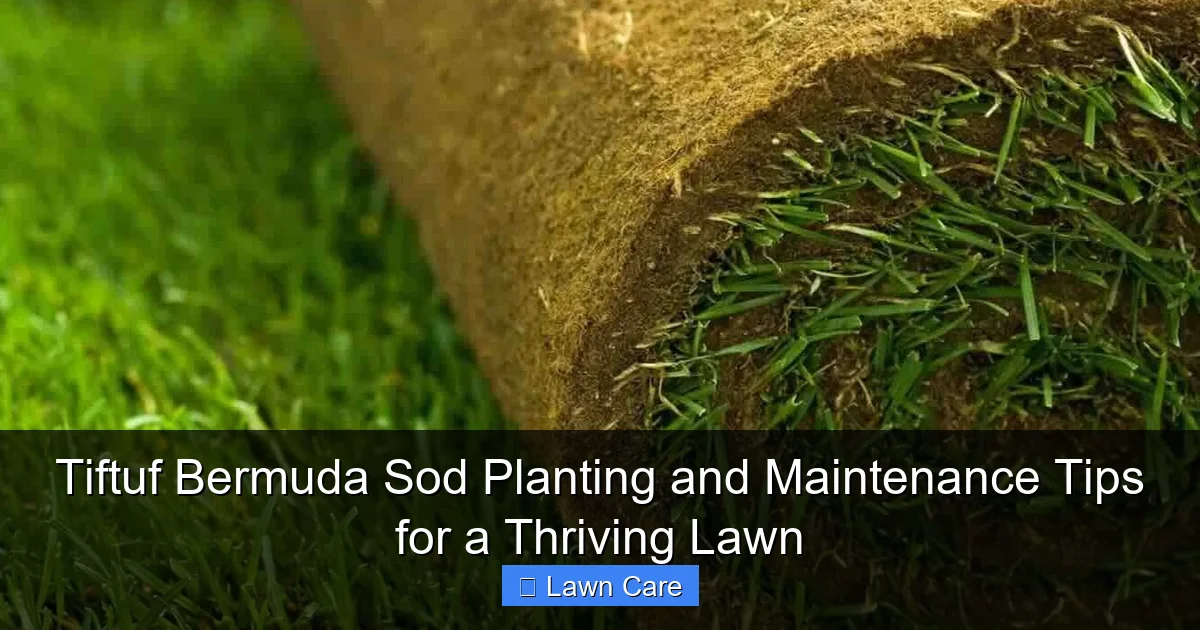
Water immediately after laying! Don’t wait. The goal is to saturate the sod and the soil beneath. Water deeply enough to moisten the soil at least 4-6 inches down. For the first week or two, you’ll want to keep the sod consistently moist, watering several times a day if necessary, especially in warm weather. The key is to prevent the sod from drying out at all.
Visual guide about Tiftuf Bermuda Sod Planting and Maintenance Tips for a Thriving Lawn
Image source: lawnsynergy.com
For more in-depth guidance on this crucial period, check out our article on Caring For New Sod And Get A Lush Lawn.
Watering Your Established Tiftuf Bermuda Lawn
Once your Tiftuf Bermuda sod has established (typically after about 2-3 weeks of consistent watering and some initial root growth), you can adjust your watering schedule. Tiftuf Bermuda is renowned for its drought tolerance, but it still needs water to look its best and stay healthy.
Deep and Infrequent Watering
The key to a strong, drought-resistant lawn is to water deeply but infrequently. This encourages the grass roots to grow down into the soil in search of moisture. Shallow, frequent watering makes roots shallow and more susceptible to drought and disease.
- How much? Aim to provide about 1 to 1.5 inches of water per week, including rainfall.
- How often? Water only when the grass shows signs of stress, such as a dull, bluish-gray color or when footprints remain visible after walking on it. This might be once a week or even less often in cooler or wetter periods. In the peak of summer heat, you might need to water more frequently, but still aim for depth.
Best Time to Water
The best time to water your lawn is in the early morning, between 4 AM and 10 AM.
- Reduces Evaporation: Watering when it’s cooler means less water is lost to evaporation.
- Minimizes Disease Risk: Allowing the grass blades to dry off during the day helps prevent fungal diseases that thrive in prolonged moisture.
Avoid watering in the heat of the day or late at night. If you’re unsure about how to set up your watering system, this guide on Essential Tips For Proper Lawn Watering And Irrigation can be very helpful.
Mowing Your Tiftuf Bermuda Grass
Proper mowing is essential for maintaining the dense, carpet-like appearance of Tiftuf Bermuda. This grass variety benefits significantly from being mowed frequently and at a lower height than many other turf types.
Mowing Height
Tiftuf Bermuda excels when mowed quite short. The ideal mowing height is typically between 0.5 and 1.5 inches. Mowing at this height encourages the grass to produce more tillers (new shoots), leading to a thicker, denser turf.
- Low Mowing: Lower heights mean the grass blades are shorter, allowing more sunlight to reach the lower parts of the plant and promote dense growth.
- Consistency is Key: Maintaining a consistent mowing height is important.
Mowing Frequency
Because Tiftuf Bermuda grows aggressively, especially during its active season, you’ll likely need to mow more frequently.
- The One-Third Rule: Never remove more than one-third of the grass blade length in a single mowing. This prevents stressing the grass. If your grass is getting too tall, mow more frequently rather than cutting off a large portion at once.
- Adjusting for Growth: During peak growing season (late spring through summer), you might need to mow every 3-5 days. In slower growth periods, you can extend this to weekly or even bi-weekly.
A sharp mower blade is crucial for a clean cut. A dull blade tears the grass, leaving it susceptible to disease and giving it a ragged appearance. For more on this, you can refer to our tips on Proper Lawn Mowing Techniques.
Fertilizing for a Vibrant Tiftuf Bermuda Lawn
Fertilization is key to keeping your Tiftuf Bermuda grass healthy, green, and growing vigorously. This grass is a heavy feeder, particularly when it comes to nitrogen.
When to Fertilize
The primary feeding window for Tiftuf Bermuda is during its active growing season, which typically starts in late spring and continues through summer.
- Spring Awakening: Apply your first fertilizer application after the grass has fully greened up and is actively growing. This is usually in late spring.
- Summer Growth: Continue to fertilize throughout the summer months, typically every 6-8 weeks, with a balanced fertilizer that contains a good amount of nitrogen.
- Late Season Boost: A final feeding in late summer or early fall can help the grass recover from summer stress and prepare for dormancy. Avoid fertilizing too late in the fall, as this can encourage tender new growth that is susceptible to winter damage.
Type of Fertilizer
For Tiftuf Bermuda, nitrogen is the most important nutrient for vigorous growth and a deep green color.
- Nitrogen-Rich Fertilizers: Look for fertilizers with a higher first number in the N-P-K ratio (e.g., 20-5-10).
- Slow-Release vs. Quick-Release: Slow-release nitrogen fertilizers provide a more consistent feeding over time and are less likely to cause burning. Quick-release fertilizers can provide a rapid green-up but require more careful application to avoid damage.
- Soil Test: Again, a soil test can guide you on other nutrient needs (phosphorus and potassium) to ensure a balanced diet for your grass.
For specific recommendations, you might find our articles on the best fertilizers for Bermuda grass helpful, even though Tiftuf is a specific variety.
Dealing with Pests, Diseases, and Weeds
While Tiftuf Bermuda is tough, it’s not entirely immune to problems. Vigilance is your best defense against pests, diseases, and invasive weeds.
Pest Control
Common pests that can affect Bermuda grass include armyworms, grubs, and chinch bugs.
- Identification is Key: Learn to identify common lawn pests. Look for signs like brown patches, chewed blades of grass, or visible insects.
- Integrated Pest Management (IPM): Start with the least toxic methods. Encourage natural predators, ensure proper watering and fertilization, and only resort to chemical insecticides when necessary.
- Targeted Treatments: If you identify a specific pest, use an insecticide formulated for that pest and apply it according to label instructions.
Disease Management
Bermuda grass can be susceptible to fungal diseases, especially in conditions of excessive moisture or poor air circulation.
- Dollar Spot: This common disease creates small, straw-colored or bleached-out patches.
- Brown Patch: Appears as circular or irregularly shaped patches of brown, dead grass.
- Prevention is Best: Proper watering (deep and infrequent), good mowing practices, and adequate fertilization are the best preventative measures.
- Fungicides: If a disease becomes severe, a fungicide may be necessary. Always follow product instructions carefully.
Weed Control
Weeds compete with your Tiftuf Bermuda for nutrients, water, and sunlight.
- Healthy Lawn is the Best Defense: A thick, healthy lawn is the best way to prevent weeds from taking hold.
- Manual Removal: For small infestations, pulling weeds by hand is effective.
- Herbicides: Pre-emergent herbicides can be applied in spring to prevent weed seeds from germinating. Post-emergent herbicides can be used to kill existing weeds. For Bermuda grass, it’s important to use herbicides specifically labeled for use on this type of turf, as some can damage it. You might find information on weed and feed products for Bermuda grass useful here.
Seasonal Maintenance for Tiftuf Bermuda
Maintaining a thriving Tiftuf Bermuda lawn involves adjusting your care routine based on the season.
Spring
As temperatures warm up and the grass begins to turn green, it’s time to:
- Rake and Debris Removal: Clear away any winter debris.
- First Mowing: Mow at a slightly higher setting initially, then gradually lower it to your preferred height as the grass thickens.
- Fertilization: Apply a balanced fertilizer once the grass is actively growing.
- Weed Control: Consider pre-emergent applications if weeds are a problem.
Spring is also a good time for any soil aeration if needed; this helps with air and water penetration. Core aeration can significantly boost your lawn’s health.
Summer
This is the peak growing season for Tiftuf Bermuda.
- Consistent Watering: Water deeply and infrequently, especially during heatwaves.
- Frequent Mowing: Keep up with the fast growth by mowing regularly.
- Fertilization: Continue with your fertilization schedule to support growth and color.
- Pest and Disease Watch: Be extra vigilant for signs of stress, pests, or diseases during the heat and humidity.
Fall
As temperatures cool, Tiftuf Bermuda’s growth slows down.
- Continue Mowing: Mow as needed, gradually raising the mowing height slightly as growth slows.
- Final Fertilization: Apply a fertilizer that can help the grass store energy for winter.
- Leaf Removal: Keep the lawn clear of fallen leaves to prevent smothering and disease.
Winter
Tiftuf Bermuda is a warm-season grass and will go dormant in cooler temperatures, turning brown.
- Minimal Care: During dormancy, the lawn requires very little care.
- Avoid Traffic: Try to minimize heavy traffic on dormant grass to prevent damage.
- Prepare for Spring: Use the downtime to plan for spring tasks like soil testing or equipment maintenance.
Creating a consistent lawn care schedule will help you stay on top of these seasonal needs.
Troubleshooting Common Tiftuf Bermuda Issues
Even with the best care, you might encounter some common problems. Knowing how to address them quickly can save your lawn.
Yellowing Grass
Yellowing can be caused by several factors:
- Lack of Nitrogen: This is the most common cause for a uniform yellowing across the lawn. A dose of nitrogen fertilizer should fix this.
- Overwatering or Poor Drainage: Can lead to root rot and yellowing. Ensure your lawn drains well.
- Compacted Soil: Prevents nutrients and water from reaching the roots. Aeration is key.
- Pests: Chinch bugs or grubs can cause yellow or brown patches.
Thinning Patches
If you notice thinning areas:
- Disease: Fungal diseases can damage grass, leading to thinning.
- Pests: Grubs are notorious for causing large, dead, thinning patches that can be lifted like a carpet.
- Traffic Stress: High-traffic areas can wear down the grass.
- Compacted Soil: Reduces root health and growth.
If thinning is widespread, you might consider overseeding with Bermuda grass seed to fill in gaps, although sodding provides a faster fix. You can learn more about overseeding techniques.
Brown Spots
Brown spots can be a sign of:
- Drought Stress: Especially if it’s widespread during hot, dry periods.
- Disease: Brown patch or dollar spot.
- Fungal Activity: Sometimes caused by pet urine.
- Grub Damage: Large, irregular brown patches can indicate grub infestation.
By understanding these potential issues and their solutions, you can keep your Tiftuf Bermuda lawn looking its absolute best. Remember, a healthy lawn is often the best defense against many problems.
Conclusion
Planting and maintaining Tiftuf Bermuda sod is a rewarding endeavor that can transform your outdoor space into a vibrant, lush haven. From meticulous soil preparation and careful sod laying to consistent watering, appropriate mowing, and timely fertilization, each step plays a crucial role in establishing and sustaining a healthy lawn. By paying attention to the seasonal needs of your Tiftuf Bermuda and remaining vigilant against pests, diseases, and weeds, you’ll ensure it remains a resilient, beautiful feature of your property for years to come. Embrace the process, enjoy the journey, and prepare to bask in the glory of your thriving Tiftuf Bermuda lawn!
Frequently Asked Questions
How long does it take for Tiftuf Bermuda sod to establish?
Tiftuf Bermuda sod typically establishes roots within 2-3 weeks with proper watering. Full establishment, where it can withstand regular foot traffic and normal lawn care, can take up to a month or longer.
Can Tiftuf Bermuda grass survive in shade?
Tiftuf Bermuda grass is a sun-loving grass and requires at least 6-8 hours of direct sunlight per day to thrive. It will not perform well in heavily shaded areas.
What is the difference between Tiftuf Bermuda and other Bermuda grass varieties?
Tiftuf Bermuda is a genetically improved variety known for exceptional turf quality, wear tolerance, and drought resistance, often outperforming older cultivars in these areas.
How do I prepare my soil before laying Tiftuf Bermuda sod?
Before laying sod, clear the area of debris, level the ground, and amend the soil with organic matter like compost. A soil test can help identify nutrient deficiencies and pH imbalances.
Is Tiftuf Bermuda grass safe for pets?
Yes, Tiftuf Bermuda grass is generally safe for pets. However, always ensure your lawn is free from any pesticides or herbicides that could be harmful.
When should I stop fertilizing Tiftuf Bermuda grass in the fall?
You should stop fertilizing Tiftuf Bermuda grass about 6-8 weeks before your average first frost date to allow it to harden off for winter dormancy, avoiding late-season growth that can be damaged by cold.