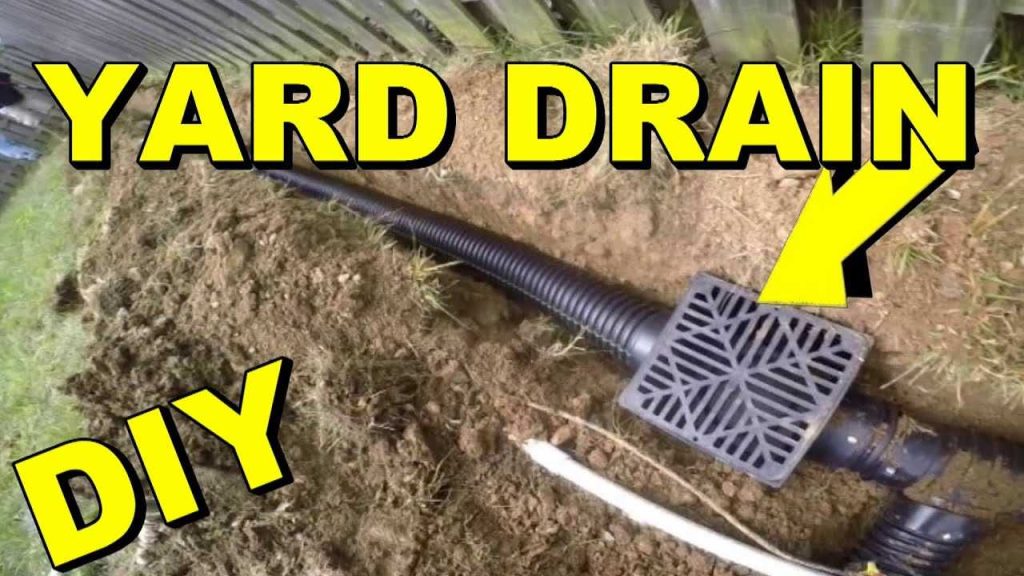
To install drainage pipes in your lawn efficiently, start by mapping out the problem areas, then dig trenches following a proper slope, lay the pipes with perforations facing down, and cover them with gravel before backfilling. This simple setup helps channel excess water away, preventing soggy patches and lawn damage.
In a nutshell, installing drainage pipes involves identifying the spots where water tends to pool, digging trenches at a slight incline, placing perforated pipes inside, and covering them with gravel and soil. This process ensures proper water runoff, keeping your lawn healthy and dry.
If your lawn frequently becomes waterlogged or develops muddy patches after heavy rain, installing drainage pipes can be a game-changer. Proper drainage not only prevents standing water but also promotes healthier grass roots. Starting with a clear plan, you’ll want to locate the problem areas, then carefully dig trenches that follow a gentle slope. Place perforated pipes inside these trenches, surround them with gravel for optimal water flow, and finally backfill with soil. This straightforward approach ensures that excess water is effectively diverted away from your lawn, giving you a lush, well-drained yard to enjoy all year round.

How to install drainage pipes in lawn
Installing drainage pipes in your lawn is a smart way to prevent water from pooling and causing damage or muddy patches. Proper drainage helps keep your yard healthy and attractive, especially after heavy rains. In this guide, we will cover every step to ensure you can install drainage pipes effectively and efficiently. Let’s explore how to do this in clear, simple steps.
Understanding the importance of drainage in your lawn
A well-drained lawn prevents water from standing in unwanted areas. Excess water can lead to soil erosion, root damage, and even lawn diseases. Installing drainage pipes directs water away from problem spots, reducing these issues significantly. This system also protects your home’s foundation from water damage.
Assessing your lawn’s drainage needs
Before digging, evaluate your yard carefully. Look for areas where water pools or remains soggy after rains. Use a measuring tape to determine the size of these trouble spots. Consider the slope of your yard, as water flows downhill naturally, and plan your drainage accordingly.
Testing your lawn’s drainage
One simple test involves pouring a gallon of water into the problematic area and checking how quickly it drains. If the water lingers for more than 24 hours, you need better drainage. This test helps you identify the exact locations where pipes should be installed.
Planning your drainage system
Create a detailed plan for your drainage layout. Decide on the main pipes and branch lines, keeping in mind the natural slope of your yard. Remember, pipes should slope at least 1% (about 1 foot per 100 feet) to allow water to flow freely.
Choosing the right materials
Select high-quality underground drainage pipes suitable for lawn drainage. Corrugated perforated pipes are common because they allow water to filter into the pipe. Use sturdy fittings and connectors to join pipe sections securely. Also, choose filter fabrics to prevent soil from clogging the pipes.
Marking your excavation lines
Use spray paint, stakes, or string to mark where you will dig. Follow your plan carefully, ensuring the pipes will connect effectively to existing drainage points or outfalls. Mark all turns and junctions clearly for accurate digging.
Gathering the necessary tools and materials
Prepare tools such as a shovel, trenching tool, level, and tape measure. You will also need your pipes, fittings, filter fabric, gravel, and protective covers. Having everything ready before starting saves time and reduces errors.
Excavating the trenches
Start digging trenches along your marked lines. Trenches should be at least 6 inches wide and follow the slope of your yard. Maintain a consistent slope to ensure water flows toward the designated outlet. Use a level to check that the trench slopes correctly.
Detailing trench depth and slope
The trench depth should be at least 12 inches to accommodate the pipe and gravel bedding. Ensure the slope is about 1% to allow gravity to move water efficiently. Adjust the depth and slope as needed for your landscape.
Preparing the trench base
Lay a layer of coarse gravel at the bottom of the trench to improve drainage and provide a stable base. This layer should be about 2 inches thick. Compact the gravel lightly, but avoid over-tightening.
Installing the drainage pipe
Place the perforated pipe in the trench, ensuring the perforations face downward to catch water from below. Connect pipe sections using fittings, making sure the joints are tight and secure. Maintain the slope throughout the installation.
Using filter fabric
Wrap the pipe with a porous filter fabric before covering it with gravel. This prevents soil and debris from clogging the pipe openings. Secure the fabric with landscape staples or by folding it over the gravel.
Backfilling the trench
Add more gravel around the pipe, filling the trench to about 2 inches below ground level. Then, cover the gravel with soil, ensuring the surface is level and smooth. Avoid compacting the soil too tightly to prevent future water pooling.
Covering and final touches
Replace any turf or plants disturbed during excavation. Water the area lightly to help settle the soil. Check the slope and ensure the pipe remains aligned correctly. Mark the outlet point to prevent accidental damage later.
Testing your drainage system
Pour water at the highest point of your system and observe how quickly it drains away. Make adjustments if necessary, such as adding gravel or repositioning pipes. Regular maintenance involves clearing away debris and ensuring the outlet remains unobstructed.
Maintaining your drainage pipes
Periodically inspect the pipes and outlet areas for clogs or obstructions. Clear away leaves, dirt, or debris that could block water flow. Reseed disturbed areas and make repairs promptly to preserve the system’s efficiency.
Additional tips for successful installation
- Always follow local regulations and obtain necessary permits if required.
- Ensure the outlet point directs water safely away from building foundations or walkways.
- Use high-quality materials to prevent leaks and damage over time.
- Consider professional help for large or complex projects.
Related topics to consider
Rainwater harvesting systems
Combine your drainage with rainwater harvesting to utilize runoff for watering gardens or lawns. Proper planning helps manage excess water and conserve resources.
Soil improvement techniques
Improve your soil’s drainage capability by adding organic matter or sand in problem areas. Healthy soil promotes better water absorption and reduces pooling.
Choosing plants for wet areas
Select plants that thrive in soggy soils to enhance aesthetic appeal. These plants help absorb excess moisture naturally and prevent erosion.
By carefully planning and executing your drainage system, you can significantly improve your lawn’s health and appearance. Using durable materials and following these steps ensures that water is directed away efficiently, keeping your yard dry and beautiful.
Frequently Asked Questions
What tools and materials are necessary for installing drainage pipes in a lawn?
To install drainage pipes effectively, gather essential tools such as a trenching shovel or power trencher, a tape measure, a level, and a pipe cutter. You’ll also need high-density polyethylene (HDPE) or corrugated drainage pipes, gravel or crushed stone for bedding, fabric landscape fabric to prevent soil infiltration, and fittings like elbows and connectors. Having these materials on hand ensures a smooth installation process and durable drainage system.
How do you determine the slope for laying drainage pipes in a lawn?
Proper slope is crucial for efficient drainage. Measure the elevation at the starting point of the pipe and decide where the outlet will be located. Ensure there is a consistent downward slope of about 1% (1 foot of fall for every 100 feet of pipe). Use a level or a transit to maintain this slope during installation, and mark the trench accordingly so gravity helps water flow toward the outlet without pooling.
What is the best way to prepare the trench for drainage pipes?
Start by marking the trench line with stakes and string to guide the excavation. Excavate a trench that is wide enough to accommodate the pipe comfortably, typically 6 to 12 inches wide, and deep enough to position the pipe below the frost line if applicable. Ensure the trench has a consistent slope and remove any roots, rocks, or debris. Line the bottom of the trench with a layer of gravel or crushed stone to facilitate water flow and provide support for the pipe.
How should the drainage pipes be connected and installed in the trench?
Lay the drainage pipes along the prepared trench, ensuring they follow the designated slope. Connect pipe sections using appropriate fittings, such as elbows or couplings, to navigate bends or change drainage directions. Insert perforated pipes into a bed of gravel, and cover them with more gravel to facilitate water entry and prevent soil infiltration. Wrap the pipe with landscape fabric before covering it entirely with soil to prevent clogging over time.
What are the final steps to ensure the drainage system functions properly after installation?
After laying and connecting the pipes, fill the trench with soil, ensuring the pipe remains properly positioned and the slope is maintained. Compact the soil gently to prevent shifting. Check the system by running water or observing drainage during a rainstorm to confirm water flows smoothly toward the outlet. Regularly inspect the trench area for any signs of blockage or pooling and clear debris as needed to keep the drainage system effective.
Final Thoughts
To install drainage pipes in lawn, start by planning the layout and marking the slope to ensure proper water flow. Dig trenches following the marked lines, maintaining a consistent slope of about 1-2%. Place the pipes in the trenches, connecting them securely with joints.
Cover the pipes with gravel before shoveling soil back to prevent clogging. Regularly check the slope and connections for stability. How to install drainage pipes in lawn involves careful planning and precise execution for effective drainage.