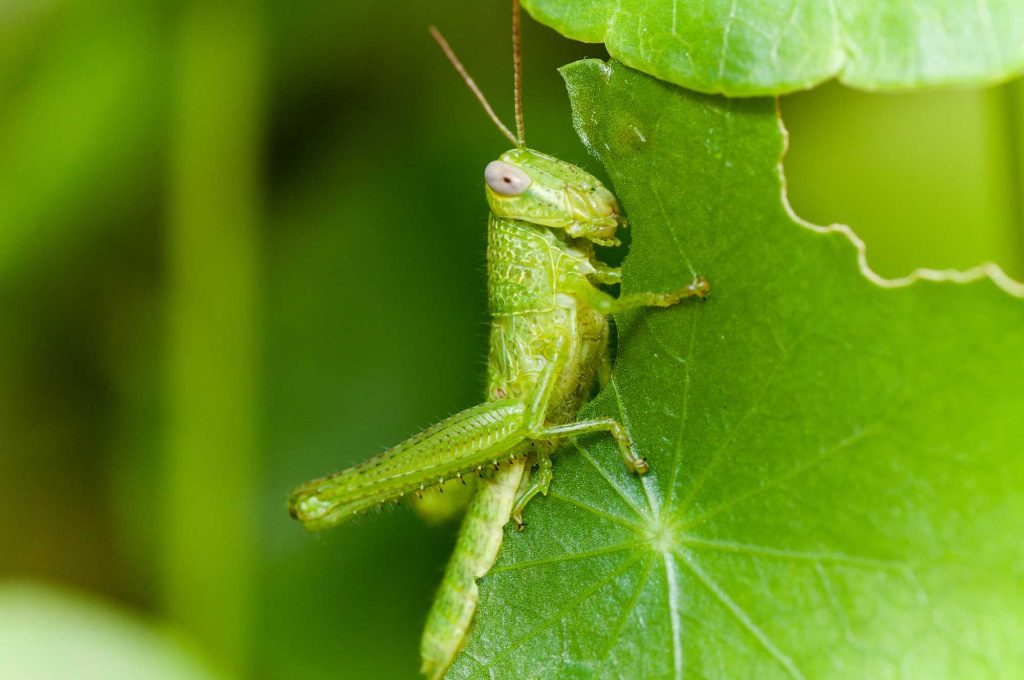
Yes, a grasshopper is indeed a consumer. In the ecosystem, consumers are organisms that cannot produce their own food and must rely on other organisms for nourishment. Grasshoppers fit this definition as they primarily feed on plants, particularly grasses and leaves, which makes them herbivores—a specific type of consumer. By consuming plant material, grasshoppers play a crucial role in the food chain, serving as a source of energy for predators like birds and small mammals. Understanding the role of grasshoppers as consumers helps illuminate the intricate connections within ecosystems, highlighting how energy flows from producers to various levels of consumers. So, whether you’re observing them in your backyard or studying them in nature, appreciating their role as consumers enriches our understanding of ecological balance.

“`html
Is a Grasshopper a Consumer?
Grasshoppers are fascinating creatures that play a vital role in many ecosystems. The question, “Is a grasshopper a consumer?” is an interesting one. To answer this, we need to explore the different types of consumers in the food chain and where grasshoppers fit in.
Understanding Consumers in the Food Chain
Consumers are organisms that cannot produce their own food and must rely on other sources to obtain energy. They play an essential part in the food web. Here are the main types of consumers:
- Primary Consumers: These are herbivores that eat plants.
- Secondary Consumers: These are carnivores that eat primary consumers.
- Tertiary Consumers: These are predators that eat secondary consumers.
Grasshoppers are classified as primary consumers because they primarily feed on plants. By understanding their role in the ecosystem, we can appreciate how important they are to the food chain.
Grasshopper Diet and Feeding Habits
Grasshoppers mainly eat grass, leaves, and other green plant materials. Their strong mandibles allow them to chew tough plant fibers. Here are some key points about their diet:
- Grasshoppers prefer fresh, tender plants.
- They may also consume flowers and seeds.
- During drought or scarcity, they can adapt and feed on less desirable plants.
This ability to adapt to different food sources shows how effective grasshoppers are as consumers within their habitats.
The Impact of Grasshoppers on Their Environment
As primary consumers, grasshoppers play a crucial role in their ecosystems. They help in:
- Controlling plant populations.
- Providing food for predators like birds, reptiles, and small mammals.
- Contributing to nutrient cycling as they break down plant material.
By consuming large amounts of vegetation, grasshoppers can significantly shape their environment and influence other species.
Grasshoppers as Prey
While grasshoppers are consumers, they also serve as prey for various animals. This dual role helps maintain balance in the ecosystem. Some of their common predators include:
- Birds: Many bird species feast on grasshoppers.
- Reptiles: Lizards and snakes often hunt them.
- Mammals: Small mammals, like rodents, will eat grasshoppers when available.
This interaction highlights the grasshopper’s position in the food chain and how it supports other species.
Grasshopper Reproduction and Lifecycle
Grasshoppers undergo a lifecycle consisting of three main stages: egg, nymph, and adult. Understanding their lifecycle is important in studying their role as consumers.
- Egg Stage: Females lay eggs in the soil or plant material.
- Nymph Stage: The young grasshoppers hatch and resemble miniature adults.
- Adult Stage: They mature into adults capable of reproduction.
Each stage of their lifecycle contributes to their role in the ecosystem as they constantly consume plant material.
Grasshoppers and Agriculture
Grasshoppers can influence agricultural practices. While they play an essential role in natural ecosystems, large populations can become pests. Farmers may face challenges due to:
- Grasshoppers damaging crops, especially during outbreaks.
- The need to manage their populations to ensure healthy harvests.
- The economic impact on farming and food supplies.
Farmers and researchers are constantly looking for sustainable ways to manage grasshopper populations to protect crops while maintaining ecological balance.
Grasshoppers and Natural Pest Control
Interestingly, while grasshoppers may be seen as pests, they also contribute to the control of other plant-eating insects. Here are a few ways they help:
- They can reduce the numbers of less desirable herbivores.
- They provide food for beneficial predators, which can help keep the ecosystem balanced.
This illustrates that grasshoppers hold a complex position in agriculture and nature.
The Importance of Grasshoppers to Biodiversity
Grasshoppers are a vital part of many ecosystems. They interact with various organisms, and their presence contributes to biodiversity. Here are some valuable benefits they provide:
- Food Source: They are a food source for many wildlife species, promoting a diverse ecosystem.
- Soil Health: Their feeding habits help break down plant materials, enriching the soil.
- Pollination: While primarily herbivores, grasshoppers can enhance pollination indirectly through their feeding habits.
Maintaining healthy grasshopper populations is essential for the overall health of the environment.
Grasshopper Adaptations
Grasshoppers have developed several adaptations that enable them to thrive in diverse environments. Some key adaptations include:
- Camouflage: Their coloration helps them blend in with their surroundings, protecting them from predators.
- Strong Legs: Their powerful hind legs allow for quick escapes and long jumps.
- Metabolism: They can adapt to varying food availability, allowing them to survive in different habitats.
These adaptations showcase the resilience of grasshoppers as primary consumers.
Grasshoppers and Climate Change
Climate change has been affecting various species, including grasshoppers. The potential impacts include:
- Changes in their habitat due to temperature and moisture fluctuations.
- Variation in plant availability, which directly influences their diet.
- Effect on their reproductive cycles and population dynamics.
Understanding these impacts is crucial for preserving grasshopper populations and their roles in ecosystems.
The Relationship Between Grasshoppers and Humans
Humans have a unique relationship with grasshoppers. In some cultures, they are seen as delicacies, while in others, they are considered pests. This relationship highlights the complexity of grasshopper interactions in human environments.
- Food Source: In many cultures, fried or roasted grasshoppers are a nutritious snack.
- Research: Studying grasshoppers can lead to advances in agriculture and ecosystem management.
- Education: Grasshoppers are often used in educational settings to teach about ecosystems and food chains.
Grasshoppers demonstrate the interconnectedness between species and humans, emphasizing the need for coexistence and understanding.
To summarize, grasshoppers are indeed consumers. They play a significant role as primary consumers in the food chain, feeding on plants and contributing to the ecosystem. Their interactions with plants and other organisms foster biodiversity and aid in maintaining ecological balance. Understanding their role as consumers helps us appreciate the complexity of nature and the importance of preserving these unique creatures.
“`
Trophic levels | Producer, primary consumer, secondary consumer, tertiary consumer & decomposers
Frequently Asked Questions
What role does a grasshopper play in the food chain?
A grasshopper primarily acts as a herbivore in the food chain. It feeds on various plants, which positions it as a primary consumer. Through its diet, a grasshopper contributes to the energy transfer within the ecosystem, as it converts plant matter into energy that can be consumed by higher-level predators.
How does a grasshopper obtain energy from its food?
A grasshopper obtains energy by consuming plant material, primarily leaves, stems, and seeds. As it digests these plants, it breaks down the carbohydrates and nutrients found in the plant cells, which provides the energy necessary for its growth, reproduction, and daily activities.
What types of plants do grasshoppers prefer to eat?
Grasshoppers typically prefer grasses, clover, and other leafy green plants. They often select young, tender leaves because these are easier to chew and provide higher nutritional value. Grasshoppers may also consume crops and wildflowers, depending on their habitat and availability.
Are grasshoppers essential for maintaining ecosystem balance?
Yes, grasshoppers play a significant role in maintaining ecosystem balance. As primary consumers, they help control plant populations by feeding on them. This grazing can promote plant diversity and prevent certain species from dominating an area, allowing a variety of plants to thrive within the ecosystem.
Do grasshoppers have any predators in their environment?
Grasshoppers face predation from various animals, including birds, rodents, and other insectivorous creatures. Their presence in the food chain supports the diets of these predators, contributing to ecological balance. This natural predation helps regulate grasshopper populations and prevents overgrazing of vegetation.
Final Thoughts
A grasshopper is indeed a consumer, as it absorbs energy by feeding on plant material. This herbivorous insect plays a significant role in the ecosystem by influencing plant growth and serving as a food source for various predators. By consuming leaves, stems, and seeds, the grasshopper contributes to nutrient cycling within its environment. In summary, understanding “is a grasshopper a consumer” highlights its crucial function in maintaining ecological balance.