Tired of crabgrass taking over your beautiful lawn? This ultimate guide provides effective tips and techniques for prevention, ensuring a healthy, weed-free turf. From pre-emergent applications to cultural practices, learn how to keep this invasive annual grass at bay.
Ah, crabgrass. Just the mention of its name can send shivers down the spine of any homeowner who takes pride in their lawn. This stubborn, annual grassy weed is a master of disguise, often blending in with your desirable turf until it’s too late. By the time you spot its clumpy, sprawling growth and distinctive seed heads, it’s already established itself and is well on its way to ruining your carefully manicured landscape. But don’t despair! With the right knowledge and a proactive approach, you can effectively prevent crabgrass from ever taking hold.
This isn’t about just reacting when you see it; it’s about getting ahead of the game. Crabgrass is an opportunistic invader, thriving in thin lawns and warm conditions. Our ultimate guide to crabgrass prevention will equip you with the most effective tips and techniques to ensure your lawn remains a lush, green carpet, free from this unwelcome guest. Let’s dive into how you can achieve a truly crabgrass-free yard.
- Timing is Everything: Crabgrass prevention is most effective when timed correctly, ideally in early spring before the weed germinates.
- Pre-emergent Herbicides: These are the first line of defense, creating a barrier that stops crabgrass seeds from sprouting.
- Healthy Lawn Practices: A dense, healthy lawn is the best natural defense against crabgrass.
- Proper Mowing: Mowing at the correct height encourages deeper root growth and shades out weed seeds.
- Adequate Watering: Consistent, deep watering promotes a robust turf that can outcompete weeds.
- Soil Health Matters: Well-balanced soil supports strong turf growth, making it harder for crabgrass to establish.
- Diligence is Key: Preventing crabgrass is an ongoing process that requires consistent attention throughout the growing season.
Quick Answers to Common Questions
What is the most effective way to prevent crabgrass?
The most effective way to prevent crabgrass is through timely application of pre-emergent herbicides in early spring before the weed seeds germinate, combined with maintaining a healthy, dense turf through proper mowing, watering, and fertilization.
When should I apply crabgrass preventer?
Crabgrass preventers (pre-emergent herbicides) should be applied in early spring when soil temperatures consistently reach around 55-60°F (13-16°C), often signaled by early spring blooms like forsythia.
Can I seed my lawn after applying crabgrass preventer?
Generally, you should wait at least 4-8 weeks after applying most pre-emergent crabgrass preventers before seeding your lawn, as they can inhibit the germination of desirable grass seeds as well. Always check the product label for specific waiting periods.
What should I do if I see crabgrass already growing in my lawn?
If you see crabgrass already growing, pre-emergent treatment will not be effective. You will need to use a post-emergent herbicide specifically labeled for crabgrass control, or pull the weeds by hand before they go to seed.
How long does crabgrass live?
Crabgrass is an annual weed, meaning it germinates from seed each year, grows throughout the warm season, and dies with the first frost. It does not perennialize or survive the winter in most climates.
📑 Table of Contents
Understanding Your Enemy: What is Crabgrass?
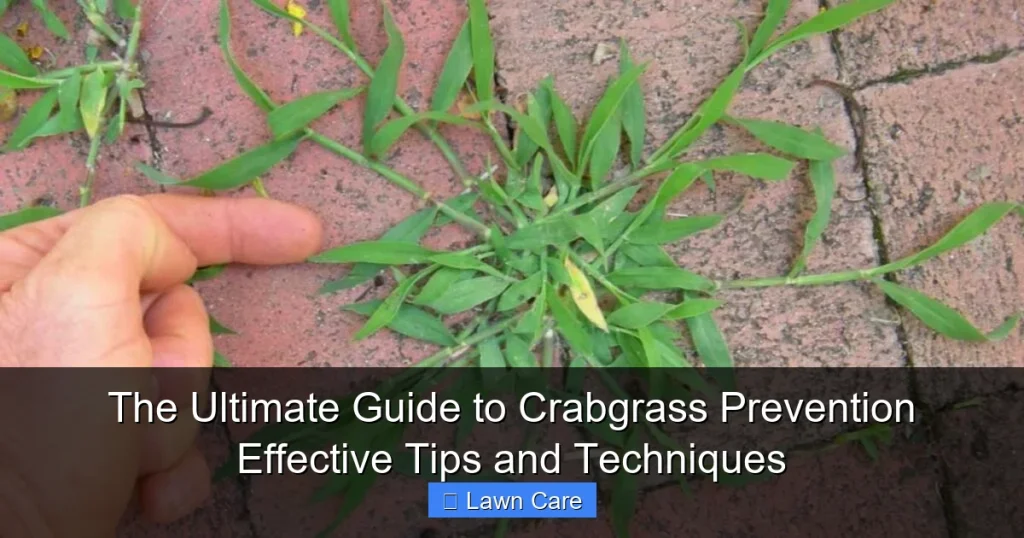
Before we can fight it, we need to understand it. Crabgrass ( _Digitaria_ spp.) is an annual grassy weed, meaning it germinates from seed each year, grows throughout the warm season, and dies off with the first frost. This annual nature is key to its prevention. It thrives in compacted soil, thin turf areas, and lawns that are mowed too short. Its growth habit is distinctive: it forms a low-growing, spreading clump with finger-like seed heads that emerge from the stem. While it might look similar to some desirable grasses when young, its mature form is easily recognizable and detrimental to lawn aesthetics.
Why is Crabgrass a Problem?
Beyond being unsightly, crabgrass outcompetes your desirable lawn grasses for vital resources like water, nutrients, and sunlight. This competition weakens your turf, making it more susceptible to diseases and other pests. Because it’s an annual, it leaves behind bare patches when it dies in the fall, which can then become prime real estate for more weed seeds to settle in for the next season. This creates a frustrating cycle that’s hard to break without a solid prevention strategy.
Crabgrass vs. Other Grasses
It’s easy to confuse crabgrass with other grasses, both desirable and undesirable. For instance, it’s sometimes mistaken for quackgrass, which is a perennial, or even some types of Bermuda grass. However, crabgrass has a unique growth pattern and produces those tell-tale seed heads. Understanding its specific characteristics is the first step in identifying and preventing it. Understanding the difference between crabgrass and regular grass is crucial for effective control.
The Power of Prevention: Timing is Everything
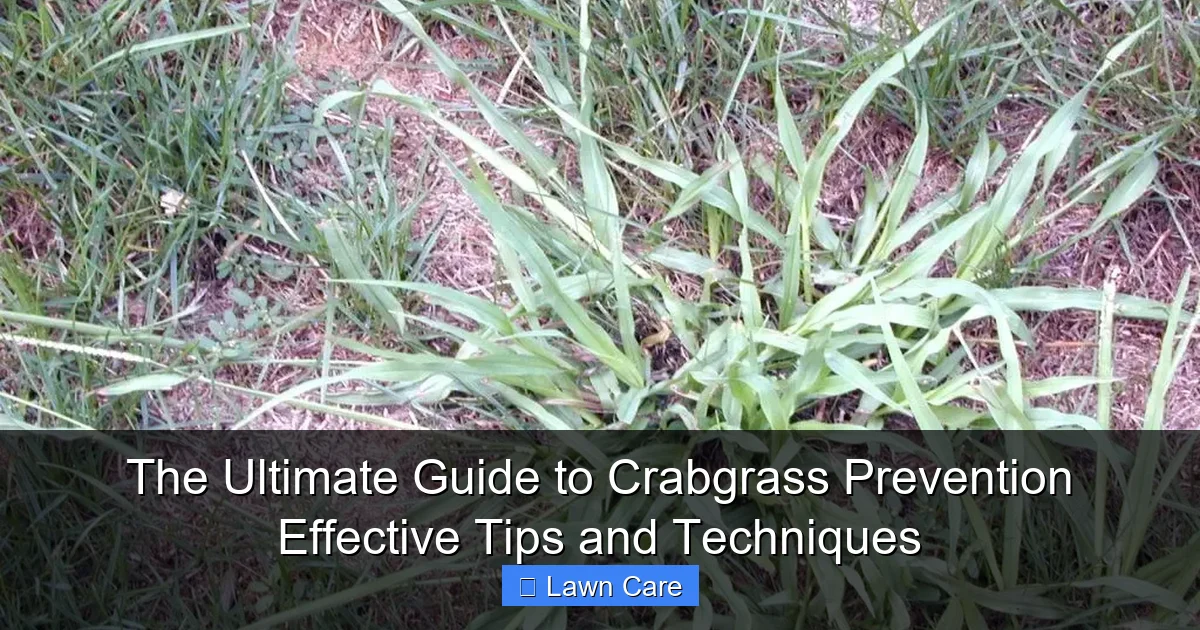
Visual guide about The Ultimate Guide to Crabgrass Prevention Effective Tips and Techniques
Image source: patch.com
The most effective way to deal with crabgrass is to stop it before it even starts. This means understanding its life cycle and acting at the right time. Crabgrass seeds are present in almost every lawn, waiting for the right conditions to germinate. These conditions typically occur in early spring when soil temperatures consistently reach around 55-60°F (13-16°C).
When Does Crabgrass Germinate?
In most temperate climates, this germination window typically begins in early to mid-spring, often coinciding with the blooming of forsythia or when the first dandelions start to flower. This is your cue. You need to apply pre-emergent herbicides *before* the soil temperatures reach this critical point. Waiting until you see the weeds is too late for prevention; it then becomes a matter of control. When is the best time to apply crabgrass pre-emergent can vary slightly by region, so knowing your local climate is key.
The Role of Pre-Emergent Herbicides
Pre-emergent herbicides are granular or liquid chemicals that, when applied to the soil, form a barrier that prevents weed seeds from germinating and establishing roots. They don’t kill existing weeds; they stop new ones from growing. For crabgrass prevention, this is your absolute best tool. Applied correctly and at the right time, pre-emergents can drastically reduce the amount of crabgrass that makes it through the season.
Choosing the Right Pre-Emergent
There are many pre-emergent herbicides on the market, containing active ingredients like dithiopyr, prodiamine, or pendimethalin. Your choice might depend on your specific lawn type, local regulations, and whether you want a product that also provides some fertilization. Always read and follow the product label carefully for application rates and timing. Some products are formulated to be applied alongside fertilizer, offering a dual benefit.
Application Tips for Pre-Emergents
* Water In: Most pre-emergent herbicides require light watering after application to activate them and move them into the soil where they can form their barrier.
* **Avoid Disturbance:** Once applied, try to avoid excessive raking, digging, or dethatching that can break up the herbicide barrier.
* **Follow-Up Applications:** In some cases, a second application might be recommended later in the spring to ensure continued protection, especially if the spring season is long and cool.
Cultivating a Healthy Lawn: Your Best Defense
While pre-emergent herbicides are crucial, they are just one part of the equation. A truly crabgrass-resistant lawn is a healthy, dense lawn. Think of it as building a strong fortress that weeds find hard to penetrate. This involves focusing on the fundamental elements of good lawn care.
Proper Mowing Techniques
Mowing your lawn at the correct height is surprisingly important for crabgrass prevention. Most desirable turfgrasses, like fescues or bluegrasses, benefit from being mowed higher. A higher mowing height (usually 2.5-3.5 inches, depending on grass type) encourages deeper root growth and creates a denser canopy of grass blades. This shade helps prevent crabgrass seeds from germinating by keeping the soil cooler and darker. Conversely, mowing too short stresses your turf and opens up opportunities for weeds. For more on this, check out A Beginners Guide To Lawn Mowing Techniques And Equipment.
Smart Watering Practices
Consistent, deep watering is vital for a healthy lawn. Shallow, frequent watering encourages shallow root systems, making your grass weaker and more prone to drought stress – conditions that crabgrass loves. Aim to water deeply and infrequently, allowing the soil to dry out slightly between waterings. This promotes the growth of deep, resilient roots that can better withstand competition from weeds. Learning about The Ultimate Guide To Lawn Watering Schedules And Techniques can make a significant difference.
Soil Health and Fertilization
Healthy soil is the foundation of a healthy lawn. Regular soil testing can reveal nutrient deficiencies or pH imbalances that are hindering your turf’s growth. Applying a balanced fertilizer at the right times can help your grass thrive and outcompete weeds. Over-fertilizing, especially with high-nitrogen fertilizers in the summer, can sometimes encourage weed growth too, so it’s about feeding your lawn appropriately. Explore The Ultimate Guide To Lawn Fertilization And Feeding for detailed advice.
Aeration and Dethatching
Compacted soil and excessive thatch (a layer of dead grass stems and roots) can create an ideal environment for crabgrass to germinate. Core aeration helps to alleviate soil compaction, allowing water, air, and nutrients to reach the roots of your turfgrass. Dethatching removes that thick layer of organic matter, again improving soil conditions and air circulation. These practices are often best performed in the fall or spring, depending on your grass type.
Post-Emergent Control: When Prevention Fails
Despite your best efforts, some crabgrass might still manage to sprout. When this happens, you’ll need to switch from prevention to control. The key here is to act quickly before the crabgrass can produce seeds.
Identifying Crabgrass in Your Lawn
Recognizing crabgrass when it’s young is easier than when it’s mature. Look for low-growing, spreading patches with thinner blades than your desirable turf. As it matures, you’ll see the characteristic clumpy growth and the distinct finger-like seed heads at the top of the stems. It often starts in bare or thin spots, along walkways, or driveways. If you’re unsure, consulting a guide on The Ultimate Guide To Lawn Weed Identification And Control can be very helpful.
Choosing the Right Post-Emergent Herbicide
There are specific post-emergent herbicides designed to kill crabgrass. These are typically selective herbicides, meaning they target grassy weeds like crabgrass without harming your broadleaf lawn grasses. Look for products containing active ingredients such as quinclorac, fenoxaprop-ethyl, or mesotrione.
When to Apply Post-Emergent Herbicides
The effectiveness of post-emergent herbicides is highest when applied to actively growing crabgrass that is still relatively young and before it has gone to seed. This is generally in the late spring and early summer. If you wait until the crabgrass has produced seeds, you might kill the plant, but the seeds can still spread and germinate next year. When is the best time to kill crabgrass is a critical question for successful control.
Application and Follow-Up
* Read the Label: Always read and follow the instructions on the herbicide label. Different products have different application rates and methods.
* Spot Treatment: For smaller infestations, spot treating individual patches of crabgrass can be more efficient and less costly than treating the entire lawn.
* Repeat Applications: Some crabgrass plants might emerge after the initial treatment. You may need a second application a few weeks later to catch any stragglers.
* Be Patient: It might take a week or two to see the full effects of the herbicide. The crabgrass will typically turn yellow or brown and die.
Manual Removal: The Hands-On Approach
For very small infestations, especially if you prefer an organic approach or want to avoid herbicides, manual removal is an option.
Pulling Crabgrass by Hand
Crabgrass is easiest to pull by hand when the soil is moist. Water the area thoroughly for about 30 minutes before attempting to pull. Grip the weed firmly at its base and pull steadily upward. The goal is to remove the entire root system. If you leave any roots behind, the plant may regrow. This method is labor-intensive but very effective for scattered weeds. Remember, When is the best time to pull crabgrass is when it’s young and the soil is damp.
Using Tools for Removal
Various hand tools can assist in removing crabgrass. A garden trowel or a weeding fork can help loosen the soil around the roots, making them easier to extract. For larger areas with significant weed pressure, consider tools that can get closer to the ground, like a hoe, but be careful not to damage your desirable turf.
Disposal of Removed Weeds
Once you’ve pulled or dug out crabgrass, it’s crucial to dispose of it properly. Do not leave the pulled weeds on your lawn, as they can reroot or drop seeds. Bag them and put them in your compost bin if it gets hot enough to kill the seeds, or simply dispose of them in your yard waste bin.
Maintaining a Crabgrass-Free Lawn Long-Term
Preventing crabgrass isn’t a one-time event; it’s an ongoing commitment to maintaining a healthy lawn. By consistently applying preventive measures and good cultural practices, you can keep this invasive weed at bay year after year.
Seasonal Lawn Care Checklist
* **Early Spring:** Apply pre-emergent herbicide before temperatures rise.
* **Late Spring/Early Summer:** Monitor for any escaped crabgrass and treat with post-emergent herbicides or pull by hand. Ensure proper mowing and watering.
* **Summer:** Continue with proper mowing and watering. Address any bare spots that may have resulted from crabgrass death.
* **Fall:** Overseed thin areas, aerate and dethatch if needed, and apply a fall fertilizer. This is also a good time to consider a pre-emergent application for cool-season weeds, which can indirectly help by outcompeting them.
Integrated Pest Management (IPM) Approach
Consider an Integrated Pest Management (IPM) approach. This means using a combination of strategies – cultural, mechanical, and chemical – to manage weeds. Relying solely on one method is rarely as effective as a multifaceted approach. For instance, a healthy, dense lawn (cultural) is your first line of defense, followed by timely pre-emergent applications (chemical), and then hand-pulling for escapees (mechanical).
Dealing with Established Crabgrass
If you have a severe crabgrass problem that persists year after year, you might consider reseeding or overseeding your lawn in the fall. This helps to fill in the thin areas where crabgrass thrives. Choosing a dense, resilient turf variety suited to your climate is also important. For severely infested areas, you might even consider a complete lawn renovation. Understanding What is the difference between crabgrass and Bermuda grass, or other common lawn grasses, helps in identifying the best strategies for your specific situation.
Crabgrass can be a persistent nuisance, but with the right knowledge and consistent effort, you can keep it from ruining your lawn. By understanding its life cycle, employing timely pre-emergent applications, and nurturing a healthy, dense turf through proper mowing, watering, and soil management, you can achieve the lush, green lawn you’ve always dreamed of. Don’t let crabgrass win; take control with these effective prevention strategies!
Frequently Asked Questions
How often should I apply crabgrass preventer?
Most pre-emergent crabgrass preventers provide protection for several weeks. Depending on the product and your climate, a second application in late spring might be recommended for extended coverage.
Is it too late to prevent crabgrass if my lawn is already green?
If your lawn is already green and you haven’t applied a pre-emergent, it might be too late for preventative measures. You’ll likely need to focus on post-emergent control for any crabgrass that germinates.
Will a healthy lawn prevent crabgrass entirely?
While a healthy, dense lawn is the best natural defense and can significantly reduce crabgrass populations, it may not entirely prevent it. Combining healthy lawn practices with pre-emergent treatments offers the most robust prevention strategy.
Can I use a weed and feed product for crabgrass prevention?
Many “weed and feed” products contain pre-emergent herbicides that can help prevent crabgrass. Ensure the product label specifically states it prevents crabgrass and apply it at the correct time in early spring.
What are the signs that crabgrass is spreading?
Signs of spreading crabgrass include patchy, irregular growth patterns, especially in areas with thin turf, along sidewalks, or in sunny, hot spots. You’ll also start to see its distinctive clumpy, spreading habit and finger-like seed heads as it matures.
Does crabgrass die in the winter?
Yes, crabgrass is an annual weed. It dies off completely with the first hard frost in the fall and the next year’s infestation comes from seeds that have overwintered in the soil.