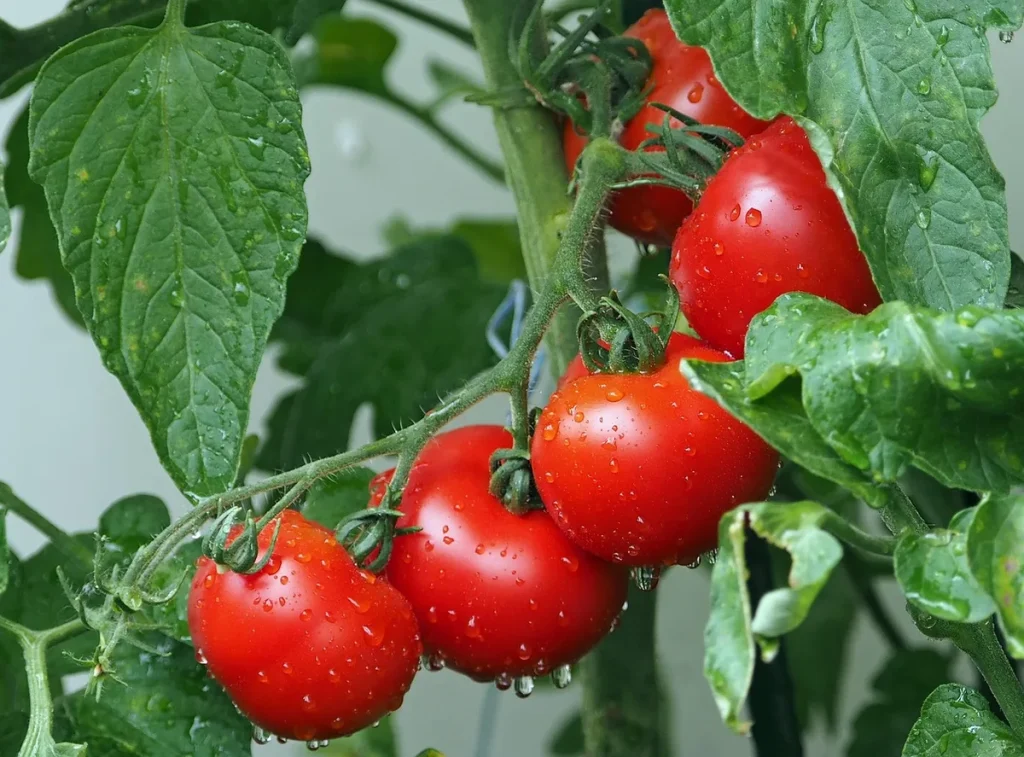
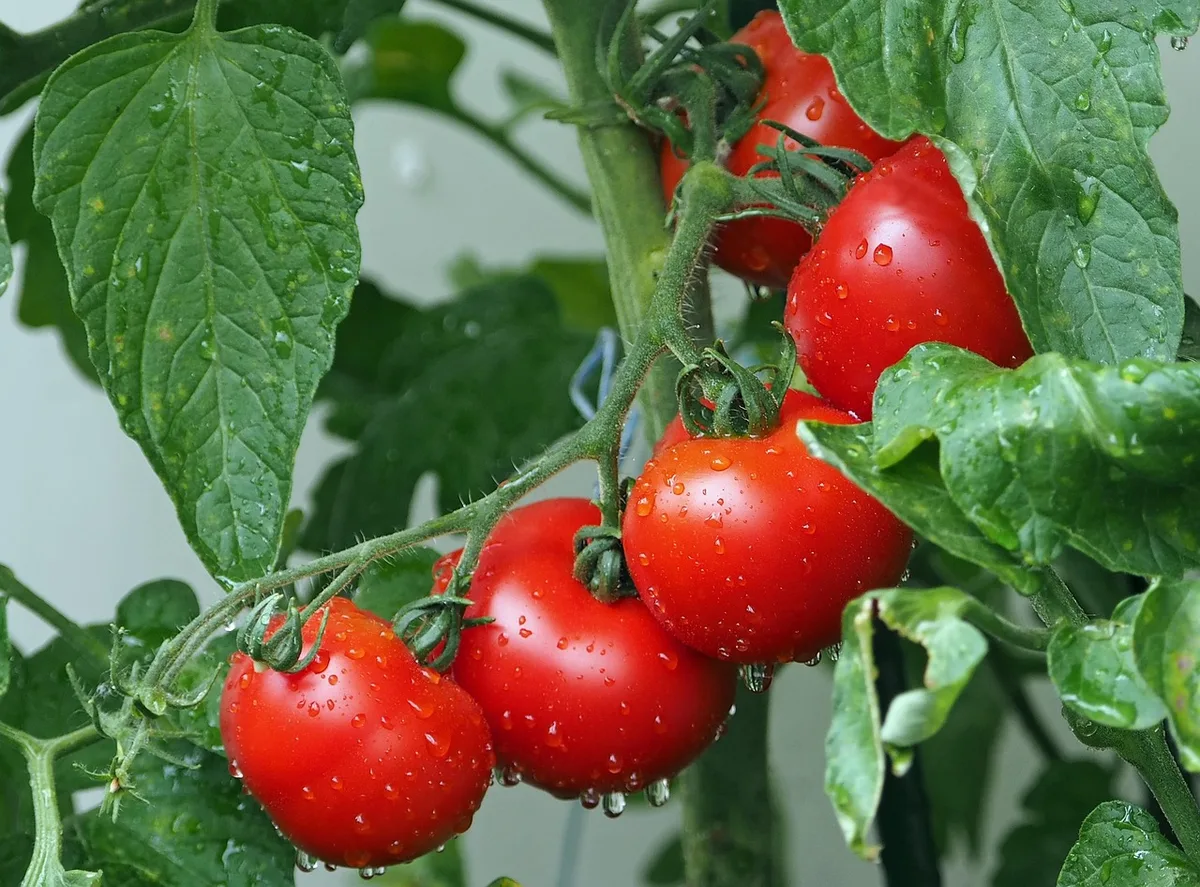
Image source: Pixabay / kie-ker (Pixabay Content License)
You've probably stood in the kitchen holding a pack of wrinkled tomatoes on the vine, wondering if they're past their prime or still perfectly good. It's one of those small daily food decisions that feels oddly high-stakes, especially when you're trying not to waste money or, worse, accidentally eat something off.
The truth is, wrinkling alone doesn't mean your tomatoes are done for. It depends on what else is going on: the firmness, the smell, whether there's mold, and how they've been stored. Per UC Davis Postharvest Technology Center research, tomatoes lose moisture rapidly after reaching peak ripeness, which is what causes that wrinkled look in the first place.
So let's walk through exactly how to read what your tomatoes are telling you, and what to do next.
Quick Answer: When Wrinkled Tomatoes Are Still Fine (and When They're Not)
Wrinkled tomatoes on the vine are safe to eat if the skin is intact, there's no mold, and they smell normal. Light wrinkling with firm flesh means they're still fine for eating raw. Deep wrinkles with soft texture mean cook them immediately.
Any visible mold, fermented smell, or split skin means compost them. The wrinkle itself is just moisture loss, not spoilage.
Why Tomatoes Wrinkle on the Vine in the First Place
Wrinkling is basically dehydration. Once a tomato reaches full ripeness, it starts losing moisture through its skin faster than the plant can replace it. This is especially common with tomatoes on the vine after they've been harvested, because the vine itself continues to draw a small amount of moisture from the fruit.
A few things speed this up. Warm, dry air pulls moisture out faster. Refrigeration below 55°F (13°C) actually damages tomato cell structure, which paradoxically makes them lose moisture and go mealy once brought back to room temperature.
And tomatoes stored stem-side up lose moisture through the scar where the stem was attached, which is why orientation matters more than most people realize.
The sugar content in a wrinkled tomato is often more concentrated than in a firm one. That's because as water evaporates, the natural sugars become denser. For cooking purposes, this can actually be a benefit.
A slightly wrinkled tomato will often taste more intense in a sauce or roast than a perfectly plump one.
How to Inspect a Wrinkled Tomato: The 4-Point Check
Don't rely on looks alone. A proper inspection takes about 30 seconds and uses four senses: sight, touch, smell, and one quick cut. Here's the order that makes the most sense.
Visual Inspection (Skin, Color, Mold)
Start with what you can see. Look at the skin all the way around. Light wrinkling across the surface is normal dehydration.
What you're watching for is anything that doesn't belong: white, green, or black fuzzy patches (mold), dark soft spots, or cracks in the skin.
Check the stem area closely. That's where mold usually shows up first because it's the most vulnerable point. If the stem is dry and brown but the tomato skin around it looks clean, that's fine.
If there's any fuzz or dark discoloration radiating out from the stem, that tomato needs to go.
Color should still be vibrant. A fully red tomato with wrinkles is in a different situation than one that's turning brown or developing dark patches. Uneven color with green shoulders is normal for some varieties and doesn't indicate a problem.
The Squeeze Test (Firmness and Skin Integrity)
Gently squeeze the tomato. You're not trying to crush it, just feeling for resistance. A tomato that's wrinkled but still has some give and bounce-back is in good shape.
The skin should feel taut even if it's creased.
If it feels mushy, like there's no structure inside, that's a sign the cell walls have broken down. That's not dangerous on its own, but it means the tomato is at the end of its usable life and should be cooked immediately if there's no mold.
Watch for skin splits when you squeeze. A tomato that wrinkles but keeps its skin intact is holding up. One that cracks or splits under light pressure has gone past the point of no return for eating raw.
Smell Check (What's Normal vs. What's Off)
Bring the tomato up to your nose, especially near the stem scar. A good tomato smells sweet, earthy, and distinctly "tomatoey." A wrinkled but healthy tomato will still have that smell, sometimes even more concentrated.
A sour, fermented, or musty smell means microbial activity has started. That's your cue to stop the inspection and compost it. Trust your nose on this one.
If something smells wrong, it doesn't matter how good the tomato looks.
Cut It Open (Internal Condition)
If the tomato passes the first three checks, cut it open. You're looking at the interior flesh and the seed cavities. The inside should look juicy and uniform in color.
A little dryness around the seed line is normal in an older tomato.
Any mold on the inside, dark streaks, or a hollow, mealy texture means the tomato is past its best. It's not necessarily unsafe if there's no mold, but the eating quality will be poor.
Image source: Pixabay / leoleobobeo (Pixabay Content License)
What to Do Based on What You Find: A Decision Guide
Once you've run through the four-point check, you'll land in one of three categories. Here's what each one means and what to do.
Light Wrinkles, Firm, Good Smell — Eat or Cook
This is the best-case scenario. Your tomato has lost some moisture but is still structurally sound. It's perfectly fine to eat raw in salads or sandwiches, though the texture might be slightly less juicy than a firm tomato.
These tomatoes are also great for cooking. Slice them up for roasting, throw them into a pasta sauce, or blend them into soup. They've got a few days of usable life left if stored properly at room temperature.
Deep Wrinkles, Soft but No Mold — Cook Immediately
The tomato is heavily dehydrated and the flesh has softened, but there's no microbial growth. This is your "use it today" category. Don't try to eat these raw, the texture won't be pleasant.
They're ideal for cooked applications where texture doesn't matter. Think tomato sauce, shakshuka, roasted tomato soup, or any dish where the tomato gets broken down anyway. The concentrated flavor from the moisture loss can actually make these taste better in a sauce than a fresh, firm tomato.
Any Mold, Fermented Smell, or Split Skin — Compost It
This is the non-negotiable category. If you see mold anywhere, smell fermentation, or the skin has split open, the tomato goes in the compost bin. Do not try to cut the moldy part off and use the rest.
The USDA is clear on this for soft, high-moisture produce like tomatoes: mold on the surface means the roots (hyphae) have likely penetrated deep into the flesh, even if you can't see it. Unlike hard cheeses or firm vegetables where you can cut around mold, tomatoes are too soft for that approach to be safe.
Image source: Pixabay / experimentMR (Pixabay Content License)
Can You Still Cook with Wrinkled Tomatoes?
Absolutely. In fact, some cooks actively seek out slightly wrinkled tomatoes for cooking because the flavor is more concentrated. When a tomato loses water, the sugars, acids, and flavor compounds become more densely packed.
That means more tomato flavor per bite.
Roasting is one of the best uses. The oven drives off even more moisture and caramelizes the sugars, turning a wrinkled tomato into something deeply flavorful. Slice them in half, drizzle with olive oil, and roast at 400°F (200°C) for about 25 minutes.
Sauces and soups are another natural fit. Since you're cooking the tomatoes down anyway, the starting texture barely matters. Wrinkled tomatoes break down faster, which can actually save you time on the stove.
If you've got a batch that's too far gone to use right now but still passes the safety checks, you can freeze them. Wash, core, and freeze whole in a freezer bag. They'll be mushy when thawed (so don't plan to eat them raw), but they'll work perfectly in cooked dishes for months.
How to Store Tomatoes on the Vine to Slow Wrinkling
Getting the storage right can add days to the life of your tomatoes. It's not complicated, but a few common mistakes will speed up wrinkling fast.
Room temperature is your friend. Store tomatoes on the vine at room temperature, ideally between 55°F and 70°F (13°C to 21°C). The refrigerator is the enemy of tomato flavor and texture.
Research from the UC Davis Postharvest Technology Center confirms that temperatures below 55°F break down the volatile compounds that give tomatoes their flavor, and they damage cell walls in a way that accelerates moisture loss once the fruit comes back out.
Stem-side down matters more than you'd think. Place tomatoes with the stem scar facing down on a flat surface. That scar is the main exit point for moisture.
Putting it against the counter seals it slightly and slows dehydration. It's a small thing, but it genuinely extends shelf life by a day or two.
Keep them out of direct sunlight. A sunny windowsill might look nice, but it speeds up uneven ripening and moisture loss. A countertop in a shaded spot or a bowl in the pantry is better.
You want steady, cool room temperature without temperature swings.
Don't bag them. Plastic bags trap ethylene gas and moisture, which speeds up both ripening and mold growth. Tomatoes on the vine need airflow.
Leave them out on the counter or in an open bowl.
If you've got a pack of TOV from the supermarket and you won't use them within a couple of days, consider separating a few from the vine and using those first. The ones left attached to the vine tend to last a bit longer because the vine provides a tiny amount of continued moisture and nutrient flow.
Image source: Pixabay / Engin_Akyurt (Pixabay Content License)
Common Mistakes That Make Tomatoes Wrinkle Faster
Some of the things we do instinctively with produce actually work against us with tomatoes. Here are the biggest offenders.
Refrigerating them too early. This is the number one mistake. People see a tomato that's fully ripe and think the fridge will "save" it.
It won't. Cold damages the cell structure, and when you take it out, it deteriorates faster than if you'd just left it on the counter. Only refrigerate if a tomato is fully ripe and you need to buy yourself an extra day or two.
Even then, let it come back to room temperature before eating.
Storing them stem-side up. As mentioned above, the stem scar is where most moisture escapes. Leaving it facing up is like leaving a door open.
Flip them over.
Keeping them in the plastic clamshell. Supermarket packaging is designed for transport, not storage. Those little containers trap humidity and ethylene.
Transfer your tomatoes to an open bowl or leave them on the counter as soon as you get home.
Putting them near bananas or apples. Both of those fruits release ethylene gas, which accelerates ripening. If your tomatoes are already ripe, nearby ethylene producers will push them past peak faster.
Keep them in separate areas of the kitchen.
Washing them before you're ready to use them. Moisture on the skin invites mold. Only wash tomatoes right before you eat or cook with them.
Wrinkled vs. Shriveled vs. Overripe — What's the Difference?
These three terms get used interchangeably, but they describe different stages. Knowing the difference helps you decide what to do with each tomato.
Wrinkled means the skin has creased and folded due to moisture loss, but the tomato is still structurally intact. The flesh is firm or only slightly soft. This is the "still good" stage.
You can eat these raw or cook with them.
Shriveled is the next stage past wrinkled. The tomato has lost significant volume, the skin is deeply creased and may feel papery, and the flesh inside is often dry or mealy. A shriveled tomato without mold is still safe to eat, but the texture will be poor.
These are best used in cooked dishes where they'll be blended or broken down, or composted if the quality is too far gone.
Overripe is a broader term that includes wrinkling but also refers to a tomato that's past its peak in terms of flavor and texture. An overripe tomato might be wrinkled, soft, and starting to develop off-flavors. It's not necessarily spoiled, but it's past its best.
Overripe tomatoes are ideal for cooking, especially sauces and soups where you're building flavor through long cooking times.
| Condition | Appearance | Texture | Best Use |
|---|---|---|---|
| Wrinkled | Creased skin, still colorful | Firm to slightly soft | Raw eating or cooking |
| Shriveled | Deeply creased, papery skin | Dry, mealy, or hollow | Cooking only (sauces, soups) |
| Overripe | Wrinkled, possibly soft spots | Soft, may have off-flavors | Cooking immediately |
When Wrinkled Tomatoes Are Actually Better (Concentrated Flavor)
Here's the part that might change how you shop. Slightly wrinkled tomatoes can be a genuine upgrade for cooking, and some chefs actually prefer them.
As a tomato loses water, the sugars and glutamic acid (the compound responsible for umami) become more concentrated. That means a wrinkled tomato can taste richer and more intensely "tomato" than a firm, waterlogged one. For dishes where tomato is the star, that concentration is exactly what you want.
Roasted tomatoes benefit hugely from starting with slightly wrinkled fruit. Less water in the tomato means faster caramelization and a more intense finished product. You get deeper color and more complex flavor in less time.
Tomato sauce is another winner. Wrinkled tomatoes break down faster on the stove, and the concentrated flavor means you need less reduction time to build a rich, thick sauce. Many Italian home cooks specifically let their tomatoes sit for a day or two before making sauce for this reason.
Soups and stews also benefit. When the tomato is going to be simmered for 30 minutes or more anyway, starting with a wrinkled one gives you a head start on flavor development.
If you see a pack of wrinkled TOV marked down at the grocery store and they pass the four-point check, grab them. You're getting the same tomato at a lower price with potentially better cooking flavor. Just plan to use them within a day or two.
Safety Note: Mold, Botulism Risk, and When to Be Cautious
Let's talk about the safety side, because this is where getting it wrong actually matters.
Mold on tomatoes means discard. Full stop. The USDA Food Safety and Inspection Service is clear that mold on soft, high-moisture produce like tomatoes cannot be cut away safely.
Unlike a hard cheese or a carrot where you can trim an inch around the mold and use the rest, tomato flesh is too soft. Mold roots penetrate deep below what you can see. If there's mold anywhere on the tomato, the whole thing goes.
Botulism is a specific concern with canned or preserved tomatoes. Clostridium botulinum thrives in low-oxygen, low-acid environments. Fresh tomatoes are acidic enough to resist botulism under normal circumstances, but if you're home-canning tomato products, proper acidification is critical.
The National Center for Home Food Preservation at the University of Georgia provides tested recipes that include added citric acid or lemon juice to ensure safety. Don't improvise with canning recipes.
For fresh tomatoes, the main risks are mold and bacterial spoilage. A tomato that smells fermented or sour has been colonized by bacteria or yeast. It won't necessarily make you severely ill, but it can cause stomach upset and it's not worth the risk.
When in doubt, throw it out.
People with compromised immune systems should be extra cautious. If you're immunocompromised, pregnant, or serving food to young children or elderly family members, err on the side of discarding any tomato that shows signs of spoilage. The consequences of foodborne illness are more severe for these groups.
The bottom line on safety is simple. Wrinkled is fine. Moldy is not.
Smell bad is not. When you're looking at a tomato and something feels off, trust that instinct and compost it. A tomato costs a few cents.
A stomach bug costs a lot more.
Quick FAQ
Can you eat wrinkled tomatoes on the vine?
Yes, if the skin is intact, there's no mold, and they smell normal. Wrinkling is just moisture loss, not spoilage. Light wrinkles with firm flesh are fine for eating raw.
Deep wrinkles mean cook them soon.
How long do tomatoes on the vine last after buying?
At room temperature, tomatoes on the vine typically last 3 to 7 days after reaching full ripeness. Storing them stem-side down and away from direct sunlight can extend that by a day or two.
Is it safe to eat a tomato with wrinkled skin but no mold?
Yes. A wrinkled tomato without mold, off-odors, or split skin is safe to eat. The texture may be slightly softer, but the flavor can actually be more concentrated and better for cooking.
What does mold on a tomato look like?
Mold appears as fuzzy white, green, or black patches, often starting around the stem scar. If you see any mold on a tomato, discard the entire fruit. Do not try to cut the moldy part off.
Should you refrigerate tomatoes on the vine?
No. Refrigeration below 55°F (13°C) damages tomato cell structure and breaks down flavor compounds. Store them at room temperature, stem-side down, in a shaded spot.
Can you cook with shriveled tomatoes?
Yes, shriveled tomatoes without mold are safe to cook with. They're best used in sauces, soups, and roasted dishes where the concentrated flavor is an advantage and texture doesn't matter.
The Bottom Line: A Simple Wrinkled Tomato Decision Flow
When you pick up a wrinkled tomato on the vine, run through this quick flow. It takes about 30 seconds and covers every scenario.
Step 1: Look. Check for mold, dark spots, or split skin. If you see any of these, compost it. Done.
Step 2: Squeeze. Is it firm with some give, or mushy? Firm means eat or cook as you like. Mushy means cook it today.
Step 3: Smell. Sweet and earthy is good. Sour, fermented, or musty means toss it.
Step 4: Cut. If everything else passes, slice it open. Check the interior for mold or unusual discoloration. If it looks good, use it.
That's it. Wrinkled tomatoes are one of those things that seem complicated until you know what to look for. Once you've done the check a few times, it becomes second nature.
And the next time you see a discounted pack of wrinkled TOV at the store, you'll know exactly whether it's a smart buy or one to walk past.