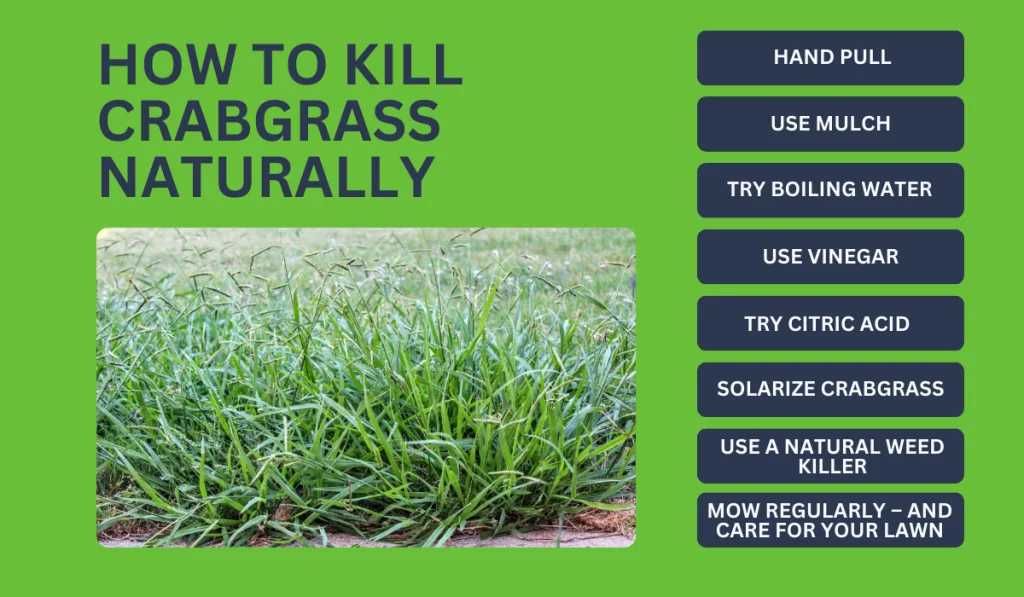
The best time to pull crabgrass is early in the season, ideally when the young plants are just emerging. Acting promptly can prevent it from spreading and taking over your lawn. The key is to catch crabgrass before it matures and begins to produce seeds, which makes removal much easier and more effective.
In short, pull crabgrass as soon as you notice the small, light green patches emerging in the spring or early summer. This prevents it from establishing deep roots and spreading further. Timely removal during these early stages is your best shot at keeping your lawn healthy and crabgrass-free.
Once warm weather begins and crabgrass starts sprouting, it can quickly become a tough battle. Since crabgrass thrives in hot, sunny conditions, the ideal window for pulling it out is right when it’s young and tender—usually in early spring or early summer, before it fully takes hold. Waiting too long means the roots will be more entrenched, and seeds will have spread, making eradication much harder. Regular lawn maintenance, combined with early removal, keeps your yard looking lush and weed-free.

When is the Best Time to Pull Crabgrass
Knowing the right time to pull crabgrass can make a big difference in keeping your lawn healthy and beautiful. Crabgrass is a stubborn weed that spreads quickly during warm months. Timing is key to removing it effectively and preventing it from coming back.
Understanding Crabgrass Growth Cycles
Crabgrass usually begins to grow when soil temperatures reach around 55°F to 60°F. It grows rapidly during late spring and early summer. Recognizing its growth cycle helps you decide the best time to remove it.
Germination Period
Crabgrass seeds typically germinate in late spring, around April to June depending on your location. During this time, seedlings are small and easier to pull out by hand or control with targeted treatments.
Active Growing Season
Once established, crabgrass becomes more aggressive. It tends to grow vigorously during summer months when temperatures are consistently warm. Removing it early before it spreads further is ideal.
Why Timing Matters When Removing Crabgrass
Pulling crabgrass at the right time helps prevent it from seeding and spreading across your lawn. If you wait too long, the weed can produce seeds that lead to more crabgrass next season. Early removal is often more effective and less labor-intensive.
Early Spring Removal
Removing crabgrass early in spring before it germinates can stop weeds from establishing. This approach is preventive and reduces the need for chemical treatments later.
Late Spring and Early Summer
This is the ideal window to pull young crabgrass plants. It’s easier to remove before they produce flowers and seeds. Consistent monitoring during this period is important for success.
Methods for Removing Crabgrass Based on Timing
Different approaches work best depending on the timing of your removal. Understanding when and how to act ensures better results and a healthier lawn.
Hand Pulling
Hand pulling crabgrass works best when the plants are young and small. Make sure to pull out the entire root to prevent regrowth. It’s a good option for small infestations or for those who prefer organic methods.
Using Herbicides
Selective post-emergent herbicides are most effective when crabgrass is actively growing, usually in late spring or early summer. Apply herbicides when the weed is small for better control and to minimize damage to your desired grass.
Preventive Treatments
Pre-emergent herbicides are applied before crabgrass germination. Typically, this is in early spring when soil temperatures reach about 55°F. This prevents seeds from sprouting and is an essential part of weed control.
Monitoring Soil and Air Temperatures
Keeping track of soil temperatures helps in timing your treatments. Use a soil thermometer to check when temperatures reach the optimal range for crabgrass germination.
| Timing | Best Actions |
|---|---|
| Soil reaches 55°F to 60°F | Start applying pre-emergent herbicide or hand pulling young crabgrass |
| Late spring to early summer | Pull or treat actively growing crabgrass |
| Mid to late summer | Remove mature crabgrass before it sets seed |
Regional Differences in Crabgrass Control
Growing regions influence the best timing for removal. Warmer climates see crabgrass germinate earlier, while cooler areas delay growth. Adjust your schedule accordingly for optimal results.
In Northern Regions
Germination usually occurs in late April or May. Begin preventive treatments early and remove young plants during late spring or early summer.
In Southern Regions
Crabgrass may germinate as early as March. Start monitoring soil temperatures early and act promptly to control the weed.
Additional Tips to Manage Crabgrass Effectively
Consistent lawn care can help prevent crabgrass from taking over. Proper mowing, watering, and fertilizing create a strong turf that resists weeds.
Maintain a Healthy Lawn
- Regular mowing at the correct height (around 2.5 to 3 inches)
- Adequate watering, about 1 to 1.5 inches weekly
- Proper fertilization tailored to your grass type
Improve Soil Health
- Aerate the lawn annually
- Amend soil if necessary to improve drainage and nutrient availability
Summary
The best time to pull crabgrass depends on your local climate and soil temperature. The key is to act early during germination and active growth phases. Regular lawn maintenance combined with timely removal practices can keep crabgrass under control and promote a lush, healthy yard.
Best Time To Kill Crabgrass ~ What To Use And Why
Frequently Asked Questions
What signs indicate it’s the right time to remove crabgrass?
Look for crabgrass when seedlings emerge in early spring or late spring. The plants are usually thin and light green, making them easy to spot before they spread extensively. Early removal prevents them from establishing deep roots and taking over your lawn.
How does soil temperature affect the best timing for crabgrass removal?
Crabgrass thrives when soil temperatures reach around 55 to 70°F (13 to 21°C). Removing or treating crabgrass before soil hits these temperatures can prevent seed germination and limit its growth. Monitoring soil temperature helps you plan the most effective time to act.
Is it better to remove crabgrass before or after it starts flowering?
It’s best to remove crabgrass before it flowers, usually in late spring. Once the plant flowers and produces seeds, it contributes to further spread. Pulling or treating crabgrass early reduces seed dispersal and keeps your lawn healthier.
Can seasonal weather patterns influence the optimal time to pull crabgrass?
Yes, seasonal weather plays a significant role. Warm, moist weather encourages crabgrass growth, making early spring or late spring ideal times to act. Keeping an eye on local weather patterns helps you identify the most effective window for removal.
What methods are most effective if I want to remove crabgrass promptly?
Manual removal works best when crabgrass seedlings are small and manageable. Using a hand tool or weeding fork allows precise extraction, especially in early stages. Applying pre-emergent herbicides before crabgrass germinates can also prevent its establishment.
Final Thoughts
The best time to pull crabgrass is early spring or fall when it’s actively growing. Removing it during these periods prevents it from spreading and establishes a healthier lawn.
Pulling crabgrass at the right time helps maintain your yard’s appearance and health. Focus on these optimal periods for the best results.
When is the best time to pull crabgrass? Doing so early ensures easier removal and fewer weeds in the future. Timing your efforts correctly makes yard care more effective and manageable.