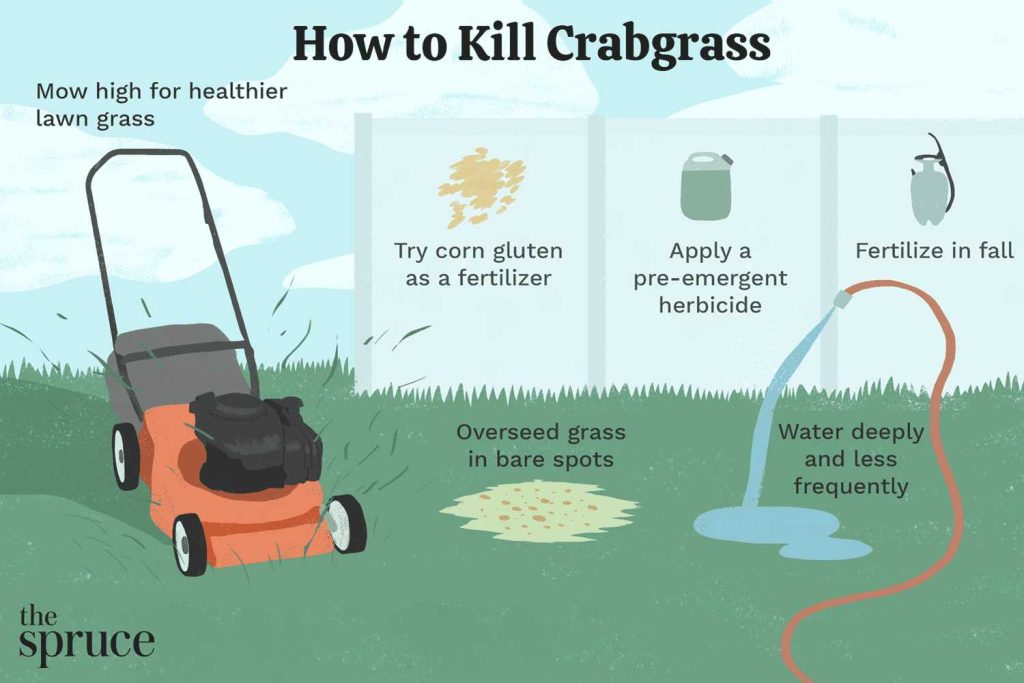
The best time to kill crabgrass is early spring or late summer when the weed is actively growing. Acting during these key periods ensures you target crabgrass before it seeds or spreads further, making your lawn easier to maintain. Timing is crucial—treat it too late, and you’ll only be feeding more crabgrass for next year.
In short, the optimal moments to tackle crabgrass are during early spring when it begins to germinate and in late summer when it’s actively growing. Applying the right control methods at these times helps prevent its spread and keeps your lawn lush and healthy.
Don’t wait until crabgrass takes over your yard—timing your removal efforts correctly can save you time, money, and a lot of frustration. Knowing when to strike and choosing the right weed control products will make all the difference in keeping your lawn pristine. Crabgrass thrives in warm weather, but catching it early gives you the best shot at controlling it effectively. If you act at the right moments, you’ll be able to stop it before it becomes a stubborn problem, making lawn care much simpler and more rewarding.

When Is the Best Time to Kill Crabgrass?
Understanding the right time to eliminate crabgrass is key to keeping your lawn healthy and lush. Crabgrass is a common weed that appears quickly in warm weather and spreads fast if not controlled early. Knowing when to act helps prevent it from taking over your yard.
Why Timing Matters for Crabgrass Control
Timing determines how effective your crabgrass treatment will be. Applying control methods too early or too late can make them less successful. Early intervention prevents crabgrass from establishing deep roots and spreading further.
The Growth Cycle of Crabgrass
Crabgrass begins germinating when soil temperatures reach approximately 55°F to 60°F in the spring. It grows rapidly during warm months and produces seeds that can spread across your lawn. Understanding this cycle helps you plan the best time to kill it.
Best Time to Prevent Crabgrass Before It Grows
The ideal window to prevent crabgrass is in early spring, before it starts germinating. Applying pre-emergent herbicide when soil temperatures hit 55°F to 60°F can stop crabgrass seeds from sprouting. Timing is crucial here—too early or too late reduces effectiveness.
Pre-emergent Herbicides
Pre-emergent herbicides create a chemical barrier preventing crabgrass seeds from sprouting. The best time to apply is about 2 to 4 weeks before the soil reaches key temperatures. This usually means late February to early April, depending on your location.
How to Track Soil Temperature
- Use a soil thermometer to monitor temperature at 1 to 2 inches deep.
- Check soil temperatures weekly starting in early spring.
- Apply pre-emergent when soil temperatures stay consistently around 55°F to 60°F for a few days.
Controlling Crabgrass Once It Has Germinated
If crabgrass has already sprouted, pre-emergent herbicides are no longer effective. You need to switch to post-emergent treatments to kill existing weeds.
Best Time for Post-emergent Herbicides
The ideal window for post-emergent herbicide application is when crabgrass is young and actively growing, usually 2 to 3 inches tall. This typically occurs in late spring to early summer when soil temperatures are around 70°F to 85°F.
Applying Post-emergent Herbicide Correctly
- Identify young crabgrass plants early for the best results.
- Follow the manufacturer’s instructions for dosage and timing.
- Apply on a dry, calm day to prevent drift and ensure proper absorption.
Timing Based on Climate and Region
Weather plays a big role in crabgrass control timing. Warmer regions may need earlier applications, while cooler areas might delay the process. Pay attention to local climate patterns for optimal timing.
Understanding Your Local Climate
| Region | Optimal Pre-emergent Application | Optimal Post-emergent Application |
|---|---|---|
| Southern States | Late February to March | Late April to early June |
| Northern States | March to early April | May to early June |
Monitoring and Adjusting Your Crabgrass Control Strategy
Regular lawn monitoring is vital to catching crabgrass early. Adjust your treatment schedule based on weather patterns and how your yard responds to previous treatments.
Signs That Crabgrass Is Starting to Grow
- Spotty patches of light-colored grass appearing in your lawn.
- Crabgrass leaves emerging in late spring.
- Soil temperature readings reaching 55°F to 60°F.
Additional Tips for Effective Crabgrass Control
- Maintain proper lawn health through fertilization and watering to outcompete weeds.
- Regular mowing at the correct height can prevent crabgrass seeds from germinating.
- Use a combination of pre-emergent and post-emergent treatments for best results.
Common Mistakes to Avoid
- Applying herbicides too early before soil warms sufficiently.
- Skipping the application of pre-emergent herbicides in early spring.
- Waiting too long after crabgrass has germinated to treat it.
Sustainable Approaches to Crabgrass Prevention
Healthy soil and dense grass can naturally reduce crabgrass. Aerate your lawn regularly and overseed bare patches to create thick turf that weeds struggle to invade.
Natural Weed Control Methods
- Applying corn gluten meal as a natural pre-emergent barrier.
- Using hand pulling for small infestations.
- Maintaining proper watering and fertilization schedules.
Summary of Key Timing Points
To sum up, the main timing tips are:
- Apply pre-emergent herbicides when soil temperatures hit 55°F to 60°F in early spring.
- Monitor soil temperature weekly to time your application perfectly.
- Use post-emergent herbicides when crabgrass is young and actively growing, typically late spring to early summer.
Acting at the right time is essential for effective crabgrass control. By understanding your local climate and watching for the right soil temperatures, you can keep your lawn free from this invasive weed all season long.
Best Time To Kill Crabgrass ~ What To Use And Why
Frequently Asked Questions
What are the signs that indicate it’s the right time to treat crabgrass?
Crabgrass begins to emerge when soil temperatures reach around 55°F to 60°F in the spring. Look for early sprouting in your lawn, especially in areas with thin or bare patches. Warmer weather and increased weed growth typically signal that it’s time to apply control measures to prevent the infestation from spreading further.
How does the timing of crabgrass control affect its effectiveness?
Applying crabgrass control early in the season, before the weed starts to grow aggressively, yields the best results. Early treatment stops crabgrass from establishing deep roots and spreading throughout your lawn. Waiting too long allows crabgrass to mature, making it harder to control and increasing the risk of it taking over your grass.
Why should I avoid waiting until summer to manage crabgrass?
Waiting until summer often means crabgrass has already developed a strong root system and produced seeds. At this stage, herbicides are less effective, and you might need more aggressive or repeated treatments. Addressing crabgrass early in spring helps prevent these issues and makes controlling the weed easier.
When is the optimal period to apply pre-emergent herbicide against crabgrass?
Apply pre-emergent herbicide when soil temperatures consistently reach 55°F to 60°F, typically in early spring. Timing is crucial; applying too early or too late reduces effectiveness. Check local soil temperature forecasts to determine the best window for application.
How can I determine the best time to reseed after crabgrass control?
Wait until after you apply crabgrass preventatives and the threat of new germination has passed, usually in late spring when soil temperatures stabilize. Once the herbicide’s active period ends, and your lawn begins to recover, you can reseed damaged areas to ensure healthy growth.
Final Thoughts
The best time to kill crabgrass is early in the spring before it takes hold. Applying pre-emergent herbicides during this period prevents seeds from sprouting.
For established crabgrass, spot-treat it when you see it actively growing in late spring or early summer. Regular maintenance and timely treatment keep your lawn healthy.
In conclusion, knowing when is the best time to kill crabgrass helps you maintain a lush lawn. Addressing crabgrass early in the season provides the best results and prevents future infestations.