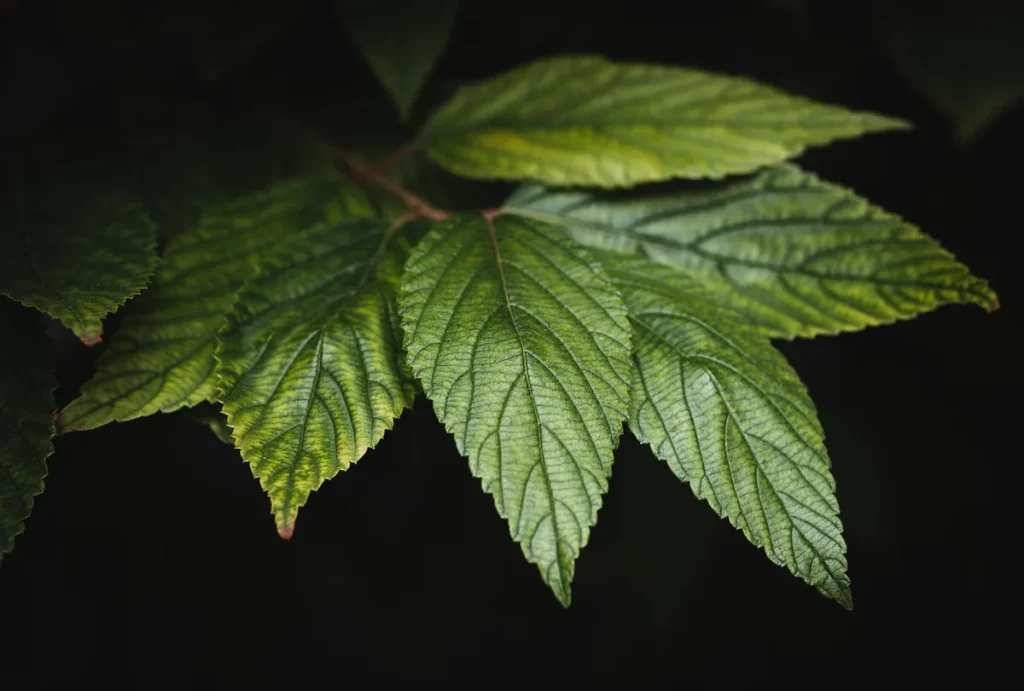
You walk out to your sage plant one morning and half the leaves are riddled with holes. Maybe there's a silvery sheen on the surface, or the edges look like something tiny took a bite out of every single one. You're not imagining things, and you're definitely not the only gardener dealing with this.
Figuring out what is eating your sage leaves comes down to reading the damage like a detective, because every pest and disease leaves a different signature.
The good news is that most sage problems are fixable once you know what you're looking at. Sage (Salvia officinalis) is a hardy perennial in USDA zones 4 through 10, but it's not immune to a handful of common pests and fungal issues that can strip a plant fast if you don't catch them early. Let's walk through how to identify exactly what's going on and what to do about it.
Image source: Pixabay / paulsteuber (Pixabay Content License)
Quick Answer: The Most Likely Culprits
The most common pests eating sage leaves are slugs, sage leafhoppers, aphids, spider mites, and caterpillars. Slugs leave irregular holes and slime trails. Leafhoppers cause pale stippling on the upper leaf surface.
Spider mites create fine webbing and tiny yellow dots. Fungal diseases like powdery mildew and root rot can mimic pest damage. Check the pattern of damage and look for the pest itself before treating.
How to Read the Damage: What Your Sage Leaves Are Telling You
Before you grab any spray, take a close look at the damage pattern. The shape, location, and type of injury will point you toward the right culprit. Grab a magnifying glass if you have one.
Some of these pests are tiny.
Holes and Chewed Edges
Irregular holes in the middle of the leaf or ragged chew marks along the margins mean a chewing insect. Slugs and snails are the classic offenders. They feed at night and leave large, uneven holes that look almost torn.
Caterpillars do similar damage but tend to be more precise, sometimes skeletonizing a leaf down to its veins.
If you see holes but no insect in sight during the day, go out after dark with a flashlight. That's when slugs and earwigs are most active.
Discoloration, Stippling, and Silvering
When the leaf surface looks pale, speckled, or silvery but isn't physically torn, you're likely dealing with a piercing-sucking pest. Sage leafhoppers feed on the upper leaf surface and cause a distinctive pale stippling pattern. Thrips do something similar but leave tiny black specks of frass behind.
Spider mites also cause stippling, but it usually starts on the lower leaf surface and progresses upward. In heavy infestations, you'll see fine webbing between the stems.
Wilting, Curling, and Distortion
Leaves that curl, cup, or wilt without visible holes often point to aphids or a root-level problem. Aphids cluster on new growth and excrete honeydew, which can lead to sooty mold. If the whole plant wilts despite adequate moisture, check the roots.
Root rot caused by Phytophthora or Pythium fungi will cause the plant to collapse from the base up.
Slime Trails, Webbing, and Visible Bugs
Silvery slime trails on or around your sage are a dead giveaway of slug or snail activity. Fine silk webbing on the undersides of leaves means spider mites. If you see tiny green, black, or white soft-bodied insects clustered on new shoots, those are aphids.
Turn the leaves over. Most sage pests live on the underside of the leaf, and that's where you'll find them.
The Usual Suspects: Pests That Target Sage
Now match the damage to the specific pest. Each one needs a slightly different treatment, so getting the ID right matters.
Slugs and Snails
These are probably the number one cause of holes in sage leaves, especially in cool, damp climates like the UK or the Pacific Northwest. They feed at night and hide during the day under mulch, pots, or garden debris.
Look for irregular holes and silvery slime trails on the leaves and surrounding soil. Damage is usually worst in spring and fall when conditions are moist.
Image source: Pixabay / Nennieinszweidrei (Pixabay Content License)
Sage Leafhoppers
The sage leafhopper (Eupteryx melissae) is a small, pale green or yellowish insect that feeds on the upper surface of sage leaves. It's common in the UK and parts of Europe and has been spreading in North America.
Damage shows up as pale stippling or mottling on the upper leaf surface. The leaves may look bleached. You might spot the tiny, wedge-shaped adults jumping away when you disturb the plant.
Image source: Pixabay / Nennieinszweidrei (Pixabay Content License)
Aphids
Aphids are small, soft-bodied insects that cluster on new growth and the undersides of young leaves. They come in green, black, brown, and even pink varieties. On sage, they cause leaf curling, distortion, and a sticky residue called honeydew.
Aphid populations can double in as little as 6 to 8 days, so catching them early is critical. A strong blast of water from the hose can knock off light infestations.
Spider Mites
Spider mites are tiny arachnids, barely visible to the naked eye, that thrive in hot, dry conditions above 70°F. They feed on the undersides of leaves, causing fine stippling that eventually turns leaves yellow or bronze.
In heavy infestations, you'll see fine webbing between stems and leaf undersides. If you hold a white sheet of paper under a branch and tap it, you might see tiny moving dots fall onto the paper.
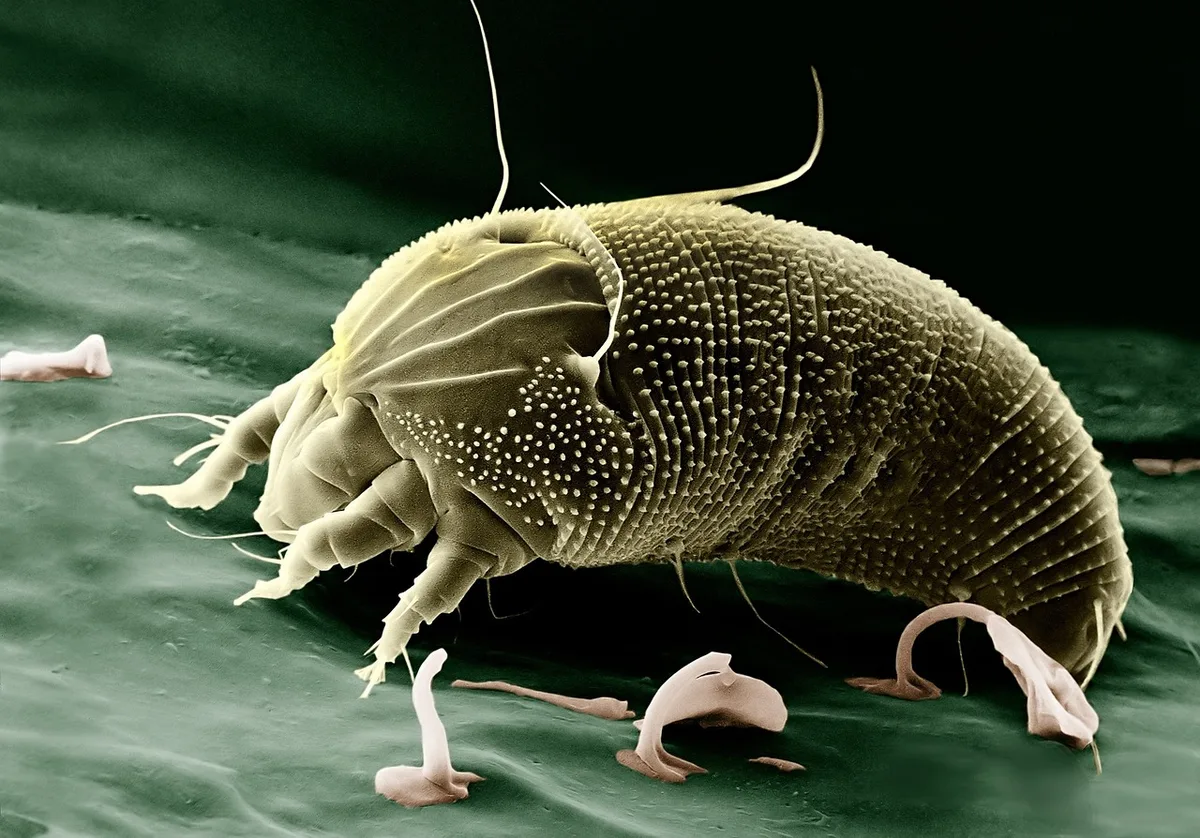
Image source: Pixabay / WikiImages (Pixabay Content License)
Caterpillars and Sage Loopers
Several moth larvae feed on sage leaves, including the sage looper. These caterpillars chew irregular holes and can defoliate a plant quickly. They're usually green or brown and blend in with the foliage.
Check for dark green frass on leaves below the damage. Hand-picking works well for small gardens.
Thrips
Thrips are tiny, slender insects that scrape at leaf surfaces and feed on the sap. Damage appears as silvery streaks or stippling, often with tiny black dots of frass. They're more common in warm, dry weather and can be hard to spot without a magnifying glass.
Earwigs and Cutworms
Earwigs chew irregular holes in leaves and are active at night. Cutworms typically attack at the soil line, severing young stems, but they can also climb and feed on foliage. Both are more common in gardens with heavy mulch or debris where they hide during the day.
It Might Not Be a Bug: Diseases That Mimic Pest Damage
Not every sage problem is caused by an insect. Several fungal diseases produce symptoms that look a lot like pest damage.
Root Rot
Root rot caused by Phytophthora or Pythium fungi is one of the most common killers of sage plants. The first sign is usually wilting, even when the soil is moist. Leaves may yellow, brown, or collapse entirely.
When you pull the plant, the roots will look dark and mushy instead of firm and white.
Overwatering and poor drainage are the primary causes. Sage is a Mediterranean herb that prefers well-drained, even dry conditions.
Powdery Mildew
Powdery mildew shows up as a white, powdery coating on leaf surfaces. It thrives in humid conditions with poor air circulation. Infected leaves may yellow, curl, and eventually drop.
It's most common in late summer and fall, especially where plants are crowded together. Unlike many fungal diseases, powdery mildew doesn't need free water on the leaf surface to infect.
Rust
Sage rust (Puccinia species) produces orange or brown pustules on the undersides of leaves. The upper surface may show yellow or pale spots. Severe infections cause leaves to wither and drop prematurely.
Rust spores spread through wind and water splash. Removing infected leaves and improving air circulation can slow the spread.
How to Diagnose What's Actually Eating Your Sage
Follow these steps the next time you notice something wrong. Work through them in order.
1. Inspect the damage pattern in good daylight.
Look at the shape of the holes, the color changes, and where on the plant the damage is worst. Chewed edges point to slugs or caterpillars. Stippling points to leafhoppers, thrips, or mites.
2. Check the undersides of the leaves.
This is where most sage pests live. Use a magnifying glass. Look for tiny insects, eggs, webbing, or frass.
3. Look for secondary signs.
Slime trails mean slugs. Honeydew means aphids. Webbing means spider mites.
Dark frass means caterpillars or thrips.
4. Check the soil and roots if the plant is wilting.
Gently dig around the base. Dark, mushy roots indicate root rot. Sage should be in well-drained soil.
5. Go out after dark with a flashlight.
If you see damage but no pests during the day, nighttime inspection can reveal slugs, earwigs, and cutworms.
6. Treat based on what you find.
Don't spray broadly hoping something works. Targeted treatment is more effective and less harmful to beneficial insects.
How to Treat Each Pest and Disease
Start with These Organic Controls
Slugs and snails: Set beer traps, apply copper tape around pots, or sprinkle diatomaceous earth around the base. Hand-pick at night. Reduce mulch and debris near the plant.
Sage leafhoppers: Prune off heavily damaged growth. A strong spray of water can dislodge nymphs. Neem oil applied every 7 to 14 days can reduce populations.
Aphids: Blast them off with water. Apply insecticidal soap or neem oil. Encourage ladybugs and lacewings, which are natural aphid predators.
Spider mites: Increase humidity around the plant. Spray leaves with water. Apply insecticidal soap or neem oil, coating the undersides of leaves.
Caterpillars: Hand-pick when visible. Apply Bacillus thuringiensis (Bt), a biological control that targets caterpillars without harming other insects.
Thrips: Prune and remove damaged foliage. Apply spinosad-based products or neem oil.
Root rot: Remove the plant, trim away all affected roots, and replant in fresh, well-drained soil. Adjust your watering habits.
Powdery mildew: Remove infected leaves. Apply a baking soda spray (1 tablespoon per gallon of water with a few drops of liquid soap) or a sulfur-based fungicide.
Rust: Remove and destroy infected leaves. Avoid overhead watering. Apply a copper-based fungicide if the infection is severe.
When to Escalate
If organic methods aren't working after two to three weeks, spinosad products are effective against thrips, caterpillars, and some beetles while still being approved for organic use. Pyrethrin-based sprays work on a broad range of soft-bodied insects but will also kill beneficials, so use them as a last resort in the evening when bees are less active.
For fungal diseases, copper-based fungicides and sulfur products are the standard escalation path. Always follow label directions and observe the pre-harvest interval before using treated sage in cooking.
Prevention: How to Stop Sage Pests Before They Start
The best pest control is a healthy plant in the right conditions. Sage is naturally aromatic and somewhat pest-resistant when it's growing well.
- Plant in full sun with excellent drainage. Sage hates wet feet. Amend heavy soil with grit or perlite, or grow in raised beds or containers.
- Space plants for air circulation. Give each plant at least 18 to 24 inches. Crowded sage is more susceptible to powdery mildew and rust.
- Water at the base, not overhead. Wet foliage encourages fungal diseases. Water deeply but infrequently, letting the soil dry between waterings.
- Prune regularly. Harvesting frequently promotes bushy growth and removes hiding spots for pests. Cut back woody stems in early spring.
- Encourage beneficial insects. Plant yarrow, fennel, and marigolds nearby to attract ladybugs, lacewings, and parasitic wasps.
- Clean up garden debris. Slugs, earwigs, and some overwintering pests hide in fallen leaves and mulch. Keep the area around your sage tidy.
- Inspect new plants before adding them to your garden. Quarantine new herbs for a week or two to catch hitchhiking pests.
Mistakes to Avoid When Treating Sage Leaf Damage
- Spraying without identifying the pest first. Broad-spectrum pesticides kill beneficial insects along with the problem.
- Overwatering to compensate for wilting. If the soil is already moist, more water will make root rot worse.
- Ignoring nighttime inspection. Many of the worst sage pests are nocturnal. You'll miss them if you only check during the day.
- Treating fungal problems with insecticide. If your issue is powdery mildew or rust, bug spray won't help.
- Waiting too long to act. A small aphid colony becomes a massive infestation in under a week.
- Using chemical treatments on culinary herbs without checking pre-harvest intervals. Read the label on any product you use on edible plants.
When to Pull the Plant and Start Over
Sometimes a sage plant is too far gone. If more than half the foliage is damaged, the roots are completely rotted, or a viral infection is present (which has no cure), remove the plant and start fresh.
Dispose of severely diseased plants in the trash, not the compost pile. Fungal spores and some bacteria can survive composting and reinfect your garden later. When replanting, choose a different spot or replace the soil in the affected area.
Frequently Asked Questions
What is eating holes in my sage leaves at night?
Slugs and snails are the most likely nighttime culprits. They feed after dark and leave irregular holes with silky slime trails. Earwigs and cutworms also feed at night.
Go out after dark with a flashlight to confirm.
What causes tiny yellow dots on sage leaves?
Tiny yellow or pale dots on the upper leaf surface are usually caused by sage leafhoppers or spider mites. Check the undersides of leaves for webbing (mites) or tiny jumping insects (leafhoppers).
Can I still eat sage leaves that have been eaten by pests?
Yes, as long as you haven't applied any chemical treatments and the leaves aren't diseased. Wash them thoroughly and trim away damaged portions. Avoid using leaves with fungal infections like powdery mildew or rust.
How do I get rid of sage leafhoppers naturally?
Prune off heavily damaged growth and spray the plant with a strong stream of water to dislodge nymphs. Neem oil applied every 7 to 14 days can reduce populations. Encourage predatory insects like lacewings in your garden.
Why are my sage leaves turning brown and wilting?
Wilting and browning despite adequate water usually indicates root rot. Check the roots for dark, mushy tissue. Overwatering and poor drainage are the most common causes.
Sage needs well-drained soil and should dry out between waterings.
Does neem oil work on sage pests?
Yes, neem oil is effective against aphids, spider mites, leafhoppers, and thrips. It disrupts the insects' feeding and reproductive cycles. Apply in the evening to avoid harming bees, and coat the undersides of leaves where pests hide.