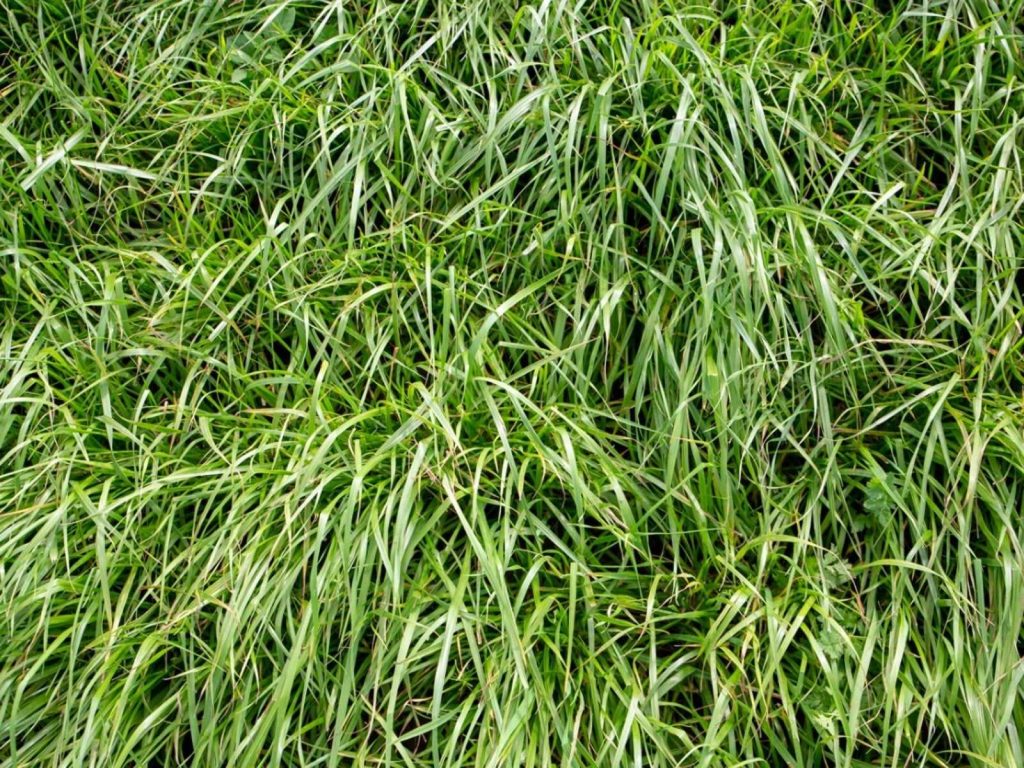
Planting ryegrass is quick and rewarding when you know the right steps to follow. To get established, choose a sunny spot, prepare the soil well, and spread the seeds evenly. Keep the soil moist and watch your ryegrass flourish in just a few weeks!
For successful ryegrass planting, select high-quality seeds and prepare the soil by removing weeds and loosening it. Sow the seeds evenly, either by hand or with a spreader, then lightly cover them with soil or mulch. Keep the area consistently moist until the grass is well established. Ryegrass thrives in well-drained soil and needs regular watering, especially during dry spells. With proper care, you’ll soon have a lush, green lawn or pasture ready for use.
Starting your ryegrass journey is simple and quick with the right approach. Ryegrass is a popular choice for lawns, sports fields, and pastures because it germinates fast and provides excellent ground cover. Whether you’re planting for aesthetic reasons or to create a durable playing surface, following a few basic steps will ensure a healthy and vibrant ryegrass stand that enhances any outdoor space.

How to Plant Ryegrass
Planting ryegrass is a great way to create a lush, green lawn or a healthy pasture. Proper preparation and timing are key to ensuring the grass grows strong and healthy. In this guide, we’ll explore each step of planting ryegrass in detail to help you achieve the best results.
Choosing the Right Time to Plant Ryegrass
The best time to plant ryegrass depends on your climate and the purpose of your planting. Typically, ryegrass grows well in cooler seasons, making early fall or early spring ideal planting times. Planting during these periods allows the grass to establish before extreme weather conditions occur.
In warmer climates, planting in early fall provides enough time for the grass to develop a strong root system before winter. Conversely, in cooler regions, early spring is preferable to avoid frost damage and promote healthy growth.
Selecting the Proper Ryegrass Type
There are two main types of ryegrass: perennial and annual. Perennial ryegrass offers long-term coverage and is suitable for lawns and pastures. Annual ryegrass is quick to establish but lasts only one season, making it useful for temporary ground cover or overseeding.
Consider your goals and climate when choosing. Perennial ryegrass is a popular choice for permanent lawns, thanks to its durability and lush appearance. Make sure to select high-quality seed from a reputable supplier for better germination and growth.
Preparing the Soil for Planting
Good soil preparation is essential for successful ryegrass planting. Start by removing weeds, rocks, and debris from the planting area. Loosen the soil using a rake, tiller, or garden fork to improve aeration and drainage.
Test your soil’s pH level using a soil testing kit. Ryegrass prefers a pH between 5.5 and 6.5. If the soil is too acidic or alkaline, amend it with lime or sulfur accordingly. Adding organic matter like compost can boost soil fertility and promote healthy root development.
Seeding Ryegrass
Calculating How Much Seed You Need
Determine the size of your planting area to calculate the amount of seed required. For ryegrass, a typical seeding rate is around 20 to 30 pounds per acre or approximately 1 to 2 pounds per 1000 square feet. Always check your seed packaging for specific recommendations.
Spreading the Seed
Use a broadcast spreader or hand seed for small areas to distribute the seed evenly. For larger areas, a mechanical spreader ensures consistent coverage. Walk slowly and systematically to avoid skipped spots.
After spreading, lightly rake the soil to incorporate the seed into the top inch of soil. This contact helps improve germination success and protects seeds from being washed away or eaten by birds.
Watering and Care After Seeding
Proper watering is critical during the first few weeks after planting. Keep the soil consistently moist, but not waterlogged, to encourage germination. Typically, watering twice a day for about 10 to 15 minutes each session works well.
As the ryegrass sprouts and begins to grow, gradually reduce watering frequency but increase the depth of each watering. This encourages deep root growth and drought tolerance.
Maintaining Your Ryegrass Lawn or Pasture
Fertilizing for Optimal Growth
Apply a balanced fertilizer to support healthy growth once the grass has established. Use a fertilizer high in nitrogen, and follow recommended application rates based on your soil test results. Repeat fertilizing every six to eight weeks during the growing season.
Mowing and Trimming
Keep your ryegrass at a height of about 2 to 3 inches by mowing regularly. Avoid cutting more than one-third of the grass height at a time to prevent stressing the plants. Proper mowing promotes dense, even growth and prevents weeds from taking over.
Controlling Weeds and Pests
Maintain a healthy ryegrass stand to naturally suppress weeds. Use manual removal or targeted herbicides for persistent weeds. Keep an eye out for pests like grubs or chinch bugs, and treat infestations promptly with appropriate insecticides.
Overseeding and Repair
If your ryegrass lawn becomes thin or patchy, overseeding can help restore density. Rake the soil to loosen the surface and spread seed evenly over existing turf. Water thoroughly afterward to aid germination.
Regular overseeding every fall can maintain a lush, healthy ryegrass area, especially in high-traffic zones or areas prone to damage.
Additional Tips for Successful Ryegrass Planting
- Use quality seed to ensure high germination rates and disease resistance.
- Follow proper seeding rates to avoid overcrowding or sparse growth.
- Keep the soil moist during germination but avoid overwatering to prevent disease.
- Be patient — ryegrass usually germinates within 7 to 14 days, depending on conditions.
- Maintain consistent care through watering, fertilizing, and mowing to promote healthy, dense turf.
Related Topics to Explore
- Best Fertilizers for Ryegrass
- How to Control Weeds in Ryegrass Lawns
- Overseeding Techniques for a Thicker Ryegrass Lawn
- Understanding Soil pH and Its Effect on Ryegrass Growth
- Seasonal Lawn Care Tips for Ryegrass
By following these detailed steps and tips, you can successfully plant and maintain a healthy ryegrass lawn or pasture. Proper preparation, timely planting, and regular care will help you enjoy a vibrant, resilient green space for many years to come.
Grass & Lawn Maintenance : How to Plant Rye Grass Seed
Frequently Asked Questions
What is the best time of year to plant ryegrass?
Plant ryegrass in early fall or spring for optimal growth. These seasons provide the right temperatures and soil moisture levels, helping the grass establish quickly. Avoid planting during the hottest part of summer or cold winter months, as extreme conditions can hinder germination and root development.
How should I prepare my soil before planting ryegrass?
Start by removing weeds, rocks, and debris from the planting area. Loosen the soil with a rake or tiller to improve aeration and water absorption. Incorporate organic compost or a balanced fertilizer to enrich the soil, ensuring it has a pH level between 5.5 and 7.5 for healthy ryegrass growth.
What is the correct method for spreading ryegrass seeds?
Use a broadcast spreader for even seed distribution across your prepared soil. Follow the recommended seeding rate provided on the seed packet. After spreading, lightly rake the soil to incorporate the seeds into the top inch of soil. Water gently but thoroughly to promote germination.
How often should I water my newly planted ryegrass?
Keep the soil consistently moist during the first two weeks after planting. Water lightly several times a day if needed, especially if the weather is warm and dry. Once the grass begins to establish, reduce watering frequency but ensure the soil remains moist to encourage deep root growth.
What maintenance practices help establish healthy ryegrass?
Maintain consistent watering and mow the grass regularly to encourage dense growth. Avoid over-fertilizing, which can lead to disease; instead, apply a balanced fertilizer as needed. Keep the area free of weeds and pests, and aerate the soil periodically to promote healthy root development.
Final Thoughts
To plant ryegrass, start by preparing the soil with proper drainage and removing weeds. Spread the seeds evenly across the area. Lightly rake the soil to ensure good seed-to-soil contact. Water regularly to keep the soil moist until the grass establishes.
In summary, how to plant ryegrass involves preparing the soil, sowing the seeds evenly, and maintaining consistent moisture. Following these steps ensures healthy growth and a lush lawn.