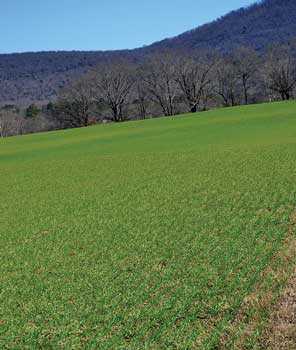
For quick and lush ryegrass that deer will love, start by preparing your soil with proper testing and fertilization, then sow the seeds evenly and keep the area moist. Ryegrass grows fast and provides an excellent food source for deer, making it a popular choice for hunters and wildlife enthusiasts alike. To plant ryegrass for deer successfully, choose a well-drained spot, ensure soil nutrients are balanced, and maintain consistent watering to encourage healthy growth.
If you’re looking to attract deer with a thriving ryegrass plot, it’s essential to select the right seed, prepare the soil properly, and follow a planting schedule that promotes quick germination. Ryegrass is an excellent forage option because it grows rapidly and is highly appealing to deer. By planting at the right time and caring for your crop diligently, you can create a dense, nutritious grazing area that will keep deer coming back season after season.
Planting ryegrass for deer involves several key steps: testing your soil to determine nutrient needs, preparing the land by clearing weeds and tilling, spreading the seeds evenly, and maintaining moisture until germination. Doing this correctly ensures a healthy stand that will provide deer with abundant, high-quality forage. Whether for hunting or conservation, planting ryegrass is a rewarding way to support local wildlife.

How to Plant Ryegrass for Deer
Planting ryegrass for deer is a great way to provide a nutritious food source for these animals. Proper planting techniques ensure healthy growth and attract more deer to your property. This guide will walk you through every step, from preparing your soil to caring for your ryegrass.
Understanding Ryegrass and Its Benefits for Deer
Ryegrass is a fast-growing, cool-season grass that deer love to eat. It provides essential nutrients and keeps deer healthy, especially during winter months when other forage is scarce. There are two main types of ryegrass: annual and perennial, both suitable for attracting deer to your land.
Perennial ryegrass stays green longer and regenerates each year, making it a cost-effective choice. Annual ryegrass, on the other hand, grows quickly and can be replanted every year for continuous food supply. Choose the type based on your land size and long-term goals.
Selecting the Right Ryegrass for Your Land
It’s important to select the right variety of ryegrass for your climate and soil conditions. Some popular options include Italian ryegrass, which is highly nutritious, and old world or perennial ryegrass, known for its durability.
Consider mixing ryegrass with other forage crops like clover or brassicas. This mix boosts nutrient levels and attracts a wider variety of wildlife, including different deer species.
Preparing Your Soil for Planting
Testing Soil Quality
The first step in planting ryegrass is testing your soil. Use a soil test kit to check pH levels and nutrient content. Ryegrass prefers a pH between 5.5 and 7.0.
Adjust soil acidity by adding lime if necessary. Fertilize based on test results to ensure your soil provides enough nutrients for healthy ryegrass growth.
Clearing and Tilling the Land
Clear the planting area of weeds, rocks, and debris. Use a tiller or garden fork to loosen the soil to a depth of about 4 to 6 inches. Tilling helps aerate the soil, making it easier for roots to establish.
Level the soil surface to ensure even seed distribution and proper soil contact during planting. Add compost or organic matter if your soil needs extra nutrients or improved texture.
Seeding Ryegrass for Deer
Choosing the Right Time to Plant
Plant ryegrass in early fall or early spring when soil temperatures are between 50°F and 65°F. These cooler months promote optimal germination and growth.
Avoid planting during extreme heat or heavy rain, as these conditions can hinder seed establishment and lead to erosion.
Seed Rate and Spreading Techniques
- Use approximately 15 to 20 pounds of seed per acre for dense coverage.
- For smaller plots, adjust the seed amount accordingly.
- Mix your ryegrass seed with a small amount of sand or sawdust to aid even distribution.
Spread the seed evenly using a broadcast spreader or by hand for small areas. Raking lightly afterward helps press seeds into the soil for better contact.
Watering and Maintaining Ryegrass
Watering Requirements
Keep the soil consistently moist during germination, which usually takes about one to two weeks. After establishment, ryegrass needs about 1 inch of water weekly, either from rainfall or supplemental watering.
Avoid overwatering to prevent disease. Drip irrigation or light sprinklers work well for maintaining appropriate moisture levels.
Fertilization and Care Tips
Apply a balanced fertilizer after planting, such as 10-10-10, following label instructions. Fertilize again during the growing season to promote lush, green growth.
Manage weeds by mowing or applying targeted herbicides. Regularly check your plot for pests or disease, treating issues early to keep your ryegrass healthy.
Controlling Pests and Weeds
Weeds can compete with ryegrass for nutrients and water, so maintaining a weed-free plot is essential. Use mowing or hand removal for small areas, and consider pre-emergent herbicides for larger plots.
Common pests include insects like armyworms and grubs. Use appropriate insecticides or organic controls to protect your crop without harming the environment.
Growing Ryegrass Successfully for Deer
Ensure ryegrass maintains a dense, lush growth by following planting, watering, and fertilizing guidelines. Good soil health and proper maintenance attract deer more effectively.
Maintain a steady supply by reseeding areas as needed, especially after winter or during drought periods. This ensures your deer food plot remains productive year-round.
Enhancing Your Deer Food Plot with Ryegrass
Combine ryegrass with other forage crops like clover, brassicas, or cereal grains to diversify the diet for deer. Mix different plants to improve soil health and attract various deer species.
Use fencing or natural barriers to protect your ryegrass from overbrowsing by other wildlife or livestock. Consider creating multiple plots to distribute deer pressure and promote even grazing.
Final Tips for Planting Ryegrass for Deer
- Plan your planting around the local climate and soil conditions for best results.
- Be patient; ryegrass may take a few weeks to fully establish.
- Regularly monitor your plot for growth, pests, and weeds, and take action early.
- Maintain proper watering and fertilizing schedules to keep your forage lush and nutritious.
By following these steps, you’ll create a healthy, attractive ryegrass forage area that draws deer and supports their nutritional needs. The effort you put into planting and maintaining your ryegrass will pay off in a vibrant wildlife habitat and plenty of visits from deer.
NO rye grass
Frequently Asked Questions
What soil conditions are ideal for planting ryegrass for deer?
Ryegrass grows best in well-drained soils with a pH level between 6.0 and 7.0. Before planting, conduct a soil test to determine nutrient levels and pH. If the soil is too acidic or lacks essential nutrients, amend it with lime or fertilizer accordingly. Ensuring proper soil conditions helps promote healthy germination and dense growth, attracting deer effectively.
How should I prepare the area before seeding ryegrass for deer?
Begin by removing existing weeds, grass, and debris from the planting site. Loosen the soil using a rake or tiller to improve aeration and penetration. If necessary, level uneven patches for uniform seed distribution. Applying a starter fertilizer based on soil test recommendations can also boost early growth. Proper preparation sets a strong foundation for the ryegrass to establish quickly and thrive.
When is the best time to plant ryegrass for deer?
Plant ryegrass in early spring or early fall when temperatures are moderate. These periods offer optimal growing conditions, allowing the grass to establish before extreme heat or cold set in. Planting during these windows helps ensure vigorous growth and provides a reliable food source for deer throughout the season.
What seeding techniques help ensure even growth of ryegrass for deer?
You can broadcast the seeds evenly across the prepared area by hand or using a seed spreader. Lightly rake the soil after seeding to cover the seeds with a thin layer of soil, which aids germination. Maintaining consistent moisture during germination is crucial—consider watering lightly and frequently until the grass becomes established. Proper seed-to-soil contact and moisture levels promote even and healthy growth.
How often should I water newly planted ryegrass for optimal growth?
Water the area immediately after planting to keep the soil moist but not saturated. Maintain consistent moisture by watering lightly once or twice daily, especially during dry periods. Once the grass establishes, typically after a few weeks, reduce the frequency of watering but ensure the soil remains adequately moist to support continued growth.
Final Thoughts
To plant ryegrass for deer successfully, prepare the soil by clearing weeds and tilling to 1-2 inches depth. Spread the seeds evenly, then lightly rake to ensure good soil contact. Water regularly to keep the soil moist during germination.
Consistent maintenance through watering and weed control encourages healthy growth. Follow these steps precisely for a thriving ryegrass patch.
In conclusion, how to plant ryegrass for deer hinges on proper soil prep, seeding, and ongoing care. Proper planting guarantees a nutritious food source, supporting healthy deer populations.