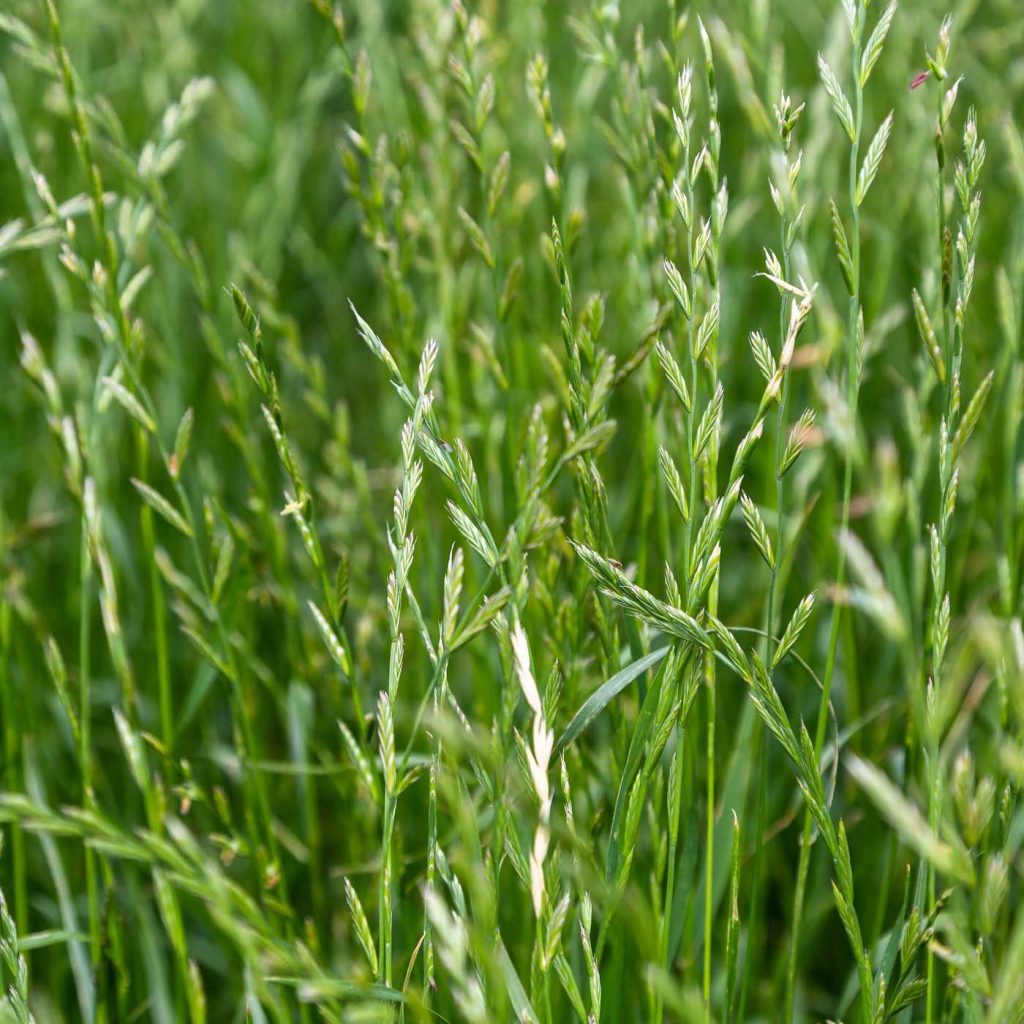
To plant perennial ryegrass seed successfully, choose a cloudy, cool day or late afternoon to avoid harsh sunlight, prepare your soil by loosening it and removing weeds, then evenly spread the seeds and lightly cover them with soil. Water gently but thoroughly to keep the soil moist as the seeds germinate. Keep the area consistently moist until the grass is established, usually within a few weeks.
Planting perennial ryegrass is a great way to create a lush, durable lawn or pasture. To do it right, start with the right timing—preferably in early fall or spring when conditions are cooler and wetter. Prepare your soil by tilling to loosen it, removing debris and weeds, and adding compost if needed for nutrients. Spread the seeds evenly using a spreader for uniform coverage, then lightly rake or press the soil to ensure good seed-to-soil contact. Cover the seeds with a thin layer of soil or mulch, and give the area regular, gentle watering to keep the soil moist. Patience is key—your lawn will begin to sprout in a few weeks, providing a vibrant green space that’s perfect for activities or grazing.

How to Plant Perennial Ryegrass Seed
Planting perennial ryegrass seed is a great way to create a lush, green lawn that stays vibrant year after year. Properly planting and caring for this grass ensures it grows strong and healthy. In this guide, you’ll learn each step to successfully plant perennial ryegrass seed from preparation to maintenance.
Understanding Perennial Ryegrass
Perennial ryegrass is a fast-growing, cool-season grass that is popular for lawns, sports fields, and pastures. It germinates quickly, often within a week after planting. This grass thrives in well-drained soil and prefers full sunlight but can handle some shade.
Choosing the Right Time to Plant
The best time to plant perennial ryegrass depends on your climate. In cooler regions, early fall or early spring are ideal for planting. In warmer areas, late winter or early spring is suitable. Planting during these periods allows the grass to establish before extreme weather conditions.
Preparing the Soil for Planting
Testing Your Soil
Start by testing your soil’s pH and nutrient levels. Perennial ryegrass prefers a pH between 5.5 and 7.5. You can buy a soil testing kit or send a sample to a local lab for detailed analysis. Adjust your soil based on the results to create the best environment for seed germination.
Clearing the Area
Remove any existing grass, weeds, rocks, or debris from the planting area. Use a rake or a hoe to clear the surface thoroughly. This step helps prevent competition from weeds and allows the new grass to establish more easily.
Loosening and Leveling
Loosen the soil to a depth of about 2 to 3 inches using a garden rake or a tiller. Level the surface with a rake, creating a smooth bed for seed planting. A well-prepared soil improves seed-to-soil contact, which is vital for germination.
Choosing the Right Ryegrass Seed
Select high-quality perennial ryegrass seed suited to your climate and lawn needs. Look for seed varieties with high germination rates and disease resistance. Check for certifications or labels that guarantee seed purity and quality.
Seeding Methods
Broadcast Seeding
Scatter the seed evenly across the prepared area using a broadcast spreader. Avoid spreading too much seed in one spot. Maintain an even distribution to promote uniform growth.
Row Seeding
Plant seeds in straight rows using a seed drill or a garden hoe. This method allows for easier maintenance and helps prevent overcrowding. Space rows about 6 to 12 inches apart for dense coverage.
Seeding Rate and Depth
| Seed Type | Seeding Rate | Planting Depth |
|---|---|---|
| Perennial Ryegrass | 20 to 30 pounds per acre or 0.5 to 1 pound per 1000 sq. ft. | About 0.25 to 0.5 inches deep |
Plant the seeds at the recommended depth to ensure proper germination and protection from birds or erosion. Avoid planting seeds too deep, which can hinder sprouting.
Covering the Seeds
Use a light layer of soil, compost, or mulch to cover the seeds. This helps retain moisture and protects the seeds from birds. Lightly rake the area afterward to ensure good seed-to-soil contact.
Watering for Successful Germination
Initial Watering
Keep the soil consistently moist but not waterlogged immediately after planting. Water gently to avoid washing away the seeds. This encourages quick germination and healthy root development.
Maintaining Moisture
Water regularly during the first few weeks, especially if rainfall is scarce. Aim for about 1 inch of water per week, either from rainfall or supplemental watering. Adjust frequency based on weather conditions.
Establishing the Lawn
Monitoring Germination
Watch for sprouting within seven to ten days after planting. Thin, patchy germination indicates uneven watering or soil issues that should be addressed promptly.
Thinning and Overseeding
If patches are sparse, consider overseeding after initial growth. Thin areas can be reseeded with a light application of seed to promote even coverage.
Fertilizing and Maintenance
Early Fertilization
Apply a balanced fertilizer after the grass reaches about 2 inches in height. Use a fertilizer with an equal ratio of nitrogen, phosphorus, and potassium to promote strong growth.
Regular Mowing
Mow when the grass reaches 3 inches in height. Keep the mower blades sharp for clean cuts. Regular mowing encourages dense, healthy turf and prevents weeds from taking hold.
Controlling Weeds and Pests
Maintain healthy, thick turf to suppress weeds naturally. For persistent weeds, use appropriate herbicides, and check for pests regularly. Proper watering and fertilizing help keep the lawn resilient against pests and diseases.
Additional Tips for Success
- Avoid walking on freshly seeded areas to prevent soil compaction.
- Apply a thin layer of compost or organic mulch to improve soil health.
- Maintain consistent watering until the grass is well-established.
- Be patient; establishing a dense lawn takes time, but regular care pays off.
Related Topics for Better Lawn Care
- Choosing the right grass seed for your climate
- Understanding soil amendments and fertilization schedules
- Best mowing practices for healthy lawns
- Tips for controlling weeds without harming your grass
By following these detailed steps, you’ll be able to grow and maintain a beautiful perennial ryegrass lawn that provides vibrant greenery and durability. Proper preparation, seeding, watering, and ongoing care are all key components to success in planting perennial ryegrass seed. With patience and consistency, your lawn will flourish and remain attractive for years to come.
Grass & Lawn Maintenance : How to Plant Rye Grass Seed
Frequently Asked Questions
What is the best time of year to sow perennial ryegrass seeds?
The ideal time to plant perennial ryegrass seeds is during early spring or early fall. These periods offer moderate temperatures and adequate moisture, which promote healthy germination and establishment. Avoid planting during extreme heat or cold, as these conditions can hinder seed growth and reduce success rates.
How should I prepare the soil before planting perennial ryegrass?
Start by removing any existing weeds, rocks, and debris from the planting area. Loosen the soil to a depth of about 2-3 inches using a rake or tiller, ensuring proper aeration. Incorporate a balanced fertilizer if necessary, based on a soil test, to provide essential nutrients for growth. Level the soil surface to create an even seedbed that facilitates uniform germination.
What is the recommended seed-to-soil contact technique for planting?
After spreading the seeds evenly across the prepared soil, lightly rake the area to press the seeds into the soil surface. This ensures good seed-to-soil contact, which is crucial for sprouting. You can also use a roller or lightly walk over the area to help press the seeds into the soil, improving moisture retention and germination success.
How much water does perennial ryegrass seed require during germination?
Maintain consistent moisture in the soil to support germination. Water lightly but frequently, ensuring the soil remains evenly moist without becoming waterlogged. Typically, watering once or twice daily suffices, especially during dry periods. Adjust watering based on weather conditions to keep the soil moist until the seedlings are well-established.
Should I overseed or plant perennial ryegrass in an existing lawn?
If your lawn has thin patches or bare spots, overseeding with perennial ryegrass can help thicken the turf. Prepare the existing surface by mowing short and removing debris. Then, sow the seeds evenly over the area, followed by light raking and watering. This process encourages rapid germination and integration with the existing grass.
Final Thoughts
To plant perennial ryegrass seed successfully, prepare the soil by raking out debris and ensuring it is well-drained. Spread the seeds evenly across the area, then lightly press them into the soil. Keep the soil consistently moist until the seeds germinate and establish.
In conclusion, the key to healthy growth lies in proper preparation and regular watering. Understanding how to plant perennial ryegrass seed ensures a lush, green lawn that thrives throughout the seasons.