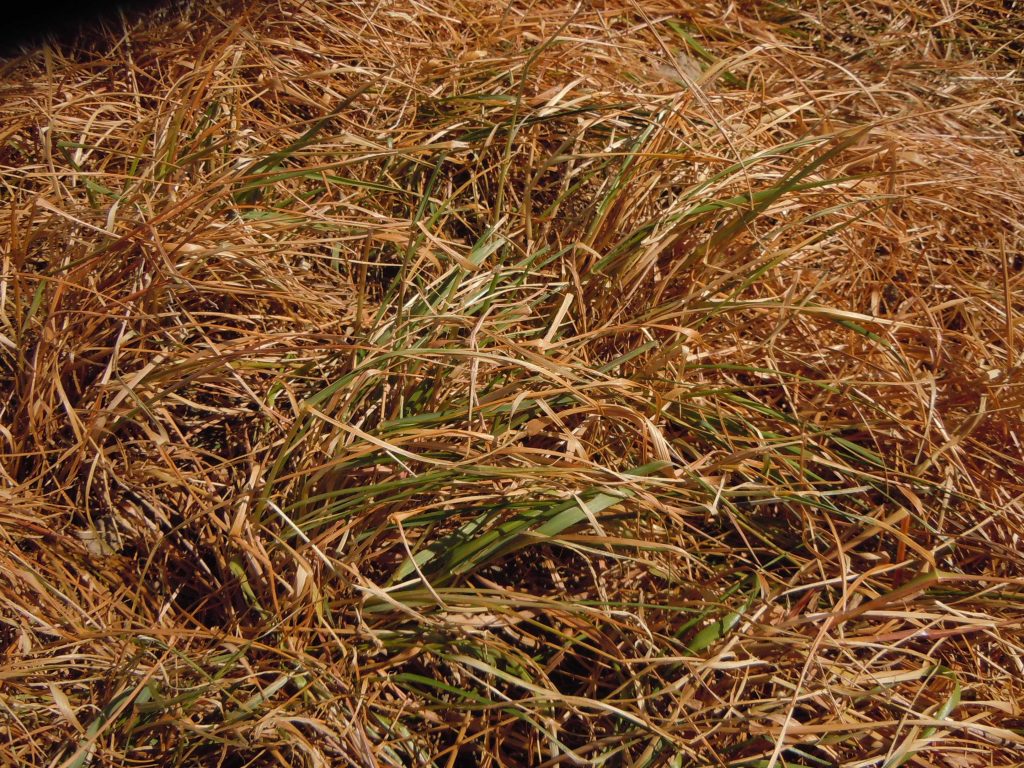
Annual ryegrass typically dies in late spring or early summer, depending on the climate and growing conditions. This cool-season grass is known for its fast growth and ability to provide lush green coverage in the winter months. However, as the weather begins to warm up, annual ryegrass starts to decline and eventually dies off. Understanding the specific timing of its decline can be helpful for both homeowners and farmers who utilize this grass for various purposes.
In this blog article, we will explore the factors that contribute to the death of annual ryegrass and discuss how to identify the signs of its decline. We will also provide some tips on managing the dying process and maximizing the benefits of this grass. Whether you are a gardener looking to transition to warm-season grass or a farmer planning your next planting cycle, this article will help you gain a better understanding of when annual ryegrass typically dies and what to expect during this transition period. So, let’s delve into the world of annual ryegrass and its life cycle!

When Does Annual Ryegrass Die?
When it comes to annual ryegrass, understanding its life cycle can be crucial for successful management and utilization. This cool-season grass provides numerous benefits such as erosion control, forage production, and soil improvement. However, knowing when it dies is essential for planning crop rotations, preventing weed competition, and avoiding potential issues. In this article, we will explore in detail the factors that influence the lifespan of annual ryegrass and when it typically dies.
The Life Cycle of Annual Ryegrass
Annual ryegrass (Lolium multiflorum) is a fast-growing, cool-season grass that completes its life cycle within one year. Understanding its life cycle stages is key to determining when it dies.
1. Germination: Annual ryegrass seeds germinate when soil temperatures are between 45°F and 65°F (7°C and 18°C). Moisture and soil fertility also play a vital role in successful germination.
2. Vegetative growth: After germination, the grass enters a stage of rapid vegetative growth. During this period, the plant focuses on developing a strong root system and producing lush foliage.
3. Reproductive stage: As the grass matures, it starts transitioning into the reproductive stage. This is characterized by the development of seed heads or panicles.
4. Seed production: Once the seed heads fully develop, annual ryegrass begins its seed production phase. The grass will continue to produce seeds until it dies. However, it’s important to note that annual ryegrass is predominantly used as a cover crop, so seed production is generally not desired.
5. Senescence: Senescence refers to the period when the grass starts deteriorating and dying off. This stage usually occurs when the grass has completed its seed production or under certain environmental conditions.
Factors Influencing the Death of Annual Ryegrass
The lifespan of annual ryegrass can vary depending on several factors. Understanding these factors will help you predict when the grass is likely to die.
1. Environmental conditions: Annual ryegrass thrives in cool, moist environments. Once temperatures rise above 85°F (29°C), the grass enters a stress-induced dormancy state, which can lead to its death. Additionally, if the grass experiences prolonged drought or extreme cold, it may die even before completing its life cycle.
2. Growth stage: The stage of growth influences the plant’s ability to withstand adverse conditions. Younger, actively growing plants are generally more resilient and can tolerate stress better than mature plants.
3. Management practices: The way annual ryegrass is managed can affect its longevity. Factors such as fertilization, irrigation, and mowing height can impact the grass’s health and lifespan. Proper management practices can prolong the life of annual ryegrass, while poor management can lead to premature death.
4. Pests and diseases: Like any other plant, annual ryegrass is susceptible to various pests and diseases. Infestations or infections can weaken the grass and make it more vulnerable to dying prematurely.
Typical Lifespan of Annual Ryegrass
While the lifespan of annual ryegrass can vary based on the factors mentioned above, there are some general trends to consider.
1. Winter annual ryegrass: Winter annual varieties of ryegrass are typically used as cover crops or forage in regions with mild winters. In these areas, the grass is sown in the fall and dies off naturally in late spring or early summer as temperatures warm up.
2. Spring annual ryegrass: Spring annual varieties are commonly used in colder regions where winter survival is challenging. These varieties are sown in early spring and typically die off with the onset of summer heat.
3. Managed termination: In some cases, growers may decide to terminate annual ryegrass before it naturally dies off. This is done to prevent competition with cash crops or to facilitate easier termination and incorporation into the soil. Chemical termination methods, such as the use of herbicides, can effectively kill annual ryegrass when desired.
Knowing when annual ryegrass dies is crucial for effective management and utilization. The grass’s life cycle, environmental conditions, management practices, and growth stage all play significant roles in determining its lifespan. By understanding these factors, farmers and land managers can make informed decisions regarding crop rotations, weed control, and overall management strategies for optimal results. Whether it’s a winter or spring annual variety, understanding when and why annual ryegrass dies empowers growers to make the most of this versatile grass species.
Perennial Ryegrass Pros and Cons
Frequently Asked Questions
When does annual ryegrass die?
Annual ryegrass typically dies off during the summer months when temperatures rise and the soil becomes dry. However, the exact timing of its death can vary depending on various factors such as climate, weather conditions, and management practices.
What are the signs that annual ryegrass is dying?
As annual ryegrass begins to die, you may notice a change in its color from vibrant green to a dull or yellowish hue. The grass blades may also become brittle and start to turn brown. Additionally, the overall growth and density of the ryegrass will decline.
Can annual ryegrass survive the winter?
No, annual ryegrass is not typically able to survive the winter. As an annual grass, it completes its life cycle within one year and does not have the capability to withstand freezing temperatures or extreme cold. It will usually die off naturally before the onset of winter.
Can annual ryegrass be killed by frost?
While annual ryegrass may be able to tolerate light frosts, prolonged exposure to freezing temperatures can be detrimental to its survival. Frost damage can weaken the grass and make it more susceptible to diseases and other stressors, ultimately leading to its demise.
Is there any way to speed up the death of annual ryegrass?
If you need to remove annual ryegrass quickly, there are a few strategies you can employ. One option is to mow the grass close to the ground, which can weaken and stress the ryegrass, hastening its death. Additionally, reducing water and nutrient inputs can also expedite the grass’s demise.
What should I do after annual ryegrass dies?
Once the annual ryegrass has died, you can proceed with your desired lawn maintenance activities such as overseeding with a different grass variety or preparing the soil for a new planting. It’s recommended to remove any dead ryegrass debris to allow for better seed-to-soil contact or efficient establishment of new vegetation.
Final Thoughts
Annual ryegrass typically dies off in late spring or early summer, once temperatures rise above a certain threshold. This cool-season grass thrives in cooler weather and begins to decline as the weather warms up. While the exact timing can vary depending on the climate and specific growing conditions, annual ryegrass typically starts to die when daytime temperatures consistently reach above 80°F (27°C). At this point, the grass enters a dormant phase and its growth slows down significantly. As the summer heat intensifies, the annual ryegrass eventually dies off completely, making way for warm-season grasses to take over. So, if you’re wondering when does annual ryegrass die, keep an eye on those rising temperatures.