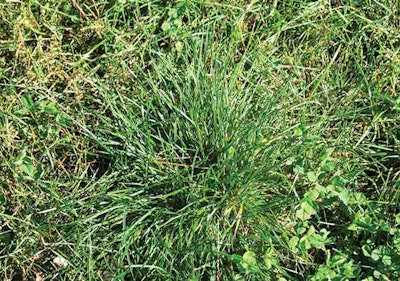
To eliminate perennial ryegrass, the key is consistency—using targeted herbicides combined with proper lawn care routines. Start by applying a selective herbicide designed for weed control during the active growing season, then follow up with overseeding or reseeding to promote healthy grass growth. Regular mowing and watering will help prevent its return and keep your lawn looking lush.
Perennial ryegrass can be a persistent problem for homeowners trying to maintain a tidy lawn. To get rid of it effectively, you need a combination of weed control treatments and good lawn maintenance practices. Patience and persistence are essential because this grass tends to be resilient and quick to re-establish if neglected. In this article, we’ll explore proven methods to help you banish perennial ryegrass and achieve the attractive, weed-free lawn you desire.

How to Get Rid of Perennial Ryegrass
Perennial ryegrass can quickly take over your lawn if not controlled properly. It’s a popular grass type because it germinates fast and stays green in cooler seasons. However, it can become invasive and displace other grass varieties you want to keep. Knowing how to remove perennial ryegrass effectively is key to maintaining a healthy, lush lawn.
Understanding Perennial Ryegrass
Perennial ryegrass is a cool-season grass that spreads through both seeds and underground runners called stolons. It is known for its quick germination, dense growth, and ability to withstand foot traffic. Despite these benefits, it can become a problem when it spreads beyond your desired lawn area.
Many homeowners struggle with persistent patches of ryegrass, which can overshadow other grasses like Kentucky bluegrass or fescue. To eliminate it, first understand its growth habits and lifecycle. This knowledge helps in choosing the most effective removal methods.
Why Is Perennial Ryegrass Difficult to Remove?
Its resilience stems from its ability to regenerate from stolons and seeds. Even if you cut or remove parts of the plant, it can regrow from remaining roots or seeds left in the soil. Also, it thrives in cooler seasons, making eradication more challenging during fall and spring.
Moreover, perennial ryegrass is often used for overseeding lawns, which increases its presence and makes removal more complicated. A combination of physical removal, chemical treatment, and lawn care adjustments is usually necessary for complete eradication.
Preparation Before Removing Perennial Ryegrass
Before starting eradication, prepare your lawn properly. First, identify all the areas where ryegrass grows. Use a soil test kit to check soil pH and nutrient levels, ensuring optimal conditions for other grasses once ryegrass is removed.
Next, mow your lawn closely to reduce the height of the grass, which makes removal easier. Clear debris, leaves, and thatch, as these can hinder treatment effectiveness. Proper preparation improves the success rate of your eradication efforts.
Methods to Get Rid of Perennial Ryegrass
1. Manual Removal
Manual removal involves physically digging out the ryegrass to remove both roots and stolons. Use a gardening fork or spade to loosen the soil and carefully extract the grass. This method is best for small patches or in combination with other techniques.
After removal, immediately replace the patch with desired grass seed or turf to prevent ryegrass from re-establishing. Manual removal provides immediate results but can be labor-intensive for large areas.
2. Adjusting Lawn Care Practices
Proper lawn care can suppress ryegrass growth over time. Focus on promoting the growth of other grasses by aerating your lawn regularly to improve soil drainage and root development. Mow at the correct height for your grass type to encourage stronger, more competitive turf.
Fertilize with a balanced fertilizer suited for your lawn to boost the health of desired grasses. Reducing watering frequency can also help, as perennial ryegrass prefers moist conditions. These practices don’t eliminate ryegrass immediately but help control future spread.
3. Chemical Herbicides
Herbicides are an effective way to kill perennial ryegrass on larger areas. Use a selective herbicide formulated for grassy weeds, such as glyphosate or other non-selective options for spot treatments. Always follow the manufacturer’s instructions to avoid damaging desired grass types.
Apply herbicide during active growth periods in spring or fall for best results. Repeat treatments may be necessary if some plants survive initial application. Be cautious with chemical use near desirable plants or vegetable gardens.
4. Using Smothering Techniques
Smothering involves covering the ryegrass with light-blocking materials like black plastic, cardboard, or tarp. Cover the area completely and leave it for several weeks. This deprives the grass of sunlight, causing it to die off gradually.
This method is eco-friendly and chemical-free, but it requires patience. It works well for small patches or in combination with manual removal to weaken the grass before further treatment.
Post-Eradication Lawn Care
Once ryegrass is removed, focus on restoring your lawn’s health. Reseed the area with your preferred grass type, ensuring it is suitable for your climate and soil conditions. Keep the soil moist during germination and avoid heavy foot traffic initially.
Applying a starter fertilizer can promote rapid establishment of new grass. Regular mowing, watering, and fertilizing will help the new grass outcompete any remaining ryegrass seeds. Over time, a healthy, dense lawn will prevent ryegrass from returning.
Preventing Ryegrass Re-Establishment
Prevention is easier than removal. Maintain a thick, healthy lawn to crowd out ryegrass seeds. Aerate regularly to prevent soil compaction and improve grass root health.
Adjust watering schedules to prevent overly moist soil conditions that ryegrass favors. Avoid overseeding with ryegrass in the future and choose resistant grass varieties suited for your climate. Proper lawn maintenance is key to keeping perennial ryegrass at bay.
Alternative Organic Methods
If you prefer eco-friendly solutions, consider using organic approaches to control ryegrass. Regular overseeding with dense turf grasses can naturally crowd out ryegrass. Manual weeding combined with natural compost fertilizers strengthens your lawn’s resilience.
Vinegar solutions or organic herbicides are less effective but can be used for spot treatments. Use these with caution to avoid damaging your desired plants. Organic methods are slower but safer for the environment.
Signs of Successful Ryegrass Removal
Look for a gradual decrease in ryegrass patches. The area should become more uniform with your preferred grass type. Residual ryegrass may sprout initially but will die off with continued maintenance.
Consistent lawn care and monitoring ensure the ryegrass does not return. Regular mowing and fertilization support the growth of your desired turf, creating a competitive environment for weeds.
Summary of Key Tips
- Identify ryegrass patches early for quick action
- Mow closely and remove debris before treatment
- Use manual removal for small areas
- Adjust lawn care practices to suppress growth
- Apply herbicides carefully during active growth periods
- Utilize smothering for eco-friendly control
- Reseed promptly after removal to establish resilient turf
- Maintain proper watering, fertilization, and mowing routines
- Prevent re-infestation with consistent lawn maintenance
By combining these strategies, you can effectively eliminate perennial ryegrass from your lawn. Patience and consistent care are essential to restore a healthy, weed-free yard that enhances your outdoor space’s beauty.
How to Kill Perennial Rye Grass | Bermuda Lawn Care
Frequently Asked Questions
What are effective methods to remove perennial ryegrass from my lawn?
To remove perennial ryegrass effectively, start by manually pulling out the grass if only small patches are affected. For larger areas, consider applying a selective herbicide that targets ryegrass without harming your desirable grasses. Aerate the soil beforehand to weaken the grass’s root system and improve herbicide penetration. Regular mowing and maintaining healthy turf can also prevent ryegrass from re-establishing. Replace the affected area with desired grass species to ensure a uniform and healthy lawn.
How can soil preparation help in eliminating perennial ryegrass?
Preparing the soil properly can make it less hospitable for perennial ryegrass. Begin by removing existing ryegrass and any debris from the area. Loosen the soil using aeration tools to improve drainage and reduce compaction. Incorporate organic matter or topsoil to promote healthy growth of your chosen grass varieties, which can crowd out ryegrass naturally. Consistent fertilization and proper watering schedules help the new grass establish quickly, making it harder for ryegrass to invade again.
Are there specific lawn management practices that prevent perennial ryegrass from spreading?
Maintaining a dense, healthy lawn is your best defense against perennial ryegrass. Ensure you mow regularly at the recommended height for your grass type to promote uniform growth. Fertilize appropriately to strengthen your turf against invasive species. Water deeply but infrequently to encourage deep root growth. Overseeding with high-quality turf seed can fill in thin areas, leaving less room for ryegrass to establish. Avoid over-application of nitrogen, which often encourages ryegrass growth, and promptly address any invasive patches to prevent spread.
Final Thoughts
To get rid of perennial ryegrass, start by manually removing it and using a hoe to uproot the roots. Apply a targeted herbicide designed for grasses and follow the instructions carefully. Improve soil drainage and aerate your lawn to reduce the grass’s ability to thrive. Regular maintenance and proper lawn care will prevent it from returning and ensure a healthier yard.