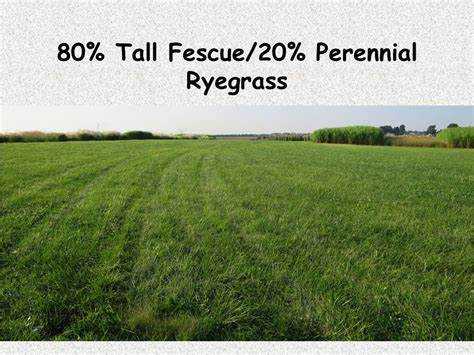
A quick solution for tall fescue and ryegrass mix: The best way to achieve a successful tall fescue and ryegrass mix is to carefully select the right varieties of each type of grass that are compatible with your climate and growing conditions. It is also important to properly prepare the soil before planting and to provide adequate nutrients and water throughout the growth period. Additionally, regular mowing and proper maintenance practices will promote a healthy and vibrant lawn. Now, let’s delve into the topic of tall fescue and ryegrass mix. Have you ever wondered how to create a lush, green lawn that thrives in various weather conditions? Combining tall fescue and ryegrass can be the answer you’ve been looking for. In this blog article, we will explore the benefits of this grass mix, discuss the ideal growing conditions, and provide tips on how to establish and maintain a beautiful lawn using this combination. So, let’s get started on transforming your yard into a picturesque green oasis!

Tall Fescue and Ryegrass Mix: A Perfect Combination for Your Lawn
Introduction
Maintaining a healthy and vibrant lawn is a goal for many homeowners. One way to achieve this is by selecting the right grass seed mix. In this article, we will explore the benefits and considerations of using a tall fescue and ryegrass mix for your lawn. This combination offers unique advantages that can transform your lawn into a lush, resilient, and visually appealing landscape. Let’s dive in and discover why this mix is gaining popularity among homeowners.
Understanding the Tall Fescue and Ryegrass Mix
The tall fescue and ryegrass mix is a blend of two grass species that complement each other in various ways. Tall fescue, known for its durability and adaptability, forms the backbone of this mix. It provides a strong and dense turf that can withstand harsh conditions and heavy foot traffic. Ryegrass, on the other hand, is known for its rapid germination and establishment, making it an ideal partner for the slower-growing tall fescue. Together, these grasses create a resilient, attractive, and versatile lawn.
The Benefits of Tall Fescue
Tall fescue, an evergreen cool-season grass, offers numerous advantages that make it an excellent choice for your lawn. Here are some key benefits of tall fescue:
- Drought Resistance: Tall fescue has a deep root system that allows it to tolerate drought conditions better than many other grass species.
- Shade Tolerance: It can thrive in partially shaded areas where other grasses struggle.
- Disease Resistance: Tall fescue has natural resistance to common lawn diseases, reducing the need for chemical treatments.
- Low Maintenance: It requires less water and fertilizer compared to other grasses, making it a cost-effective option.
- Wear Tolerance: Tall fescue can handle heavy foot traffic and bouncing balls without significant damage.
The Advantages of Ryegrass
Ryegrass, a fast-growing cool-season grass, complements tall fescue and brings its own set of benefits to the mix. Consider the following advantages of ryegrass:
- Quick Establishment: Ryegrass germinates and establishes rapidly, providing a green lawn in a shorter time frame.
- Tolerance to Cold: It can tolerate cold temperatures better than many other grasses, ensuring year-round coverage.
- Enhanced Appearance: Ryegrass has a fine texture and vibrant green color, adding visual appeal to your lawn.
- Soil Stabilization: The dense root system of ryegrass helps prevent soil erosion, making it suitable for sloped areas.
- Overseeding Option: Ryegrass can be easily overseeded on existing lawns to rejuvenate thin or damaged areas.
Choosing the Right Blend Ratio
Finding the optimal blend ratio of tall fescue to ryegrass is crucial for achieving the desired results. The ratio can vary depending on factors such as climate, soil conditions, and lawn usage. Here are some common blend ratios and their recommended uses:
90% Tall Fescue – 10% Ryegrass
This blend is ideal for homeowners in regions with hot summers and mild winters. The tall fescue provides the mainstay of the lawn, while the ryegrass adds quick establishment and vibrant color during the cooler months.
80% Tall Fescue – 20% Ryegrass
This blend works well in transitional climate zones, where summers are moderately hot and winters are mild. The increased percentage of ryegrass enhances the lawn’s appearance during the fall and spring seasons.
70% Tall Fescue – 30% Ryegrass
In colder regions with harsh winters, this blend ensures strong winter survival while still benefiting from the rapid establishment of ryegrass. The higher ryegrass percentage provides better winter coverage.
Seeding and Maintenance
Proper seeding and maintenance techniques are crucial for the success of your tall fescue and ryegrass mix. Consider the following guidelines:
Soil Preparation
- Remove any existing vegetation, rocks, or debris from the area.
- Loosen the soil to a depth of 4-6 inches using a tiller or garden fork.
- Amend the soil with organic matter, such as compost, to improve its structure and fertility.
- Ensure the soil is well-drained to avoid waterlogged conditions.
Seeding
- Choose a high-quality tall fescue and ryegrass seed blend suitable for your region and desired blend ratio.
- Sow the seeds evenly using a spreader or by hand, following the recommended seeding rate on the seed packaging.
- Rake lightly to ensure good seed-to-soil contact.
- Water the area immediately after seeding and keep the soil consistently moist until the grass is established.
Maintenance
- Mow the grass to a height of 2-3 inches to encourage dense growth and suppress weed competition.
- Water deeply but infrequently, allowing the soil to dry slightly between watering sessions.
- Fertilize according to soil test results and the specific requirements of tall fescue and ryegrass.
- Aerate the lawn annually to alleviate soil compaction and promote root growth.
- Monitor for pests and diseases, addressing any issues promptly.
Incorporating a tall fescue and ryegrass mix into your lawn can provide an array of benefits, from drought resistance to enhanced appearance. By understanding the individual strengths of each grass species and choosing the appropriate blend ratio, you can create a resilient and visually appealing landscape. With proper seeding and maintenance practices, your lawn will flourish year-round, impressing both you and your neighbors. So, why wait? Prepare to transform your lawn with the perfect combination of tall fescue and ryegrass.
Tall Fescue Pros And Cons
Frequently Asked Questions
What is a tall fescue and ryegrass mix?
A tall fescue and ryegrass mix is a combination of two different grass species commonly used in lawns and pastures. It consists of tall fescue grass (Festuca arundinacea) and ryegrass (Lolium spp.), allowing for a blend of characteristics and benefits from both species.
What are the advantages of using a tall fescue and ryegrass mix?
Using a tall fescue and ryegrass mix offers several advantages. Firstly, the blend provides a well-rounded appearance and texture to lawns. Additionally, the mix combines the desirable traits of both species, such as tall fescue’s tolerance to heat and drought, and ryegrass’s ability to establish quickly. The combination can result in a more resilient and aesthetically pleasing lawn or pasture.
Can a tall fescue and ryegrass mix be used in all climates?
Tall fescue and ryegrass mixes are suitable for a wide range of climates. Tall fescue is known for its adaptability to different climates, thriving in both warm and cool regions. Ryegrass, on the other hand, prefers cooler temperatures. By combining the two species, the mix can withstand a broader range of temperature variations, making it viable in various climate conditions.
How should I care for a tall fescue and ryegrass mix?
Caring for a tall fescue and ryegrass mix involves regular maintenance practices similar to other grass types. Adequate watering, mowing, and fertilization are essential. It’s crucial to provide sufficient water, particularly during hot and dry periods, to prevent stress on the grass. Routine mowing at the appropriate height and applying fertilizer according to the specific needs of both grass species will help maintain a healthy and attractive lawn.
Can I overseed my existing lawn with a tall fescue and ryegrass mix?
Yes, overseeding your existing lawn with a tall fescue and ryegrass mix is possible and often recommended. Overseeding helps rejuvenate thinning or damaged lawns by introducing new grass seed. Prior to overseeding, it is important to prepare the existing lawn properly by mowing it short, removing thatch, and loosening the soil’s top layer. Following these steps, spread the tall fescue and ryegrass mix seed evenly across the lawn and ensure proper watering for successful establishment.
Are there any drawbacks to using a tall fescue and ryegrass mix?
While a tall fescue and ryegrass mix offers many benefits, it’s worth noting potential drawbacks. Ryegrass is an annual grass, meaning it completes its lifecycle within a year, and its presence in the mix may diminish over time. Additionally, the characteristics of the mix will depend on the specific varieties of tall fescue and ryegrass used. It’s essential to select high-quality seed and consult with a professional to choose the most suitable varieties for your specific needs and environmental conditions.
Final Thoughts
The tall fescue and ryegrass mix is an excellent choice for anyone looking to improve the quality and appearance of their lawn. This combination offers the benefits of both grasses, with the tall fescue providing durability and resilience, while the ryegrass adds a lush and vibrant texture. With the tall fescue and ryegrass mix, you can enjoy a beautiful and hardy lawn that can withstand various weather conditions and foot traffic. Its versatility and adaptability make it an ideal option for homeowners seeking a low-maintenance, yet visually appealing lawn. Consider the tall fescue and ryegrass mix for a stunning and durable lawn solution.