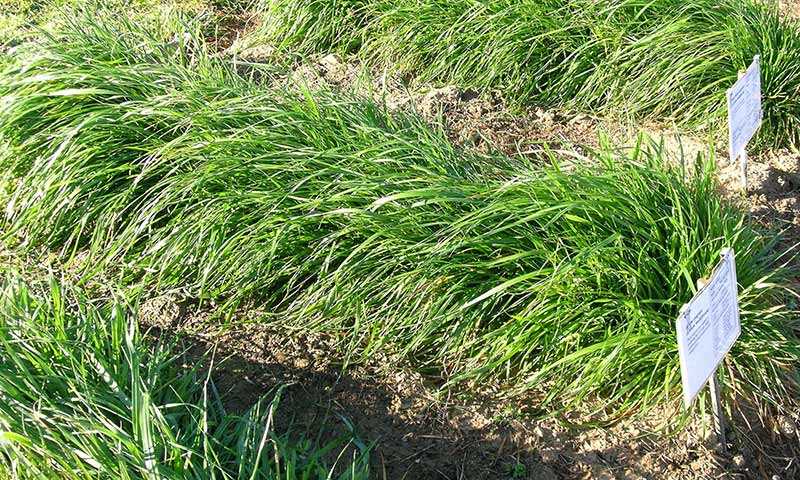
Quick Answer: Annual ryegrass is a type of grass that completes its life cycle in one year. It is known for its rapid growth and ability to provide quick ground cover. This grass is commonly used in agriculture and landscaping for its versatility and ability to prevent erosion. With its lush green appearance, annual ryegrass adds aesthetic appeal to any outdoor space. Its ability to tolerate wide range of soil conditions makes it a popular choice among gardeners. Whether you want to improve the appearance of your lawn or prevent soil erosion, annual ryegrass is a great option to consider. Now, let’s dive into the details of what makes this grass so special.
Introduction:
Annual ryegrass serves as an excellent solution for those seeking fast-growing, versatile grass that enhances the look of any outdoor space. Whether you’re an agriculture enthusiast or passionate about landscaping, this grass can fulfill a myriad of purposes. With its rapid growth and ability to complete its life cycle within a year, annual ryegrass stands out among other grass varieties. Moreover, its dense growth pattern and lush green appearance make it highly valued in the landscaping industry. Whether you’re looking to improve the aesthetics of your lawn or prevent soil erosion, annual ryegrass can be your go-to choice.
In this article, we will explore the characteristics, uses, and benefits of annual ryegrass. We’ll delve into its growth habits, cultivation techniques, and maintenance requirements, providing you with the necessary knowledge to make informed decisions about incorporating this grass into your landscape. So, let’s get started and discover the world of annual ryegrass.

What is Annual Ryegrass?
Annual ryegrass, scientifically known as Lolium multiflorum, is a popular cool-season grass species that is widely used in agriculture and landscaping. It belongs to the grass family Poaceae and is native to Europe but has become naturalized in many parts of the world, including North America.
This versatile grass is highly valued for its quick establishment, fast growth, and ability to provide lush green coverage. It germinates and grows rapidly, making it an excellent candidate for temporary cover crops, erosion control, forage production, and as a companion to perennial grasses.
Characteristics of Annual Ryegrass
Annual ryegrass possesses several distinguishing characteristics that make it a desirable option for various applications:
- Growth Habit: Annual ryegrass is a bunchgrass, meaning it forms tufts or clumps rather than spreading through rhizomes or stolons. This growth habit makes it easy to manage and establish.
- Foliage: The blades of annual ryegrass are soft and succulent, measuring 2 to 6 millimeters in width. They have a dark green color, providing an aesthetically pleasing appearance.
- Root System: This grass species develops a fibrous root system that aids in stabilizing soil and preventing erosion.
- Growth Rate: Annual ryegrass is known for its rapid growth, which allows it to establish quickly and provide quick coverage.
- Adaptability: It thrives in a wide range of soil types and climates, making it suitable for diverse geographical regions.
- Winter Hardiness: While annual ryegrass is not as winter-hardy as some other cool-season grasses, it can tolerate frost and mild freezing temperatures.
- Seeding: It can be easily seeded using broadcast or drill methods, and it has a good germination rate.
Uses of Annual Ryegrass
Annual ryegrass finds extensive use in various applications due to its versatility and beneficial characteristics. Let’s explore some of its common uses:
1. Cover Crop and Erosion Control
Annual ryegrass is often used as a cover crop to protect bare soil from erosion, nutrient leaching, and weed invasion. This grass establishes quickly, forming a protective cover that prevents soil erosion caused by wind and water. Its fibrous root system helps improve soil structure, increase organic matter, and enhance nutrient cycling.
Furthermore, the dense growth of annual ryegrass competes with weeds, reducing their population and suppressing their growth. Once spring arrives, it can be easily terminated by mechanical means or herbicides, leaving behind a layer of organic matter that enriches the soil.
2. Forage Production
Annual ryegrass is a valuable forage grass used in livestock production. It offers excellent nutritional value and palatability, making it a popular choice for grazing animals. The high protein content, digestibility, and energy content of the grass contribute to improved growth and production in livestock.
It is often sown in pastures during late summer or early fall to provide supplemental forage during the cooler months when perennial pastures may become dormant or less productive. Additionally, it can be utilized as silage or hay, offering a reliable source of feed for livestock during periods of scarcity.
3. Lawn and Turf Establishment
Annual ryegrass is commonly used in lawn and turf mixtures, particularly in regions with cool climates. Its fast germination and establishment make it an ideal component for temporary lawns and overseeding existing lawns. It quickly provides a lush green cover, improving the aesthetic appeal of residential and commercial landscapes.
Due to its rapid growth and ability to recover from heavy foot traffic, it is often preferred for high-traffic areas such as sports fields, parks, and recreational areas. However, it is important to note that annual ryegrass does not have the same level of wear tolerance as some other cool-season grasses.
4. Companion Grass for Perennial Grasses
Annual ryegrass is frequently used as a companion grass in mixtures with perennial cool-season grasses, such as tall fescue, Kentucky bluegrass, or perennial ryegrass. It helps to provide quick cover and protection for the slower-establishing perennial grasses in the early stages of growth. As the perennial grasses mature, the annual ryegrass naturally dies off, leaving space for the desired grass species to dominate the area.
Best Practices for Annual Ryegrass Management
While annual ryegrass offers numerous benefits, proper management is crucial to maximize its potential and prevent any potential issues. Here are some best practices to consider:
- Seeding Rate and Timing: For cover crop purposes, the recommended seeding rate ranges from 20 to 30 pounds per acre, while for forage production, it can vary from 15 to 25 pounds per acre. The optimal time to sow annual ryegrass depends on the region, but it is generally done in late summer or early fall.
- Soil and Nutrient Requirements: Conduct a soil test before planting to determine the nutrient requirements. Annual ryegrass thrives in well-drained soil with a pH ranging from 5.5 to 7.0. Adequate levels of nitrogen, phosphorus, and potassium are essential for healthy growth.
- Watering: Regular watering is necessary during the establishment phase to ensure proper germination and growth. Once established, water as needed to maintain adequate soil moisture.
- Mowing and Grazing: If using annual ryegrass for lawns or turf, maintain a mowing height of 2 to 3 inches to encourage healthy growth. When grazing, avoid overgrazing to maintain stand density and allow for regrowth.
- Termination: If used as a cover crop, terminate annual ryegrass before it starts producing seeds to prevent potential weed issues. Mechanical methods such as mowing or tilling can be employed, or herbicides can be used under proper guidance.
By following these best practices, you can ensure successful establishment and optimal performance of annual ryegrass in your desired application.
In Conclusion
Annual ryegrass, with its rapid growth, versatility, and numerous beneficial characteristics, serves as an excellent option for cover crops, erosion control, forage production, and turf establishment. Its adaptability, quick establishment, and lush appearance make it a valuable asset for a wide range of agricultural and landscaping needs.
Whether you’re looking to protect your soil, provide nutritious forage for livestock, or create a beautiful lawn, annual ryegrass can be an effective ally in achieving your goals. By understanding its characteristics and implementing proper management techniques, you can harness the full potential of this versatile grass species.
Perennial Ryegrass Pros and Cons
Frequently Asked Questions
What is annual ryegrass?
Annual ryegrass, also known as Italian ryegrass, is a cool-season grass species commonly used for forage, erosion control, and cover cropping purposes. It is a bunch-type grass that grows in annual cycles, meaning it completes its life cycle within one year.
How does annual ryegrass differ from perennial ryegrass?
Annual ryegrass and perennial ryegrass are two distinct grass species. While annual ryegrass completes its life cycle within one year, perennial ryegrass persists for multiple years. Perennial ryegrass is often used for lawns and pastures, whereas annual ryegrass is primarily employed as a temporary cover crop or forage.
What are the benefits of using annual ryegrass as a cover crop?
Using annual ryegrass as a cover crop offers several benefits. It helps prevent soil erosion by binding the soil with its extensive root system. Additionally, annual ryegrass suppresses weed growth, improves soil structure, increases organic matter, and absorbs excess nutrients, thus preventing nutrient runoff and promoting soil health.
Can annual ryegrass be grazed by livestock?
Yes, annual ryegrass is an excellent forage option for livestock. It provides high-quality forage with good nutritional value. Grazing annual ryegrass can enhance livestock productivity, as it offers palatable and digestible forage during the cool season. However, it is important to manage grazing to prevent overgrazing and allow for regrowth.
When is the best time to plant annual ryegrass?
The best time to plant annual ryegrass depends on the region and its climate. In most areas, it is typically sown in late summer or early fall, allowing the grass to establish strong roots before winter. However, in warmer regions, it can also be planted in late winter or early spring. It is important to consider the specific climate and frost dates of the area for optimal planting time.
How can annual ryegrass be established?
Annual ryegrass can be established by broadcasting the seeds over a well-prepared seedbed or by drilling them into the soil. Good seed-to-soil contact is crucial for successful establishment. It is recommended to sow the seeds at a depth of around ¼ to ½ inch and ensure adequate soil moisture for germination. Regular irrigation may be necessary during dry periods to aid in establishment.
Final Thoughts
Annual ryegrass is a versatile and hardy grass species that can add value to your agricultural practices. It provides excellent ground cover and erosion control, making it ideal for challenging terrains. Additionally, its fast-growing nature allows for quick establishment and efficient weed suppression. With its ability to thrive in various climates and soil types, annual ryegrass proves to be a reliable choice for improving soil health and providing high-quality forage for livestock. Whether you’re looking to enhance your pasture or incorporate cover crops, annual ryegrass is an advantageous option to consider.