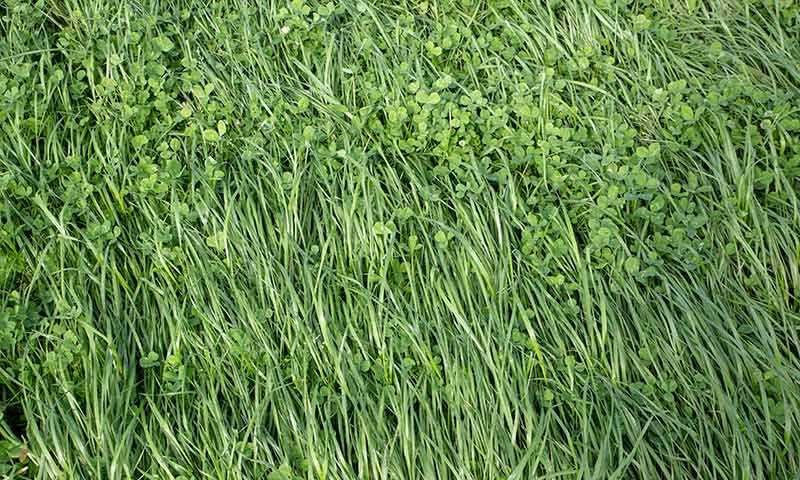
Ryegrass can sprout remarkably quickly, often within just 5 to 14 days after planting, depending on the conditions. If you’re eager to see lush green growth in your yard or garden, knowing how fast ryegrass germinates can help you plan your care schedule and expectations. In general, ryegrass tends to germinate faster than many other grasses, especially when soil temperatures are ideal and moisture levels are consistent. This quick turnaround makes it a popular choice for overseeding or establishing a new lawn, as you won’t have to wait long to see results. To ensure a smooth germination process, understanding the key factors influencing ryegrass growth can be invaluable. In this article, we’ll explore how long it takes for ryegrass to sprout and what you can do to maximize its germination speed.

How Long Does It Take for Ryegrass to Germinate?
Understanding Ryegrass Germination
Ryegrass is a popular grass seed used for lawns, sports fields, and pastures because of its fast-growing nature. Germination is the process where a seed begins to grow into a new plant. The time it takes for ryegrass to sprout can vary depending on several factors.
Average Germination Time for Ryegrass
Typically, ryegrass seeds sprout within **5 to 14 days** after planting. Most ryegrass varieties begin to emerge around **7 days**. However, some conditions can either speed up or delay this process.
Factors Influencing Ryegrass Germination Time
Soil Temperature
Soil temperature is crucial for ryegrass seed germination. The ideal temperature range is between **55°F and 75°F** (13°C to 24°C). Within this range, germination occurs more rapidly. If the soil is too cold or too hot, germination can be delayed or even halted.
Soil Moisture
Moisture levels directly impact seed sprouting. Ryegrass seeds need consistent moisture to initiate germination. Too little water can prevent seeds from waking up, while excessive water might cause rot, slowing down the process.
Seed Quality and Preparation
High-quality seeds with good viability tend to sprout faster. Properly prepared seeds, such as those that are clean and free of pests, have a higher chance of quick germination.
Sunlight Exposure
While ryegrass doesn’t require direct sunlight to germinate, adequate light can promote healthy and quicker growth once sprouted. Seeds planted in shaded areas might take slightly longer to emerge.
Steps to Ensure Faster Ryegrass Germination
To promote the fastest possible germination, follow these steps:
- Plant seeds in well-draining soil that’s rich in nutrients.
- Maintain soil temperatures within the optimal range of 55°F to 75°F.
- Keep the soil consistently moist, but not waterlogged.
- Use high-quality ryegrass seeds suitable for your climate.
- Avoid planting in conditions prone to extreme heat or cold.
Best Practices for Ryegrass Seeding
Applying proper seeding techniques improves germination speed and success. Here are some best practices:
Preparation of the Soil
Prepare your soil by removing weeds, rocks, and debris. Loosen the soil to ensure good contact between the seed and soil.
Timing of Seeding
Plant ryegrass during early fall or spring when soil temperatures are ideal. This timing helps maximize germination rates.
Seeding Density
Use recommended seeding rates to avoid overcrowding, which can hinder seed growth and access to nutrients.
Common Problems That Delay Germination
Sometimes, ryegrass takes longer to sprout due to issues that can be fixed with adjustments.
Cold Soil Temperatures
If soil is too cold, seeds may remain dormant longer. Using soil warmers or waiting until temperatures rise helps.
Insufficient Water
Dry soil can prevent germination. Consistent watering ensures the seed stays moist enough to sprout.
Poor Soil Conditions
Compacted, overly acidic, or overly alkaline soil can inhibit germination. Amending soil with compost or adjusting pH levels can improve conditions.
Monitoring Germination Progress
Check your planting area regularly during the expected germination period. Look for signs of sprouting, such as small green shoots breaking through the soil surface.
Signs of Healthy Germination
Healthy ryegrass seedlings are bright green and grow rapidly. If you see no signs after two weeks, reassess soil conditions and watering practices.
Understanding how long ryegrass takes to germinate helps in planning and ensuring successful lawns or fields. While most ryegrass seeds sprout within **5 to 14 days**, factors like soil temperature, moisture, seed quality, and planting techniques play vital roles. By paying attention to these elements and maintaining optimal conditions, you can achieve quick and healthy germination, leading to lush green growth in no time.
How Long Does It Take Rye Grass Seed To Germinate? – The Plant Enthusiast
Frequently Asked Questions
How can soil conditions affect the germination time of ryegrass?
Soil conditions play a significant role in ryegrass germination. Well-drained, moist, and nutrient-rich soils support quicker germination. If the soil is compacted, too dry, or lacks essential nutrients, it can delay germination or inhibit seed sprouting altogether. Proper soil preparation, including aeration and fertilization, can help ensure faster and more uniform germination.
What is the typical temperature range for optimal ryegrass germination?
Ryegrass generally germinates best when soil temperatures range between 50°F and 75°F (10°C to 24°C). Within this temperature window, seeds absorb water and nutrients efficiently, leading to quicker sprouting. Staying within this range promotes healthy seed development and prevents germination delays caused by cold or excessively hot soils.
How long should I wait before considering re-seeding if germination doesn’t occur quickly?
If you don’t see germination within the expected timeframe, usually 7 to 14 days, it’s wise to check the quality of your seed and soil conditions. Sometimes, poor seed quality or unfavorable environmental factors slow germination. If conditions improve and no sprouts emerge within this period, re-seeding after addressing these issues can help establish your ryegrass more successfully.
Does watering frequency influence the germination speed of ryegrass?
Yes, consistent and adequate watering encourages faster germination. Keeping the soil evenly moist ensures that seeds absorb enough water to initiate sprouting. Avoid overwatering, which can lead to waterlogged soil and hinder germination, as well as underwatering, which can keep seeds from absorbing enough moisture to sprout effectively.
Can seed depth impact how quickly ryegrass germinates?
Absolutely. Planting ryegrass seeds too deep can prolong germination time because seeds need to reach the surface to sprout. Ideally, you should sow the seeds just beneath the soil surface, about 0.25 to 0.5 inches deep. Shallow planting allows seeds to emerge quickly and reduces the chances of delayed germination.
Final Thoughts
The time it takes for ryegrass to germinate varies based on temperature and soil conditions. Generally, germination occurs within 5 to 14 days after sowing. Cooler temperatures may slow down the process, while warmer, moist soils promote quicker growth.
Understanding these factors helps you plan better for establishing a healthy lawn.
In conclusion, how long does it take for ryegrass to germinate? Typically, it takes around one to two weeks, depending on environmental conditions.