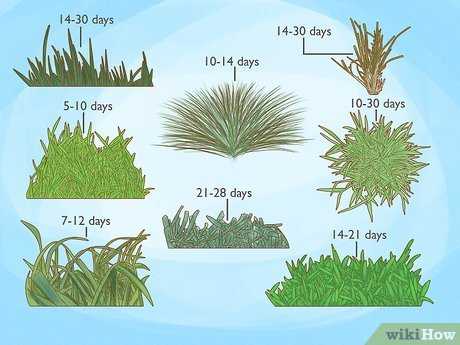
Bermuda grass seeds typically germinate within 7 to 21 days, depending on environmental conditions. If you’re eager to see your lawn thrive, understanding the germination timeline can help you plan your care routine effectively.
In just about a week to three weeks, Bermuda grass seeds usually sprout, but this can vary based on soil temperature, moisture levels, and sunlight. Proper preparation and consistent watering can speed up this process and ensure strong, healthy growth.
Getting a lush Bermuda lawn starts with patience and the right conditions. As soon as you plant the seeds, they need warmth, moisture, and sunlight to kickstart germination. Usually, with optimal conditions, you’ll see signs of life in about a week, but it may take up to three weeks for the grass to establish fully. Knowing these timelines helps you stay motivated and adjust your watering and maintenance schedule to give your new grass the best start.

How Long Does It Take Bermuda Grass Seed to Germinate
Understanding how long Bermuda grass seed takes to germinate can help gardeners plan their planting schedule effectively. Typically, Bermuda grass seeds begin to sprout within a certain timeframe, but various factors can influence this process. Knowing these details ensures you can provide the best care to achieve lush, healthy Bermuda grass.
Basic Timeline for Bermuda Grass Seed Germination
Most Bermuda grass seeds germinate within a period of 7 to 14 days after planting. Under ideal conditions, you’ll notice the first shoots emerging around one week. However, this timeline can vary depending on environmental factors such as soil temperature and moisture levels.
In some cases, germination might take as little as 5 days, especially when conditions are perfect. Conversely, if conditions are less than optimal, germination could extend to 21 days or more. Patience is essential during this early stage of growth.
Factors That Affect Germination Time
Soil Temperature
Soil temperature plays a crucial role in Bermuda grass seed germination. The ideal temperature range is between 65°F and 75°F (18°C to 24°C). Within this range, seeds sprout quickly, often in 7 to 10 days.
If soil temperatures are lower than 60°F (15°C), germination may slow down significantly or not occur at all. Warmer soil beyond 75°F (24°C) can also delay sprouting or damage the seeds.
Moisture Levels
Consistent soil moisture is vital for Bermuda grass seed germination. Seeds need to be kept moist but not soaked. Proper watering promotes quicker sprouting, often within the typical 7 to 14 days.
If the soil dries out, germination will be delayed. Overwatering can cause seed rot, so maintaining a balance is essential for optimal germination time.
Soil Quality and Preparation
Well-prepared, loose, and fertile soil encourages faster germination. Removing weeds and debris creates a better environment for seeds to establish roots. Incorporating compost can improve soil fertility and promote quicker sprouting.
Compacted or poor-quality soil can hinder seed growth, leading to delays or uneven germination.
Steps to Speed Up Bermuda Grass Seed Germination
Proper Soil Preparation
Start by loosening the soil to a depth of about 4 to 6 inches (10 to 15 cm). Rake the surface to smooth it out and remove any stones or debris. Incorporate a layer of compost or organic matter to enhance soil fertility.
Optimal Seeding Techniques
Spread the seeds evenly to ensure uniform coverage. To improve germination success, lightly rake the seeds into the soil surface. Covering the seeds with a thin layer of soil or sand helps retain moisture and protect against birds.
Consistent Watering Schedule
Water the area gently and frequently to keep the soil consistently moist. During hot weather, this might mean watering 2 to 3 times daily. Avoid overwatering, which can lead to seed rot and fungal issues.
Maintaining Germination Conditions for Success
Temperature Control Tips
If planting early in spring or late in fall, consider using soil heaters or covering the area with clear plastic to warm the soil. This creates a mini-greenhouse effect, promoting faster germination.
Moisture Retention Strategies
Applying a thin layer of straw or mulch helps preserve soil moisture. Using drip irrigation or soaker hoses can deliver consistent watering directly to the soil level.
Monitoring and Adjusting
Regularly check the soil moisture and temperature. Adjust watering and covering as needed to maintain ideal conditions. Patience during this crucial stage is important for ensuring healthy seedling emergence.
Common Challenges That Delay Bermuda Grass Germination
Inconsistent Watering
Irregular watering can cause the soil to dry out or become overly saturated, both of which delay germination. Establishing a consistent schedule helps seeds sprout on time.
Inadequate Soil Temperature
Planting when soil temperatures are too low or too high can extend germination time. Waiting for optimal conditions ensures quicker and more uniform sprouting.
Poor Soil Conditions
Compacted or infertile soil hampers seed growth. Proper soil preparation before planting is key to avoiding these issues and speeding up germination.
What to Expect After Germination
Once Bermuda grass seeds sprout, they develop into small seedlings within 2 to 3 weeks. During this stage, providing adequate water, sunlight, and nutrients supports healthy growth.
Gradually, the young grass begins to fill in, creating a dense turf. Patience during this phase ensures a strong, lush lawn in the future.
Summary of Germination Time and Influencing Factors
| Factor | Impact on Germination Time |
|---|---|
| Soil Temperature | Optimal between 65°F and 75°F allows 7 to 10 days; outside this range, delays may occur |
| Soil Moisture | Consistent moisture speeds up sprouting; irregular watering causes delays |
| Soil Quality | Prepared, loose soil promotes faster germination; compacted soil slows it down |
| Seeding Depth | Planting seeds 1/4 to 1/2 inch (0.6 to 1.3 cm) deep ensures quick emergence |
| Weather Conditions | Warm, sunny days support faster germination; cold or windy weather can hinder it |
In summary, Bermuda grass seed typically germinates within a week to two weeks under ideal conditions. However, factors like soil temperature, moisture, and soil quality significantly influence this process. Providing the right environment and care will help your seeds sprout faster and grow into a healthy, green lawn.
How Long Does Bermuda Grass Seed Take To Grow? – The Plant Enthusiast
Frequently Asked Questions
What environmental conditions influence the germination time of Bermuda grass seed?
Temperature, moisture, and soil quality significantly impact how quickly Bermuda grass seeds germinate. Warm temperatures between 75°F and 85°F (24°C to 29°C) promote faster germination. Consistent moisture levels are necessary to keep the soil damp, which encourages seed sprouting. Additionally, well-drained, nutrient-rich soil creates ideal conditions for rapid germination and healthy seedling growth.
How does soil preparation affect the germination speed of Bermuda grass seed?
Proper soil preparation accelerates germination by creating a favorable environment for seed growth. Loosen the soil to improve aeration and ensure good seed-to-soil contact. Removing debris and weeds prevents competition for nutrients and water. Incorporating organic matter improves soil fertility and moisture retention, helping seeds to sprout more quickly and uniformly.
What are common mistakes that delay Bermuda grass seed germination?
Applying too much fertilizer, especially nitrogen-rich types, can hinder germination. Overwatering can lead to waterlogged soil, which drowns seeds or causes fungal problems. Planting seeds too deep or too shallow can also delay sprouting; seeds should be planted at the recommended depth to optimize oxygen access and moisture absorption. Failing to keep the soil consistently moist during germination stages may also extend the time it takes for seeds to sprout.
How does seed quality influence the time required for Bermuda grass to germinate?
High-quality seeds that are fresh and viable tend to germinate faster than older or poor-quality seeds. Certified seeds undergo testing to ensure they have a high germination rate, which means a higher percentage of seeds sprout in a shorter period. Using quality seeds minimizes gaps in your lawn and reduces the time needed to establish a healthy Bermuda grass cover.
What role does seed variety play in the germination timeline of Bermuda grass?
Different Bermuda grass varieties have varying germination periods based on their genetic traits. Some varieties are designed for quick establishment and may sprout within 5 to 7 days, while others might take up to 14 days or more. Selecting a fast-germinating variety can help you establish your lawn more rapidly, especially in warm conditions conducive to Bermuda grass growth.
Final Thoughts
The time it takes for Bermuda grass seed to germinate depends on various factors. Typically, you can expect germination within 7 to 21 days under proper conditions. Adequate moisture, warmth, and sunlight speed up the process.
To ensure successful germination, keep the soil consistently moist and maintain temperatures between 65-70°F. Patience is key, as delays may happen if conditions are less ideal.
In conclusion, how long does it take Bermuda grass seed to germinate? Generally, it takes about 1 to 3 weeks. Proper care and optimal conditions significantly influence this timeframe.