You're watering your houseplants wrong, and it's not your fault. What is the best way to water indoor plants? It's not about a calendar reminder or a cup measurement.
Water when the soil feels dry. Most plant deaths come from overwatering, root rot, and the guesswork that causes both.
In our research, one standard stands out across university extension guides: check the top 1 to 2 inches of potting mix, and only water when that layer is dry. A moisture meter puts that dry zone at readings between 1 and 3 on a 10-point scale. That's your reliable baseline.

Image source: Web (Bing) / fity.club (Web image (fair-use with source credit))
Quick Answer
The best way to water indoor plants is to check the soil first. Stick your finger about 1 to 2 inches deep. Water only when that layer feels dry.
Then soak the soil until water drains from the pot bottom. Empty the saucer after 30 minutes. Schedules don't matter, soil condition does.
Why Watering Indoor Plants Feels Like Guesswork
You've probably stood over a plant with a watering can, second-guessing yourself. That's not a personal failure. It's bad advice.
Some sources say "water once a week." Others say "wait until leaves droop." Both can kill your plant.
No two homes are the same. Light levels differ. Humidity differs.
Pot sizes differ. A routine that works in a bright, south-facing kitchen will drown a snake plant in a dim office.
Here's what actually changes how fast soil dries out:
- Light intensity. Bright windows mean faster drying.
- Humidity. Forced air heat pulls moisture from soil.
- Pot material. Terracotta wicks water away, plastic traps it.
- Season. Spring and summer mean more growth, winter means less.
Stop relying on the calendar and start reading your plant's environment.
The Rule That Changes Everything: No Schedules, Just Soil
Water when the plant needs it, not when the calendar tells you to. That means checking the soil before you pour. It's a simple loop: check, decide, water or wait.
For most houseplants, the soak-and-dry method works perfectly. Water thoroughly until it drains, then wait until the top layer dries out before watering again. That cycle mimics natural rainfall, and roots love it.
How Water and Soil Work Together: The Basics of Drainage, Aeration, and Root Health
Potting mix isn't dirt. It's a structured blend that balances water, air, and nutrients. When you water, the mix absorbs moisture, but excess must drain to leave air pockets.
Roots need oxygen as much as they need water. Soggy soil suffocates them.
That's why drainage holes matter. A pot without holes traps every drop. The lower half stays waterlogged, and roots begin to rot.
You'll see yellowing leaves and a musty smell, often weeks after the real damage.
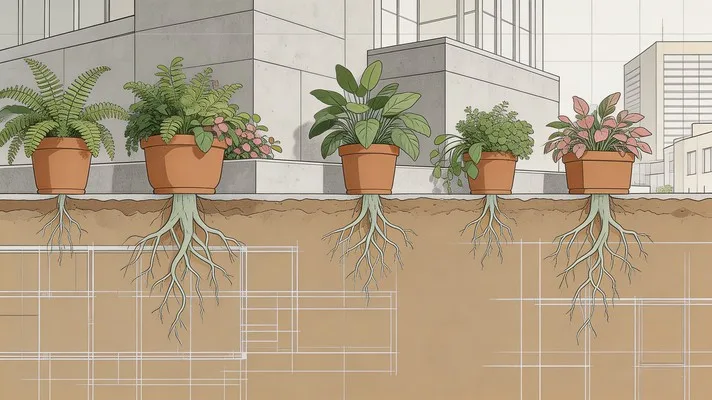
Image source: Web (Bing) / stockcake.com (Web image (fair-use with source credit))
Pot material matters too. Unglazed terracotta is porous, so it pulls moisture from the soil and lets it evaporate. Glazed ceramic and plastic hold water much longer.
A plant in terracotta may need water every four days, while the same plant in plastic lasts a week.
A good houseplant blend contains peat moss or coco coir for moisture retention, perlite for aeration, and sometimes bark for drainage. That's why repotting every couple of years is vital. Old soil compacts, stops draining, and ruins your watering routine.
The Decision Tree: What to Check Before You Reach for the Watering Can
Your first check is the finger test. Push your index finger 1 to 2 inches into the soil. Damp soil clings to your skin.
Dry soil crumbles away.
Second, lift the pot. A plant ready for water feels much lighter than one just watered. With practice, this becomes a reliable silent signal.
| Soil condition | What you feel | What to do |
|---|---|---|
| Top 2 inches dry | Soil crumbles | Water until it drains |
| Top 2 inches damp | Soil clings, cool | Wait 2 to 3 days |
| Pot feels very light | Much lighter than normal | Water now |
| Leaves droop, soil dry | Crispy edges | Water immediately |
| Leaves yellow, soil wet | Soft stems, musty odor | Let soil dry out |

Image source: Web (Bing) / simplygreenhouse.com (Web image (fair-use with source credit))
Now match your plant. Succulents and cacti want bone-dry soil between waterings. Peace lilies and ferns prefer light, even moisture.
Monstera and pothos like a dry-out period, but not bone dry. When unsure, look up the plant's native habitat. That tells you everything.
Also consider the room. Air conditioning dries soil fast. A spot near a radiator in winter needs more attention.
Adjust your checks based on the spot, not just the species.
Step-by-Step: How to Water Indoor Plants the Right Way
Two reliable methods exist. Top watering works for most houseplants. Bottom watering suits ferns and plants that hate wet foliage.
Top watering steps:
- Use room temperature water. Cold tap water shocks roots.
- Pour slowly over the soil, avoiding leaves and stems.
- Keep pouring until water drains from the bottom holes.
- Let the pot sit for 15 to 30 minutes.
- Empty the saucer completely.
- Wait for the top 1 to 2 inches to dry before repeating.
Bottom watering steps:
- Fill a tray with about half an inch of room temperature water.
- Set the pot in the tray.
- Let it soak for 15 to 30 minutes.
- Check the topsoil. If damp, it's done.
- Remove the pot and dump leftover water.
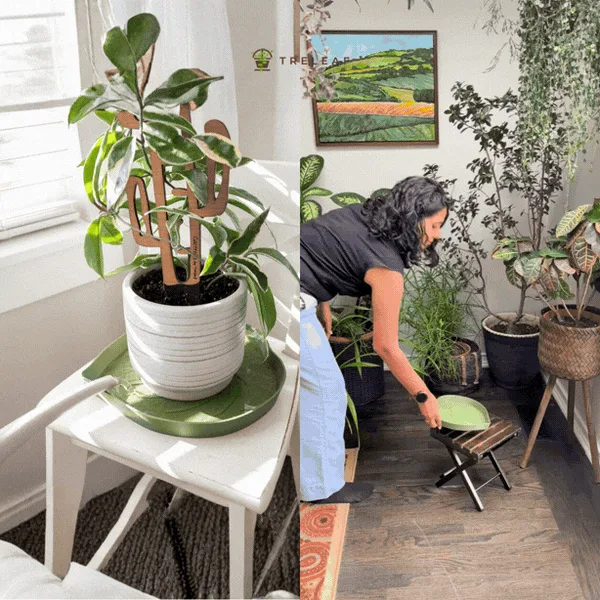
Image source: Bing (Web (fair-use with source credit))
Bottom watering keeps foliage dry and encourages deep root growth. It also reduces fungus gnats because the top soil stays dry. Many owners alternate, top watering most of the time and bottom watering sensitive species.
A few extra tips. Always discard saucer water after half an hour. Water in the morning when possible.
If your tap water is heavily chlorinated, let it sit out for 24 hours or use filtered water.
The Soak-and-Dry Method vs. Keep-Moist Approach: Which One Your Plant Needs
Two watering philosophies cover almost every indoor plant. Soak-and-dry lets soil dry out completely between waterings. Keep-moist maintains consistent light dampness.
Soak-and-dry suits plants that store water in leaves or stems. Succulents, cacti, snake plants, ZZ plants, and most pothos fall here. Their roots need to breathe between drinks.
Keep-moist suits tropical rainforest plants. Ferns, peace lilies, calatheas, and many begonias prefer soil that never fully dries. Their native habitat has consistent humidity.
| Plant type | Preferred method | Soil feel between waterings |
|---|---|---|
| Succulents and cacti | Soak-and-dry | Completely dry |
| Snake and ZZ plants | Soak-and-dry | Fully dry, then deep soak |
| Pothos and philodendrons | Soak-and-dry | Top 2 inches dry |
| Ferns and calatheas | Keep-moist | Lightly damp always |
| Peace lilies | Keep-moist | Slightly moist, never soggy |
| Monstera | Soak-and-dry | Top 3 inches dry |
Watch the plant's response. If leaves perk up quickly after watering, you're on track. If leaves yellow with wet soil, you're overwatering.
If leaves crisp despite watering, the soil may be too hard to absorb moisture. According to the University of Minnesota Extension, checking soil moisture before watering prevents most common houseplant problems.
Common Watering Mistakes and How to Fix Them
Mistake one: watering on a fixed schedule. This kills more indoor plants than anything else. Fix it by checking soil before every watering.
Mistake two: watering a little at a time. Small sips only wet the top layer. Roots grow downward, so they stay dry. Fix it by watering deeply until it drains.
Mistake three: leaving the pot in standing water. A saucer full of water keeps the soil bottom saturated. Fix it by dumping the saucer 15 to 30 minutes after watering.
Mistake four: using a pot without drainage holes. Even careful watering can drown a plant in a sealed container. Fix it by using a nursery pot inside a decorative cachepot.
Mistake five: ignoring old, compacted soil. Old potting mix stops draining and holds water like a sponge. Fix it by refreshing soil every one to two years.
Seasonal Adjustments and Long-Term Plant Care
Indoor plants don't drink the same amount year-round. As of 2026, most houseplant guides still recommend cutting water drastically in winter. Shorter days and weaker light mean slower growth and less water use.
Here's a quick seasonal guide:
- Spring and summer. Plants grow actively, so water more and check more often.
- Autumn. Growth slows, so stretch out the time between waterings.
- Winter. Many plants go semi-dormant. Water sparingly.
- Heating season. Forced air dries soil faster, so don't assume winter means no water.
Also repot when roots fill the pot. Water will run straight through without being absorbed. Fresh potting mix restores proper drainage and moisture retention.
Watch growth patterns. A plant pushing new leaves needs more water. A plant holding steady needs less.
Observe and respond, don't force a routine.
Troubleshooting: What Your Plant Is Telling You
Yellow lower leaves. Usually overwatering, especially with wet soil. Hold off and let the soil dry.
Brown, crispy leaf tips. Often underwatering, low humidity, or salt buildup. Check soil first, then water deeply or increase humidity.
Wilting leaves. Can mean both over and underwatering. Check the soil. Dry means thirsty, wet means root damage.
Drooping stems. Common in peace lilies when thirsty. They recover quickly after a soak. Persistent droop with wet soil means root rot.
Fungus gnats around the pot. These tiny flies lay eggs in damp soil. Let the top few inches dry out to break their cycle.
White crust on soil. Salt buildup from tap water or fertilizer. Flush the soil by watering heavily until it drains freely.
Mold on soil surface. A sign of excess moisture. Improve airflow, water less, and scrape off the mold.
Frequently Asked Questions
How often should I water my indoor plants?
Most houseplants need water every 7 to 14 days, but it depends on pot size, material, light, and humidity. Check the top 1 to 2 inches of soil instead of counting days. Water only when it feels dry.
What kind of water is best for indoor plants?
Room temperature filtered water is safest. Tap water works for most plants, but high chlorine or minerals can burn leaf tips. Let tap water sit out for 24 hours to evaporate chlorine.
Rainwater and distilled water are great for sensitive plants.
Is bottom watering better than top watering?
Neither is universally superior. Bottom watering keeps foliage dry and encourages deep roots. Top watering flushes excess salts and is faster.
Many owners alternate, using top watering most of the time and bottom watering for ferns and sensitive species.
Can I water my plants with ice cubes?
No. Ice cubes shock tropical roots with cold water and deliver water too slowly. The topsoil stays dry while the bottom stays soggy.
Use room temperature water applied directly to the soil.
What should I do if I overwatered my plant?
Act fast. Remove the plant from its pot and inspect the roots. Healthy roots are firm and white.
Rotting roots are brown and mushy. Trim damaged roots, repot in fresh mix, and water sparingly for a few weeks.
How do I water plants while on vacation?
Use self-watering stakes, terracotta spikes, or a wick system. Fill a reservoir and insert the spike into the soil. Move plants to a shady spot and group them together to slow evaporation.
For long trips, water thoroughly before leaving and set up a drip system.
Your Personal Watering Plan: A Simple Decision Guide
Group your plants by watering needs. Succulents and snake plants go together. Ferns and calatheas go together.
That makes daily checks easier.
Check the soil every two to three days. Use the finger test first. Lift the pot if unsure.
When the top inch feels dry, water deeply until it drains from the bottom. Empty the saucer quickly.
Adjust for your environment. Bright rooms dry soil faster. Cool, humid rooms slow it down.
Yellow leaves? Wait longer. Crispy leaves?
Check more often.
You'll make mistakes. Everyone does. The key is learning to read what your plant shows you.
With consistent soil checks, you'll find a rhythm that works for your home. That's the best watering plan there is.