Can plants survive 2 weeks without water? The honest answer is: it depends. Some plants bounce back with a good soak.
Others are done by day five. Your specific plant, its pot, and the room it sits in all change the equation.
Most houseplants survive a 14-day gap if they're healthy and well-rooted. But casualties are common with thirsty tropicals, clay pots, and full sun. As of 2026, the University of Minnesota Extension recommends checking soil moisture before you even think about watering.
That simple habit tells you more than any calendar. So before you pack a bag, let's figure out what your plant can handle.

Image source: Web (Bing) / plantopiahub.com (Web image (fair-use with source credit))
Quick Answer
Can plants survive 2 weeks without water? Yes, many can. Healthy, established houseplants often survive 14 days.
Succulents and snake plants handle it easily. Thirsty ferns and tropical plants may not. Pot size, soil mix, and light levels decide the outcome.
What Determines Survival: The 4 Key Variables
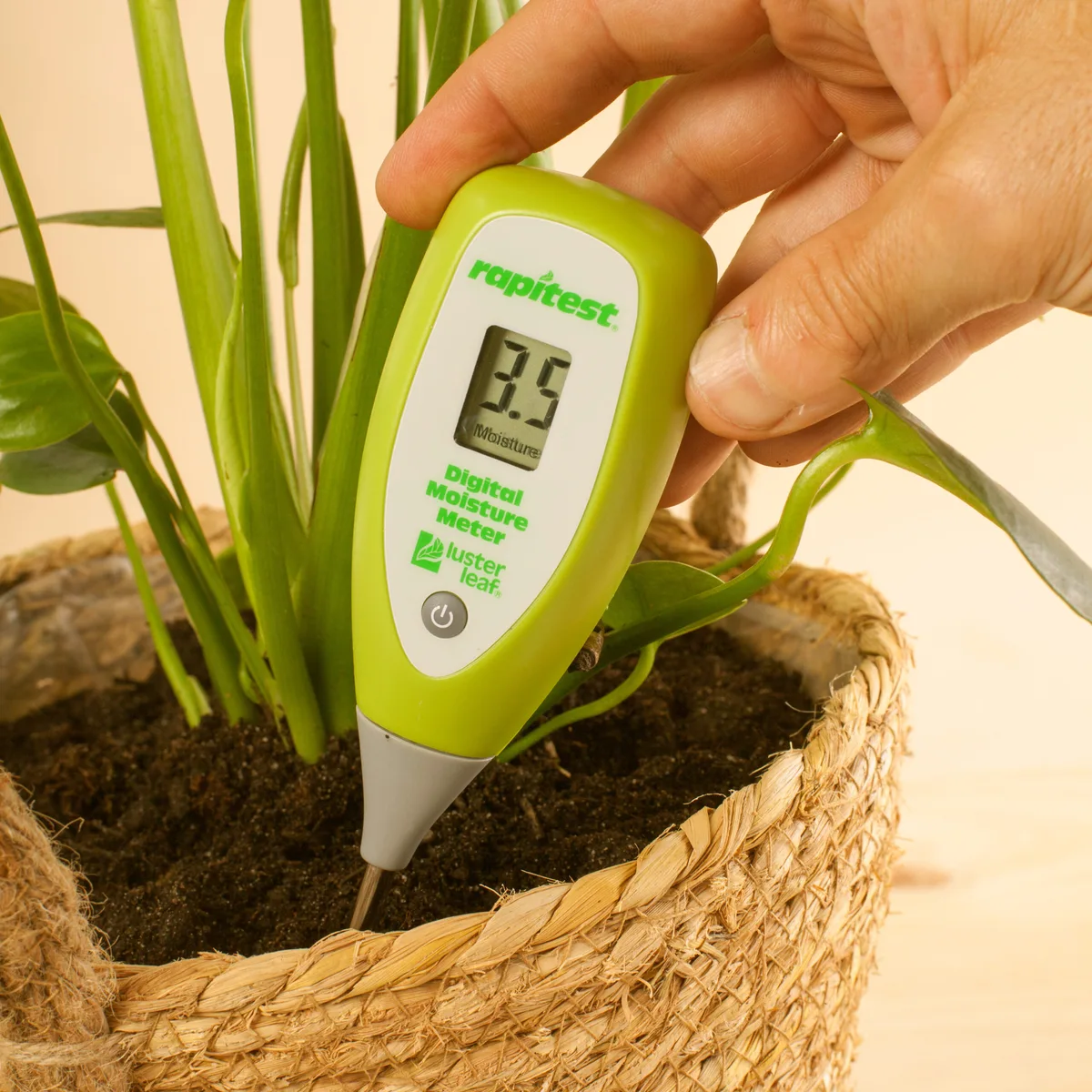
Image source: Web (Bing) / attf.jp (Web image (fair-use with source credit))
Two weeks is a long stretch in plant time. But it's not automatically a death sentence. Four main factors decide whether your plant makes it.
Nail these, and you can leave with real confidence.
Plant Type
Succulents and cacti store water in their leaves and stems. A jade plant or aloe can go a month without a drop. On the other end, ferns, calatheas, and peace lilies wilt dramatically within days.
They're the first to suffer in a drought.
Drought-tolerant houseplants sit in the middle. Snake plants, ZZ plants, pothos, and spider plants all handle a 14-day water gap with some visible stress. They'll look droopy and sad.
But they usually recover once you water them again.
Soil and Potting Mix
The soil you planted in matters as much as the plant itself. A chunky, well-draining mix with perlite or orchid bark dries out fast. That's good for preventing root rot.
But it also means less water stored for the plant during your absence.
Peat-based mixes hold water longer. They can stay moist for a week or more in a plastic pot. The downside?
If the soil dries out completely, peat becomes hard and water-repellent. It shrinks away from the pot walls. Then water runs down the sides and out the drainage holes without soaking into the root ball.
Container vs. In-Ground
In-ground plants have a huge advantage. Their roots reach deep into surrounding soil. Moisture is drawn from a large area around the plant.
Most established garden perennials survive two weeks without water if they're mulched and planted in decent soil.
Potted plants are more vulnerable. Their root systems are confined to a small volume. That soil can dry out completely in a few days.
Smaller pots dry out faster than large ones. Terracotta and unglazed clay pots wick moisture out through their porous walls. Plastic and glazed ceramic pots hold moisture far longer.
Light and Temperature
Light and heat determine how quickly water evaporates. A plant in a bright, sunny window at 75°F drinks through its soil fast. The same plant in a cool, low-light corner might barely need water for two weeks.
For a 14-day absence, the goal is to slow down water use. Move plants out of harsh direct sun. Keep them in a cooler room if you can.
Each drop in temperature reduces evaporation and metabolic activity. That buys you valuable days.
Step 1: Identify Your Plant's Drought Tolerance
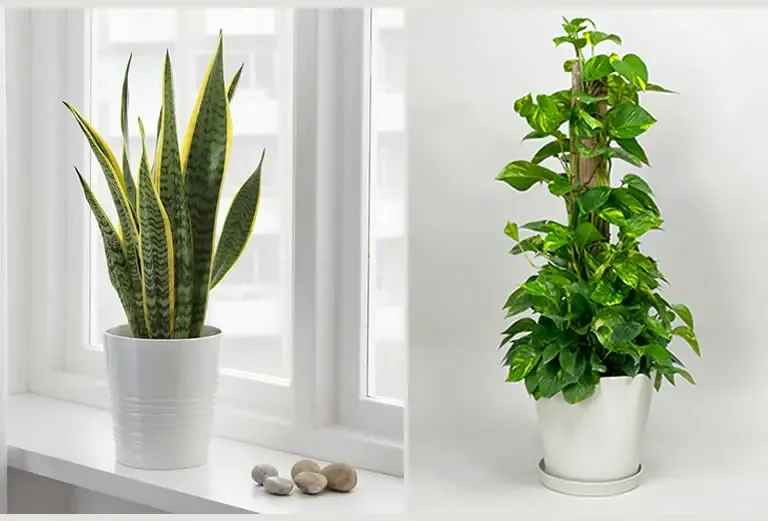
Image source: Bing (Web (fair-use with source credit))
The fastest way to predict survival is to know your plant's family. Some species are practically desert survivors. Others are swamp dwellers that need steady moisture.
Start by grouping your plants into three categories. This simple sorting tells you which ones need special treatment before you leave.
| Group | Examples | 2-Week Survival |
|---|---|---|
| High tolerance | Snake plant, ZZ plant, aloe, jade, cacti, ponytail palm | Likely fine with a pre-watering soak |
| Medium tolerance | Pothos, spider plant, philodendron, monstera, hoyas | Survive but show stress; recovery in days |
| Low tolerance | Ferns, calatheas, peace lilies, begonias, prayer plants | Struggle; many won't recover fully |
If you have low-tolerance plants, don't just water and hope. Those need extra intervention. A self-watering setup, a wick, or a move to a cooler, shadier spot can make the difference between life and death.
For anything in the high-tolerance group, your job is easy. Give them a good soak before you leave. Move them out of direct sun.
They'll be fine.
Step 2: Check the Soil and Pot Setup
Before you water and walk away, you need to know what kind of pot and soil you're working with. This is where a lot of plant casualties happen. People give a big watering, then leave the plant in a hot sunny window.
The soil dries out in four days anyway.
First, check the pot material. Plastic, glazed ceramic, and resin pots retain moisture far longer than terracotta or clay. If your plant is in terracotta, wrap the outside in plastic wrap or slide the whole pot into a slightly larger non-porous container.
That slows evaporation significantly.
Next, test the soil. Stick your finger about two inches deep. If it feels moist, the plant is in a good place.
If it's dry, give a thorough watering until water runs out the bottom. Wait 30 minutes, then water again. This ensures the entire root ball is saturated, not just the top layer.
Finally, check the drainage. You want water to escape, but not so fast that the soil dries out overnight. If your pot has large drainage holes and a very gritty mix, add a thin layer of sphagnum moss or a coffee filter at the bottom.
This holds moisture while still letting excess water drain.
Also, skip fertilizer before a vacation. New growth is thirsty growth. It pushes a plant to use water faster.
Stop feeding at least two weeks before you leave. The plant will stay more compact and use less water.
Step 3: Make a Quick Pre-Departure Plan (7-Day vs. 14-Day)

Image source: Web (Bing) / hpgbrands.com (Web image (fair-use with source credit))
The plan you make depends on how long you'll actually be gone. A week gives you more margin. Two weeks requires a little more strategy.
Let's break it down by timeline.
If You're Gone 7 Days
Most healthy houseplants survive a week with just a thorough pre-watering. Follow these steps:
- Water every plant deeply and twice over. Fill the pot to the rim, let it drain, then water again.
- Move all plants out of direct sun. A bright, indirect spot is ideal.
- Group plants together in a bathtub or a large tray. Place a few inches of wet pebbles or wet towels around them. The humidity from evaporation keeps leaves from drying out.
- Close curtains and blinds to keep the room cool.
That's usually enough for a week. Even thirsty ferns can pull through this way.
If You're Gone 14 Days
Two weeks changes the game. You need active water delivery, not just a good soak. Pick one or more of these methods:
- Watering globes and spikes. These glass or plastic bulbs release water slowly into the soil over days. They work best for medium and low-tolerance plants in plastic pots. Test them a few days before you leave to make sure they don't dump water too fast.
- Wick systems. Place one end of a cotton wick or thick string in the soil at the base of the plant. Put the other end in a container of water positioned above the pot. Capillary action pulls water up to the roots. This works reliably for plants in well-draining soil.
- Drip irrigation kits. A small timer-driven drip system can water a row of pots or a garden bed automatically. Set it to water every three or four days for a few minutes. This is the most dependable method for outdoor containers in hot weather.
- Move plants to the floor. Cooler air near the floor slows evaporation. This is a cheap trick that buys an extra day or two.
- Use a bathtub with shallow water. For plants in plastic pots with drainage holes, group them in a bathtub with an inch of water in the bottom. The soil wicks up moisture from below. Make sure the pots aren't sitting directly in water if the drainage is poor, or you risk root rot.
Choosing Between a Wick and a Watering Globe
Wicks work best for small pots and thirsty plants. They deliver a steady, slow stream of water as long as the reservoir holds. Watering globes suit medium pots with standard potting soil.
In dry, chunky mixes they can release water too quickly. Test either system for a full day before departure to confirm the flow rate.
Test Your Setup Before You Leave
Never install a watering system and leave immediately. Set it up at least two days before your trip. Check soil moisture every morning.
If the soil stays soggy, adjust the flow. If it's bone-dry, add more water or a second wick. The trial run catches problems while you still have time to fix them.
Summer Trips vs. Winter Trips
Season changes everything. Summer heat accelerates evaporation and plant water use. Winter dormancy slows metabolism dramatically.
Most houseplants use far less water in cool, low-light conditions. That means a winter trip needs minimal prep. A July trip needs shade, humidity, and a reliable watering method.
Decision Guide: What Works for Your Situation
Now let's put it all together. Find the scenario closest to your setup, then follow that branch.
Scenario A: Houseplants in Plastic Pots
Plastic and glazed pots are your best friends here. They hold moisture far longer than terracotta. A healthy pothos or philodendron in a plastic pot with a standard peat-based mix will likely survive two weeks with just a deep pre-watering.
Move the plant to a bright room with indirect light. Avoid windowsills that bake in afternoon sun. Group a few pots together on a tray with wet pebbles.
Check the soil moisture two days before you leave. If it's already dry, water again and consider adding a wick.
Scenario B: Succulents and Cacti
These plants barely care about your vacation. A jade plant, aloe, or barrel cactus can go two weeks without water and look completely unbothered. Water them thoroughly the day before departure, then leave them alone.
Move them out of scorching direct sun only if they're in small pots. Larger specimens in big containers are fine wherever they are. Do not overwater before you leave.
That's the one thing that actually kills succulents.
Scenario C: Outdoor Containers in Summer
This is the hardest situation. Outdoor pots in hot weather can dry out completely in two or three days. A two-week gap without intervention is usually fatal.
Set up a drip irrigation system with a timer. That's the only reliable solution. Use a battery-operated timer attached to a hose bib, run 1/4-inch tubing to each pot, and set it to water every other day for a few minutes.
Mulch the soil surface to slow evaporation. Move pots into shade if you can.
Scenario D: In-Ground Garden Beds
Established in-ground plants have the best odds. Their roots reach deep into surrounding soil. A bed of drought-tolerant perennials, shrubs, or mature vegetables can survive two weeks if the soil was healthy beforehand.
Water deeply for several days before you leave. Add a thick layer of mulch. Weed the beds first, since weeds compete for water.
If you're growing thirsty annuals like lettuce or tomatoes, a timed drip line on the soil surface is worth the setup cost.
Common Mistakes to Avoid Before You Leave
Even experienced gardeners make these errors. Avoid them and your plants will thank you.
- Watering too much before leaving. Soggy soil causes root rot. Roots need oxygen. If they sit in water for two weeks, they suffocate. Water deeply, drain, then let the surface dry slightly.
- Leaving plants in hot, direct sun. Each hour of direct sunlight dramatically increases water loss. Move plants to cool, shaded spots. Even sun-loving succulents slow down in shade.
- Forgetting humidity-aware plants. Ferns, calatheas, and prayer plants need moisture in the air, not just the soil. Leave them in a bathroom or kitchen with higher ambient humidity.
- Trimming or pruning before departure. New cuts push fresh growth, which uses more water. Let plants rest instead.
- Ignoring pests. Spider mites and aphids thrive on dry, stressed plants. Check undersides of leaves before you leave. Wash off any visible insects with a gentle spray.
What to Do When You Return: The Rehydration Routine
Coming home to wilted plants is stressful. But don't grab the watering can and flood everything at once. A slow, steady approach works far better.
Start by removing dead leaves and stems. This tells the plant to focus energy on healthy growth. Then water thoroughly, but not excessively.
Wait 30 minutes and water again. This lets the soil rehydrate fully. The plant may look worse for a day or two, but that's normal.
If the soil has become dry and water-repellent, place the pot in a sink or bucket with a few inches of lukewarm water. Let it sit for 20 to 30 minutes. The soil wicks up moisture from the bottom, softening the peat and restoring proper absorption.
For succulents, wait two or three days before watering after a dry spell. Their roots are sensitive, and sudden moisture can cause splitting or rot. Let them recover slowly.
Finally, move plants back to their usual spots gradually. A sudden jump back into full sun can shock leaves that adjusted to shade. Give them a few days of indirect light first.
Signs Your Plant Won't Recover
Stems that snap cleanly and dark, mushy roots with a foul smell mean the plant is likely gone. Firm stems with pale, limp leaves suggest recovery is still possible. Cut away damaged parts first.
Water sparingly and wait a week. Many plants surprise you with fresh growth after looking dead for days.
Frequently Asked Questions
Which plants survive two weeks without water best?
Succulents, cacti, snake plants, ZZ plants, and ponytail palms are the toughest. These drought-tolerant species store water in their leaves, stems, or roots. A two-week absence barely fazes them when they're healthy and established.
Can I leave a peace lily without water for 14 days?
Probably not. Peace lilies are dramatic droopers. They show serious stress after just three or four days without moisture.
A two-week gap usually leads to severe wilting and brown leaf edges. Recovery is possible but slow. Use a wick or self-watering setup if you must leave one.
Do watering globes actually work for 2 weeks?
Yes, for the right plants. Watering globes work best in plastic pots with standard potting soil. They release water gradually over several days.
Most globes hold enough for five to seven days, so pair them with a second method or a larger reservoir for longer trips.
Should I move plants to a cooler room while I'm away?
Yes. Cooler temperatures slow evaporation and reduce the plant's water needs. A drop of even 5 to 10 degrees can buy two or three extra days of survival.
A dark-ish corner is better than a bright windowsill when you're gone.
Is it better to underwater or overwater before a trip?
Underwater slightly rather than overwater. Excess soil moisture causes root rot and fungal growth. A slightly dry plant bounces back quickly.
A plant with rotting roots is a slow, lingering loss.
The Bottom Line: Plan Smart, Not Perfect
Two weeks without water isn't an automatic plant apocalypse. With the right plant choices, a good pre-trip soak, and one solid watering method, most houseplants will survive. Outdoor containers need a timer or a neighbor.
In-ground beds mostly manage on their own.
The dirty secret of gardening is that plants are more resilient than we give them credit for. They've evolved to handle dry spells. Your job is just to stack the odds in their favor before you walk out the door.
Water deeply. Move them to shade. Group them together.
Set up one backup method. Then go enjoy your trip. Your plants will be waiting when you get back.