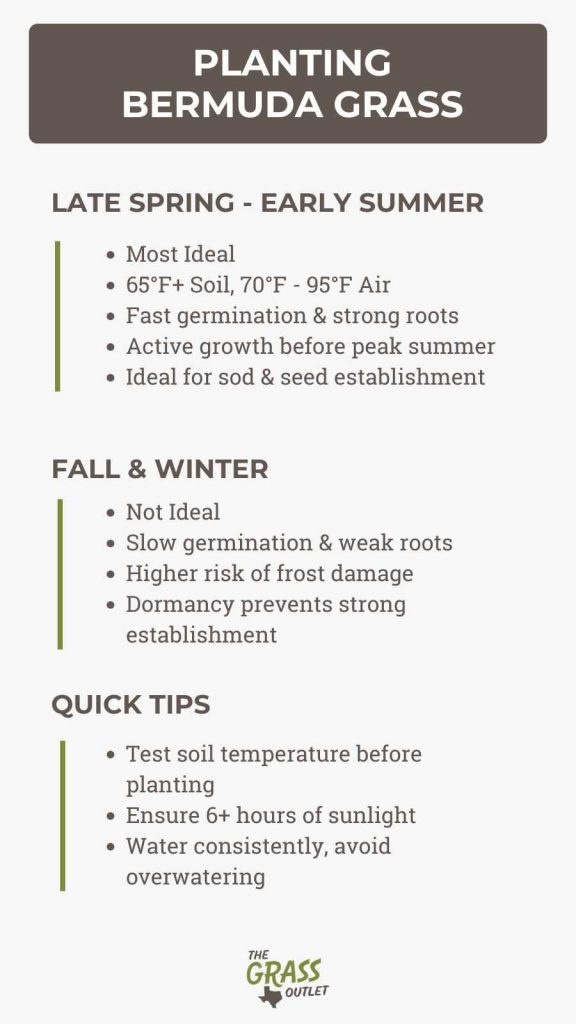
The best time to plant Bermuda grass seed is during late spring to early summer when soil temperatures are consistently warm, typically between 65°F and 70°F. This ensures optimal germination and healthy growth, giving your lawn a lush, green appearance. Timing is crucial—planting too early or late can hinder growth and leave your grass vulnerable to weeds and pests.
In brief, the ideal time to plant Bermuda grass seed is once soil and air temperatures are warm enough for quick germination, usually from late spring through early summer. Preparing your soil properly and choosing the right planting window will set your lawn up for success.
If you’re eager to get a beautiful Bermuda grass lawn, understanding exactly when to sow your seeds can make all the difference. As temperatures rise and the soil warms up, it creates the perfect environment for Bermuda grass to take root. Planting too early in cooler conditions can lead to poor germination, while waiting too long might mean missing the prime growing season. By timing your planting between late spring and early summer, you’ll give your grass the best chance to flourish, resulting in a durable, vibrant lawn that lasts.

When to Plant Bermuda Grass Seed: A Complete Guide
Understanding the Growth Cycle of Bermuda Grass
Bermuda grass grows best during warm weather. Its growth cycle starts in late spring and continues through summer. Knowing this cycle helps determine the ideal planting time. The grass needs warmth to sprout and establish a healthy root system.
Best Months for Planting Bermuda Grass Seed
The ideal window for planting Bermuda grass seed is late spring to early summer. Typically, this means planting between late April and early June. Temperatures within this period encourage rapid germination and strong growth.
Soil Temperature and Its Role in Planting
Bermuda grass seeds germinate best when soil temperatures reach between 65°F to 70°F. You can measure soil temperature with a soil thermometer. Planting when the soil is too cold can delay germination or prevent it altogether.
Climate and Regional Considerations
Different regions have different planting windows. In southern areas like Florida or Texas, planting can begin as early as April. In northern regions, wait until the soil warms further in late May or early June. Always check regional climate data to guide timing.
Signs of Suitable Weather Conditions
Look for consistently warm days and nights with no frost forecast. Clear, sunny days help the seed to establish quickly. Avoid planting during periods of frequent rain or cold snaps that can damage young seedlings.
Understanding Frost Dates
Frost dates are critical in planning. Plant Bermuda grass seed after the last expected frost in spring. For most regions, this is around mid to late April. Ensure frost risk has passed to prevent seed damage.
Preparing Your Lawn Before Planting
Start by removing weeds, rocks, and debris from the soil surface. Loosen the soil to improve seed-to-soil contact. Good preparation promotes even germination and healthy growth.
Soil Testing and Amendments
Test your soil to check pH levels; Bermuda prefers a pH of 6.0 to 7.0. Amend the soil with lime or sulfur as needed to optimize conditions. Nutrient-rich soil supports rapid seed establishment.
Watering and Moisture Conditions
Ensure the soil stays consistently moist after planting. Light, frequent watering helps the seeds absorb moisture for sprouting. Avoid overwatering, which can lead to seed rot or fungal issues.
Optimal Planting Techniques
Spread the seeds evenly using a broadcast spreader or hand-held seed spreader. Lightly rake the soil afterward to ensure good seed-to-soil contact. Consider covering seeds with a thin layer of soil or compost for better germination.
Timing for Different Soil Types and Conditions
Clay soils may require longer warm periods for planting. Sandy soils warm faster and are easier for Bermuda grass seeds to establish in. Adapt your planting schedule based on your soil type to maximize success.
Maintaining Proper Lawn Care Post-Planting
Keep the soil moist until seedlings are 1 to 2 inches tall. As the grass matures, reduce watering frequency but increase depth to encourage deep roots. Regular mowing and fertilization support healthy growth.
Challenges and How to Overcome Them
Poor germination can result from improper timing or inadequate soil preparation. If germination is slow, wait until soil warms fully and ensure consistent moisture. Address weeds early to reduce competition.
Additional Tips for Success
Avoid planting during periods of heavy rain or drought. Use a starter fertilizer to boost early growth. Patience is key—Bermuda grass takes several weeks to establish fully.
Summary Table: When to Plant Bermuda Grass Seed
| Region | Ideal Planting Months | Soil Temperature Range |
|---|---|---|
| Southern U.S. (Florida, Texas) | April to June | 65°F to 70°F |
| Mid-Atlantic | Late April to June | 65°F to 70°F |
| Northern U.S. (Upstate New York) | May to June | 65°F to 70°F |
Key Takeaways: When to Plant Bermuda Grass Seed
– Plant after the last frost date in spring.
– Ensure soil temperatures are between 65°F and 70°F.
– Choose months with consistent warmth and no frost warnings.
– Prepare soil properly for even germination.
– Maintain adequate moisture levels after planting.
By understanding these timing guidelines and environmental conditions, you can give your Bermuda grass the best start. Proper timing leads to a lush, healthy lawn that thrives throughout the warm season.
Seeding Bermuda Lawns and Zoysia Lawns
Frequently Asked Questions
What is the optimal time of year to plant Bermuda grass seed?
The best time to plant Bermuda grass seed is during late spring to early summer when soil temperatures consistently stay between 65°F and 70°F. Planting within this window allows the grass to establish strong roots before the hotter summer months. Avoid planting late in the season, as cooler temperatures can hinder germination and growth.
How do seasonal changes affect the germination of Bermuda grass?
Seasonal changes directly influence when Bermuda grass seeds will germinate successfully. Warm soil temperatures in late spring and early summer promote quicker sprouting and healthy growth. If you plant when temperatures are cooler, germination slows down significantly or may not occur at all, leading to patchy or weak lawns.
Can I plant Bermuda grass seed in the early fall?
Planting Bermuda grass in early fall is possible but not ideal. Cooler temperatures and shorter daylight hours can delay germination and weaken the young grass. If you choose to seed in fall, do so early enough to give the grass ample time to establish powerfully before colder weather arrives. Consider overseeding or waiting until spring for better results.
Should I wait for specific weather conditions before planting Bermuda grass seed?
Yes, wait for warm soil temperatures and dry weather conditions. After the last frost date passes, ensure the soil is warm and moisture levels are appropriate for seed germination. Avoid planting during heavy rain or extreme heat, which can negatively impact seed viability and seedling development.
Final Thoughts
The best time to plant Bermuda grass seed is during late spring to early summer when the soil warms up. This ensures optimal germination and healthy growth.
Planting when temperatures are consistently above 65°F promotes strong root development. Avoid seeding during the cooler months to prevent poor germination.
When to plant Bermuda grass seed depends on your local climate, but generally, late spring is ideal. Timing it right guarantees a lush, green lawn throughout the season.