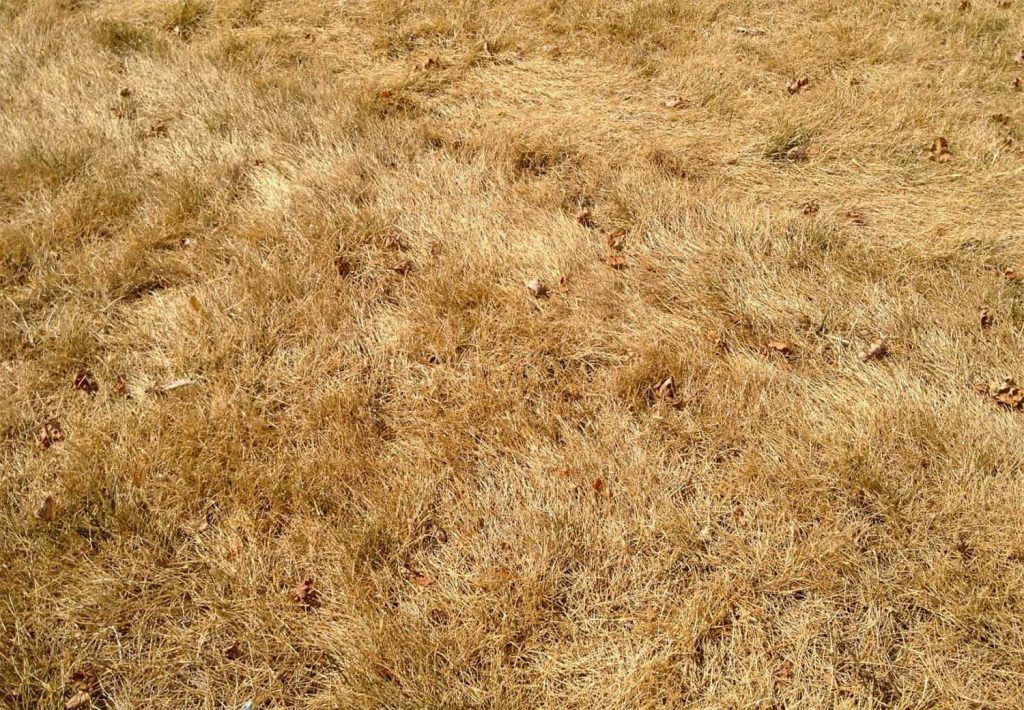
Yes, Bermuda grass does turn brown in the winter. This seasonal change is natural for many warm-season grasses, including Bermuda, which goes dormant when temperatures drop. During winter, you might notice your lush green lawn fading to a brownish hue, but rest assured, this is usually temporary and the grass can bounce back with proper care.
Bermuda grass typically turns brown in winter because it enters dormancy to survive colder temperatures. While it might look dead or unattractive during these months, this dormant state helps it conserve energy. Once warmer weather arrives, your Bermuda grass will usually green up again, revealing a healthy, resilient lawn.
Bermuda grass is a popular choice for lawns and sports fields in warmer climates because of its vibrant growth during the summer. However, many homeowners wonder what happens to their beloved turf when the cold weather arrives. Does it turn completely brown and lifeless? The truth is, Bermuda grass responds to seasonal changes by going dormant, which causes its green blades to turn brown and die back temporarily. This transition helps the grass survive through the cold months when growth slows significantly or stops altogether. Understanding this natural process can help you manage expectations and care for your lawn properly during winter, ensuring it stays healthy and ready to revive once spring returns.

Does Bermuda Grass Turn Brown in the Winter?
Many homeowners and landscapers wonder if Bermuda grass changes color during the colder months. This grass type is known for its lush, green appearance in summer, but what happens in winter? Understanding whether Bermuda grass turns brown in winter helps gardeners plan for maintenance and possible lawn recovery. In this section, we’ll explore how Bermuda grass responds to winter conditions, including the factors that influence its color change.
Why Does Bermuda Grass Often Turn Brown in Winter?
Bermuda grass is a warm-season grass, which means it thrives in hot weather. As temperatures drop in winter, the grass slows its growth and enters a period of dormancy. During dormancy, Bermuda grass conserves energy, and its green chlorophyll degrades, causing the grass to turn brown. This natural process is similar to how deciduous trees shed leaves in fall.
Environmental Factors that Affect Color Change
Several environmental elements influence whether Bermuda grass turns brown or stays green during winter:
- Temperature: Bermuda grass begins to turn brown when temperatures consistently fall below 50°F (10°C).
- Sunlight Exposure: Less sunlight during shorter days can cause the grass to lose its vibrant green hue.
- Frost and Snow: Frost can damage the grass blades, leading to browning, especially if freezes are frequent or severe.
- Soil Conditions: Poor soil drainage or lack of nutrients can weaken Bermuda grass, making it more susceptible to browning.
Does All Bermuda Grass Turn Brown?
The answer is not always straightforward. In regions with mild winters, Bermuda grass may remain partially green.
Regional Differences in Bermuda Grass Behavior
- Southern Climates: In places like Florida or southern Texas, Bermuda grass often stays semi-green through mild winters.
- Northern Climates: In areas with colder winters, Bermuda grass generally goes dormant and turns completely brown.
This variation depends on how severe the winter season is in your area and the specific type of Bermuda grass planted.
How Long Does Bermuda Grass Stay Brown?
Bermuda grass typically turns brown in late fall and remains so until temperatures warm again in spring.
Dormancy Period Duration
- Shorter Winters: Grass may green up earlier in spring, sometimes around March or April.
- Longer Winters: The dormancy period can extend into late April or even May in colder regions.
The length of browning depends heavily on local climate conditions and whether the grass receives any winter maintenance.
Can You Keep Bermuda Grass Green in Winter?
While Bermuda grass naturally turns brown during dormancy, there are ways to keep it greener longer.
Strategies to Maintain Green Color
- Cold-Weather Fertilizers: Applying a slow-release, nitrogen-rich fertilizer before winter can promote sustained color.
- Watering: Proper watering during winter prevents stress and keeps grass healthier.
- Overseeding with Ryegrass: For a green appearance in winter, overseeding Bermuda with cool-season grasses like ryegrass is an option.
- Using Plant Covers: Frost blankets can offer protection and help retain some green coloration.
Will Bermuda Grass Recover in Spring?
Most Bermuda grass will recover from dormancy when temperatures rise again, and daylight increases.
Growth Patterns After Dormancy
- Rapid Green-up: With adequate warmth and sunlight, Bermuda grass can turn green within a few weeks.
- Factors Affecting Recovery: Recovery speed depends on soil health, air temperature, and grass health prior to winter.
To ensure quick recovery, it’s good to avoid heavy traffic or compaction during its dormant phase.
Common Problems That Cause Browning During Winter
Understanding issues that exacerbate browning can help you address them effectively.
Frost Damage
Frost can cause ice crystals within grass blades, leading to cell damage and browning. This is especially common in regions with unpredictable freezes.
Overwatering or Underwatering
In winter, overwatering can cause root rot, while underwatering can stress the grass, both resulting in browning.
Neglect of Lawn Care
Failing to fertilize or aerate Bermuda grass before winter can weaken its resilience, causing more browning.
Related Topics to Consider
Comparing Bermuda Grass with Other Warm-Season Grasses
Understanding how Bermuda compares to Zoysia or St. Augustine can help in choosing the best grass for your climate.
Lawn Maintenance Tips for Winter
Simple practices like mowing at the right height, removing debris, and soil testing can prepare Bermuda grass for winter dormancy.
Innovative Lawn Care Products
Products that promote winter resilience or aid in quick spring recovery might be worth exploring.
How to Prepare Bermuda Grass for Winter
Proper preparation can minimize browning and ensure better recovery in spring.
- Final Mow: Lower the mowing height to reduce stress and improve airflow.
- Fertilize: Apply a winterizer fertilizer rich in potassium to strengthen roots.
- Water Management: Reduce watering, but do not let the grass die from drought stress.
- Seed and Overseeding: Address bare patches with overseeding in early fall.
Summary of Key Points
To sum up, Bermuda grass turns brown during the winter primarily because it goes into dormancy due to cold temperatures. The extent and duration of browning depend on your geographic location and weather conditions. Proper lawn care practices can help maintain some green, but it’s natural for Bermuda to turn brown in colder months. Recognizing this pattern will help you manage expectations and plan for spring renewal.
Additional Ideas for Lawn Management in Winter
Consider options like composting organic waste to enrich soil or installing irrigation systems that adapt to seasonal needs. Both can support your Bermuda grass’s health and recovery when warmer weather returns.
By understanding how Bermuda grass reacts to winter, you can make informed decisions about lawn care, ensuring your yard stays healthy and vibrant year-round.
Why does grass turn brown in the winter and how do you stop it? #lawncare #lawnmaintenance
Frequently Asked Questions
Does Bermuda grass go dormant during winter months?
Yes, Bermuda grass tends to enter dormancy during colder winter months, especially in regions where temperatures drop significantly. During this time, the grass stops actively growing, which can cause it to turn brown or off-color temporarily.
How can I tell if Bermuda grass is truly dead or just dormant in winter?
If your Bermuda grass has turned brown in winter, check the roots and stolons by gently pulling back a small section of the grass. If the roots feel firm and show signs of green beneath the surface, the grass is likely dormant and will recover in warmer weather. If the roots are dry, mushy, or show no signs of life, the grass may be dead.
Will Bermuda grass turn green again in the spring after browning in winter?
Most Bermuda grass varieties will green up again once temperatures increase and the season warms. Proper care, such as consistent watering and fertilization, can help the grass recover more quickly when growth resumes in spring.
Can I prevent Bermuda grass from browning during winter?
While you cannot completely prevent dormancy in colder climates, you can mitigate browning by maintaining proper lawn care throughout the year. Aerating, fertilizing appropriately before winter, and avoiding excessive foot traffic can help keep the grass healthier and more resistant to stress during the dormant period.
Does the browning effect affect the overall health of Bermuda grass?
Temporary browning during winter usually does not harm Bermuda grass if it is dormant. However, prolonged or severe browning without recovery may indicate underlying issues such as poor soil conditions or inadequate watering, which could impact the grass’s health long-term. Proper seasonal care can support healthy regrowth in spring.
Final Thoughts
Bermuda grass typically turns brown during the winter months due to cooler temperatures and reduced sunlight. This dormancy helps the grass conserve energy until warmer weather returns. The brown appearance is normal and indicates the grass is resting.
While Bermuda grass may appear dead, it usually regrows in the spring. Proper lawn care, such as aeration and fertilization, supports healthy recovery. Understanding its seasonal behavior helps maintain a healthy lawn year-round.
In conclusion, does Bermuda grass turn brown in the winter? Yes, it does, as part of its natural dormancy cycle. Recognizing this pattern ensures you care for your lawn appropriately during colder months.