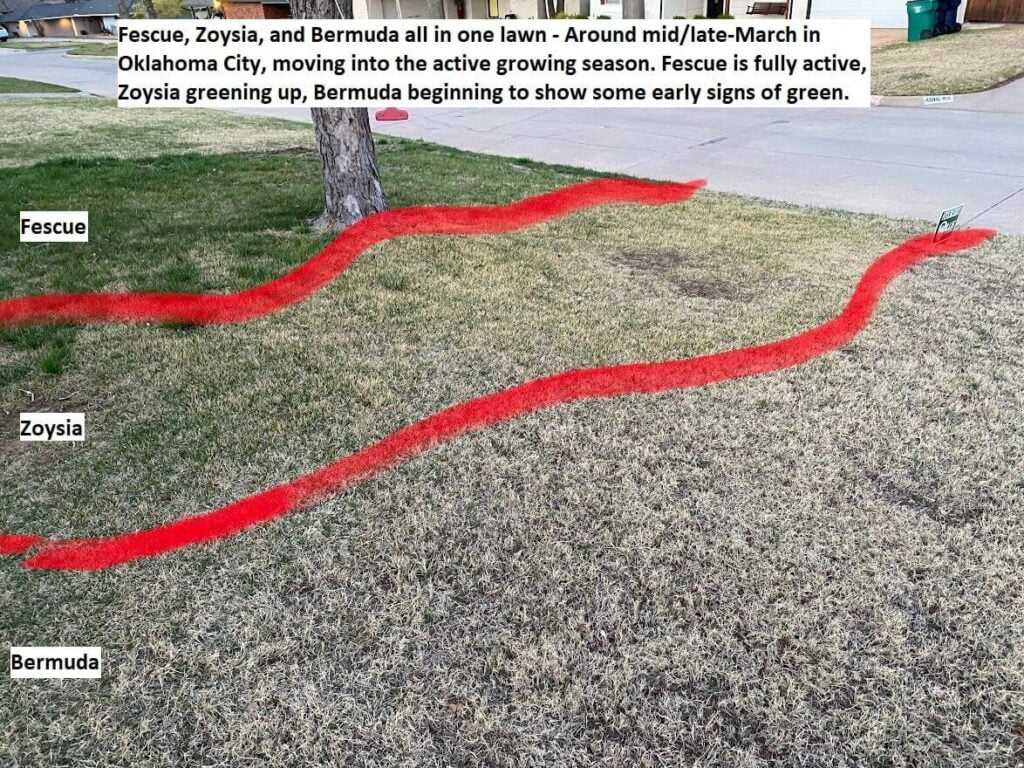
Dormant Zoysia grass tends to turn brown and appears lifeless during colder months, while Bermuda grass also goes dormant but often recovers quickly come spring. If you’re trying to choose between the two for a low-maintenance, year-round green lawn, understanding their dormancy behaviors is key.
In brief, Zoysia is more tolerant of cold weather but remains dormant longer, resulting in a less vibrant winter appearance. Bermuda, on the other hand, greens up faster in spring but is more sensitive to cold. Your choice depends on your climate and aesthetic preferences.
When deciding between dormant Zoysia grass and Bermuda, it’s important to consider your climate, desired turf appearance, and maintenance habits. Zoysia offers a more tolerant, slow-recovering option suited for cooler regions, whereas Bermuda thrives in warmer areas and recovers quickly from dormancy. Both grasses have their pros and cons, but knowing how they behave during dormancy can help you select the perfect lawn for your needs.

Dormant Zoysia Grass vs Bermuda: A Complete Comparison
Understanding Dormant Zoysia Grass and Bermuda Grass
Dormant zoysia grass and Bermuda grass are two popular types of turf that homeowners and landscapers often compare. Both grasses have unique features and growing habits that influence their suitability for different climates and lawn needs. Recognizing these differences helps in choosing the right grass for your yard.
Growth Cycles and Dormancy Patterns
Dormant zoysia grass typically goes dormant during colder months, turning brown and slowing growth. This dormancy period usually occurs in late fall through winter. Bermuda grass, on the other hand, also enters dormancy when temperatures drop but may go dormant earlier or later depending on the variety.
Reasons for Dormancy
– Both grasses enter dormancy to survive cold weather.
– Dormancy helps conserve energy and water during winter months.
– The degree and duration of dormancy vary between the two grasses.
Visible Signs of Dormancy
– Dormant zoysia appears brown or tan and feels dry.
– Bermuda grass turns brown and may appear patchy.
– Both grasses can recover quickly when temperatures rise again.
Climate Compatibility and Growing Zones
Understanding the climate preferences of each grass type helps in making an informed choice for your lawn.
Ideal Temperatures
– Zoysia thrives in USDA zones 6 through 10.
– Bermuda prefers warmer zones 7 through 11.
– Both grasses perform best in full sun with minimal shade.
Cold Tolerance
– Zoysia has better cold tolerance and stays green longer in fall.
– Bermuda is less tolerant of cold and usually turns dormant earlier.
Warm Climate Suitability
– Bermuda grass fits well in hot, dry regions.
– Zoysia adapts better to cooler areas with milder winters.
Maintenance Needs and Care Requirements
Each grass type has specific maintenance needs that influence your lawn care routine.
Watering
– Both grasses require moderate watering, especially during active growing seasons.
– Dormant zoysia needs less water during dormancy but should be watered adequately when green.
– Bermuda needs regular watering to stay healthy in summer.
Mowing Practices
– Zoysia should be mowed at 1 to 2 inches for optimal health.
– Bermuda is best kept at 1 to 1.5 inches for a dense lawn.
– Regular mowing prevents thatch buildup and promotes healthy growth.
Fertilization
– Both grasses benefit from balanced fertilizer applications during the growing season.
– During dormancy, fertilization is unnecessary.
– Overfertilizing can lead to pest problems or disease.
Pest and Disease Resistance
– Zoysia resists pests like mole crickets and sod webworms.
– Bermuda can be prone to dollar spot and other fungal diseases.
– Maintaining proper lawn health minimizes pest and disease issues.
Strengths and Weaknesses of Dormant Zoysia and Bermuda
Understanding the advantages and disadvantages of each grass helps in aligning your expectations.
Advantages of Dormant Zoysia
- Better cold tolerance, stays green longer in fall
- Requires less water during dormancy
- Low thatch buildup and dense growth habit
- Less prone to certain pests and diseases
Disadvantages of Dormant Zoysia
- Slower to recover from damage due to denser growth
- Can turn brown in winter, affecting aesthetics
- More expensive to establish initially
Advantages of Bermuda
- Excellent drought tolerance and heat resistance
- Grows rapidly, quickly filling in bare spots
- Good wear tolerance for high-traffic areas
- Less expensive and easier to establish from seed
Disadvantages of Bermuda
- Less cold tolerant, turns brown in winter
- Requires frequent mowing in peak season
- Can be invasive if not controlled
- Susceptible to certain fungal diseases in humid conditions
Comparing Aesthetics and Lawn Appearance
Visual appeal is an important factor when choosing between dormant zoysia and Bermuda.
Color and Texture
– Zoysia maintains a lush, fine texture with a rich green color during active months.
– Bermuda has a coarser texture and may turn brown significantly in dormancy.
Density and Coverage
– Zoysia produces a dense, carpet-like lawn that reduces weeds.
– Bermuda spreads quickly, creating a thick lawn ideal for sports or high traffic.
Color Changes in Dormancy
– Both grasses turn brown in dormancy, but zoysia may retain some greenish hue longer.
– Bermuda’s brown phase is more noticeable and lasts longer.
Cost Considerations for Dormant Zoysia vs Bermuda
Pricing factors include establishment, maintenance, and replacement costs.
Initial Planting Costs
– Zoysia sod is more expensive but offers a quick, uniform green.
– Bermuda seed is cheaper but takes longer to establish and may be patchy initially.
Long-term Maintenance Expenses
– Zoysia requires less frequent fertilization and mowing.
– Bermuda may need more inputs but recovers quickly after damage.
Durability and Replacement Costs
– Both grasses last for many years with proper care.
– In case of damage, Bermuda’s fast growth helps in quicker repair.
Environmental Impact and Sustainability
Choosing a grass that aligns with eco-friendly practices benefits your landscape.
Water Usage
– Zoysia’s lower water needs, especially during dormancy, reduce water bills.
– Bermuda’s drought tolerance is good, but it needs regular watering in summer.
Chemical and Fertilizer Use
– Both grasses perform better with organic and slow-release fertilizers.
– Avoid overuse of chemicals to prevent soil and water contamination.
Shade Tolerance and Ecological Benefits
– Neither grass is highly shade-tolerant; full sun is preferable.
– Healthy lawns contribute to better air quality and reduce soil erosion.
Other Related Topics to Consider
Explore additional factors influencing your lawn choice.
Soil Preparation for Both Grasses
– Proper soil aeration and pH adjustments promote healthy growth.
– Zoysia prefers slightly acidic to neutral soil.
– Bermuda performs well in sandy, well-drained soils.
Seeding vs Sodding
– Bermuda is generally seeded, which is cost-effective but slower.
– Zoysia is often sold as sod, offering instant coverage.
Pest Management Strategies
– Regular inspection and proper lawn care help prevent pest infestations.
– Natural and chemical controls should be used responsibly.
Strategies for Dealing with Dormancy
– Proper lawn maintenance minimizes the impact of dormancy.
– Overseeding or winterization can help maintain a green appearance.
Summary of Key Differences
| Feature | Dormant Zoysia | Bermuda |
| — | — | — |
| Cold Tolerance | High | Low |
| Growth Rate | Slow | Fast |
| Water Needs | Moderate | Moderate to High |
| Maintenance | Low to Moderate | Moderate |
| Appearance in Dormancy | Brown, less noticeable | Brown, more noticeable |
| Cost | Higher initial | Lower initial |
This comparison reveals that choosing between dormant zoysia grass and Bermuda depends on your local climate, aesthetic preferences, and maintenance capabilities. Zoysia offers better cold tolerance and a lush appearance during the growing season, but comes with higher costs and slower recovery. Bermuda excels in hot, dry conditions, recovers quickly, and is more budget-friendly but struggles with cold weather and requires regular mowing.
Making an informed choice based on these factors will ensure a healthy, attractive lawn that meets your needs year-round.
3 reasons to use Zoysia over Bermuda.
Frequently Asked Questions
What factors influence the dormancy period of Zoysia grass compared to Bermuda?
The dormancy period of Zoysia grass typically occurs during colder months when temperatures drop consistently below 50°F (10°C). This triggers dormancy as the grass conserves energy and reduces growth. Bermuda grass, on the other hand, enters dormancy mainly due to temperature drops below 50°F to 60°F (10°C to 15.5°C), and it often resumes growth quickly once warmer weather returns. Sun exposure, soil conditions, and climate type also impact how long each grass remains dormant in different regions.
How do the maintenance needs of dormant Zoysia differ from those of Bermuda grass?
During dormancy, Zoysia requires less mowing, fertilization, and watering, as its growth slows considerably. It maintains its color longer into the fall and begins greening up gradually in spring. Bermuda grass, during dormancy, turns brown and becomes more dormant, which saves maintenance efforts like mowing and fertilizing. However, Bermuda tends to recover quickly in spring, while Zoysia needs more time to green up, which influences maintenance schedules for each grass type.
In what ways does dormancy affect the durability of Zoysia versus Bermuda lawns?
Dormant Zoysia maintains a degree of shade tolerance and remains more resilient to cold stress, which helps preserve its structure during winter. Bermuda grass, being more sensitive to cold, becomes very dormant and turns brown, making it less durable in cold weather. Once the growing season resumes, Bermuda recovers swiftly, but during dormancy, it is more vulnerable to damage from frost or cold temperatures compared to Zoysia.
How does the appearance of a lawn change during dormancy for Zoysia and Bermuda?
During dormancy, Zoysia grass usually turns a dull brownish-green or tan shade but retains some leaf texture, giving a somewhat uniform look. Bermuda grass turns a more noticeable brown or straw color, often leading to a patchy appearance. As temperatures warm, Zoysia gradually regains its green hue, while Bermuda quickly greens up, restoring a vibrant appearance. The visual changes can influence lawn aesthetics during colder months.
Can you overseed dormant Zoysia or Bermuda grass to maintain a green lawn year-round?
Overseeding is more commonly effective with Bermuda grass to keep a green appearance during dormancy by planting cool-season grasses like rye or fescue. Zoysia is typically not overseeded because it remains more consistent in color through the seasons, although some homeowners might overseed with cool-season grasses in colder regions. Overseeding helps achieve a green look, but it also requires additional maintenance and specific timing based on the grass type and climate conditions.
Final Thoughts
Dormant zoysia grass and bermuda each have unique qualities that suit different lawn needs. Zoysia remains lush longer into the season, offering a softer, more natural look. Bermuda greens up quickly, providing a dense, resilient turf ideal for active sports.
Choosing between them depends on climate, maintenance, and aesthetic preferences. Dormant zoysia grass vs bermuda highlights distinct advantages, helping homeowners select the best fit for their landscape.