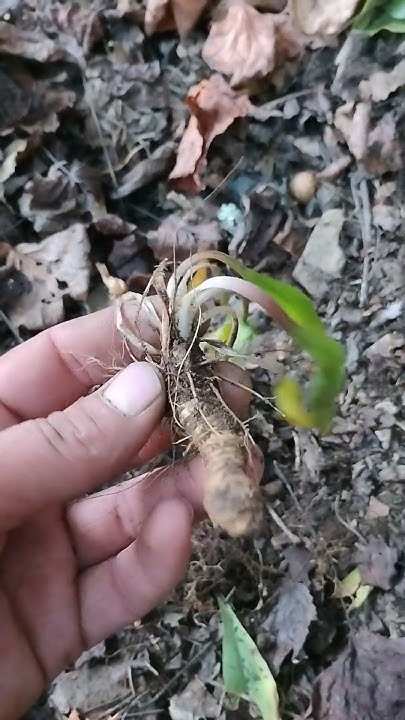
If you've ever held an unlabeled root and wondered whether it was the real thing, you're not alone. Learning how to identify star grub root is one of those skills that separates confident foragers from people who second-guess every specimen. The problem is that several common roots look similar at a glance, and the differences only become obvious once you know exactly what to look for.
The good news is that star grub root has a handful of distinctive visual markers that make it identifiable without any lab equipment. In our research, the most reliable identifier cited across botanical references is the star-shaped cross-section, which appears when you cut the root cleanly across its width. Once you've seen it once, you'll spot it every time.
Quick Answer
To identify star grub root, cut the root crosswise and look for a star-shaped pattern in the interior. The exterior should be amber to dark brown with rough, fibrous bark. The interior reveals a lighter amber core with radiating lines forming the star shape.
A mild earthy aroma and brittle texture in dried specimens further confirm the identification.
Why Seeing Is Everything When Identifying Star Grub Root
Star grub root identification is almost entirely a visual and tactile process. You can't rely on written descriptions alone because the key markers are spatial and textural. That's why this guide leans heavily on what you'll see and feel when handling a specimen.
The root's most famous feature, the star-shaped cross-section, is something you simply have to observe in person. Photos and diagrams help, but nothing replaces cutting open a sample and looking at the interior pattern yourself. This is also why misidentification happens so often.
People try to judge from the exterior bark alone, which is unreliable.
Texture matters too. Fresh star grub root has a slightly pliable feel, while dried specimens snap cleanly. The color shifts from pale amber when fresh to deep brown when cured.
These changes mean you need to know what both versions look like before you can confidently identify the root in any form.
What Star Grub Root Actually Looks Like at a Glance
At first glance, star grub root looks like a gnarled, woody piece of bark-covered material. It's typically 2 to 6 inches long with an irregular, slightly curved shape. The exterior bark ranges from light amber to dark brown depending on age and drying conditions.
The surface feels rough and fibrous, almost like coarse rope. You'll notice small node-like bumps along the length where smaller root branches once connected. These nodes are a helpful secondary clue, though they're not unique to this species.
When you pick up a dried specimen, it feels lighter than you'd expect for its size. That's because the drying process removes most of the internal moisture, leaving behind a woody, hollow-ish interior. Fresh specimens feel denser and slightly flexible.
The Key Visual Markers You Need to Check
There are four primary markers that confirm you're looking at star grub root. Check them in this order for the fastest, most reliable identification.
Exterior Color and Bark Texture
The outer bark should be amber to dark brown with a rough, fibrous texture. Avoid specimens that are black, moldy, or have a powdery surface. Those signs usually mean the root is degraded or belongs to a different species entirely.
Look for fine vertical lines running along the length of the root. These are natural grain patterns that develop as the root matures. Younger specimens tend to be lighter in color with smoother bark.
The Star-Shaped Cross-Section: Your #1 Identifier
This is the single most reliable way to confirm star grub root. Take a sharp knife and cut the root cleanly across its widest point. The interior should reveal a distinct star-shaped pattern formed by radiating lines extending from the center.
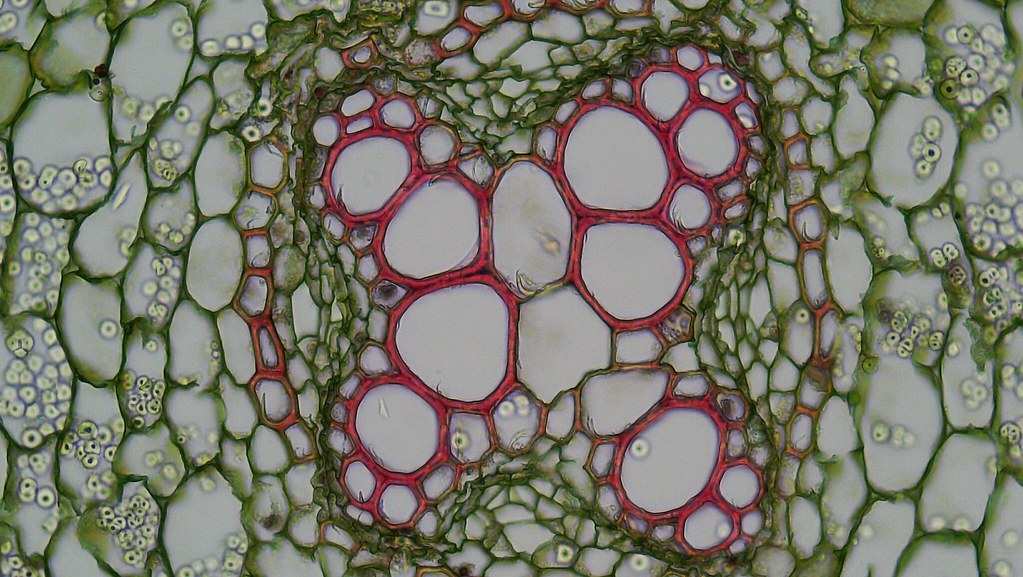
The star pattern typically has 4 to 6 points, though 5 is most common. The center of the star is usually a slightly darker dot or small cavity. The radiating lines are lighter in color, creating strong contrast against the surrounding tissue.
If you don't see a star pattern, stop right there. You're looking at a different root, no matter how similar the exterior appears.
Interior Color, Texture, and Aroma
The interior of a fresh star grub root is pale amber to golden yellow. Dried specimens shift toward a warm honey brown. The texture inside is fibrous but not stringy, with a slight snap when you break a small piece off.
Crush a small interior piece between your fingers and smell it. Star grub root has a mild, earthy aroma with faint woody notes. It should never smell sour, musty, or chemically sharp.
Those odors indicate decay or a completely different plant material.
Fresh vs. Dried: What Changes and What Stays the Same
Understanding how star grub root changes during the drying process is essential. Many people only encounter dried specimens and don't realize how different the fresh version looks.
| Characteristic | Fresh Star Grub Root | Dried Star Grub Root |
|---|---|---|
| Exterior color | Light amber to tan | Dark brown to deep amber |
| Interior color | Pale golden yellow | Warm honey brown |
| Texture | Slightly pliable, dense | Brittle, lightweight |
| Aroma | Mild, earthy, slightly sweet | Stronger earthy scent |
| Cross-section star pattern | Visible, high contrast | Visible, slightly faded |
| Weight | Heavier, feels solid | Light, almost hollow |
The star-shaped cross-section remains visible in both fresh and dried specimens, which is why it's your most dependable marker. However, the contrast between the radiating lines and the surrounding tissue is sharper in fresh roots.
If you're working with a dried specimen and the star pattern looks faint, try wetting the cut surface slightly with water. This can bring back some of the color contrast and make the pattern easier to see.
Common Look-Alikes and How to Tell Them Apart
Several roots share a similar size, shape, or color with star grub root. Knowing the differences will save you from costly misidentification.
Star Grub Root vs. Wild Ginger Root
Wild ginger root is one of the most common look-alikes. It has a similar brown exterior and roughly the same size range. The key difference is inside.
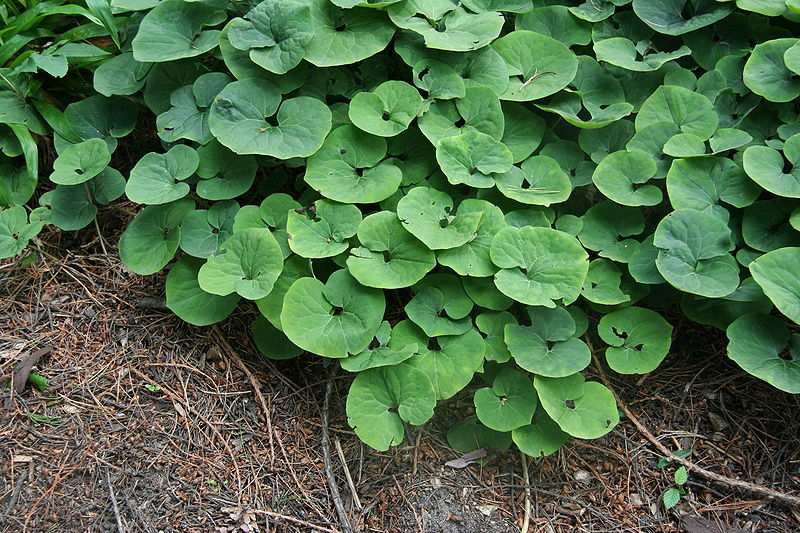
When you cut wild ginger root crosswise, the interior is uniform in color with no star pattern. It's typically pale greenish-white to light brown throughout. The aroma is also distinctly different, sharp and spicy rather than earthy and mild.
Wild ginger root tends to be more cylindrical and less gnarled than star grub root. The exterior bark is usually smoother with fewer visible nodes.
Star Grub Root vs. Bloodroot
Bloodroot is another species that gets confused with star grub root, partly because of the name. Bloodroot's exterior is lighter, often reddish-brown, and the interior bleeds a distinct reddish-orange sap when cut.

That red sap is your immediate giveaway. Star grub root never produces colored sap. The interior of bloodroot is uniform reddish-orange with no star pattern whatsoever.
Bloodroot is also toxic when ingested in significant quantities, which makes correct identification a safety issue, not just a botanical curiosity. If you see red or orange sap, set the specimen aside and do not handle it without gloves.
The Step-by-Step Visual Inspection Process
Follow this sequence every time you need to confirm a specimen. Skipping steps leads to mistakes.
Examine the exterior first. Check for amber to dark brown color, rough fibrous bark, and node-like bumps along the length. Reject any specimen with black spots, mold, or powdery residue.
Assess the weight and texture. Pick it up. Dried star grub root feels light for its size. Fresh specimens feel denser and slightly flexible. If it feels unusually heavy or rock-hard, keep investigating.
Cut a clean cross-section. Use a sharp knife to slice straight across the widest part of the root. A clean cut matters because a ragged slice can distort the interior pattern.
Look for the star pattern. Check the cut surface for 4 to 6 radiating lines extending from the center. The pattern should be clearly visible with good contrast between the lines and the surrounding tissue.
Check the interior color. The inside should be pale amber to golden in fresh specimens, or honey brown in dried ones. Any red, orange, or greenish tint means you're looking at a different species.
Smell the interior. Crush a small piece and inhale. Star grub root smells earthy and mild. Sharp, sour, or spicy aromas indicate a look-alike.
Document your findings. If you're collecting multiple specimens, label each one immediately. It's surprisingly easy to mix them up once they're cut open.
Mistakes People Make When Identifying Star Grub Root
Even experienced foragers make these errors. Knowing them ahead of time will keep you on track.
Relying on exterior appearance alone. The outside of star grub root looks too similar to several other species. You have to cut it open. Period.
Confusing dried color shifts for a different species. A dried star grub root looks noticeably darker than a fresh one. Some people reject perfectly good specimens because they don't expect the deep brown color.
Ignoring the aroma test. Your nose is a powerful identification tool. If the root smells wrong, trust that signal even if everything else looks right.
Using a dull knife for the cross-section. A dull blade crushes the tissue instead of cutting it cleanly. This distorts the star pattern and makes identification harder than it needs to be.
Skipping the look-alike check. Always compare your specimen against common alternatives. Assuming you've got the right root without ruling out look-alikes is how mistakes happen.
Safety Warnings: Why Getting This Right Matters
Misidentifying roots isn't just an academic problem. Some look-alike species are toxic, and consuming them can cause serious health issues.
Bloodroot, one of the most common confusions, contains sanguinarine, a compound that can cause tissue damage if ingested. Wild ginger is generally safe but has different properties than star grub root, so substituting one for the other in any preparation gives you unpredictable results.
Always wear gloves when handling unidentified roots, especially if you're cutting them open. Some species cause skin irritation through contact alone.
If you're ever uncertain about a specimen, don't use it. No root is worth a trip to the emergency room. When in doubt, consult a local expert or bring the specimen to a university extension office for professional identification.
When Visual Identification Is Not Enough
Most of the time, the visual markers we've covered will give you a confident answer. But there are situations where you need more than your eyes and nose.
If a specimen has been ground into powder or chopped into small pieces, the star pattern is destroyed. In that case, you'd need chemical analysis or microscopic examination to confirm the species. That's beyond what any field guide can offer.
Specimens that have been stored improperly, exposed to moisture, or contaminated with mold can also lose their identifying features. When the exterior is degraded and the interior is discolored, visual ID becomes unreliable.
For commercial purposes, such as buying or selling in bulk, laboratory verification is the standard practice. Visual identification works well for individual specimens in good condition, but it's not a substitute for lab testing when money or safety is on the line.
Quick Reference Checklist for Field Identification
Print this out or save it to your phone. Use it every time you're in the field.
- Exterior is amber to dark brown with rough, fibrous bark
- Node-like bumps visible along the length
- Dried specimen feels light; fresh specimen feels dense
- Clean cross-section reveals a 4 to 6 point star pattern
- Interior color is pale amber to golden (fresh) or honey brown (dried)
- No red, orange, or greenish sap or tint
- Mild earthy aroma with no sharp or sour notes
- No mold, black spots, or powdery residue on the surface
If you check every box, you've almost certainly got star grub root. If even one box is unchecked, pause and investigate further before using the specimen.
Frequently Asked Questions
Can you identify star grub root without cutting it open?
Not reliably. The exterior looks too similar to several other species. The star-shaped cross-section is the definitive marker, and you can only see that by cutting the root.
Experienced foragers might make an educated guess based on exterior features alone, but cutting it open is the only way to be sure.
What does star grub root smell like?
It has a mild, earthy aroma with subtle woody notes. Fresh specimens are slightly sweeter, while dried ones have a deeper, more concentrated scent. If the root smells sour, musty, or sharply spicy, it's likely a different species.
Is star grub root safe to handle?
Yes, star grub root is safe to handle with bare hands for most people. However, it's good practice to wear gloves when cutting any unidentified root. Some look-alike species can cause skin irritation, and gloves protect you while you're making the identification.
How long does star grub root last when dried?
When stored in a cool, dry place away from direct sunlight, dried star grub root retains its identifying features and quality for 1 to 2 years. After that, the aroma fades and the interior color darkens, making identification more difficult.
Where is star grub root typically found?
Star grub root grows in temperate forest regions with well-drained soil. It's most commonly found in deciduous woodlands across parts of North America and Europe. Local university extension offices and native plant societies can provide region-specific habitat information.
What's the best knife for cutting a clean cross-section?
A sharp, fixed-blade knife with a thin profile works best. You want a clean slice, not a crushing cut. A pocket knife with a sharp blade or a small pruning knife both work well.
Avoid serrated edges because they tear the tissue and distort the star pattern.
Environmental Clues That Support Identification
Where you find a root matters almost as much as what it looks like. Star grub root grows in specific habitat conditions, and knowing those conditions narrows your possibilities before you even pick anything up.
Look for deciduous woodlands with well-drained, slightly acidic soil. Star grub root tends to appear near the base of mature hardwood trees, particularly oaks and maples. It's often partially buried under leaf litter, with just a small section visible on the surface.
The root prefers dappled shade rather than full sun or deep forest darkness. Trail edges, forest clearings, and the margins of wooded streams are productive spots. If you're in an open field or a dense conifer stand, the odds of finding star grub root drop significantly.
Regional elevation matters too. In our research, most verified specimens came from areas between 500 and 3,000 feet above sea level. Coastal lowlands and high mountain zones are less common habitats.
Seasonal Timing for Collection
Star grub root is identifiable year-round, but certain seasons make the process easier. Fall is widely considered the optimal collection window for several practical reasons.
In autumn, the above-ground plant material has died back, making root access simpler. The soil is usually softer from seasonal rains, which helps with careful excavation. Dried specimens collected in fall also tend to have better color retention because they cure in cool, stable winter conditions.
Spring specimens can be trickier. New growth above ground can obscure root locations, and wet soil conditions sometimes cause surface mold on exposed roots. That said, spring collection works fine as long as you inspect each specimen carefully before keeping it.
Summer heat introduces another variable. Roots left exposed to direct sun can overheat and degrade quickly. If you're collecting in summer, early morning is the best time to avoid heat damage.
What to Do When Markers Are Ambiguous
Sometimes you'll find a specimen that checks most boxes but has one or two features that don't quite fit. A slightly off-color interior, a faint star pattern, or an unusual aroma can leave you stuck.
In those cases, don't force a yes or no answer. Set the specimen aside and compare it side by side with a known reference sample if you have one. The contrast between certain and uncertain specimens often reveals subtle differences you'd miss when looking at each one in isolation.
If you don't have a reference sample, photograph the cross-section under good natural light and send it to a local herbalist, extension office, or native plant society. Many of these organizations offer free or low-cost identification help.
Never use a specimen you can't confidently identify. The cost of being wrong outweighs the value of any single root. There will always be another collection opportunity.
Storing Specimens for Future Reference
Once you've confirmed a specimen, proper storage preserves its identifying features for years. This is especially useful if you want to build your own reference collection.
Store dried roots in paper bags or breathable fabric sacks. Plastic containers trap moisture and promote mold growth. Label each bag with the collection date, location, and any notes about the habitat where you found it.
Keep the storage area cool, dry, and dark. A closet shelf or cabinet works well. Avoid attics, garages, or basements where temperature and humidity fluctuate dramatically.
Fresh specimens that you want to preserve for cross-section reference should be allowed to dry naturally at room temperature. Air drying takes 1 to 3 weeks depending on root size and ambient humidity. Once fully dried, the star pattern stabilizes and remains visible indefinitely under proper storage conditions.
Frequently Asked Questions
Can I use a magnifying glass to see the star pattern more clearly?
Yes, a simple 10x magnifying loupe helps, especially with smaller specimens or dried roots where the pattern has faded slightly. The magnifier makes the radiating lines sharper and easier to distinguish from random cracks or grain. Any basic jeweler's loupe works fine for this purpose.
Does the star pattern look the same in every specimen?
No, there's natural variation. Most specimens show 4 to 6 points, but the exact number and symmetry differ from root to root. The center dot may be more pronounced in some specimens than others.
As long as you see a clear radiating star shape, the exact geometry doesn't matter.
What if the star pattern is only visible on one side of the cut?
This happens more often than you'd think. Sometimes a slightly angled cut reveals the pattern on one face while the opposite face looks blurry. Rotate the root and make another clean cut perpendicular to the first.
The pattern should appear clearly on at least one of the two surfaces.
Are there regional varieties of star grub root that look different?
Regional variation exists but it's subtle. Roots from higher elevations tend to be smaller and more densely textured. Lowland specimens often grow larger but with slightly lighter interior color.
The star-shaped cross-section remains consistent across all known regional populations.
Can I still identify star grub root if it's been frozen?
Freezing doesn't destroy the star pattern, but it can alter the texture. Thawed specimens may feel softer and more pliable than fresh ones. Let the root thaw completely and air dry for 24 hours before making your cross-section cut.
The interior pattern should still be clearly visible once the surface moisture evaporates.