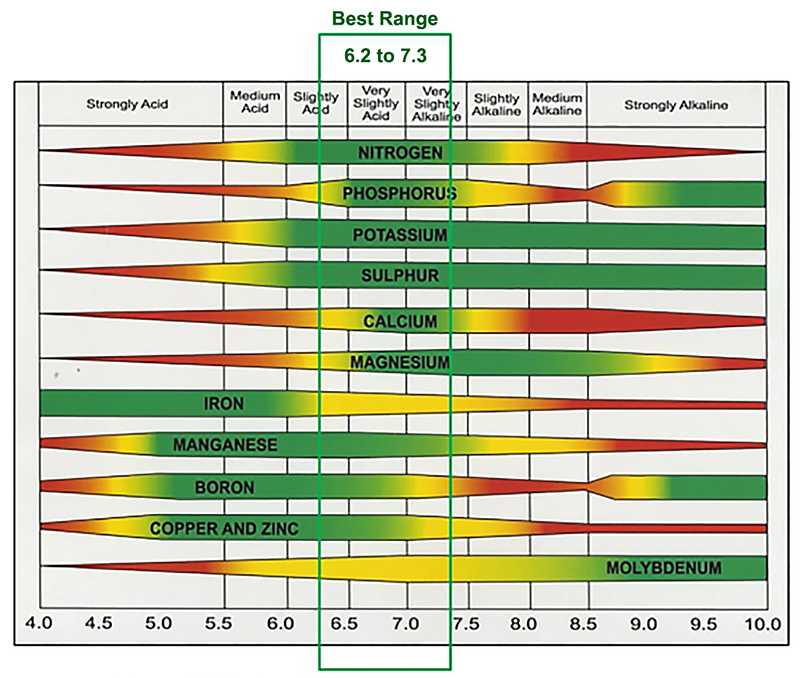
The optimal pH level for Bermuda grass is between 5.5 and 7.0, ensuring lush, healthy growth. Maintaining this range allows the grass to absorb nutrients efficiently and resist pests and diseases. Knowing the right pH can dramatically improve your lawn’s overall appearance and health, so it’s worth testing your soil regularly and adjusting accordingly.
In short, the best pH for Bermuda grass falls between 5.5 and 7.0, with slightly acidic to neutral soil being ideal for nutrient uptake and vigorous growth. Regular soil testing helps you keep your lawn within this range and make necessary amendments to achieve the perfect pH balance.
If you want a vibrant Bermuda grass lawn, understanding soil pH is crucial. This grass variety thrives in mildly acidic to neutral soils, which promote strong root development and vibrant green color. Too acidic or too alkaline soil can hinder nutrient absorption, leading to weak, patchy grass. A simple soil pH test can guide you in adjusting your soil’s acidity or alkalinity with lime or sulfur, ensuring your Bermuda grass stays healthy and resilient. Maintaining the right pH level is a key step toward a lush, resilient lawn that stands out in your yard, making it worth the effort to monitor and adjust soil conditions regularly.

Best pH for Bermuda Grass: Everything You Need to Know
Bermuda grass is a popular choice for lawns, golf courses, and sports fields because of its durability and lush appearance. To keep Bermuda grass healthy and vibrant, maintaining the right soil pH is essential. Soil pH influences how well the grass absorbs nutrients, which directly affects its growth and color. In this section, we will explore the ideal pH range for Bermuda grass, why pH matters, and how to test and adjust it for optimal results.
Understanding Soil pH and Its Impact on Bermuda Grass
Soil pH measures how acidic or alkaline your soil is on a scale from 0 to 14. A pH of 7 is neutral, below 7 indicates acidity, and above 7 means alkalinity. Bermuda grass prefers slightly acidic to neutral soils, which helps it absorb nutrients efficiently. When the pH is off, Bermuda grass may look dull, grow slowly, or become more susceptible to pests and diseases.
Maintaining the correct pH ensures essential nutrients like nitrogen, phosphorus, and potassium are available to the grass. If the soil is too acidic or too alkaline, the grass cannot absorb these nutrients properly, leading to poor growth and color. Therefore, regular testing and pH adjustments are vital for a healthy Bermuda lawn.
Ideal pH Range for Bermuda Grass
The best pH range for Bermuda grass is between **5.8 and 6.5**. Within this range, the soil provides a balance that allows Bermuda grass to thrive. If the pH drops below 5.8, the soil becomes too acidic, which can hinder nutrient availability. If it exceeds 6.5, the soil is too alkaline, also limiting nutrient absorption.
Most soils naturally fall within or close to this range, but factors such as rainfall, fertilization, and organic matter can alter pH levels over time. Regular testing helps keep the soil within the optimal range, ensuring Bermuda grass remains lush and green.
Testing Soil pH: How and When
Methods to Test Soil pH
- Soil Test Kits: Available at garden centers, these kits are affordable and easy to use. Simply collect a soil sample, add a chemical reagent, and compare the color to a chart.
- Lab Testing: For precise results, send samples to a soil testing laboratory. Labs provide detailed reports, including pH and nutrient levels.
- Electronic pH Meters: Digital meters give instant readings but require calibration and proper maintenance for accuracy.
When to Test Soil pH
Test your soil at least once a year, ideally in early spring or late fall. After fertilizing or soil amendments, testing can help determine if pH adjustments are necessary. Regular testing prevents pH drift and keeps Bermuda grass growing strong.
How to Adjust Soil pH for Bermuda Grass
Lowering Soil pH (Making Soil More Acidic)
If pH readings are above 6.5, you need to acidify the soil. Common amendments include:
- Sulfur: Elemental sulfur is the most effective for lowering pH. Apply according to package instructions based on soil type and current pH.
- Iron Sulfate: Provides a quicker pH adjustment but may need frequent reapplication.
It generally takes several months for sulfur to fully acidify soil, so plan ahead before planting or overseeding.
Increasing Soil pH (Making Soil More Alkaline)
If pH is below 5.8, raising it involves adding alkaline materials:
- Lime: The most common amendment, available in various forms such as calcitic or dolomitic lime.
- Hydrated Lime: Acts faster than traditional lime but must be handled carefully due to its potency.
Follow package instructions and consider soil testing results to apply the correct amount. Lime applications may take several months to fully shift pH upward.
Monitoring and Maintaining Soil pH
After initial adjustments, continue to test soil pH annually. Regular monitoring helps prevent pH from drifting outside the optimal range. Use consistent testing methods for reliable data.
Adjustments should be made gradually to avoid stressing the Bermuda grass. Preemptive liming or sulfur applications can maintain stable pH levels, supporting healthy turf growth.
Factors That Influence Soil pH and How to Manage Them
Rain and Irrigation
Heavy rain can leach away basic elements, lowering soil pH over time. Conversely, alkaline water can increase soil pH. Use water testing kits and amend soil accordingly.
Fertilizer Use
Some fertilizers contain sulfur or lime, which can alter pH. Opt for pH-neutral fertilizers or those suited to your soil’s current pH level.
Organic Matter
Composting and adding organic materials can buffer pH fluctuations. Organic matter also improves soil structure and nutrient retention, supporting Bermuda grass health.
Special Considerations for Bermuda Grass in Different Climates
Hot and Humid Climates
In warmer, humid regions, soil pH tends to fluctuate more due to increased microbial activity. Regular testing and amendments help keep pH within the ideal range.
Cooler Climates
In cooler areas, soil might stay more stable, but acidic conditions can still develop in poorly drained soils. Address these issues proactively for optimal Bermuda grass growth.
Additional Tips for Healthy Bermuda Grass
- Keep soil well-drained to prevent pH imbalances caused by waterlogging.
- Avoid over-fertilizing, which can acidify or alkalize soil over time.
- Use organic fertilizers and soil conditioners to maintain consistent pH levels.
- Address compaction issues that can affect root health and nutrient uptake.
Maintaining the best pH for Bermuda grass involves understanding your soil, testing regularly, and making gradual amendments. With proper care, your lawn can stay lush, green, and resilient throughout the seasons.
Lawn Soil PH Test – Applying Lime
Frequently Asked Questions
What is the ideal pH range for Bermuda grass growth?
Bermuda grass thrives best in soil with a pH level between 5.8 and 6.5. Maintaining your soil within this range helps ensure optimal nutrient availability, promoting healthy root development and vigorous growth. Testing your soil regularly allows you to adjust the pH accordingly for the best results.
How can I adjust the soil pH if it is too acidic or alkaline for Bermuda grass?
If your soil is too acidic (pH below 5.8), adding lime can raise the pH and make it more alkaline. Conversely, if the soil is too alkaline (pH above 6.5), incorporating elemental sulfur or organic matter like pine needles can help lower the pH. Conduct a soil test first to determine the exact pH level and follow recommended application rates for best outcomes.
Why does soil pH affect Bermuda grass health?
Soil pH influences the availability of essential nutrients such as nitrogen, phosphorus, and potassium. If the pH is too low or too high, certain nutrients become less accessible to the grass roots, leading to deficiencies and weaker plants. Properly balanced pH ensures Bermuda grass can absorb nutrients efficiently, resulting in a lush, healthy lawn.
How often should I test my soil’s pH levels for Bermuda grass?
You should test your soil’s pH at least once a year, preferably in early spring or late fall. If you notice signs of poor growth or nutrient deficiencies, testing more frequently can help you identify pH imbalances early. Regular testing allows you to make timely adjustments to keep your Bermuda grass thriving.
Can organic amendments help maintain the right pH for Bermuda grass?
Yes, organic amendments such as compost, peat moss, or pine needles can influence soil pH gently over time. These materials can either raise or lower soil pH depending on their properties. Using organic amendments helps improve soil structure and nutrient content, creating a more favorable environment for Bermuda grass.
Final Thoughts
The best pH for Bermuda grass typically ranges between 5.8 and 6.5. Maintaining this balance ensures optimal growth and health for the turf. Test your soil regularly to keep pH levels within this range. Properly adjusted soil helps Bermuda grass thrive and resist diseases.