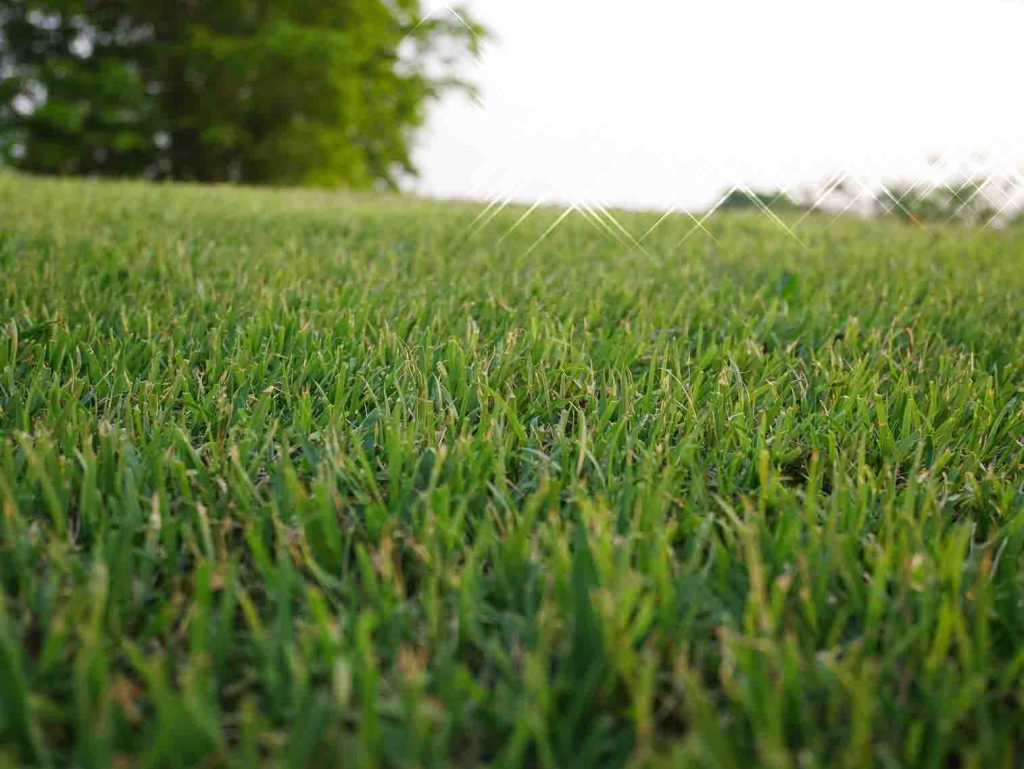
Bermuda grass goes through a fascinating cycle that allows it to thrive in warm climates and create lush lawns. Understanding its life cycle can help you better manage and care for your grass, ensuring a healthy and vibrant yard year-round.
In short, Bermuda grass begins as a seed, develops into a spreading sod through rhizomes and stolons, and survives through dormancy during colder months. Its ability to quickly regenerate and spread makes it a popular choice for turf, but knowing its growth stages helps in maintaining its health effectively.
Bermuda grass’s life cycle is a remarkable journey of growth, dormancy, and renewal, adapting to environmental conditions to sustain itself. It starts with seed germination in warm weather, followed by rapid spreading via underground rhizomes and surface stolons, forming dense turf. During colder months, it enters dormancy, conserving energy until the weather warms again. This cycle of growth and dormancy allows Bermuda grass to be resilient and low-maintenance, making it an ideal choice for many lawn enthusiasts. By understanding its stages, you can optimize watering, fertilizing, and mowing schedules to ensure your Bermuda grass stays lush and healthy throughout its seasonal transitions.

Bermuda Grass Life Cycle: Understanding How This Popular Turf Grows and Thrives
Introduction to Bermuda Grass Life Cycle
Bermuda grass is a common turfgrass known for its durability and ability to recover quickly. Its life cycle includes several stages that allow it to adapt to different environments. Knowing these stages helps homeowners and landscapers manage and maintain healthy lawns effectively.
The Germination Stage
The life cycle begins with seed germination. When the conditions are right, such as warm temperatures and adequate moisture, Bermuda grass seeds begin to sprout. This process usually takes about a week. During germination, the seed’s root starts to grow downward, anchoring the plant.
Ideal Conditions for Germination
- Temperature between 65°F to 70°F (18°C to 21°C)
- Consistent moisture in the soil
- Good soil contact for the seed
These factors encourage quick and healthy germination, leading to lush grass growth.
Seedling and Early Growth
Once germinated, Bermuda grass enters the seedling stage. Tiny leaves emerge above the soil, and the plant begins to develop its root system. This phase is critical for establishing a strong foundation.
Key Features of Seedling Development
- Rapid root extension to access nutrients and water
- Emergence of the first true leaves
- Initial growth is slow but steady
Proper watering and fertilization are essential during this stage to promote vigorous growth.
Vegetative Growth and Spreading
As Bermuda grass matures, it enters the vegetative growth phase. The plant starts to spread through rhizomes (underground stems) and stolons (above-ground runners). This spreading ability is what makes Bermuda grass highly resilient.
Mechanisms of Spread
- Rhizomes: Grow horizontally underground, producing new shoots and roots.
- Stolons: Extend above the soil to produce new plants at nodes.
This spreading enhances its ability to fill in bare patches quickly and creates a dense, lush lawn.
Reproduction Through Seed Production
Bermuda grass also reproduces through seed production, although this is less common in maintained lawns. During the reproductive phase, flowering stems called inflorescences develop and produce seeds.
Seed Development Process
- Flowers bloom in warm weather
- Pollination occurs, often aided by wind
- Seeds mature within a few weeks
Seeds can remain viable in the soil for some time, ensuring future generations.
Seed Dispersal and Dormancy
Once seeds mature, they are dispersed by wind, animals, or human activity. Some seeds enter a dormancy period, allowing Bermuda grass to survive unfavorable conditions like winter.
Breaking Dormancy
Dormant seeds require specific cues to germinate again, such as:
- Increase in temperature
- Soil disturbance
- Moisture availability
This cycle allows Bermuda grass to regenerate seasonally.
Perennial Nature of Bermuda Grass
Bermuda grass acts as a perennial, meaning it lives for several years. Its resilient root system helps it survive harsh conditions such as drought or cold temperatures, although cold tolerance is limited.
Overwintering Strategies
During winter, Bermuda grass often goes dormant, turning brown. Its rhizomes and stolons store energy, enabling quick regrowth when warmer weather returns.
Factors Influencing Bermuda Grass Growth Cycle
Several environmental factors impact how Bermuda grass progresses through its lifecycle. These include:
Temperature
Warm temperatures accelerate growth, especially during spring and summer.
Water Availability
Consistent watering encourages healthy development and spreading.
Soil Fertility
Rich, well-drained soil provides nutrients that support each growth phase.
Light Levels
Bermuda grass thrives in full sunlight, which boosts its energy production.
Managing the Bermuda Grass Life Cycle
Understanding the growth cycle helps in effective lawn management.
Maintenance Tips
- Regular mowing at appropriate heights
- Consistent watering during active growth
- Fertilization tailored to growth stages
- Controlling weeds to reduce competition
Controlling Overgrowth and Thatch
Periodic dethatching and aeration prevent excessive buildup of thatch, which can hinder growth and spread.
Seasonal Changes and Bermuda Grass Life Cycle
Throughout the year, Bermuda grass transitions through different phases:
Spring
Growth accelerates as temperatures warm, and the grass greens up.
Summer
Maximum growth occurs, with spreading through rhizomes and stolons thriving.
Fall
Growth slows, and the grass may start to turn brown as dormancy approaches.
Winter
Dormancy sets in, with minimal visible growth; roots and rhizomes stay alive underground.
The Bermuda grass life cycle is a fascinating process of continuous growth, spread, and regeneration. From seed germination to vegetative expansion and dormancy, each stage is vital for maintaining a healthy, resilient lawn. Proper understanding and management of this cycle can help you create a lush, green landscape that lasts for years. Knowing its growth patterns and environmental needs ensures your Bermuda grass stays vigorous and vibrant throughout its life.
Bermuda Lawn Care – 5 Basics – For A Nice Green Lawn – Beginners Start Here!
Frequently Asked Questions
How does Bermuda grass reproduce during its growth cycle?
Bermuda grass primarily reproduces through both stolons and rhizomes, which are underground stems. These structures spread horizontally, allowing the grass to quickly establish and cover large areas. During the active growing season, new shoots emerge from these runners, helping the grass recover from damage and expand its coverage.
What are the key stages in the development of Bermuda grass from seed to maturity?
The life cycle of Bermuda grass begins with seed germination when conditions are warm and moist. The seed sprouts and develops into a young plant with a small root system. As it matures, the grass produces stolons and rhizomes, which facilitate rapid horizontal spreading. During the warm months, the grass establishes a dense root system that supports vigorous growth, leading to full maturity and reproductive phases.
How does environmental temperature influence the different phases of Bermuda grass’s life cycle?
Warm temperatures promote rapid germination and active growth, especially in late spring and summer. Bermuda grass thrives in temperatures between 75°F and 95°F (24°C to 35°C), which accelerates development through each stage of its life cycle. Cooler weather slows down growth and can cause dormancy, especially during winter months, but the grass remains resilient and resumes growth once conditions warm.
What role do soil conditions play in the Bermuda grass life cycle?
Optimal soil conditions, including well-drained, fertile, and slightly acidic to neutral pH levels, support healthy Bermuda grass growth throughout its life cycle. Proper soil moisture encourages seed germination and sustains growth during active seasons. Poor soil quality can hinder development, delay germination, and reduce the overall vigor of the grass.
How does Bermuda grass recover after dormancy or damage?
After dormancy or damage, Bermuda grass quickly initiates new growth from its stolons and rhizomes when favorable conditions return. Adequate watering, proper fertilization, and minimal disturbance help the grass recover faster. The underground stems store energy that fuels regrowth, making Bermuda grass resilient and capable of bouncing back after setbacks.
Final Thoughts
The bermuda grass life cycle begins with seed germination, followed by rapid root development and leaf growth. The grass thrives in warm temperatures and spreads through stolons and rhizomes. It completes its cycle annually, with dormancy during cooler months. Understanding this cycle helps maintain a healthy, lush lawn year-round by promoting proper care and management.