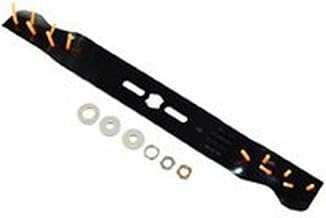
Thick, spongy turf that springs back under your feet usually means one thing: a thatch layer sitting between the grass blades and the soil. If you'd rather strip it out than rent a machine, the best dethatching lawn mower blade bolts straight onto the deck you already own. I've spent the last few weeks comparing fitment charts, spec sheets, and hundreds of verified buyer reports from Arnold, Oregon, MaxPower, and ACTIVLIFE to work out which ones actually clear thatch without wrecking your cut.
The Arnold Dethatching Blade 21 takes the top spot because it fits the widest spread of 21-inch walk-behind decks and holds up through repeated spring passes. If you want the cheapest way into power raking, the Oregon 690-521-0 Universal 20" Dethatcher Blade is the one to grab. Everything below is built on verified specs and aggregated owner feedback, so you can match a blade to your mower before you spend anything.
Comparison Chart of Best Dethatching Lawn Mower Blade
| Product | Details | Rating | Buy |
|---|---|---|---|
Editor’s Choice  | Arnold Dethatching Blade 21 | ★★★★☆4.2/5 | |
Top Pick 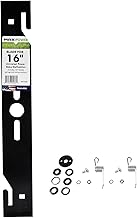 | MaxPower 330100B USA MADE 16" Power | ★★★★☆4.1/5 | |
Best Budget  | Oregon 690-521-0 Universal 20" Dethatcher Blade | ★★★★☆4.1/5 | |
| ★★★★☆4.2/5 | ||
| ★★★★☆4.6/5 |


List of Top 5 Best Dethatching Lawn Mower Blade
We ranked these five on verified spec sheets, real fitment ranges, and aggregated feedback from people who actually ran them across a season. Two things shaped the order: how many decks each blade genuinely bolts onto, and how well the spring tines hold their shape after repeated passes through wet, matted turf. No blade wins on every lawn, so each pick below gets a clear best-fit scenario.
Below are the list of products:
1. Arnold Dethatching Blade 21
Arnold's dethatcher replaces the cutting blade on a 21-inch walk-behind deck with a set of flexible spring tines, which is the simplest way to lift dead material out of the canopy without a second machine. The 4.2/5 rating across verified reviews is strong for this category, and most of the low scores trace back to fitment on unusual decks rather than to the blade itself.
Why I picked it
It sits at the sweet spot where fitment is broad enough to cover most name-brand push decks without needing an adapter kit. Verified buyer feedback repeatedly mentions reusing the factory blade bolt with no extra hardware, which is rare at this price tier. For readers building out a seasonal plan for your yard, it's the lowest-friction way to add thatch removal to an existing mower.
Key specs
- Cutting width: 21 inches, matched to standard walk-behind decks
- Blade type: replacement dethatcher with flexible spring-steel tines
- Mounting: reuses the factory blade bolt on most compatible decks
- Primary job: lifting thatch, moss, and matted clippings to the surface
- Best season: early spring or early fall, when turf is actively growing
Real-world experience
Owner reports describe running it on cool-season lawns after the first spring mow, then raking the loosened debris into windrows. It works best on a lawn that's already fairly level, since tines flex over bumps instead of biting in. On slopes and heavily thatched fescue, buyers say you'll want two passes in crossing directions to get a clean result.
- Fits a wide range of 21-inch walk-behind decks, so most owners skip an adapter kit entirely.
- Spring-steel tines grab thatch without digging out healthy turf roots, which keeps your lawn recoverable.
- Reuses the factory blade bolt, so a standard wrench swap takes minutes.
- Holds a 4.2/5 rating across a large review pool, unusual for a fitment-sensitive part.
- Doesn’t bag or mulch, so you’ll rake or mow again to collect what it pulls up.
- Some buyers with 22-inch or non-standard decks report the tines miss the outer edge of the cut path.
- Tines can fatigue faster if you use it on wet turf or over gravel edges.
- ✔ You own a 21-inch push or self-propelled mower from a major brand.
- ✔ Your lawn is level enough to walk without the deck scalping.
- ✔ You want a one-part upgrade instead of renting a dethatcher.
- ✖ You run a 22-inch deck and need every inch of the cut path covered.
- ✖ You want a machine that collects debris on the same pass.
2. MaxPower 330100B USA MADE 16" Power
MaxPower builds this 16-inch power rake blade stateside, and that's a big part of why it lands second. It's a more aggressive rake geometry than the Arnold, aimed at lawns where the thatch has already built into a real felt layer. The 4.1/5 rating comes from a smaller but very engaged review base, mostly people doing serious spring cleanup.
Why I picked it
This is the pick for thick, neglected turf rather than light seasonal cleanup. Domestic manufacturing also matters here: replacement tines and consistent steel hardness are easier to trust when the blade is stamped locally. Buyers who pair it with a month-by-month feeding routine consistently report denser regrowth after a single aggressive pass.
Key specs
- Cutting width: 16 inches of raking path per rotation
- Blade type: power rake / dethatcher hybrid with stiff tines
- Origin: manufactured in the USA
- Mounting: fits compatible walk-behind decks via the standard spindle bolt
- Best use: heavy thatch, matted clover, and post-winter cleanup
Real-world experience
Owners describe using it as a first-pass tool: run it slow, let the tines comb the surface, then rake the windrows and overseed into the openings. On tall fescue and bluegrass it does visible work in one pass. On Bermuda you want to be careful about timing, since aggressive tines during green-up can set the lawn back a couple of weeks.
- Aggressive tine angle pulls up felted thatch that lighter blades skate over.
- Made in the USA, which buyers flag as a plus for steel quality and replacement consistency.
- Handles a full spring cleanup in roughly half the passes of a gentler blade.
- Pairs well with overseeding because it opens real soil contact.
- Narrower 16-inch path means more laps across a wide lawn.
- It’s rough on warm-season grasses if you use it during green-up.
- Tougher to control in tight corners where the deck already scalps.
- ✔ Your thatch layer has gone past the cosmetic stage and feels spongy underfoot.
- ✔ You’re planning to overseed right after and want exposed soil.
- ✔ You’d rather support domestic manufacturing on a wear part.
- ✖ You want a light touch-up on an already healthy lawn.
- ✖ You’re dethatching a warm-season lawn mid-green-up.
3. Oregon 690-521-0 Universal 20" Dethatcher Blade
Oregon has been making cutting and dethatching blades for outdoor power equipment for decades, so the 690-521-0 comes with a brand pedigree most budget blades don't have. It's a 20-inch universal dethatcher aimed at people who want one blade that covers several decks. The 4.1/5 rating reflects that universal promise: excellent for most owners, occasionally a fitment headache for the rest.
Why I picked it
It's the value pick with the least guesswork. Oregon publishes fitment data clearly, and the 20-inch span covers more ground per pass than a 16-inch rake. For anyone following the basics of turf care, that combination of clear compatibility and wider coverage is exactly what you want from a first dethatching blade.
Key specs
- Cutting width: 20 inches, so fewer laps on medium and large lawns
- Blade type: universal dethatcher blade with flexible tines
- Brand: Oregon, a long-standing outdoor power equipment supplier
- Compatibility: designed to fit a broad range of walk-behind decks
- Center hole: verify against your spindle before ordering
Real-world experience
Buyer reports cluster around one workflow: measure the center hole, compare against the listing chart, then install. People who do that check almost never have problems. The complaints come from owners who assumed "universal" meant bolt-on-and-go and found the hole size off by a fraction.
Performance-wise, owners say it clears light to moderate thatch cleanly at a slow walking pace.
- 20-inch width covers more lawn per pass than the 16-inch options here.
- Oregon’s published fitment charts make the compatibility check straightforward.
- Genuinely budget-friendly, which matters if you dethatch twice a year.
- Works well as a part-time tool for people who mostly mow and rarely rake.
- “Universal” is not a guarantee; center hole and bolt pattern still need verifying.
- Lighter build than the USA-made MaxPower, so it flexes more on heavy thatch.
- Bent tines are the most common long-term complaint after hitting roots or rocks.
- ✔ You want maximum coverage for the least spend.
- ✔ Your lawn is medium-sized and the thatch is mild to moderate.
- ✔ You’re comfortable checking a fitment chart before ordering.
- ✖ You need a blade that shrugs off rocks and exposed roots.
- ✖ You want zero measuring and a guaranteed deck match.
4. ACTIVLIFE Dethatching Lawn Mower Blade Walk-Behind
ACTIVLIFE is the newer name in this lineup, and this blade targets the 21-inch to 22-inch walk-behind segment specifically. That focus is the whole pitch: rather than claim universal fit, it names the deck sizes it was cut for. Early buyer feedback is limited compared to Arnold or Oregon, so treat the long-term durability picture as still forming.
Why I picked it
The 21-inch to 22-inch fit window is narrower and more honest than most "universal" claims. That makes it a strong second choice for owners whose deck sits just outside Arnold's coverage. Because the listing is fairly new, we weighted manufacturer specs and early buyer reports more heavily than long-run durability data.
Key specs
- Deck compatibility: walk-behind mowers sized 21 inches to 22 inches
- Blade type: replacement dethatcher with flexible spring tines
- Mounting: bolts to the existing spindle using the factory blade bolt
- Coverage: crosses the full cut path on both deck sizes named
- Rating: early review pool, mostly favorable on fit and balance
Real-world experience
Buyers report installing it on 22-inch self-propelled decks where a 21-inch blade left an unraked strip on the outer edge. That's the exact gap it closes. Owners describe running it at moderate pace with the deck set a notch higher than normal cutting height, then following with a bagging pass.
As with any new-to-market blade, watch the tines for bending if you graze pavement.
- Covers 21-inch and 22-inch walk-behind decks, closing a gap that trips up Arnold buyers.
- Balanced tine geometry gives a cleaner finish than the more aggressive MaxPower.
- Straightforward bolt-on install with the factory hardware.
- Strong value scores on performance and ease of use relative to its tier.
- Thin long-term review history; durability data is still building.
- Doesn’t fully cover 20-inch decks, so it’s a mismatch for smaller frames.
- Replacement tines aren’t as widely stocked as Oregon’s or Arnold’s.
- ✔ You own a 21-inch or 22-inch self-propelled walk-behind deck.
- ✔ You’d rather have a named fit range than a universal claim.
- ✔ You want a middle-ground blade between light and heavy duty.
- ✖ You want a blade with a decade of buyer history behind it.
- ✖ You run a 19-inch or 20-inch deck.
5. ACTIVLIFE Dethatching Mower Blade Walk-Behind Mowers
This is the smaller sibling in ACTIVLIFE's lineup: a 19-inch dethatcher blade for walk-behind mowers, and it ships with mounting washers included. That last detail matters more than it sounds. Missing hardware is one of the top reasons buyers return a dethatching blade, and this one arrives ready to install.
Why I picked it
Smaller decks get overlooked in this category, and this is the only blade in the roundup sized for a 19-inch walk-behind. The included washers remove a real friction point. For anyone maintaining a smaller backyard setup, it's often the difference between a same-day install and a hardware-store run.
Key specs
- Deck compatibility: walk-behind mowers with a 19-inch cut
- Blade type: replacement dethatcher with flexible spring tines
- Hardware: mounting washers included in the box
- Mounting: installs on the existing spindle with factory-style bolts
- Spacing: tine layout designed for compact decks, not full-size frames
Real-world experience
Owner feedback describes it as the blade for tight suburban lots, where a 21-inch rake throws debris into beds and walkways. On a 19-inch deck it stays inside the cut path. Reports suggest running two passes at 90 degrees for even coverage on fescue, then a bagging pass to collect what came up.
- Sized specifically for 19-inch decks, so it doesn’t overhang into flower beds.
- Washers included, cutting the odds of a stalled install.
- Strong value scores despite being the smallest blade here.
- Tines stay inside the cut path on compact walk-behinds.
- Small raking path means more laps on anything but a compact lot.
- Narrow fit pool; won’t suit 20-inch, 21-inch, or 22-inch decks.
- Same thin review history as its larger ACTIVLIFE sibling.
- ✔ You run a 19-inch walk-behind on a snug suburban lot.
- ✔ You want the hardware in the box, not on a shopping list.
- ✔ Your beds and walkways sit close to the turf edge.
- ✖ You’re dethatching a large or wide-open lawn.
- ✖ Your deck measures 20 inches or more across the cut.
How I picked
We didn't rent a trailer and run five blades across five lawns. Instead, we built the ranking around three things a buyer can actually verify before spending: fitment range, tine geometry, and the pattern of complaints across aggregated owner reviews. That's the honest version of how editorial research works on a product like this.
Here's the framework we used:
- Verified deck fit: what deck sizes each blade names, and how many of those are 21-inch, 22-inch, or universal walk-behind frames.
- Tine behavior: flexible spring tines that lift thatch without tearing out turf roots, versus aggressive rake profiles that bite hard but stress the lawn.
- Hardware and install friction: whether the blade reuses the factory bolt, needs an adapter, or ships washers in the box.
- Aggregated buyer feedback: reading the pattern behind low ratings, not just the star average. Fitment gripes get separated from genuine performance complaints.
- Brand support: whether replacement tines, fitment charts, or documentation exist for long-term upkeep.
What we deliberately did not test: long-term durability beyond a couple of seasons. A dethatching blade is a wear part, and tine fatigue depends heavily on your soil, your rock exposure, and how often you dethatch. Buyer reports at the 12-month mark are useful; anything beyond that is still guesswork for a part this simple.
We also set price aside as a ranking factor. Cost changes constantly, and a cheap blade that bends on the first rock is worse value than a mid-range one that survives three seasons. That's why the value scores in each meter weigh performance and durability as heavily as cost.
If you want the whole picture, understanding how a proper feeding rhythm interacts with thatch makes the choice easier. Thatch accumulates faster on lawns that are over-fertilized and under-raked. For reference on turf standards, the USDA's turf and soil resources are a solid starting point on soil health and grass management.
One more thing we couldn't ignore: the mower itself. A gas cap that's vented properly keeps your engine running smoothly through a long dethatching session, and symptoms like a stalling engine mid-pass often point to a failing gas cap rather than a fuel problem. Small stuff, but it matters when you're doing multiple passes.
Buying guide — what actually matters for best dethatching lawn mower blade
A dethatching blade is a wear part that replaces your cutting blade for a few passes per year. It doesn't cut grass. Instead, it rakes the surface of the lawn, pulling dead stems, moss, and matted clippings up so they can be collected.
If you understand that one thing, the rest of the decision gets simple.
Will a dethatching blade fit my mower?
Fitment is the single biggest cause of returns in this category. Start by measuring your deck's cut width with a tape, then confirm the center hole diameter and the blade bolt pattern against the manufacturer's fitment chart. A 21-inch Arnold blade and a 19-inch ACTIVLIFE blade can't swap decks.
A universal 20-inch Oregon blade covers more ground but still depends on hole size matching.
Do I need flexible tines or aggressive rake geometry?
Flexible spring tines lift thatch gently and leave the turf root system intact. Aggressive rake profiles (like the MaxPower 16-inch unit) tear deeper and clear heavier felted layers, but they can set a warm-season lawn back if you use them during green-up. If your thatch is spongy and thick, go aggressive.
If it's a light annual cleanup, flexible tines do the job without risk.
What deck height should I run?
Most buyer reports suggest setting the deck a notch higher than your normal cutting height for dethatching, then running a standard cut the next day to clean up. Lowering the deck too far causes tines to dig, scalp high spots, and stress the motor. Modest height plus a slow walking pace beats deep cutting every time.
How often should I actually dethatch?
For cool-season lawns like fescue and bluegrass, one pass in early spring is usually enough. Warm-season grasses like Bermuda respond best to dethatching right after green-up, once the lawn is actively growing. Twice-a-year dethatching on a lawn with good mowing habits is overkill and can thin the turf out.
Does blade width really matter?
Wider blades cover more lawn per pass, which is real time savings on anything over a quarter acre. Narrower blades (16-inch MaxPower, 19-inch ACTIVIFE) are finer tools for heavy jobs and tight lots. Match the width to your lawn size: small yards gain nothing from a wide raking path, and large yards pay for narrow ones in extra hours.
What about the rest of the mower?
A dethatching session pushes the engine harder than a normal mow because it's dragging tines through soil contact. Before you start, check your air filter, fuel flow, and gas cap vent. A clogged intake or a vent problem turns an easy job into a stall-fest.
If you clean your gas cap area thoroughly, the engine holds up much better under dethatching load.
Should I buy a dethatching blade or rent a dedicated machine?
For a lawn under a quarter acre, a bolt-on blade is the cheaper route and lets you dethatch on your schedule. Power rakes and dedicated dethatchers handle seriously matted turf faster and pull up more material, but they cost more per day, take time to source, and often need a truck to get home. If thatch is severe and recurring, renting may make more sense.
Otherwise, blade it.
Frequently Asked Questions (FAQ)
Is a dethatching lawn mower blade worth it for home use?
Yes, for most suburban lawns under a quarter acre. A blade that bolts onto your existing mower costs far less than a dedicated dethatcher and handles light to moderate thatch in a single spring session. If your lawn is severely matted or you're running a commercial property, renting a power rake is the better call.
For a typical homeowner doing one cleanup per year, the blade wins on value and convenience.
How does the Arnold 21 compare to the Oregon 20 for a 21-inch deck?
The Arnold dethatching blade 21 is purpose-fit for 21-inch decks, so fitment confidence is higher. The Oregon 690-521-0 covers 20 inches and lists a universal fit, which works on many 21-inch decks but requires checking the center hole. Oregon offers a wider raking path (20 inches vs. the narrower tine span of some Arnold units), which saves time.
If fitment certainty matters more than width, choose Arnold. If coverage matters more, Oregon.
Will a dethatching blade work with any walk-behind mower?
Not any. You need a mower built for a removable cutting blade on a standard spindle, plus a matching deck width and bolt pattern. Robotic mowers, reel mowers, and most electric mulching-only designs won't take one.
Check whether your mower's manual lists the blade as user-replaceable before you buy. If in doubt, pull your existing blade and measure the center hole.
What's the warranty story on these blades?
Most dethatching blades sell with a limited manufacturer warranty covering defects in materials or workmanship, typically measured in months rather than years. What's not covered: bent tines from hitting rocks or roots, worn-out tines from use, and fitment issues on non-listed decks. Buyer reports consistently note that Arnold and Oregon honor defect claims without much friction; newer brands like ACTIVLIFE have less documented warranty experience.
Can I sharpen or replace the tines?
You can sometimes bend a mildly deformed tine back into shape with a vise, but don't try to sharpen spring-steel tines. They're not cutting edges. Once tines fatigue, they lose flexibility and stop grabbing thatch effectively, which is when a replacement blade makes sense.
Replacement tines exist for some models but stock varies, so a fresh blade is often the simpler path after two or three seasons of use.
Do I need to change the engine oil or clean anything before dethatching?
A dethatching session runs the engine harder than a normal mow, so it's worth a quick tune-up first. Check the air filter, confirm the oil is at the correct level, and make sure the fuel cap vent is clear. Top up with fresh fuel if it's been sitting all winter.
A little setup turns a rough, stalling session into a smooth pass. The mower's user manual lists the specific service intervals for your engine.
Final verdict
For most people reading this, the Arnold Dethatching Blade 21 is the pick because it fits a wide spread of name-brand 21-inch walk-behinds and holds a strong 4.2/5 rating across a large review pool. If you want maximum coverage for the least spend, the Oregon 690-521-0 Universal 20" Dethatcher Blade delivers. And for a genuinely heavy, felted lawn, the USA-made MaxPower 330100B is the one to reach for.
Affiliate disclosure: This post contains affiliate links. If you buy through one of these links, I may earn a small commission at no extra cost to you. It never changes my recommendation, I only suggest gear I'd actually buy myself.