
Your check engine light came on right after a fill-up, and now you're bracing for a four-figure repair bill. Take a breath first. So, what are the symptoms of a bad gas cap?
Usually a steady warning light, maybe a faint fuel smell, and little else.
Modern cars police their evaporative emission (EVAP) system nonstop, and federal rules have demanded a vapor-tight seal since the 1996 model year. Leaks as small as 0.020 inch can trigger a code. That's why a $15 cap can silence a warning that looks catastrophic.
Here's the fast diagnosis, starting with the basics.
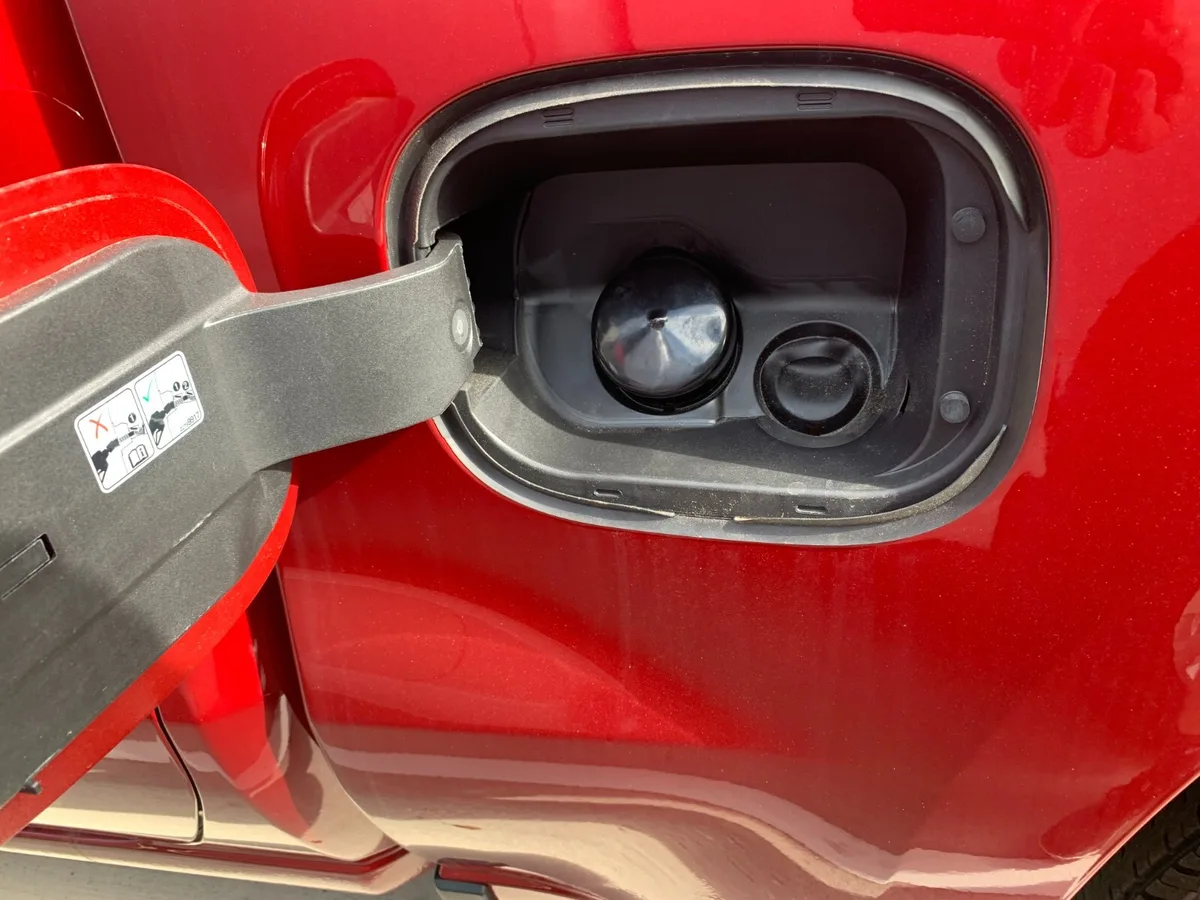
Quick Answer: How to Tell If Your Gas Cap Is Actually Bad
A bad gas cap causes a steady check engine light most often. You may also smell fuel near the filler door. Most cases are a loose cap, not a failed one.
Tighten the cap until it clicks, then recheck after a few drives. If the light remains, scan for EVAP trouble codes.
Why a Bad Gas Cap Turns On the Check Engine Light: EVAP System Basics
The evaporative emission control system, better known as the EVAP system, traps gasoline vapors before they reach the air. Your fuel tank, filler neck, hoses, charcoal canister, and gas cap all form one sealed loop.
The car tests that loop constantly while you drive. A fuel tank pressure sensor watches for pressure changes the tank shouldn't have. Lose the seal, and the computer flags a leak.
The tolerance has tightened over the years, too. Early systems flagged leaks down to 0.040 inch. As of 2026, most vehicles catch leaks half that size.
The EPA classifies these vapors as smog-forming pollution, which is why the standard keeps shrinking.
The gas cap is the widest opening in that entire sealed loop. When its rubber gasket hardens, cracks, or flattens out, vapors slip past on every hot afternoon. The sensor sees the loss, and up comes the light.
The Symptoms of a Bad Gas Cap, Ranked From Most to Least Common
- A solid check engine light. This is the number one sign by a wide margin. The light stays steady, never flashing.
- Fuel odor near the filler door. Escaping vapors collect at the rear of the car, worst after parking in the sun.
- Failed emissions test. An unresolved EVAP code or an incomplete readiness monitor fails most smog checks automatically.
- A cap that won't click or spins freely. That points to stripped threads or a worn-out ratchet inside the cap.
- Hard starting right after refueling. Rare, but a leaking cap can upset tank pressure enough to cause it.
Solid Light, Fuel Smell, Failed Seal: What Each Symptom Points To
Each symptom narrows the suspect list differently. Use this map before you spend a dime.
| Symptom | Likely Cause | Next Move |
|---|---|---|
| Steady check engine light | Loose cap or worn gasket | Tighten fully, recheck after two or three drives |
| Fuel smell at the rear | Cracked gasket or missing cap | Inspect the seal, replace if hardened |
| Failed smog check | Small-leak code still active | Scan, fix the cap, complete a drive cycle |
| Cap spins without clicking | Stripped threads or dead ratchet | Replace the cap |
| Rough start after fill-up | Tank pressure upset by the leak | Fix the seal first, then retest |
Notice the pattern. Every row either ends at the cap itself or at a code you haven't read yet. That's why the next two sections matter.
First Checks: Inspect the Gasket and Retighten Until It Clicks
Work through these five checks in order. They take ten minutes and cost nothing.
- Park on level ground and shut the engine off.
- Remove the cap and study the rubber gasket underneath. Look for cracks, flat shiny spots, or missing chunks.
- Check the threads and the plastic body for wear. Confirm the tether strap hasn't snapped.
- Wipe the sealing surface on the filler neck. Grit here stops the cap from seating properly.
- Twist the cap clockwise until it ratchets. Most owner's manuals call for three distinct clicks.
Now the branch point. If the gasket looked supple and unbroken, retightening may have already solved the whole problem. Drive normally and give the light a few days.
If the gasket felt brittle, looked flattened, or tore while you handled it, stop here. Order a replacement matched to your VIN. A wrong-spec cap seals poorly and repeats the same code weeks later.
Pull the Codes: What P0455, P0442, and P0456 Actually Tell You
An inexpensive OBD-II scanner plugs into the diagnostic port under the dash on the driver's side. Twenty dollars buys you the exact code behind the light. Many auto parts stores will read it for free as well.

The code tells you which branch of the repair you're on.
| Code | Meaning | What It Suggests |
|---|---|---|
| P0455 | Large EVAP leak | Loose, missing, or badly failed cap |
| P0442 | Small leak | Worn gasket, aging hose, or vent issue |
| P0456 | Very small leak | Same suspects, tougher to pinpoint |
| P0440 or P0441 | General EVAP flow fault | Purge or vent valve territory |
Reading the result is straightforward. If P0455 appeared within a day or two of a fill-up, the cap is almost certainly your culprit. If you pulled P0442 or P0456 instead, try the cap anyway, because it remains the cheapest item to eliminate.
Don't judge the fix too quickly, though. The light runs on its own schedule, and the decision tree below handles that part.
The Bad Gas Cap Decision Tree: Find Your Branch
Your symptoms choose your branch. Find the situation that matches yours below, follow the if/then steps, and stop as soon as you reach a fix. No guessing, no parts cannon.
Branch 1: Light Came On Within a Day of Refueling
If the light appeared within 48 hours of a fill-up, treat the cap as suspect number one. Filling disturbs the seal, and a half-turned cap trips the system fast.
Retighten until you hear three distinct clicks. Drive normally for two or three days.
If the lamp switches off on its own, you're done. If it's still lit after a week, pull the codes using the method from earlier.
Branch 2: You Smell Gas Near the Rear of the Car
If the odor is faint vapor strength and worst after the car sat in the sun, suspect a hardened gasket weeping fumes. Inspect the seal closely, swap the cap if it's cracked or flattened, and retest over a few drives.
If you smell raw gasoline strongly, see dampness near the filler neck, or catch the odor inside the cabin, stop driving. That pattern suggests liquid fuel escaping, which is a fire hazard near hot exhaust components. Park it and have it inspected.
Branch 3: The Cap Won't Click or the Gasket Looks Cracked
If the ratchet spins freely with no clicks, the internal threads are stripped. If the gasket feels brittle or looks torn, the seal is finished either way.
Order a replacement matched to your VIN rather than grabbing a generic shelf unit. Install it, tighten to three clicks, and give the monitor those same two or three drive cycles.
Branch 4: New Cap Installed but the Light Won't Turn Off (Drive Cycles Explained)
If a fresh cap hasn't silenced the light, don't buy another part yet. Manufacturers build EVAP checks into something called a drive cycle, meaning a cold start, sustained cruising, smooth deceleration, and a full warm-up. The monitor only reruns when those boxes get ticked.
Expect two or three complete cycles, sometimes a week of ordinary commuting, before the computer rechecks the seal. Clearing the code yourself resets the readiness clock entirely, so resist the urge.
A full week of mixed driving with no change means the leak lives elsewhere. Move on to the next section.
When It's Not the Cap: Purge Valves, Cracked EVAP Hoses, and Faulty Pressure Sensors
Four other parts trigger this same code family. Here's what they do and how they fail.
Purge valve. This solenoid meters stored vapors from the charcoal canister into the engine intake. When it sticks open, the system can't hold vacuum and flags a fault. Codes like P0441 or P0443 point here, sometimes alongside a rough idle.
Vent valve. Mounted near the canister at the rear, it admits fresh air as fuel gets used. Grime and road salt jam it shut, a common finding in rust-belt states.
Cracked EVAP hoses. The rubber lines feeding the tank and canister dry out from years of heat cycling. Tiny splits produce exactly the P0442 and P0456 codes a worn gasket does.
Fuel tank pressure sensor. Occasionally the sensor itself reports leaks that don't exist. Shops prove or disprove it during diagnosis.
Stubborn cases get an EVAP smoke test. The shop pressurizes the sealed loop with inert smoke and watches for the telltale plume escaping. Most garages charge $90 to $150 for it, and ten minutes of smoke routinely beats hours of guesswork.
Mileage shifts the odds. Editorial analysis of repair data suggests vehicles past 100,000 miles drift toward failed valves and hoses rather than caps. New cap, high mileage, persistent code?
Start with the purge valve.
Capless Fuel Systems: Same Symptoms, Completely Different Fix
No visible cap doesn't mean immunity. Ford's Easy Fuel setup and similar designs from other automakers swapped threaded caps for spring-loaded flaps that seal inside the filler neck.
The monitoring logic never changed. The EVAP system still guards the same sealed loop, so grit on the flap's seating surface or a worn flap edge produces the identical steady light and EVAP codes.
You just can't solve it for fifteen bucks. Cleaning the sealing surfaces is fair game for owners, while deeper flap repairs belong to the dealer since the hardware lives inside the neck assembly. Keep the emergency fuel funnel Ford stows in the trunk.
You'll want it for gas cans.
Choosing a Replacement: OEM vs. Aftermarket vs. Locking Gas Caps
Whatever you buy must match your vehicle's sealing spec. Here's the honest breakdown of your three routes.
| Option | Typical Price | Best For | Trade-off |
|---|---|---|---|
| OEM dealer cap | $25 to $50 | Newer cars, sensitive systems | Highest cost |
| Standard aftermarket | $8 to $20 | Older daily drivers | Fitment varies |
| Locking cap | $15 to $35 | Work trucks, street parking | Key loss risk |
Established aftermarket brands like Stant and Gates hold up well in verified buyer feedback, provided the cap is matched to your exact make, model, and year. The complaint pile belongs to no-name universal caps claiming to fit everything. Wrong spring pressure means a weak seal and a repeat code.
California and adoption-state drivers need a CARB-compliant cap to stay legal, and compliant packaging says so plainly. Locking versions earn their keep against siphoning theft in rural areas and public garages, though bargain units sometimes skip the precise pressure relief your original spec calls for. Pay a little more there.
Mistakes That Turn a $15 Fix Into a $300 Repair
Six errors show up again and again in repair-forum post-mortems. Dodge every one.
- Shotgun parts-swapping. Buying a purge valve, then a vent valve, then a sensor before ever reading the code. Scan first, spend second.
- Clearing codes right before inspection day. Erasing a code sets your readiness monitors to incomplete, and most testing stations fail incomplete monitors automatically. Fix the fault weeks ahead, then let normal driving reset everything.
- Trusting a universal-fit cap. It threads on, clicks twice, and seals badly. The code returns within a month.
- Cranking past three clicks. Overtorquing strips the plastic threads in the filler neck itself. Now a cap job becomes neck surgery.
- Ignoring a flashing light. Flashing means an active engine misfire, which has nothing to do with EVAP. That's a pull-over-and-call situation.
- Skipping the recall check. Run your VIN through the free NHTSA database before spending anything. Certain EVAP faults trace straight back to covered manufacturer defects, and the repair costs you zero.
What This Fix Should Cost: Parts, Shop Diagnostics, and Smoke Tests
This repair sits at the bargain end of car ownership, provided you follow the order of operations. Here's how the three spending routes stack up.
| Route | Typical Outlay | What You Get |
|---|---|---|
| DIY cap swap | $8 to $50 | New VIN-matched cap, installed in minutes |
| Scanner plus cap | $30 to $70 | Proof the code actually points at the cap |
| Full shop diagnosis | $100 to $300 | Professional pinpointing, usually with smoke |
Most auto parts stores read codes for free, so paying a dealer $150 in diagnostic fees before trying a ten-minute retighten rarely makes sense. If you've exhausted the cap route, the smoke test fee covered earlier is your next line item.
Reality check. Loose and failed caps rank among the most common check engine light causes, so most cases never climb past row two. Only high-mileage vehicles with stubborn small-leak codes tend to reach row three.
Safety and Emissions Testing: When to Stop Driving and How to Pass Smog Check
A bad gas cap is mostly an inconvenience, but a few warning signs change that instantly. Stop driving and arrange an inspection if you notice any of these:
- Raw gasoline odor strong enough to reach the cabin
- Visible dampness around the filler neck or under the rear of the car
- A check engine light that flashes rather than glows steadily
- A completely missing cap, which invites water and debris into the tank
Vapor leaks are unpleasant. Liquid fuel near hot exhaust components is a genuine fire risk, and it's the one scenario in this whole topic where waiting is the wrong call.
On the legal side, a lit check engine light means automatic failure at most state inspection stations, whatever the code says. Timing matters just as much. Fix the fault at least a week or two before your scheduled smog check, then drive normally so every readiness monitor completes on its own.
Bad Gas Cap FAQs
Can I drive with a bad gas cap?
Usually yes, for short distances, as long as you smell no raw gasoline and the light stays solid rather than flashing. A worn cap wastes some vapor and guarantees an emissions-test failure, but it won't harm the engine itself. Aim to fix it within a week or two.
How long does the check engine light take to turn off after replacing the gas cap?
Expect two to three complete drive cycles, which normally means several days of ordinary driving. The EVAP monitor only reruns when specific conditions align, including a cold start and sustained cruising. If the light persists beyond a full week of mixed driving, the leak isn't the cap.
Does a bad gas cap affect fuel economy?
Only barely. A leaking seal lets a small amount of fuel vapor escape, worth a fraction of a mile per gallon at worst. The real cost comes later, because an ignored EVAP leak can hide a pricier fault like a purge valve stuck wide open.
How do I know if my gas cap just needs tightening?
Tighten it until you hear three distinct clicks, then drive normally for two or three days. If the light switches off and stays off, the cap was simply loose. If it returns, inspect the gasket underneath, because a hardened or cracked seal calls for a full replacement.
Why does my check engine light come back even with a new cap?
A returning light means the system still detects a leak somewhere else. Prime suspects include cracked EVAP hoses, a stuck-open purge valve, or a jammed vent valve, especially past 100,000 miles. A shop smoke test finds those leaks in minutes and ends the guessing game.
The Verdict: Your 10-Minute Diagnostic Plan
Here's the entire decision tree compressed into seven steps. Work top to bottom and stop the moment the problem resolves.
- Retighten the cap until it clicks three times.
- Check the rubber gasket for cracks, flattening, or brittleness.
- Drive normally for two or three days.
- Light gone? You're done, and it cost nothing.
- Still lit? Pull the codes with a scanner or a free parts-store readout.
- Got P0455 shortly after a fill-up? Install a VIN-matched cap and wait another week.
- Small-leak code or a stubborn light? Book a smoke test before buying any other parts.
That's the whole playbook. In our research, the overwhelming majority of cases end at step four, fixed by a click most drivers never knew mattered.