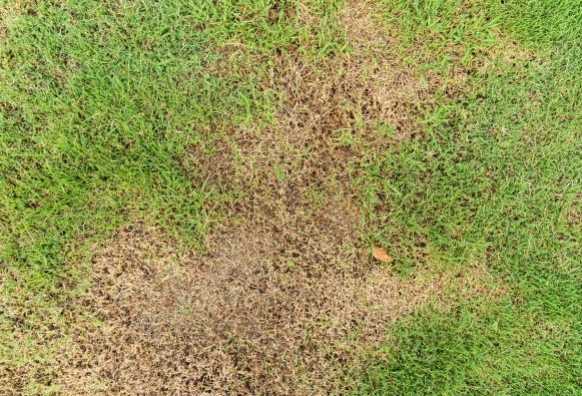
If your Bermuda grass is suddenly turning brown, don’t panic—there’s often a simple fix. Browns can appear for various reasons, from drought stress to pests, but identifying the cause quickly can save your lawn. The main reasons include inadequate watering, extreme heat, over-fertilizing, or pest activity. Address these issues promptly to restore your lawn’s vibrant green.
Bermuda grass turning brown is usually caused by environmental stressors or improper care. Common culprits are drought, heat, poor soil health, or pests. Understanding the root cause will help you take targeted action to revive your lawn and keep it lush and healthy. With a little attention and proper maintenance, your Bermuda grass can bounce back beautifully.

Why Is My Bermuda Grass Turning Brown?
If you notice your Bermuda grass turning brown, it can be confusing and frustrating. This change in color often signals that something is affecting the health of your lawn. Understanding the common causes of browning grass helps you take the right steps to restore its lush green appearance.
Understanding Bermuda Grass and Its Growth Habits
Bermuda grass is a warm-season grass known for its durability and tolerance to foot traffic. It thrives in hot climates with plenty of sunlight. But despite its resilience, Bermuda grass can turn brown if it faces certain stresses or environmental issues.
Common Reasons Why Bermuda Grass Turns Brown
There are many factors that can cause Bermuda grass to turn brown. Identifying the exact problem helps in choosing the most effective solution.
1. Drought and Insufficient Watering
One of the main causes of browning is lack of water. Bermuda grass needs about 1 to 1.5 inches of water weekly. If it doesn’t get enough, it will go into dormancy, turning brown temporarily until water is available again.
2. Overwatering and Poor Drainage
While Bermuda grass needs moisture, too much water can also harm it. Overwatering can lead to root rot and fungal diseases, which cause the grass to turn brown and die. Ensure your lawn has proper drainage to prevent excess water buildup.
3. High Temperatures and Sun Exposure
Extreme heat can stress Bermuda grass, especially during heatwaves. Under intense sunlight and high temperatures, grass may go dormant to conserve moisture, resulting in a brown appearance.
4. Nutrient Deficiency
Grass needs essential nutrients like nitrogen, phosphorus, and potassium. A lack of nitrogen, in particular, leads to yellowing and browning leaves. Regular fertilization helps maintain healthy green color.
5. Pest Infestations
Insects such as armyworms, grubs, or chinch bugs can damage Bermuda grass by feeding on roots and blades. This weakens the grass, causing patches of browning and thinning turf.
6. Disease and Fungal Infections
Fungal diseases like brown patch or dollar spot can infect Bermuda grass, especially in humid or wet conditions. These diseases cause circular patches of brown or dead grass, often with a distinct border.
How to Diagnose the Cause of Brown Bermuda Grass
Proper diagnosis is crucial to fixing the problem. Start by inspecting your lawn for signs of pests, disease, or environmental stress. Check soil moisture levels and look for irregular patches or thinning areas.
Inspect Soil and Root Health
Pull a few grass samples to examine root health. Healthy roots are white and firm, while decayed roots appear brown and mushy. Testing soil pH and nutrient levels can reveal deficiencies.
Look for Pests and Disease Symptoms
Identify visible pests or fungal growth. Brown patches with a fuzzy or powdery appearance often point to fungal infections. Pests may be visible on the blades or beneath the turf.
Effective Ways to Restore Brown Bermuda Grass
Once you understand the cause, you can take targeted actions to revive your lawn. Here are some proven methods to get your Bermuda grass back to health.
Adjust Watering Practices
Water deeply and infrequently rather than shallowly every day. This encourages deep root growth, making your lawn more resilient to drought and heat stress.
Improve Soil Quality and Nutrient Levels
Apply a balanced fertilizer rich in nitrogen during the active growing season. Conduct soil tests to identify any deficiencies and amend the soil accordingly.
Manage Pests and Diseases
Use appropriate pest control treatments if pests are identified. For fungal infections, apply fungicides specific to the disease. Follow all label instructions for safety and effectiveness.
Maintain Proper Mowing Height
Keep Bermuda grass at about 1.5 to 2 inches tall. Mowing too low can stress the grass and promote browning, while too high may reduce air circulation and increase disease risk.
Reduce Stress from Heat and Sun
During extreme heat, water your lawn early in the morning or late in the evening. Consider providing some shade with trees or umbrellas in particularly hot areas.
Overseeding and Reseeding
In heavily damaged or Patchy areas, overseeding with Bermuda grass can help fill in bare spots. Use high-quality seed and ensure proper soil preparation for successful germination.
Preventative Measures for a Healthy Bermuda Lawn
Prevention is always better than cure. Consistent lawn care practices help keep Bermuda grass healthy and less susceptible to browning.
Regular Watering and Fertilization
Stick to a watering schedule suited to your climate, and fertilize in spring and summer for vigorous growth.
Proper Aeration and dethatching
Aerate your lawn annually to improve soil airflow and nutrient penetration. Remove thatch buildup to allow better water and fertilizer absorption.
Monitor and Manage Pests
Regularly inspect your lawn for signs of pests and treat any infestations promptly to avoid damage and browning.
Adapting to Climate Conditions
Adjust watering, mowing, and fertilization routines based on seasonal weather patterns to keep Bermuda grass healthy year-round.
Summary
Understanding why Bermuda grass turns brown involves recognizing environmental stresses, pests, diseases, and nutritional needs. Taking proactive steps such as proper watering, fertilization, pest control, and soil management can bring your lawn back to life. Regular maintenance and early intervention are key to preventing future browning and keeping your Bermuda grass lush and green all season long.
Why does my bermuda grass turn brown after mowing and the easy fix
Frequently Asked Questions
How does drought affect the color of Bermuda grass?
Prolonged dry periods cause Bermuda grass to conserve water by shutting down some of its growth processes, leading to a brown or dormant appearance. Lack of sufficient moisture stresses the grass, making it unable to maintain its healthy green color. Regular watering helps prevent this issue and keeps the grass vibrant.
What role do pests and diseases play in browning Bermuda grass?
Insects such as grubs or disease-causing fungi can damage grass roots or blades, resulting in brown patches. When pests or pathogens attack, they weaken the grass’s ability to absorb nutrients and water, causing it to turn brown. Treating infestations promptly with appropriate solutions helps restore the health of your lawn.
Can soil conditions lead to Bermuda grass turning brown?
Yes, poor soil quality, including compacted or nutrient-deficient soil, restricts root growth and water uptake. This stress weakens the grass, causing browning and patchiness. Improving soil health through aeration and fertilization encourages better growth and color retention.
How does improper mowing impact Bermuda grass coloration?
Mowing the grass too short or irregularly can stress Bermuda grass, making it more susceptible to browning. Cutting at the correct height and adjusting mower blades regularly promote healthy growth and uniform color. Proper mowing techniques help maintain the lawn’s overall appearance.
What environmental factors might cause Bermuda grass to turn brown quickly?
Extreme conditions such as high temperatures, strong winds, or excessive sunlight can cause dehydration and stress in Bermuda grass. These factors lead to evaporation of moisture from the grass blades and soil, resulting in a brown look. Providing shade or implementing watering strategies can mitigate these effects.
Final Thoughts
Your Bermuda grass turning brown often results from drought, poor soil, or improper watering. Check your watering schedule to ensure the grass receives enough moisture without overdoing it. Soil health also plays a crucial role; nutrients may need supplementation.
Pests or diseases can cause browning as well. Inspect your lawn regularly to catch issues early and treat them promptly. Proper fertilization boosts root health, helping the grass stay green.
In conclusion, why is my Bermuda grass turning brown? It stems from a mix of environmental stressors and maintenance habits. Addressing watering, soil, and pest issues can revive your lawn and keep it lush.