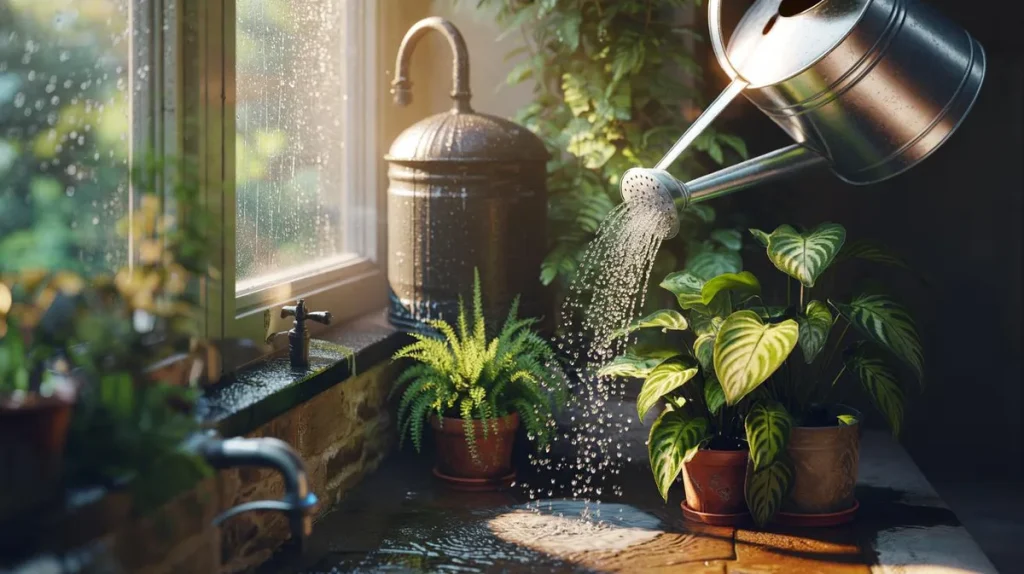
If you've ever wondered which plants like rain water more than what comes out of your tap, you're not alone. Brown leaf tips, yellowing edges, and white crust on pot rims often trace back to the water you're using. Rainwater is naturally soft, slightly acidic, and nearly free of dissolved minerals.
That makes it a genuine plant superfood.
As of 2026, clean rainwater usually measures under 20 parts per million (ppm) of total dissolved solids. Many municipal tap water supplies run between 100 and 400 ppm. That gap matters far more than most plant owners realize.
Let's dig into why.

Image source: Web (Bing) / menuthai-fleet.co.uk (Web image (fair-use with source credit))
Why Rainwater? The Problem with Tap Water
When you turn on your kitchen faucet, you get water treated to be safe for humans. The Environmental Protection Agency sets those standards for public drinking water, but they protect people, not plants. The same treatment process that keeps us healthy leaves behind chemicals and minerals that many plants cannot tolerate.
Our research shows that the most common houseplant complaints often come back to tap water. Brown tips, yellow patches, and poor growth are frequent suspects. The buildup happens slowly, so it's easy to miss.
Here's what's actually in your tap water that can cause problems:
- Chlorine: added to kill bacteria, but it can burn tender root tissue.
- Chloramine: a more stable compound that does not evaporate when water sits out.
- Fluoride: often added for dental health, but it causes leaf tip burn in species like spider plants and calatheas.
- Calcium and magnesium: make water "hard" and leave white mineral residue.
- Sodium: common in softened water, and it damages soil structure over time.
Rainwater skips all of that. It falls from the sky already distilled by evaporation. It picks up a little carbon dioxide and naturally lands at a pH around 5.5 to 6.5, which is perfect for many plants.
Quick Answer: Which Plants Actually Need Rainwater?
Which plants like rain water? Carnivorous plants, orchids, ferns, calatheas, and many acid-loving garden plants. These species evolved in environments with soft, mineral-free water.
Rainwater is the purest match for them. Most common houseplants tolerate tap water just fine. Only the sensitive ones truly need rain.
Here's the basic breakdown:
- Strictly need rainwater: Venus flytraps, pitcher plants, sundews, and other carnivorous species.
- Strongly prefer rainwater: most orchids, ferns, calatheas, marantas, and bromeliads.
- Do best with rainwater: blueberries, azaleas, camellias, rhododendrons, and other acid-loving plants.
- Can tolerate tap water: pothos, spider plants, snake plants, succulents, and most common beginner houseplants.
That list is a start. But the real question is how to decide for your own collection.
How Tap Water Hurts Sensitive Plants: Chlorine, Minerals, and pH
Tap water damages sensitive plants in three main ways. The first is direct contact with chlorine and chloramine, which can burn fine root hairs. The second is salt accumulation in the soil.
The third is an alkaline pH that blocks nutrient uptake.
Here's a quick side-by-side comparison:
| Water Type | Total Dissolved Solids (TDS) | Typical pH | Common Additives |
|---|---|---|---|
| Rainwater | under 20 ppm | 5.0 to 6.5 | none |
| Tap water | 100 to 400+ ppm | 7.5 to 9.5 | chlorine, chloramine, fluoride, minerals |
The numbers tell the story. Rainwater is nearly empty of dissolved stuff. Tap water is loaded with it.
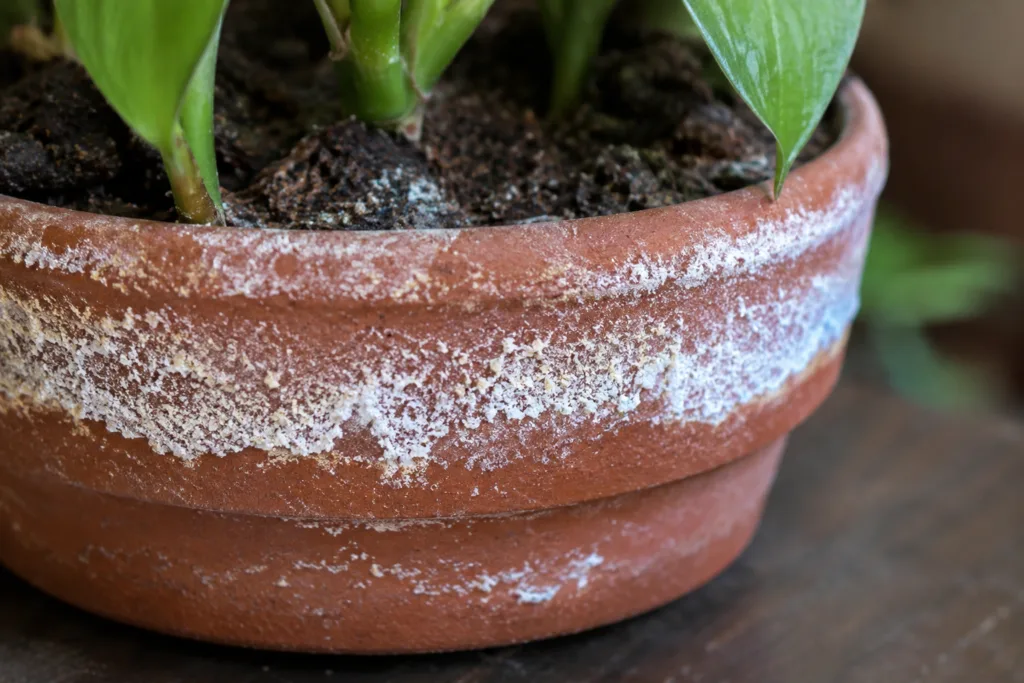
Image source: Web (Bing) / plantsaholic.com (Web image (fair-use with source credit))
When you water with tap water month after month, those solids accumulate in the pot. You see the result as a white crust on the rim or soil surface. Inside the pot, roots sit in a growing salt solution.
Water starts moving backward out of the roots instead of into them. That's root burn.
The pH problem works differently. Many sensitive plants evolved in noticeably acidic soil. Blueberries, azaleas, and most orchids prefer a pH below 6.5.
Tap water usually lands above 7.5. At that alkaline level, iron and manganese become harder for roots to absorb. The plant turns yellow between its veins and growth slows.
Rainwater solves both problems. It brings no new minerals in, and it helps flush old salts out of the potting mix.
The Rainwater Decision Tree: Do You Need It?
Ask yourself one simple question: did this plant evolve in a rainforest, a bog, or a cloud forest? If the answer is yes, it probably wants rainwater. If it came from a dry desert or a regular garden bed, tap water is usually fine.
Carnivorous Plants: The Strictest Rainwater-Only Group
These are the non-negotiables. Venus flytraps, Sarracenia pitcher plants, Nepenthes, and sundews all grow in nutrient-poor, acidic bogs. They have zero tolerance for dissolved minerals.
One or two waterings with hard tap water can cause serious leaf dieback, and repeated use often kills the plant.
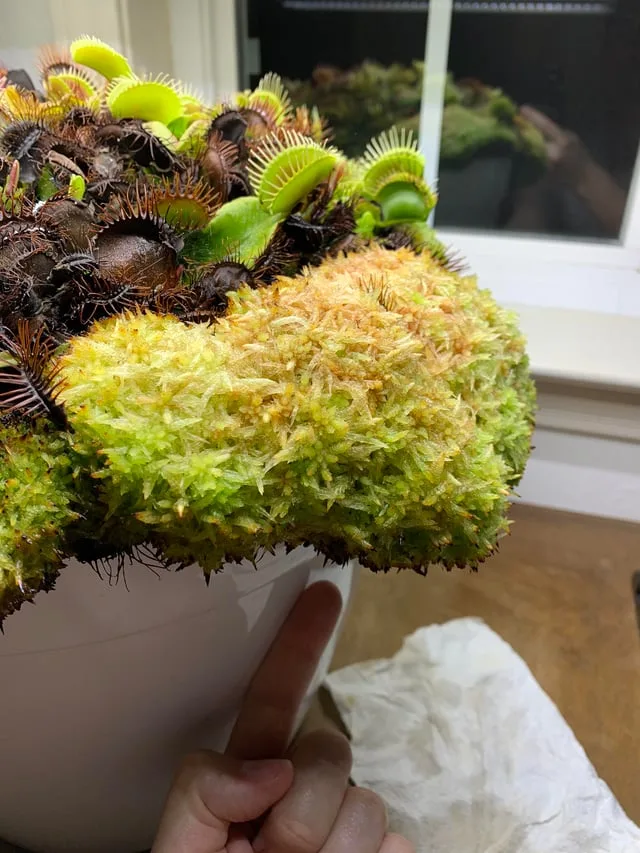
Image source: Bing (Web (fair-use with source credit))
If you own any carnivorous plant, treat rainwater like medicine. Distilled water or reverse osmosis water also works. Tap water, even left out overnight, is a gamble you don't need to take.
Orchids, Ferns, and Calatheas: High-Sensitivity Houseplants
Orchids like Phalaenopsis and Paphiopedilum sit on the next tier. They grew as epiphytes in tropical canopies, where they only ever received soft rainwater. Tap water can cause salt buildup on their aerial roots and brown tips on their leaves.
Maidenhair ferns and Boston ferns show the same distress. Calatheas and marantas are famously dramatic about it. Their leaves crisp at the edges, and they may even stop growing altogether.
These plants will survive with tap water for a while, but they thrive with rain.
Acid-Loving Garden Plants: Blueberries, Azaleas, and Rhododendrons
Move outside and the same rules apply. Blueberries, azaleas, camellias, and rhododendrons all prefer acidic soil. Rainwater helps maintain that acidity.
Gardeners in hard-water areas often see yellow leaves on these plants despite using fertilizer. That's usually a pH problem, not a nutrient deficiency. Rainwater flushes carbonates out of the soil and helps keep iron available to the roots.
While you're paying attention to soil health, it's also worth checking for lawn pests that damage root systems. Grubs are a common culprit behind dead patches in summer lawns. Knowing how to spot grub damage early can save your grass before it spreads.
Seedlings, Bromeliads, and Other Rainwater-Responsive Plants
Young seedlings are more fragile than mature plants. Their root systems haven't built up any tolerance yet. Using rainwater for seed starting trays reduces the risk of damping off and salt damage.
Bromeliads, alocasias, and anthuriums also respond well. They aren't as strict as carnivorous plants, but they will thank you with larger leaves and fewer brown spots.
Plants That Honestly Don't Care About Rainwater
Not every plant needs this level of attention. Pothos, spider plants, snake plants, ZZ plants, and most succulents are perfectly happy with tap water. Their roots handle dissolved minerals without much trouble.
If you have a collection of tough, low-maintenance houseplants, rainwater is a nice bonus but not a requirement. Save your stored rainwater for the sensitive ones. The easy-going plants will get by just fine with what's in your pipes.
How to Collect and Store Rainwater Safely: Barrels, Screens, and First-Flush
Collecting rainwater is easier than most people think. You don't need a complicated setup. A simple rain barrel, a mesh screen, and a spigot can supply your whole houseplant collection.
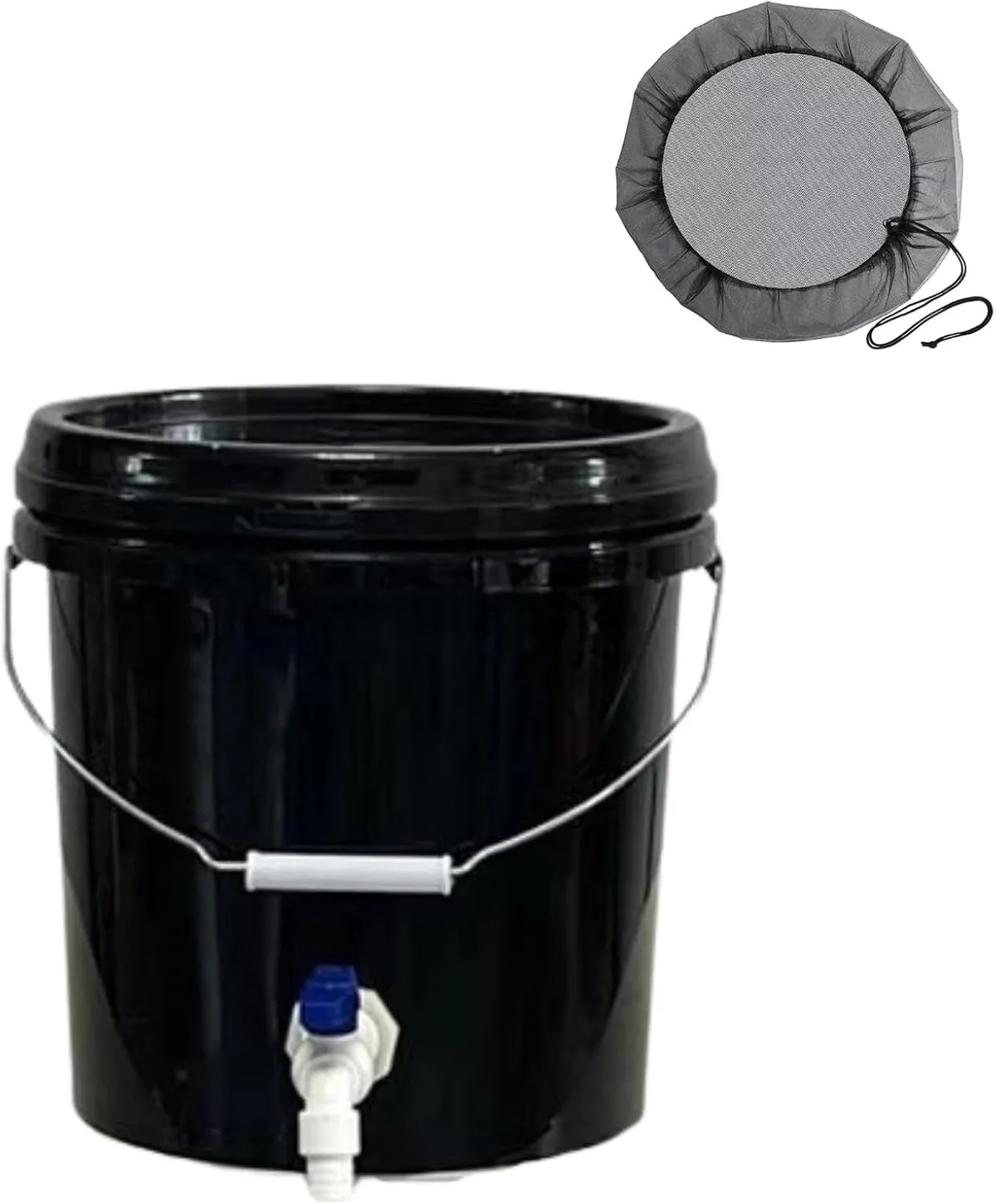
Image source: Bing (Web (fair-use with source credit))
Here's the basic step-by-step process:
- Place a barrel under a downspout. Make sure the opening is covered with fine mesh to keep out leaves, mosquitoes, and roof debris.
- Install a first-flush diverter. The first few gallons of rain wash dust, pollen, and bird droppings off the roof. You want to divert that dirty water away from your barrel.
- Use a food-grade container. Old plastic drums work, but avoid ones that previously held chemicals.
- Keep it in the shade. Sunlight promotes algae growth inside the barrel. A dark, opaque container helps prevent that.
- Use the water within one to two weeks. Sitting water can grow bacteria, especially in warmer months.
- Test occasionally with a TDS meter. It should stay under 30 ppm. If it climbs, the barrel has accumulated debris from the roof.
University extension programs across the country, like this one from the University of Minnesota, offer free guidance on rainwater harvesting. Some municipalities even provide rebates for rain barrels, especially in drought-prone regions. Check your local rules before installing a permanent setup.
If your roof has lead paint or treated wood, collect water elsewhere.
Testing Your Rainwater: TDS, pH, and When to Mix with Tap Water
You don't need a lab to know if your rainwater is good. A simple TDS meter costs about ten dollars and gives you an instant reading. The goal is anything under 30 ppm, though fresh rain usually lands below 10.
pH test strips are just as easy to use. They'll tell you whether your rainwater stays in the ideal 5.0 to 6.5 range. If it drifts higher, that's a sign of dust or debris getting into your barrel.
What if your supply runs short and you want to stretch it? Mixing rainwater with tap water works for less sensitive plants. A 50/50 blend is fine for pothos, spider plants, or snake plants.
Just don't do this for carnivorous plants, orchids, or ferns.
The exact mix depends on your tap water. Soft tap water with low TDS is far more forgiving than hard well water. If you're on municipal supply, check your local water quality report to see what you're working with.
Common Rainwater Mistakes and How to Avoid Them
The biggest mistake is letting rainwater sit too long before using it. Stagnant water breeds bacteria and mosquitoes. Use stored water within one or two weeks, especially in warm months.
Another common error is collecting from a roof with treated wood shingles or lead-based paint. Those toxins leach into the water and then into your soil. The same goes for gutters that haven't been cleaned in years.
Here are the mistakes we see most often:
- Skipping the first-flush diverter. The first gallons wash off bird droppings and roof dust. Divert them away.
- Using a clear container. Sunlight grows algae fast. Opaque, dark barrels stay cleaner much longer.
- Ignoring debris buildup. Leaves and pollen settle at the bottom and raise TDS over time.
- Thinking clear water is clean water. Clear stored water can still harbor bacteria if it's been sitting for weeks.
One more thing that gardeners frequently get wrong: expecting tap water left out overnight to solve everything. That only removes free chlorine. Most municipalities now use chloramine, which stays in the water indefinitely.
If you're relying on the "sit it out" trick, check whether your water company uses chloramine.
Rainwater Alternatives: Distilled, RO Water, and Setting Tap Water Out
When rainwater isn't available, the next best thing is water that mimics its purity. Distilled water and reverse osmosis water both fit the bill. The tradeoff is cost.
| Alternative | TDS | Best For | Downside |
|---|---|---|---|
| Distilled water | 0 to 5 ppm | Carnivorous plants, sensitive orchids | Costs money per gallon |
| Reverse osmosis water | 5 to 20 ppm | Houseplants, seedlings, acid-loving plants | Requires a home RO system |
| Dehumidifier water | 10 to 30 ppm | General watering | Tank must be cleaned regularly |
| Tap water left 24 hrs | same as tap | Only removes chlorine | Does not remove chloramine |
Distilled water is the easiest store-bought fallback. Manufacturers sell it for irons and humidifiers, so it's available at most grocery stores. It works perfectly for Venus flytraps and other strict carnivorous plants.
Dehumidifier water is a clever free source that many people overlook. The evaporator coils pull moisture from the air and condense it, leaving most minerals behind. As long as you clean the collection tank, it's close to distilled in purity.
Reverse osmosis systems are a bigger upfront investment. But they pay off if you have a large plant collection that needs mineral-free water year round.
Seasonal Rainwater Shortages: Backup Plans and Salt Flushing
If you garden in a region with long dry spells, you already know the struggle of watching your rain barrel run low. The answer is planning ahead. Use your clean rainwater on the most sensitive plants first and fall back on alternatives for the tough ones.
You can also collect water from indoors. Melted snow from your freezer works, as does water from a clean dehumidifier. Every bit counts during a July heatwave.
Rainwater conservation also matters for one more reason: salt flushing. Plants watered with tap water accumulate salts in their potting mix. When you get a fresh batch of rain, use it to flush those salts out.
The process is simple. Pour water through the pot until it drains freely from the bottom holes. Wait a few minutes, then repeat.
You'll see a light brown or white liquid drain out. That's the salt leaving the soil.
Do this once a month for plants that normally get tap water. Your roots will thank you. If your entire plant collection relies on rainwater, flushing is less critical.
Quick Decision Guide: Match Your Plant to the Right Water
Here's a final cheat sheet to save for later. Match your plant group to the right water type and you'll avoid most common watering problems.
| Plant Group | Water Needed | Notes |
|---|---|---|
| Carnivorous plants | Rainwater, distilled, or RO only | Tap water is a dealbreaker |
| Orchids | Rainwater preferred | Tap okay if it's soft and low TDS |
| Ferns and calatheas | Rainwater strongly preferred | Brown tips signal mineral overload |
| Blueberries, azaleas | Rainwater best | Keeps soil pH acidic |
| Seedlings | Rainwater or distilled | Pure water reduces damping off |
| Pothos, snake plants | Tap water fine | These tolerate anything |
| Succulents and cacti | Tap water okay | Just avoid water sitting in the pot |
No matter which group your plants fit into, the principle stays the same. Start with the purest water you reasonably can. Watch for leaf tips browning or white crust on the soil.
Adjust if you see either, and you'll be on the right track.
Frequently Asked Questions
Is rainwater better than tap water for all plants?
Not every plant needs rainwater. Many common houseplants handle tap water perfectly well. The difference shows most in sensitive species like carnivorous plants, ferns, calatheas, orchids, and acid-loving garden plants.
Can I use tap water if I let it sit overnight?
Leaving tap water out overnight only removes free chlorine. It does nothing for chloramine, fluoride, or dissolved minerals. Check what your municipality uses before relying on this trick.
Does rainwater need to be filtered for plants?
Stored rainwater usually needs no filtering for general watering. You should screen out leaves and debris during collection. If you notice sediment or algae, run it through a fine mesh strainer before use.
Do orchids really need rainwater?
Phalaenopsis and other epiphytic orchids grow best with rainwater. They evolved to absorb soft, mineral-free water in tropical canopies. Tap water causes salt buildup on roots and leaf tip burn over time.
Is dehumidifier water safe for houseplants?
Yes, dehumidifier water works well for most houseplants. It's close to distilled in purity. Just clean the collection tank weekly to prevent mold and bacteria growth.