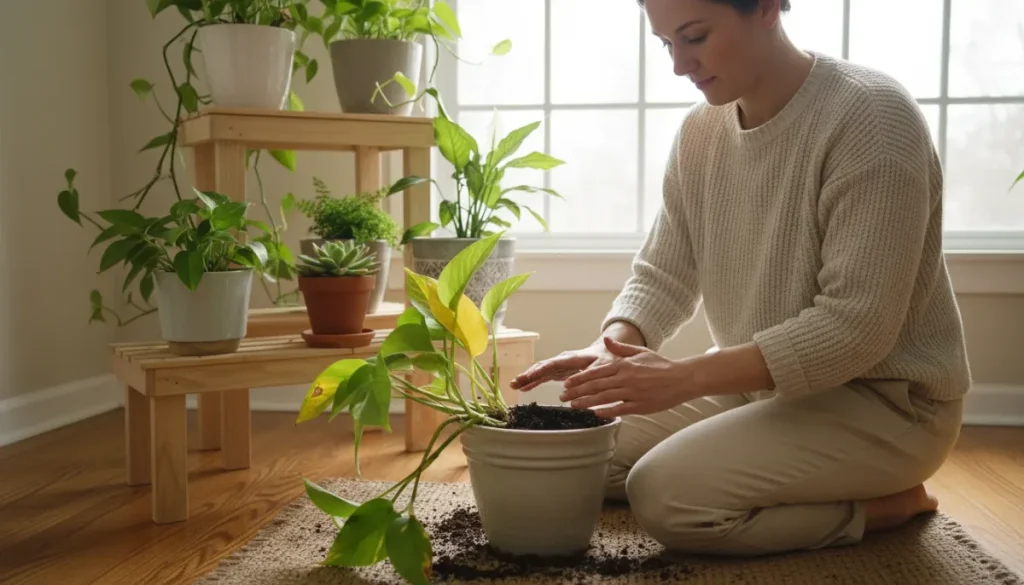
You poured water into the pot on Tuesday with every intention of following that same routine on Thursday. Then Thursday arrived, and the watering can never made it out of the cupboard. The doubt creeps in fast.
Is it okay if I don't water my plants for 2 days? In most cases, yes. Healthy houseplants are built to handle short dry spells.
Our research across university extension guides and commercial plant care sheets suggests that a 48-hour gap rarely causes lasting harm. What actually hurts indoor plants is the panicky half-gallon of water you dump once you remember. As of 2026, the standard advice still hasn't changed.
Check the soil, read the plant, and let the plant tell you what it needs.
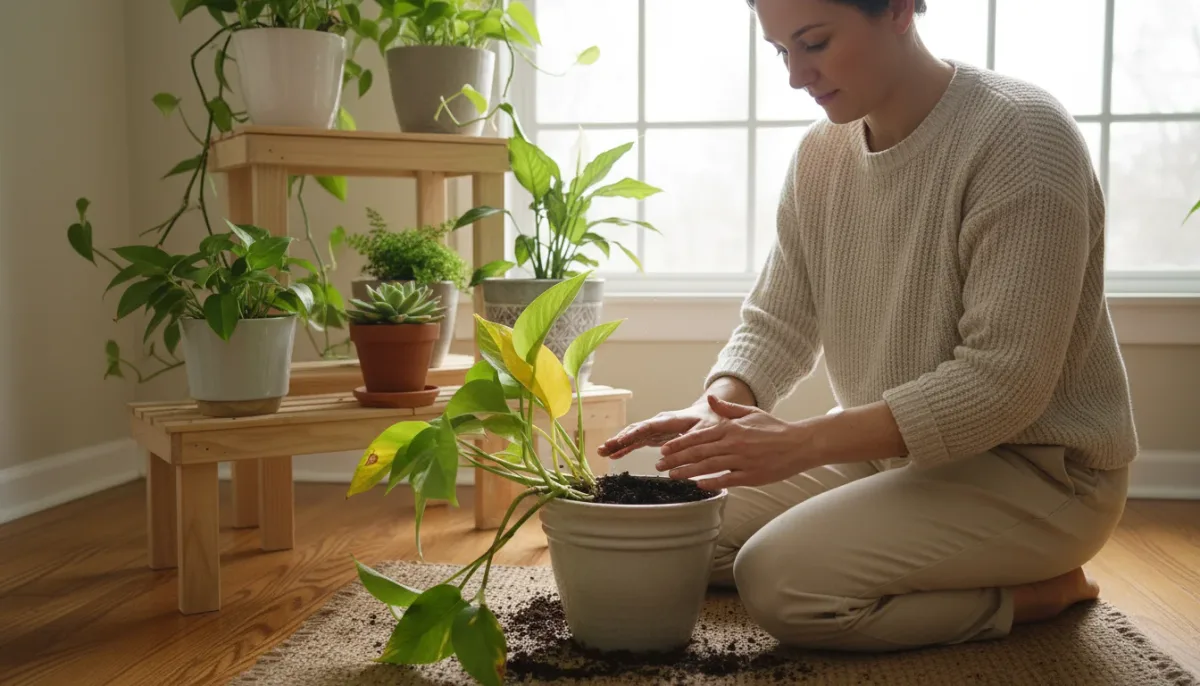
Image source: Web (Bing) / simplegardenjoy.com (Web image (fair-use with source credit))
Don't Panic: The Quick Answer Right Up Front
Is it okay if I don't water my plants for 2 days? For most houseplants, yes. A healthy plant handles a 48-hour gap without damage.
Succulents and snake plants barely notice. Thirsty tropicals may droop, but they recover.
The exception is when the plant was already stressed, the pot is tiny, or the room runs hot and dry. If none of those apply, you have nothing to worry about. Water when you get back to a normal routine.
What Two Days Without Water Really Means for Your Plants
When you skip watering, the soil starts drying from the top down. The roots closest to the surface stop absorbing, so the plant pulls from deeper moisture reserves. Different plants store water in different places.
Succulents hold it in their leaves. Spider plants store it in their fleshy roots. Monstera keeps it in its stems.
A two-day gap barely touches those reserves.
That mild dry spell even has a silver lining. Roots grow downward when the surface dries out. That helps the plant find moisture deeper in the pot, which makes it more resilient in the long run.
Here's what a typical plant goes through over that stretch:
| Time Since Last Watering | What You'll Notice |
|---|---|
| 0-12 hours | No visible change at all |
| 12-24 hours | Soil color lightens; leaves stay firm |
| 24-48 hours | Leaves may soften or curl on thirsty species |
| After watering | Most plants bounce back within 12-48 hours |
Outdoor plants show the same pattern. A lawn that skips two days of water during a heat wave turns dull, but it perks up right after the next rain. The bigger threat is a lawn that stays stressed for weeks.
Drought-weakened grass is exactly where pests like white grubs start causing real damage. Catching those pale, C-shaped larvae early means less damage overall. University extension research confirms that overwatering kills more houseplants than underwatering ever will, and the University of Minnesota Extension publishes the same warning for home growers.
The First Check: Soil Moisture and Potting Mix
Don't trust the calendar. Trust your fingers. That's the first rule of indoor plant watering.
Stick your index finger into the top inch of soil. If it comes out dry and no soil clings to it, watering is justified. If it comes out damp or even slightly cool, your plant is fine.
The confusing part is that the surface can look dry while the middle of the pot still holds moisture. So feel closer to the rootball, not just the top.
For a more accurate read, use a digital soil moisture meter. Push the probe down into the root zone and wait for the needle to settle. A reading of 3 or lower means the soil is dry.
Between 4 and 6, there's still usable moisture. Above 7, put the watering can down.
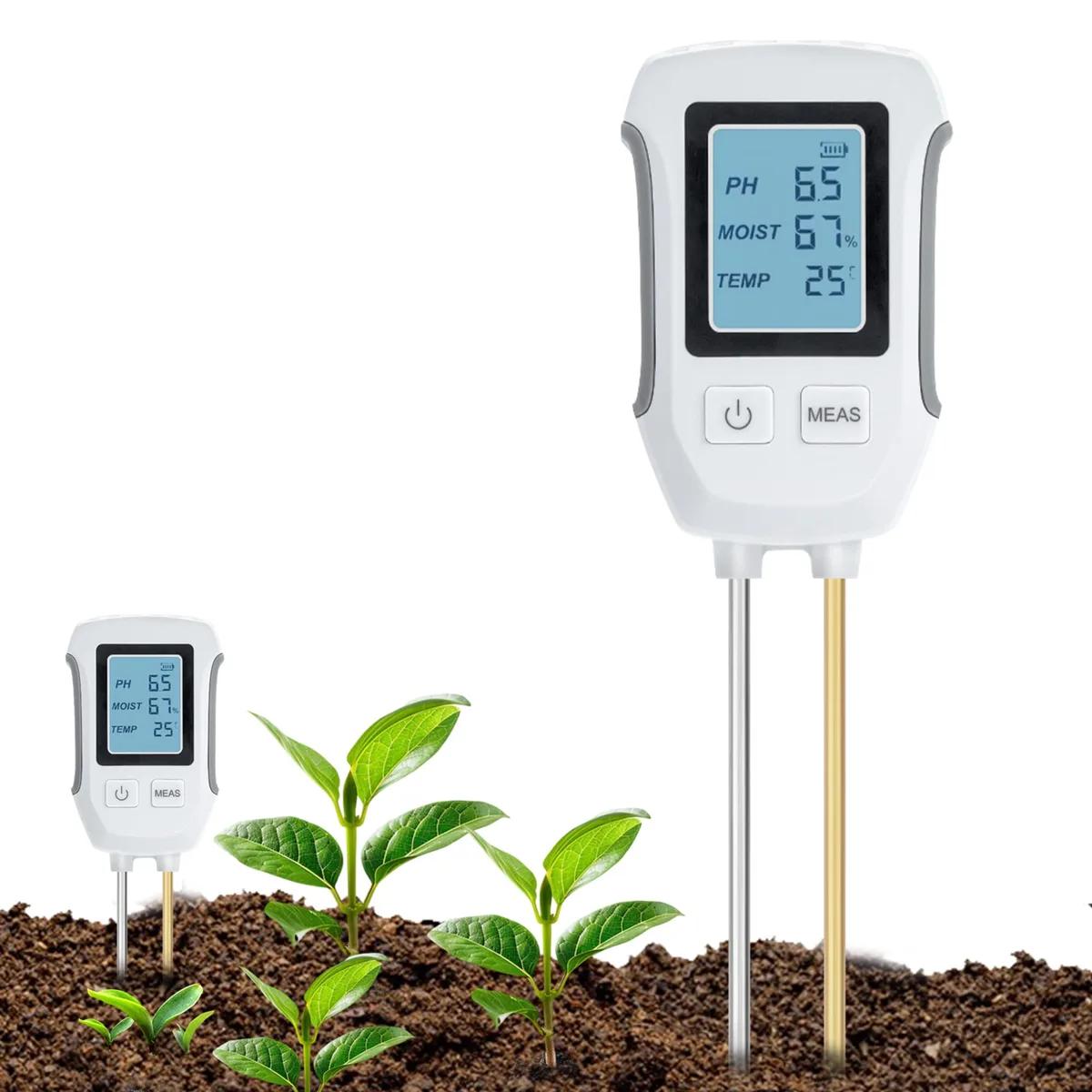
Image source: Web (Bing) / amazon.com.au (Web image (fair-use with source credit))
The potting mix changes how fast the soil dries. A chunky mix with bark and perlite drains quickly. That's perfect for philodendrons and monsteras.
A dense, peat-heavy blend holds water much longer. Cactus soil is almost instantly dry. If your plant sits in a dense mix, two days without water is rarely a problem.
If it's in a light, airy mix, it might need a drink sooner.
The Second Check: Plant Species and Thirst Level
The species matters far more than the schedule. A snake plant and a fern don't share the same watering calendar. Here's a quick reference for common houseplants:
| Plant Type | 2-Day Dry Tolerance | Notes |
|---|---|---|
| Succulents (jade, aloe, echeveria) | Excellent | Prefer even longer dry periods |
| Snake plant (Sansevieria) | Excellent | Enjoys fully dry soil |
| Pothos and philodendron | High | Leaves droop, then recover fast |
| Monstera | Good | Leaf edges soften but rebound |
| Fiddle-leaf fig | Moderate | Can drop leaves if stressed |
| Calathea and ferns | Low | Wilt quickly; keep them moist |
If you're unsure about your specific plant, look at its natural habitat. Plants from desert or rocky slopes store water in their leaves. Tropical understory plants expect steady moisture and show stress within a day.
Matching your care to that background beats any generic watering schedule.
The Third Check: Pot Type, Drainage, and Room Conditions
Your pot and your room decide how fast soil dries. Terracotta wicks moisture away through the clay. Plastic traps it inside.
A plant in a small terracotta pot in a dry, air-conditioned room might genuinely need water every other day. The same plant in a glazed plastic pot inside a humid bathroom could go a full week.
| Pot Material | How It Affects Drying Time | Best Suited For |
|---|---|---|
| Terracotta | Dries quickly | Succulents, cacti, snake plants |
| Plastic | Holds moisture longer | Tropicals, ferns, peace lilies |
| Glazed ceramic | Medium drying rate | Most houseplants |
| Fabric grow bags | Very fast drying | Outdoor containers only |
Room conditions change the math too. Forced-air heating in winter pulls moisture from the soil. Air conditioning in summer does the same.
A plant near a supply vent can look thirsty after two days, while an identical plant across the room stays perfectly moist. South-facing windows also dry soil faster than north-facing ones, simply because brighter light drives more water loss.
Outdoor pots face even more evaporation. Wind, direct sun, and wider temperature swings all speed up drying. If your container plants look rough after a dry week, don't jump to conclusions.
Check the soil first.
So the true answer to whether two days without water is fine comes down to three things: the pot, the room, and the plant. If the pot is plastic, the room is cool, and the plant is a succulent, two days is nothing. If the pot is terracotta, the room is hot, and the plant is a fern, two days might be borderline.
Check the soil, and you'll know in seconds.
Decision Branches: What to Do Based on What You Find
You've done the checks. Now here's the decision tree. It only takes a few seconds to pick the right branch.
| Condition You Found | What to Do |
|---|---|
| Top inch is dry, pot feels light, leaves firm | Water thoroughly, then wait |
| Top inch is dry, pot feels heavy | Hold off, deeper soil still holds moisture |
| Leaves are drooping, soil feels damp | Do not water. Let the pot dry out first |
| Leaves are drooping, soil is bone dry | Water immediately, ideally from the bottom |
| Soil pulled away from the pot edges | Soak from the bottom until the soil re-expands |
| Plant is rootbound and soil dries in one day | Consider watering or repotting soon |
If the soil is dry but the plant looks perfectly healthy, just give it a normal drink. No rescue needed. If the leaves have started to soften or droop, treat it as a mild dehydration event and follow the rehydration steps below.
When the plant still feels heavy and the soil reads moist, put the watering can back. That's the branch where most people accidentally drown their plants.
Step-by-Step: How to Safely Rehydrate a Slightly Stressed Plant
Watering stressed plants is simple. You just need to avoid making things worse.
- Move the plant out of direct sunlight.
- Fill a bowl or sink with lukewarm water, about two inches deep.
- Set the pot in the water, unglazed terracotta and pots with drainage holes work best.
- Let it soak for 30 minutes to an hour.
- Lift the pot, let the excess water drain completely.
- Return the plant to its spot and leave it alone.

Image source: Web (Bing) / aol.com (Web image (fair-use with source credit))
Bottom watering lets roots pull moisture upward instead of forcing water through dry, compacted soil. That's gentler on a thirsty plant. If the soil has pulled away from the pot's edges, top watering just runs straight down the sides and never touches the roots.
Soaking fixes that gap and lets the rootball rehydrate evenly.
After watering, give it at least 12 hours before checking again. Most plants show visible improvement within that window. If you don't see a change after two days, the issue probably isn't dehydration.
Common Mistakes to Avoid (Like Panic-Watering)
The biggest mistake is flooding a plant immediately after realizing you missed a watering day. Dry soil repels water at first. Pouring a cup of water on top just makes a little mud on the surface while the rootball stays dry underneath.
- Watering on autopilot every week, regardless of what the plant needs
- Adding liquid fertilizer to bone-dry soil, which can burn stressed roots
- Moving a stressed plant into a hot windowsill thinking it'll recover faster
- Repotting a wilted plant immediately, which only adds transplant shock
- Mistaking droop from overwatering for thirst, then drowning the plant
A two-day gap is rarely a crisis. Don't turn it into one by making harsh changes. Keep conditions consistent and let the plant rehydrate in its usual spot.
Plant-by-Plant Scenarios: Succulents, Tropicals, and Outdoor Pots
Every plant group reacts differently. Here's a quick breakdown.
| Group | 2-Day Skipped | Recovery Look | Best Care Approach |
|---|---|---|---|
| Succulents and cacti | Not even stressed | Plump leaves, same color | Water every 10-14 days |
| Tropicals (monstera, pothos, philodendron) | Mild droop, lower leaves soften | Leaves perk up in a few hours | Water when top inch is dry |
| Ferns and calathea | Noticeable wilting, crispy edges | Slower, needs humidity help | Water before soil fully dries |
| Outdoor container plants | Soil dries faster in wind and sun | Leaf sag, possible browning | Check daily in summer heat |
Succulents secretly enjoy the neglect. A two-day pause just makes their soil more like their native desert conditions. Tropicals will forgive you quickly as long as you catch them before the leaves turn crisp.
Ferns are the drama group. They wilt visibly but usually bounce back after a good soak.
For outdoor pots, treat the two-day gap as an average scenario. Bright sun and wind dry out small containers within 24 hours. If your outdoor plants are struggling, the issue often runs deeper than a missed watering, such as poor drainage or compacted roots.
Checking the soil first always beats guessing.
When It's Actually a Problem: Warning Signs to Take Seriously
Sometimes two days without water is the tipping point, especially for an already stressed plant. Here's when you should actually worry.

Image source: Web (Bing) / stockcake.com (Web image (fair-use with source credit))
- Leaves are brown and crunchy, not just soft
- More than one leaf drops in the first few hours after watering
- The stem looks shriveled or bends easily
- New growth is turning yellow or translucent
- The pot smells sour or musty after you water
Soft droop is a sign of dehydration. That's reversible. Brown and crisp means the plant has passed that stage, and those affected leaves won't come back.
If the soil is still soggy while the leaves look wilted, that's the other problem. Overwatering causes roots to suffocate, and the plant can't drink water it doesn't need.
One bad week won't kill a healthy plant. Houseplants are survivors. But repeated dry spells and panic waterings will stress them out over time, leaving them vulnerable to pests and disease.
If your lawn also shows the same stressed, brown patchiness, the cause might not be water. Grass that stays limp despite regular watering may have a grub problem instead. Checking the roots early makes it easier to repair worn patches before they spread.
Longer Gaps: Building Drought Tolerance for Travel and Busy Weeks
A two-day gap is nothing. The real goal is making plants resilient enough to handle a full week.
Start slowly. Let the soil dry out a bit more between waterings over a few weeks. Most houseplants adjust.
Succulents and snake plants already prefer it. Tropicals grow more slowly but develop deeper roots. Deeper roots reach moisture for longer stretches.
Use self-watering pots for longer trips. The reservoir releases water gradually through wicking. That keeps soil consistently damp without drowning the roots.
For a vacation, move plants out of direct sunlight and group them together. Fill each saucer with a little water to raise humidity and slow drying.
Outdoor containers behave differently. Wind and sun dry small pots within a day. If you're leaving for a weekend, soak the plants first and move them to shade.
Lawns face their own version of this. A dry week during summer heat can make grass look dead when it's actually just dormant. Before reaching for any treatment, check for early signs of grubs.
Grub damage looks similar to drought stress, so confirming the cause matters. If larvae are there, a late-summer treatment targets the next generation. Water alone won't bring back chewed-off root systems, but good timing can stop the problem from repeating.
Frequently Asked Questions
Will two days without water kill my plants?
No. Healthy houseplants handle a 48-hour gap. Succulents, snake plants, and pothos won't even show stress.
Only fragile species like ferns may wilt, and they recover after a thorough watering. If the soil was moist before you left, most plants won't notice the skipped day.
How can I tell if my plant needs water?
Stick a finger one inch deep into the potting mix. Damp and cool means wait. Dry and crumbly means water.
You can also lift the pot. A dry pot feels noticeably lighter than a moist one. That weight check is free and takes two seconds.
Is it better to underwater or overwater?
Underwatering is easier to fix. Drooping leaves perk up within hours after a good soak. Overwatering suffocates the roots and often leads to rot.
That's harder to reverse. If you're unsure, wait an extra day.
Can I use a moisture meter instead of my finger?
Yes. A digital moisture meter gives you a number between 1 and 10. Readings under 3 mean dry.
Between 4 and 6 means there's usable moisture. Always insert the probe to mid-root depth, not just the surface.
What do I do if my plant looks wilted after two days?
Check the soil first. If it's bone dry, bottom water for 30 minutes. If it's still damp, hold off, because wilting can also come from overwatering.
Then let the plant rest in stable conditions. Recovery takes 12 to 48 hours.
The Final Verdict: Yes, Probably, With These Exceptions
Is two days without water okay? Yes, for most plants. Healthy plants in moderate rooms handle it.
Succulents barely care. Ferns and calatheas might fuss, but they usually bounce back.
The decision comes down to three factors: the soil moisture, the plant species, and your room's conditions. Check the soil first. If it's still damp, skip the water.
If it's dry and leaves are soft, give it a good soak from the bottom. Two days is not a crisis. It's a normal part of plant care.
Learn to read the signs, and you'll stop worrying about the exact day on the calendar.