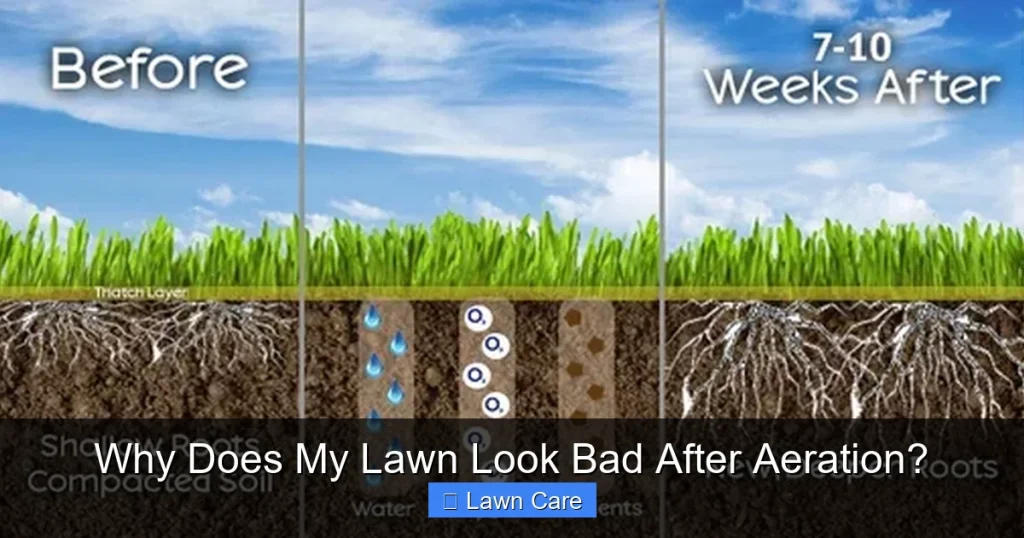
Don’t panic if your lawn looks rough after aeration! While it might seem counterintuitive, the temporary mess is a sign of healthy soil improvement. This guide explains the common reasons your lawn looks bad after aeration and offers practical tips for speedy recovery and a greener, lusher future.
So, you’ve just aerated your lawn, and the immediate aftermath looks… well, not great. Brown patches, scattered soil plugs, and an overall disheveled appearance might have you questioning if you made a mistake. It’s a common concern, and if you’re asking yourself “Why does my lawn look bad after aeration?”, you’re definitely not alone. Many homeowners experience this initial shock, but I’m here to tell you that this temporary “bad” look is actually a sign that good things are happening beneath the surface.
Think of it like a mini-surgery for your lawn. You wouldn’t expect a patient to look their best immediately after surgery, right? Aeration is similar. It’s a crucial process designed to improve your lawn’s health from the roots up, and the visible signs of this process can be a bit jarring at first. The good news is that with the right knowledge and a little patience, your lawn will rebound and look healthier than ever.
Let’s dive into the reasons why your lawn might be looking a little rough right now and what you can do to speed up its recovery. Understanding the “why” will help you appreciate the “how” your lawn is getting better.
- Visible Soil Disruption: Aeration pulls up soil cores, creating a temporary uneven and unsightly appearance.
- Grass Stress: The process can stress existing grass blades, leading to wilting or browning.
- Weed Opportunities: Exposed soil can attract opportunistic weeds if not managed properly.
- Weather Impact: Unfavorable weather conditions post-aeration can exacerbate the “bad” look.
- Overseeding Benefits: Overseeding after aeration is crucial for filling in thin spots and promoting new growth.
- Proper Aftercare is Key: Consistent watering, appropriate fertilization, and avoiding heavy traffic are vital for recovery.
- Patience is a Virtue: A lawn’s true improvement from aeration takes time, usually several weeks.
Quick Answers to Common Questions
Why does my lawn look patchy after aeration?
Your lawn might look patchy after aeration because the process pulls up soil cores, exposing bare spots. Additionally, the grass itself can experience some temporary stress, leading to wilting or browning in certain areas.
Will my grass die after aeration?
It’s highly unlikely that your grass will die from aeration if done correctly. The process can cause temporary stress and some browning, but this is usually a sign of recovery and improved root activity, not death.
How long does it take for the soil plugs to disappear?
Soil plugs typically break down and disappear within a few days to a week, depending on weather conditions and whether the lawn is watered or gently raked.
Can I still mow my lawn after aeration?
You should wait until the soil plugs have broken down and the grass has had a chance to recover before mowing again. Typically, this is about 3-4 days after aeration, but always check your specific situation.
What should I do if weeds start growing after aeration?
If weeds start growing in the exposed soil after aeration, you can carefully spot-treat them with an appropriate herbicide or hand-pull them to prevent them from establishing and competing with your grass.
📑 Table of Contents
The Immediate Aftermath: What You’re Seeing (and Why)
After the aeration machine has done its work, you’ll likely notice several things that contribute to the less-than-pristine appearance. It’s important to understand that these are normal, albeit temporary, side effects of a beneficial process.
Soil Plugs and Unevenness
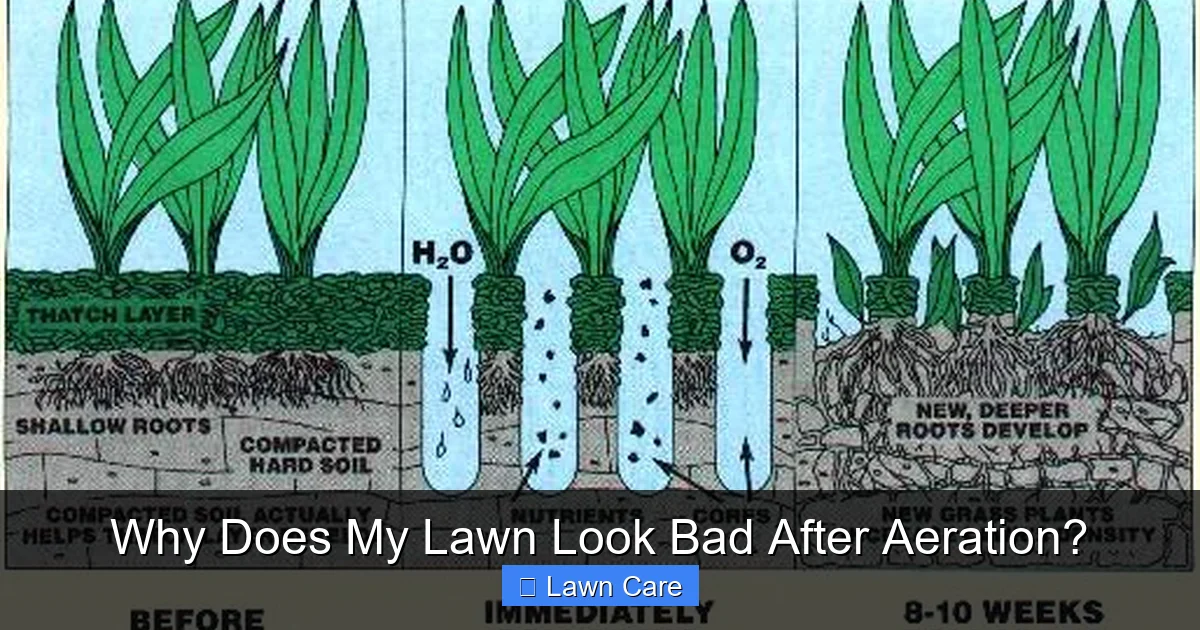
The most obvious sign of aeration is the presence of soil cores, or “plugs,” pulled up from the ground. These are small cylinders of soil and thatch that have been extracted. While they look messy, they serve a vital purpose. These plugs break down naturally over a few days, releasing nutrients back into the soil and allowing air, water, and nutrients to penetrate the compacted layers beneath. The initial unevenness created by these plugs can make the lawn appear bumpy and untidy.
Grass Stress and Browning
The process of aeration involves physically disturbing the soil and the grass roots within it. This can cause some stress to the existing grass blades. You might see some wilting, slight browning, or a general tired look to the turf. This is akin to a plant experiencing a bit of shock. The roots have been slightly agitated, and the grass needs a little time to recover and re-establish itself. Don’t confuse this temporary stress with permanent damage; it’s a natural part of the healing process.
Exposed Soil Areas
As the soil plugs are pulled up, they expose small patches of bare soil. This is particularly noticeable in areas where the grass was already thin. These exposed areas can make the lawn look patchy and less dense. They also present an opportunity for weeds to sprout if left unaddressed.
Why Aeration is Worth the Temporary Mess
Visual guide about Why Does My Lawn Look Bad After Aeration?
Image source: alaskapremierservices.com
Even though your lawn might look bad after aeration right now, it’s essential to remember the incredible benefits this process provides. Aeration is not about making your lawn look good *immediately*; it’s about setting it up for long-term health and resilience.
Combating Soil Compaction
Over time, foot traffic, heavy machinery, and even natural soil settling can lead to compacted soil. Compacted soil is like a clenched fist for your grass roots – it’s hard for them to grow, access water, and absorb nutrients. Aeration creates small holes, relieving this compaction and allowing roots to spread more easily. This improved root development is fundamental for a thicker, healthier lawn. It directly addresses issues like why water pools in certain lawn areas, as improved soil structure allows for better drainage.
Enhancing Nutrient and Water Penetration
When soil is compacted, water and fertilizers tend to run off the surface or sit stagnant, rather than soaking in. The holes created by aeration act as channels, allowing water, air, and essential nutrients to reach the root zone effectively. This means your grass gets the nourishment it needs to thrive, leading to deeper green color and improved vigor.
Improving Air Circulation
Roots, just like the green blades above, need oxygen to survive and function. Compacted soil suffocates the roots by limiting air circulation. Aeration introduces air into the soil, promoting healthier root respiration and overall plant health.
Reducing Thatch Buildup
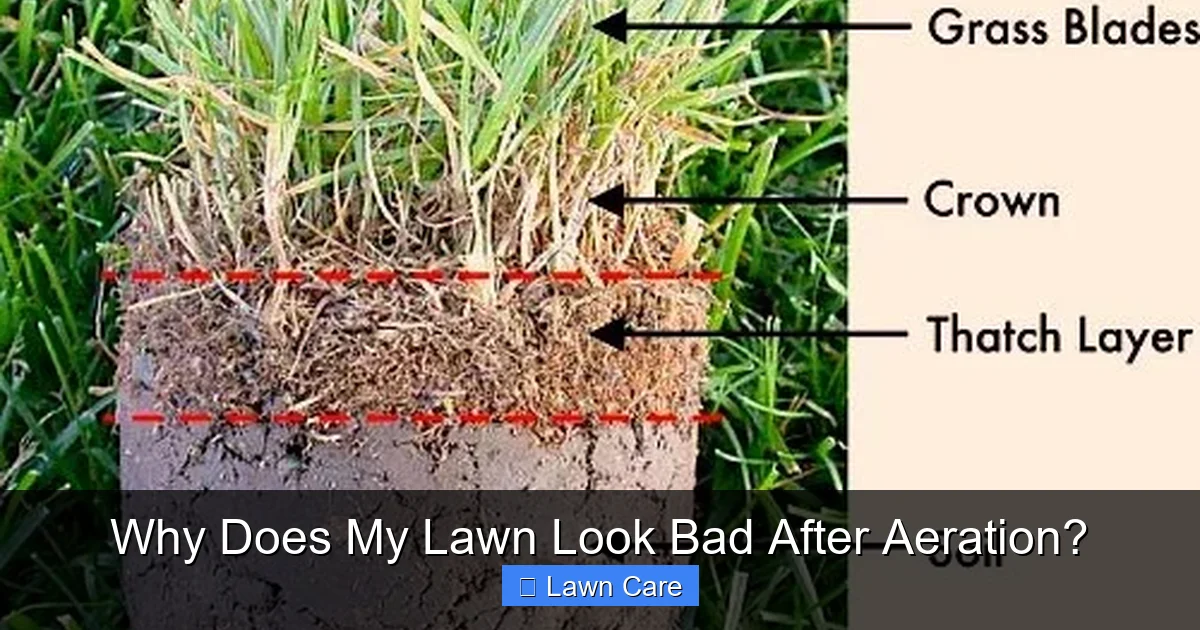
Thatch is a layer of dead and living organic matter that accumulates between the grass blades and the soil surface. A thin layer is beneficial, but excessive thatch can block sunlight, water, and air, creating a breeding ground for pests and diseases. Aeration helps to break up and incorporate this thatch layer into the soil, where it can decompose. While aeration isn’t a direct dethatching process, it complements it well. For a deeper dive into what your lawn might need, consider understanding the difference between aeration vs. dethatching.
Factors Influencing Your Lawn’s Post-Aeration Appearance
Visual guide about Why Does My Lawn Look Bad After Aeration?
Image source: transform.octanecdn.com
Several factors can influence just how “bad” your lawn looks immediately after aeration and how quickly it recovers. Being aware of these can help manage expectations and tailor your aftercare.
Type of Aerator Used
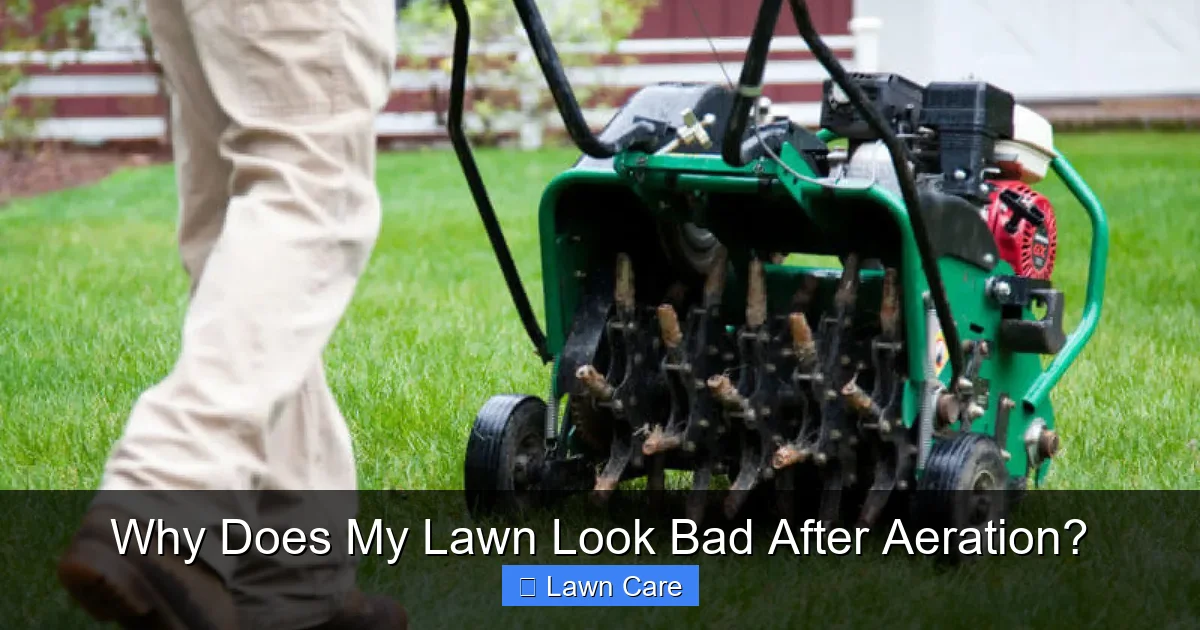
There are two main types of aerators: core aerators and spike aerators. Core aerators pull out plugs of soil, which is generally more effective but can look messier initially. Spike aerators push spikes into the ground, creating holes without removing soil. While less disruptive in appearance, spike aeration can sometimes compact the soil around the holes, making it less beneficial for severe compaction. If you used a core aerator, the initial “bad” look is expected.
Soil Type and Moisture Content
Your soil’s composition plays a role. Clay soils tend to hold moisture and can produce larger, more distinct plugs. Sandy soils might produce smaller plugs and dry out faster. The moisture content of your soil at the time of aeration is also critical. If the soil is too wet, it can create mud and make the plugs smear. If it’s too dry, the plugs might not be pulled out cleanly. The ideal condition is moist, but not saturated.
Time of Year and Weather Conditions
Aerating during your lawn’s active growing season (spring or fall for cool-season grasses, late spring/early summer for warm-season grasses) is crucial for quick recovery. If you aerate when the grass is dormant or stressed by heat or drought, it will take much longer to bounce back. Unfavorable weather post-aeration, like a sudden heatwave or heavy downpour, can also hinder recovery and make the lawn look worse for longer. Conversely, ideal growing conditions will speed up the green-up.
Grass Type and Health
Different grass types have varying recovery rates. St. Augustine grass, for example, is a warm-season grass that spreads aggressively and can often recover quickly. Cool-season grasses like Fescue or Ryegrass might show the effects of stress for a bit longer. The overall health of your lawn before aeration is also a factor. A healthy, well-established lawn will rebound much faster than a weak or struggling one.
Essential Aftercare Steps for a Speedy Recovery
Visual guide about Why Does My Lawn Look Bad After Aeration?
Image source: prudentreviews.com
The key to transforming your lawn from “bad after aeration” to “great” lies in proper aftercare. Don’t just aerate and forget! These steps are vital for encouraging healing and new growth.
Watering is Crucial
After aeration, your lawn will need consistent watering to help the soil settle and encourage new root growth. Water deeply but less frequently, ensuring the moisture penetrates the soil to the depth of the aeration holes. Avoid shallow watering, which encourages shallow root systems. Generally, aim for about 1 inch of water per week, either from rain or irrigation. It’s important to know should you water your lawn right after aeration to ensure optimal results.
Fertilizing Wisely
Applying a balanced lawn fertilizer after aeration can give your grass the nutrients it needs to recover and grow vigorously. Look for a fertilizer with a good balance of nitrogen, phosphorus, and potassium. Nitrogen promotes green growth, phosphorus aids root development, and potassium helps with overall plant health and stress tolerance. Using the best lawn fertilizer after aeration will significantly impact its recovery.
Overseeding for Fullness
Aeration is the perfect time to overseed, especially if your lawn is looking thin. The newly created holes provide excellent seed-to-soil contact, dramatically increasing germination rates. Spread a quality grass seed over the entire lawn, focusing on any bare or thin patches. This will help fill in the gaps and create a denser, more uniform lawn as the grass grows in.
Raking the Soil Plugs
While many soil plugs will break down on their own, gently raking the lawn a few days after aeration can help speed up the process. This also helps to distribute the soil from the plugs, which can be beneficial for overseeding. It’s important to know should lawn be raked after aeration to avoid damaging the grass.
Avoid Heavy Traffic
Your lawn is in a vulnerable state after aeration. Try to avoid heavy foot traffic, mowing too soon, or allowing children and pets to play on it excessively until it has recovered. This gives the grass and roots a chance to heal without further stress. You’ll need to know how long to wait to mow lawn after aerating before resuming your regular mowing schedule.
Patience: The Most Important Aftercare Step
Perhaps the most crucial element when your lawn looks bad after aeration is patience. It doesn’t transform overnight. The initial disruption is a necessary step towards a healthier, more robust lawn.
The Timeline for Recovery
Visible improvements usually start to appear within 1-2 weeks, especially if conditions are favorable. You’ll begin to see greener grass emerging, and the soil plugs will largely disappear. However, for the full benefits of aeration to become apparent – denser growth, better color, and improved resilience – it can take anywhere from 4 to 8 weeks, or even longer. Understanding how long does it take to see results from lawn aeration can help set realistic expectations.
Comparing Before and After
It can be helpful to take “before” photos. Once your lawn starts to rebound, look back at those initial photos. You’ll likely be amazed at the difference. The temporary mess will fade, replaced by stronger, healthier turf that is better equipped to handle stress like drought, heat, and disease.
In conclusion, if your lawn looks bad after aeration, take a deep breath. This is a normal part of the process. The disheveled appearance is a temporary sacrifice for long-term lawn health. By understanding the reasons behind the mess and implementing consistent aftercare, you’re paving the way for a greener, lusher, and more resilient lawn. Embrace the process, be patient, and soon you’ll be enjoying the fruits of your labor – a beautiful lawn that’s the envy of the neighborhood.
Frequently Asked Questions
Is it normal for my lawn to look worse after aeration?
Yes, it is completely normal for your lawn to look worse immediately after aeration. The process involves disturbing the soil and can leave behind soil plugs, making the lawn appear uneven and messy. This is a temporary phase before the lawn starts to recover and improve.
How can I speed up my lawn’s recovery after aeration?
To speed up recovery, ensure your lawn is consistently watered, apply a suitable fertilizer, and consider overseeding. Gentle raking of the soil plugs can also help, and avoiding heavy traffic on the lawn is important during this recovery period.
What is the biggest benefit of aeration, even if the lawn looks bad initially?
The biggest benefit is the reduction of soil compaction, which allows for better air, water, and nutrient penetration to the grass roots. This promotes stronger root growth and leads to a healthier, more resilient lawn in the long run.
When is the best time to aerate my lawn?
The best time to aerate depends on your grass type. For cool-season grasses (like Fescue, Ryegrass, Bluegrass), late summer to early fall is ideal. For warm-season grasses (like Bermuda, Zoysia, St. Augustine), late spring to early summer is recommended.
Will aeration help with drainage issues?
Yes, aeration significantly helps with drainage issues by breaking up compacted soil layers. The holes created allow water to penetrate the soil more effectively, reducing surface pooling and improving overall lawn health. This directly addresses does aeration help with lawn drainage.
How often should I aerate my lawn?
For most lawns, aerating once a year is sufficient, especially if you have compacted soil. If your soil is severely compacted, you might consider aerating twice a year, but typically, annual aeration is recommended for consistent improvement.