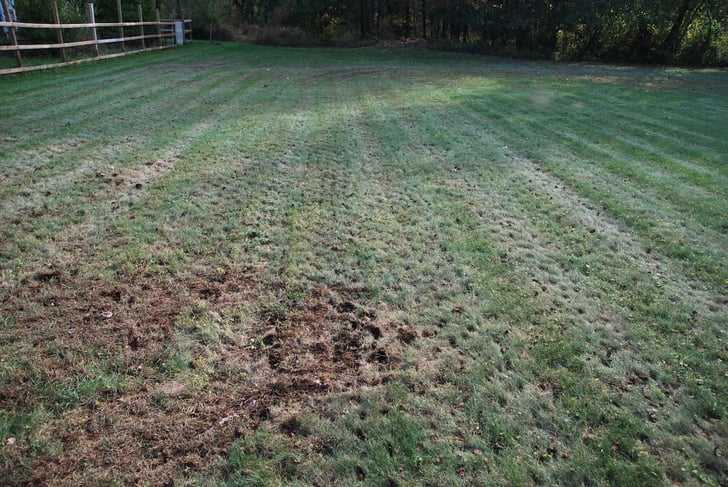
Yes, aeration significantly improves lawn drainage by relieving soil compaction and creating channels for water to flow more freely. It’s a simple yet effective step to prevent waterlogging and promote a healthier, greener lawn.
Aeration helps with lawn drainage by loosening compacted soil, allowing excess water to drain away more efficiently and preventing standing water that can damage grass roots. When soil becomes dense and compacted, water has difficulty penetrating and moving through the soil, leading to poor drainage and saturated patches. Regular aeration punctures the soil with small holes, which not only improves water movement but also enhances air exchange and nutrient absorption. If your lawn tends to stay soggy after rain or watering, aeration can be a game-changer, giving you a healthier, more resilient yard. It’s an investment that pays off in both improved drainage and overall lawn health.

Does Aeration Help with Lawn Drainage?
Many homeowners struggle with soggy lawns that don’t drain well after rain. Aeration offers a popular solution that can improve how your lawn handles excess water. Understanding how aeration affects drainage helps you decide if it’s the right choice for your yard.
What Is Lawn Aeration?
Lawn aeration involves creating small holes in the soil to allow air, water, and nutrients to reach the roots. This process is usually performed with a specialized tool called an aerator. It works by removing small plugs or cores of soil from the grass.
Many people aerate their lawns in spring or fall when the grass is actively growing. Aeration helps to loosen compacted soil that can block water movement and root growth. This process is especially effective for lawns with heavy clay or compacted soil types.
How Does Aeration Improve Lawn Drainage?
Breaking Up Compact Soil
One main reason lawns drain poorly is soil compaction. Heavy foot traffic or frequent watering can compact soil, making it dense and hard for excess water to escape. Aeration loosens this compacted layer, creating tiny channels for water to flow freely.
Increasing Soil Porosity
Porosity refers to how well soil allows air and water to pass through it. Aeration increases soil porosity by making small holes that serve as pathways for water to drain. Better porosity reduces puddles and soggy patches after rain or watering.
Enhancing Root Growth
Healthy roots absorb water efficiently. When aeration improves soil conditions, roots can grow deeper and stronger. Stronger roots help the lawn to absorb and drain excess water more effectively, reducing standing water issues.
The Science Behind Aeration and Drainage
Soil Permeability and Drainage
Soil permeability is how easily water passes through soil layers. Aeration increases permeability by opening up channels, especially in dense soils like clay. This results in improved drainage and prevents waterlogging.
Reduction of Thatch Layer
Thatch is a layer of dead grass and roots that can build up on your lawn’s surface. Too much thatch can prevent water from reaching the soil. Aeration helps break down thatch, allowing water to penetrate the soil better.
Types of Aeration and Their Effects on Drainage
Spike Aeration
This involves piercing the soil with solid spikes. It’s quick but may not be as effective in loosening soil deeply. Spike aeration can help surface drainage but is less beneficial for compacted soils.
Core Aeration
This method removes small plugs of soil, creating significant openings for water movement. Core aeration is considered the most effective for improving drainage, especially in compacted or clay soils.
Liquid Aeration
Liquid aeration uses chemical solutions or foams to break up compacted soil. While easier to apply, it may not have as lasting an effect as core aeration on drainage improvements.
How Often Should You Aerate for Better Drainage?
The frequency depends on soil type and lawn conditions. Generally, lawns with heavy foot traffic or clay soils benefit from aeration once or twice a year.
- Clay soils: aerate once every year or two
- Loamy or sandy soils: aerate every two to three years
- High traffic or compacted lawns: consider aerating annually
Additional Tips to Improve Lawn Drainage
Topdressing with Organic Material
Adding compost or organic matter on top of your lawn can improve soil quality and drainage. It encourages healthy microbial activity and loosens dense soil layers.
Adjusting Watering Practices
Overwatering can worsen drainage problems. Water less frequently but deeply, allowing the soil to absorb moisture and drain naturally.
Addressing Low Spots and Lawn Grading
Correcting uneven terrain or low areas helps water flow away from your lawn efficiently. Proper grading ensures proper slope for drainage.
Common Myths About Lawn Aeration and Drainage
Myth 1: Aeration fixes all drainage problems
Aeration can significantly improve drainage, but it’s not a cure-all. Other factors like grading, soil type, and watering habits also influence drainage.
Myth 2: Aeration damages the lawn
When done properly, aeration is safe and actually benefits your lawn’s health. Avoiding over-aerating prevents stress on the grass.
Myth 3: Aeration is only for lawns with waterlogging issues
It can help lawns with drainage problems, but aeration also improves overall grass health and root development. It’s beneficial even if your lawn isn’t waterlogged.
Choosing the Right Aeration Equipment
Manual vs. Power Aerators
Manual tools like spike shoes are suitable for small lawns. Power aerators are better for large areas and provide more consistent results.
Rental vs. Professional Service
Renting aerators is cost-effective, but professional aeration ensures thorough coverage and proper timing, especially for challenging soil types.
Environmental Benefits of Proper Lawn Drainage
Good drainage reduces the risk of standing water, which can breed mosquitoes and attract pests. It also prevents runoff pollution and promotes healthier plants.
Summary of Key Points
Aeration creates small holes that help water escape tightly compacted or dense soils. It works by increasing soil porosity and reducing thatch, making drainage faster and more effective. Regular aeration is essential for maintaining a healthy, well-draining lawn.
Related Topics
- Benefits of Lawn Overseeding
- How to Fix Lawn Erosion
- Best Fertilizers for Lawns
- Watering Tips for a Lush Lawn
Ultimately, aeration is a proven method to improve lawn drainage by loosening soil and promoting healthy root growth. Proper timing and technique make a significant difference in how well your yard handles excess water and stays healthy year-round.
Frequently Asked Questions
Can aeration prevent water from pooling on my lawn?
Yes, aeration helps reduce water pooling by creating openings in the soil that improve drainage. This process allows excess water to escape more easily, preventing areas of standing water after heavy rains or overwatering.
How does aeration affect the soil structure to improve drainage?
Aeration breaks up compacted soil, increasing pore space and enhancing air and water movement. This improved soil structure allows water to soak in more quickly and drain away efficiently, reducing issues with water retention.
Is aeration effective for lawns with clay soil in terms of drainage?
Absolutely. Clay soils tend to retain water and become compacted easily. Aeration alleviates this compaction by creating air passages, which significantly enhances drainage and prevents waterlogging in clay-based lawns.
Final Thoughts
Aeration improves lawn drainage by creating holes that allow excess water to escape more easily. This process reduces soil compaction and encourages deeper root growth. As a result, water moves through the soil more efficiently, preventing waterlogging.
Does aeration help with lawn drainage? Yes, it does. Regular aeration maintains healthy soil structure, ensuring your lawn dries quickly after rain. Keep up with aeration to keep your lawn lush and well-drained.