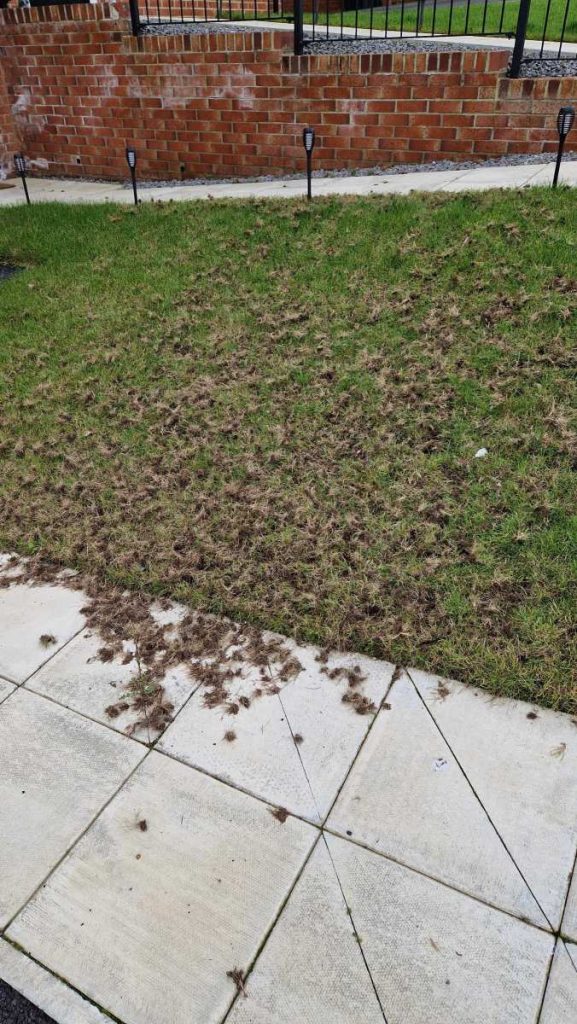
Birds invading your lawn can be both puzzling and frustrating, especially when they start pecking at your grass or seeds. The quick answer is that birds may be attracted to your lawn because of the availability of food, insects, or even the soil itself. Providing food sources like seeds or insects makes your yard a tempting buffet for them, and their natural curiosity leads them to explore further.
Many homeowners notice birds pecking at their grass or digging up their lawn and wonder why. Usually, it’s because birds are searching for food, such as insects or seeds hidden in the soil, or for nesting material. Sometimes, they’re simply curious or mistaking your lawn for a natural food source. Understanding these motivations can help you figure out how to discourage unwanted bird activity while keeping your yard healthy and beautiful.
If birds are eating your lawn, it’s likely because they find it a resource-rich environment. Their behaviors are driven by their need to find food or nesting spots, which means adjusting your yard’s attractiveness or offering alternative food sources can help keep them at bay. Recognizing the why behind their actions makes managing their presence easier and more effective.

Why Are Birds Eating My Lawn? Understanding the Reasons Behind Bird Activity on Your Property
Introduction to Bird Behavior and Lawn Damage
Birds are fascinating creatures that add beauty and liveliness to any yard. However, sometimes they cause unexpected damage by pecking at or digging up your lawn. Understanding why birds target your grass can help you manage and protect your yard effectively.
Common Types of Birds That Eat Grass and Dig Up Lawns
Several bird species are known to eat grass or disturb lawns. These include:
- Gulls and seagulls: Often seen digging for food or insects.
- Starlings and blackbirds: Known to forage on the ground and peck at grass.
- Turkeys: They scratch and forage, causing visible patches.
- Robins and thrushes: Search for worms and insects in the soil.
Knowing which birds are involved can help you address specific behaviors more effectively.
Why Do Birds Eat or Dig Up Grass? The Main Reasons
Birds target lawns for several important reasons. These are usually driven by their natural instincts and needs.
Searching for Food Resources
Many birds dig into lawns to find insects, worms, and grubs. These small creatures provide essential nutrients, especially during breeding seasons when birds need extra energy.
Foraging for Grains and Seeds
Birds such as sparrows and finches might eat grass seeds or leftover grains. If your lawn has patches of exposed soil or seed remnants, it can attract these birds.
Building Nests and Roosting
Some bird species use grass or fallen twigs to build nests. Although this usually doesn’t damage lawns, it can lead to increased activity on your property.
How Bird Feeding Habits Impact Lawn Damage
Birds that are fed intentionally or unintentionally find lawns full of insects or seed remnants especially appealing. Overfeeding birds can lead to larger populations, which increase the chances of lawn disturbance.
Impact of Overfeeding
Feeding birds regularly can make your yard a go-to spot for birds seeking food. This increases their activity, resulting in more pecking, digging, and patchy lawns.
Unintentional Attractants
Leaving out scraps, seed spills, or bird feeders can draw more birds. These attractants encourage birds to spend more time on your lawn, increasing the chance of damage.
Environmental Factors That Encourage Birds to Dig
Certain environmental conditions make lawns more appealing or accessible to birds.
Soil Moisture and Insect Availability
Wet soil or areas rich in insects naturally attract birds searching for easy meals. After rain, worms and insects become more abundant near the surface, tempting foraging birds.
Seasonal Changes and Bird Behavior
During migration seasons or breeding periods, bird activity increases. They forage more intensely, often digging or pecking at lawns in search of food.
Signs That Birds Are Causing Lawn Damage
Recognizing bird-related lawn damage helps differentiate it from other problems like pests or disease.
- Patches where grass is pecked or dug up
- Presence of bird droppings or feathers around the yard
- Increased bird activity during early mornings and late afternoons
- Visible soil disturbances with no signs of pests like moles or insects
Being able to identify bird activity allows for more targeted management strategies.
Effective Strategies to Prevent or Minimize Bird Damage
You can take several steps to discourage birds from disturbing your lawn while maintaining a bird-friendly environment.
Modify Bird Attractants
Reduce clutter and leftover seed spills that attract birds. Clean up fallen seeds and avoid overfeeding.
Use Physical Barriers
Install netting or bird spikes over vulnerable areas. These prevent birds from landing or digging in specific spots.
Implement Scare Tactics
Use visual deterrents like reflective tape, scare-eye balloons, or fake predators. Change these deterrents regularly for effectiveness.
Alter Lawn Maintenance Practices
Avoid watering excessively or leaving areas of exposed soil. Maintain healthy, dense grass to make foraging less fruitful.
Provide Alternative Food Sources
Create bird-friendly zones away from your lawn with bird feeders, ensuring birds get their nourishment without damaging your grass.
Natural and Non-Harmful Methods to Protect Your Lawn
If you prefer eco-friendly solutions, consider:
- Planting bird-resistant plants: Use dense shrubs or ground cover that discourages digging.
- Using sound deterrents: Ultrasonic devices or noise makers can scare birds away gently.
- Implementing habitat modifications: Remove debris and simplify your yard’s landscape to reduce bird attractions.
Always prioritize methods that do not harm the birds, keeping your yard eco-conscious.
Long-Term Solutions for a Bird-Resistant Lawn
Establishing a sustainable plan ensures your lawn remains intact over time.
Maintain Healthy Grass
Lush, thick grass discourages birds from digging and pecking. Regular fertilization and proper watering promote healthy lawns.
Regular Lawn Inspection
Frequent checks help you identify early signs of bird activity and take corrective action promptly.
Create Alternative Feeding Areas
By placing bird feeders away from your lawn, you can satisfy their foraging needs elsewhere, reducing lawn disturbance.
Educate and Involve Your Community
Sharing knowledge about bird behavior and lawn protection can foster community efforts to manage bird activity collectively.
Related Topics to Consider
Additional factors influence bird behavior and lawn health. These include:
- Controlling pests naturally: Reduce insect populations that attract birds.
- Understanding bird species behaviors: Different species have unique foraging patterns and habits.
- Creating bird-friendly gardens: Balance protecting your lawn with maintaining an inviting habitat for native birds.
By exploring these related topics, you can develop a comprehensive approach to managing your yard.
Deciphering why birds are eating or digging in your lawn involves understanding their natural behaviors, environmental factors, and available food sources. Implementing humane deterrents and making your yard less attractive to foraging birds can significantly reduce lawn damage. With patience and consistent effort, you can enjoy a healthy, bird-friendly yard without the unwanted disturbances.
Why Are The Birds DIGGING UP My Lawn??
Frequently Asked Questions
What types of birds are commonly seen feeding on lawns?
Many birds, such as sparrows, blackbirds, robins, and starlings, are often seen pecking at lawns. These birds are primarily attracted to the insects, worms, and grubs found in the soil beneath the grass. Their feeding habits can vary based on the season and local bird populations, but these species are some of the most common visitors to lawns seeking food.
Could the presence of insects be attracting birds to my yard?
Yes, a high number of insects, especially earthworms, beetles, and larval pests, can draw birds to your lawn. Birds rely on these creatures as a primary food source, particularly during breeding season when they need extra energy. If your lawn has a healthy population of soil-dwelling insects, it can become a magnet for these avian visitors.
Are there specific signs that indicate birds are digging for food?
Visible signs like small holes or uneven patches in your lawn, along with disturbed soil and scattered debris, suggest birds are digging to access underground food sources. You might also notice an increased number of bird visits during early morning or late afternoon, which are common feeding times for many species.
Can lawn treatments or fertilizers influence bird feeding behavior?
Using certain fertilizers or chemical treatments can impact the availability and health of soil insects and worms. If these treatments reduce the insect population, birds might search elsewhere for food. Conversely, organic or less invasive lawn care methods can encourage a higher presence of soil critters, attracting more birds.
What steps can I take if I want to minimize birds digging on my lawn?
Implementing measures like applying mulch to your soil, maintaining a healthy lawn with proper irrigation, and reducing insect populations through natural pest control can help. Covering soil with plants or using physical barriers may also discourage birds from digging. Keep in mind, however, that some bird activity is beneficial for soil aeration and insect control.
Final Thoughts
Birds often eat your lawn because they search for food or insects living in the grass. They may be attracted to seed spills or leftover bread crumbs. Additionally, certain bird species prefer lawns for nesting or resting.
Understanding why birds are drawn to your yard can help you manage their presence. Providing alternative food sources or adjusting your landscaping can reduce their interest.
Why are birds eating my lawn? This behavior is natural, but identifying the cause allows you to take simple steps to protect your grass. Addressing these factors keeps your lawn healthy and bird-friendly.