Lawn bugs can be surprisingly tiny or oddly shaped, making them tricky to spot at first glance. If you notice patches of your lawn turning brown or uneven, you might be dealing with these unwelcome visitors. Typically, they range from small beetles to grubs, each with distinctive features that can help you identify them quickly. Recognizing what lawn bugs look like is the first step toward managing an infestation and keeping your yard healthy.
In short, lawn bugs come in various sizes and shapes, including shiny beetles, soft grubs, or tiny insects with distinct markings. They often have a shiny or dull appearance and may be found burrowing in the soil or crawling on grass blades. Knowing their characteristics helps you identify and control these pests effectively.
Many homeowners find it challenging to spot lawn bugs because they are so small or blend into the grass. Some common types include white grubs with C-shaped bodies, black beetles, or tiny, fast-moving insects. They generally have a shiny or dull exoskeleton, and their size can vary from less than a centimeter to a few inches. Recognizing these features early can save your lawn from damage and reduce the need for extensive pest control. If you want a lush, green yard, familiarizing yourself with the look of these pests is essential to keeping them at bay.

What Do Lawn Bugs Look Like? A Complete Guide to Identifying Common Lawn Pests
Understanding what lawn bugs look like is essential for maintaining a healthy yard. Identifying these pests early can help you take action before they cause significant damage. In this section, we’ll explore the most common lawn bugs, their physical features, and how to tell them apart.
Common Types of Lawn Bugs and Their Features
There are several types of bugs that often invade lawns. Each has unique markings, sizes, and behaviors that make identification easier. Here are some of the most common:
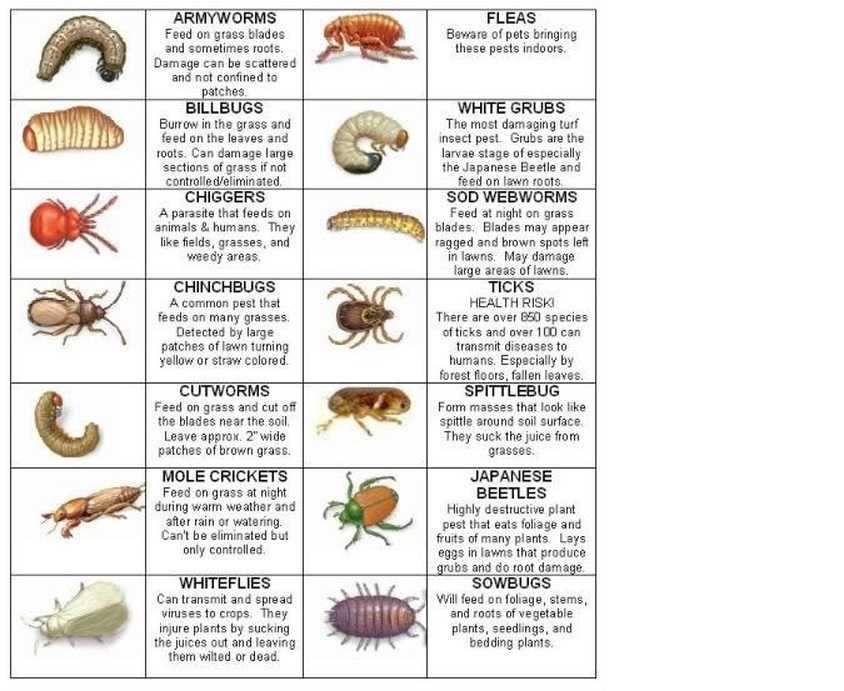
- Chinch bugs: Small, black insects with white wings or patches. They are usually less than 1/5 inch long. These bugs are known for causing yellow patches on grass.
- Grubs: C-shaped larvae that are white or cream-colored with a brown head. They grow up to 1 inch long and live underground.
- Sod webworms: Tiny moth larvae with long, fuzzy bodies that are brown or gray. They create web-like silk around damaged grass.
- Armyworms: Bright green or brown caterpillars with black stripes running lengthwise. They can be several inches long when fully grown.
- Billbugs: Small black or gray beetles, about 1/4 inch long, with a shiny, oval-shaped body. Their larvae may burrow into grass stems.
Visual Identification Tips
Properly identifying lawn bugs involves observing their size, shape, color, and behavior. Here are some quick tips:
Size and Shape
Most lawn bugs are tiny, but their dimensions can vary from less than 1/8 inch to over an inch. Note whether they are elongated, round, or segmented.
Coloration
Colors range from black and gray to bright green and white. Pay attention to distinctive markings or patterns that stand out.
Movement
Some bugs hop like fleas, crawl slowly, or fly short distances. Watching how they move can help differentiate species.
Detailed Descriptions of Popular Lawn Pests
Let’s take a closer look at some specific bugs and what they look like to help you recognize them accurately in your yard.
Chinch Bugs
Chinch bugs are very small, measuring about 1/5 inch in length. They have a black body with white wings folded on their backs. When disturbed, they may jump or crawl quickly across grass blades.
Japanese Beetles
Although primarily known for damaging plants, Japanese beetles are reddish-brown with metallic green wings. They are about 1/2 inch long and have a distinctive, shiny appearance.
Fleas and Ticks
Fleas are tiny, dark, and jumpy, usually less than 1/8 inch. Ticks are slightly larger, with rounded bodies that can be brown or black. Both pests can hide in grass and on animals.
White Grubs
White grubs are C-shaped larvae with smooth, white bodies and a brown or black head. They are typically less than 1 inch long and sit just beneath the soil surface.
Recognizing Damage Caused by Lawn Bugs
Spotting bugs is only part of diagnosis; understanding the damage they cause helps confirm their presence. Look for:
- Yellow or brown patches on grass
- Spots where grass is thinning or dead
- Brown or chewed grass blades
- Soil that feels spongy or soft
- Presence of visible insects on grass or soil surface
Using Visual Aids for Better Identification
Photographs and diagrams are helpful tools for pest identification. Keep a picture guide or use apps designed for pest recognition. This can help compare what you see in your yard with images and descriptions from trusted sources.
Natural Features and Habitats of Lawn Bugs
Understanding their natural habitats can assist in identification. Most bugs prefer moist, shaded, or grassy areas where they can hide and find food.
Soil and Grass Associations
Many larvae, like grubs, live underground, while adult bugs hang out on grass blades or stems. Spotting bugs on plants or soil can be indicative of an infestation.
Color-Coded Patterns and Markings
Brightly colored bugs or those with distinctive markings are often easier to identify. For example, the metallic sheen of Japanese beetles makes them stand out.
Monitoring and Identification Tools
Regular inspection of your lawn helps catch pests early. Use a flashlight at night or a garden sieve to gather bugs for closer examination.
Sticky Traps and Light Traps
These devices attract and trap flying bugs, making it easier to see what species are present. Check traps frequently to monitor pest activity.
Soil Inspection
Dig small sections of soil to look for larvae or pupae. Use a hand lens to examine tiny creatures more clearly.
Key Takeaways for Identifying Lawn Bugs
In summary, accurate identification depends on observing size, shape, color, and behavior. Take notes or photos to compare with reliable guides. Recognize the damage pattern to confirm pest presence.
Knowing what lawn bugs look like provides a strong foundation to manage and prevent infestations. Staying vigilant and informed helps keep your yard healthy and beautiful.
Looking for chinch bugs
Frequently Asked Questions
What are the typical colors of lawn bugs?
Pest insects found in lawns can vary in color, but many are green, brown, or black. Some species have patterns or markings, like stripes or spots, which help them blend into their surroundings. Understanding their color can help you identify which bug is causing trouble in your yard.
How can I identify lawn bugs by their size and shape?
Most lawn bugs are small, often between 1/8 to 1/2 inch long. They tend to have elongated or oval bodies, with some species featuring wing structures that are visible or hidden. Observing their size, body shape, and whether they move quickly or slowly aids in proper identification.
What distinguishing features do lawn bugs have on their bodies?
Lawn bugs often have distinctive body features such as antennae, legs adapted for jumping or crawling, and varied head shapes. For example, some might have flat or rounded bodies, while others display a segmented appearance. Recognizing these physical traits helps differentiate between species.
Are there visual differences between pests and beneficial insects in lawns?
Yes, pests often have less appealing appearances, such as dark colors, unusual markings, or rapid movements. Beneficial insects like ladybugs or praying mantises tend to have bright colors or specific body shapes that set them apart. Spotting these differences ensures you target only harmful bugs.
Can lawn bugs change color or appearance over time?
Some lawn bugs can change their coloration or appearance as they mature or in response to environmental factors. For instance, certain beetle larvae might look different from their adult forms. Monitoring these changes helps in early identification and control efforts.
Final Thoughts
Lawn bugs vary in appearance, often resembling tiny insects or larvae. They can be green, brown, or black, and some have distinctive markings or shapes. Their size typically ranges from a few millimeters to a centimeter.
Many lawn bugs have elongated bodies or rounded forms, making them noticeable upon close inspection. Identifying their look helps in determining the right pest control method.
What do lawn bugs look like? They are generally small insects with specific features, making them identifiable for effective management. Recognizing their appearance is crucial for maintaining a healthy, pest-free lawn.