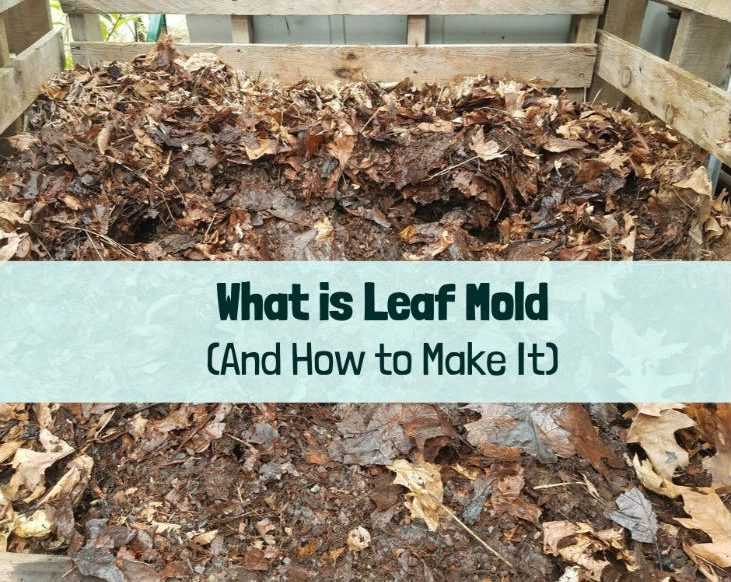
Leaf mold is a beneficial organic material created by the decomposition of leaves over time, resulting in a rich, dark soil amendment that enhances garden health. To make leaf mold, simply pile up fallen leaves in a designated spot, keep them moist, and let nature take its course. In about six months to a year, you’ll have a nutrient-rich additive that improves soil structure, retains moisture, and feeds beneficial microbes. Not only is leaf mold easy to make, but it also repurposes yard waste, making it an eco-friendly option for gardeners. Let’s dive deeper into the process of creating your own leaf mold and discover its many benefits for your garden!

What Is Leaf Mold And How To Make It
Leaf mold is a wonderful addition to any garden. It is a natural organic matter created from decomposed leaves. Unlike traditional compost, which includes a mix of kitchen scraps, grass clippings, and more, leaf mold consists solely of leaves. This makes it an excellent amendment for your garden soil, enhancing its structure and water retention capabilities.
Leaf mold also helps improve soil health by fostering beneficial microbes. When you add leaf mold to your garden, these microbes work magic. They break down nutrients in the soil, making them more accessible to plants. It creates a rich environment for plant roots, promoting growth and resilience.
### The Benefits of Leaf Mold
Leaf mold provides several benefits for gardeners. Understanding these can help you appreciate why it’s worth making. Here are some crucial advantages:
- Improves Soil Structure: Leaf mold enhances soil texture, making it looser and more aerated.
- Increases Moisture Retention: It helps retain moisture in the soil, reducing the need for frequent watering.
- Encourages Beneficial Microorganisms: Leaf mold supports the growth of helpful fungi and bacteria that benefit plants.
- Reduces Soil Erosion: Incorporating leaf mold can help prevent erosion, keeping your garden intact.
- Provides Nutrients: As it breaks down, leaf mold slowly releases nutrients, enriching the soil.
### What Leaves to Use for Leaf Mold
Not all leaves are created equal. It is essential to choose the right types of leaves to make quality leaf mold. Here are some types that work well:
- Maple
- Oak
- Beech
- Birch
- Poplar
While many trees produce leaves suitable for leaf mold, avoid using leaves from black walnut trees. These contain juglone, a chemical that can harm other plants. Mixing different types of leaves can produce even better results.
### How to Make Leaf Mold
Creating leaf mold is a straightforward process. It takes some time, but the result is worth the wait. Here’s a step-by-step guide to making your leaf mold:
#### Step 1: Gather Your Leaves
Start by collecting leaves in the fall. Rake them into piles for easy collection. Aim for a variety of leaves to enrich the final product.
#### Step 2: Shredding the Leaves
Shredding the leaves can speed up the decomposition process. Use a leaf shredder or a lawnmower to chop them into smaller pieces. If you don’t have either, simply pile the leaves and walk over them to crush them down.
#### Step 3: Creating a Leaf Mold Pile
Choose a location for your pile. It should be a shaded area, as direct sunlight can dry out the pile too quickly. Lay down a layer of shredded leaves about 3 to 4 feet high.
#### Step 4: Monitor and Maintain the Pile
Occasionally, turn the pile to aerate it. Turning encourages even decomposition. If the pile appears too dry, add some water. Ideally, it should feel like a damp sponge, not soggy.
#### Step 5: Wait for Decomposition
Leaf mold usually takes about 6 to 12 months to decompose fully. Be patient; this reward will be worth the wait! Over time, the pile will shrink as the leaves break down into crumbly, dark material.
### Using Leaf Mold in Your Garden
Once your leaf mold is ready, you can start using it in your garden. Incorporating it into your soil will benefit the plants immensely. Here are some ways you can use leaf mold:
#### As a Soil Amendment
Mix leaf mold with your existing soil to improve its structure. This will help your plants absorb nutrients better. A good ratio is 1 part leaf mold to 3 parts garden soil.
#### As A Mulch
Spread leaf mold over garden beds as mulch. This helps retain moisture and suppress weeds. It also slowly adds nutrients to the soil as it breaks down.
#### For Seed Starting
Mix leaf mold with potting soil for starting seeds. This blend creates an ideal environment for young plants to thrive. It provides aeration and prevents compacting.
### Frequently Asked Questions about Leaf Mold
While this section will not be included in the main blog, it’s good to consider common questions people often ask to clarify any uncertainties related to leaf mold.
### Troubleshooting Common Issues
Sometimes, making leaf mold can come with challenges. Here are some issues and how to address them:
#### Pile Isn’t Decomposing
If your leaf mold pile isn’t breaking down, it may need more moisture or aeration. Try adding water and turning the pile regularly.
#### Bad Smell from the Pile
A foul odor may indicate anaerobic conditions. If this happens, turn the pile to introduce air.
### Related Topics to Explore
Understanding leaf mold opens up many related gardening topics. Here are some to consider:
– **Composting vs. Leaf Mold**: Learn the differences between traditional composting and making leaf mold.
– **Using Mulch in the Garden**: Explore various types of mulch and their benefits.
– **Organic Gardening Practices**: Discover more practices that promote a healthy garden.
Making and using leaf mold is a fantastic way to recycle fallen leaves and create a potent garden resource. Not only does it enrich your soil, but it also promotes a healthier growing environment for plants. Start collecting leaves today and enjoy the benefits of leaf mold in your garden!
The Magic Ingredient In Natural Fertilizer – All About Leaf Mold – Where To Find It – How To Make It
Frequently Asked Questions
“`html
How Long Does It Take to Make Leaf Mold?
Creating leaf mold typically takes about 6 months to a year, depending on factors such as the type of leaves used, moisture levels, and temperature. If you keep the pile moist and turn it regularly, you can speed up the process and shorten the time it takes to break down the leaves.
What Materials Can Be Used to Create Leaf Mold?
You can use a variety of leaves to create leaf mold, including oak, maple, and birch leaves. Avoid using leaves that are diseased or covered in pesticides. You can also mix in some grass clippings or kitchen scraps to enhance the microbial activity and accelerate decomposition.
How Do I Maintain My Leaf Mold Pile?
To maintain your leaf mold pile, ensure it stays damp but not waterlogged. Turn the pile every few weeks to aerate it, which helps speed up decomposition. Monitor the temperature; if it gets too hot, add more leaves or water to cool it down.
Can Leaf Mold Be Used as Mulch?
Yes, you can use leaf mold as a mulch in your garden. It helps retain moisture, suppress weeds, and improve soil structure as it breaks down. Spread a layer of leaf mold around plants or on garden beds to create a beneficial environment for growth.
Is Leaf Mold the Same as Compost?
No, leaf mold and compost are not the same. Leaf mold is made specifically from decomposed leaves, while compost consists of a mix of organic materials including kitchen scraps and yard waste. Leaf mold primarily improves soil structure and moisture retention, while compost also adds nutrients to the soil.
How Can Leaf Mold Benefit My Garden?
Leaf mold offers numerous benefits for your garden. It enhances soil structure, promotes good drainage, increases moisture retention, and provides a habitat for beneficial microorganisms. Using leaf mold can lead to healthier plants and improved overall garden productivity.
“`
Final Thoughts
Leaf mold serves as an excellent organic matter for gardens, improving soil structure and moisture retention. By utilizing fallen leaves, gardeners can create a nutrient-rich amendment that benefits plant growth.
To make leaf mold, simply pile shredded leaves in a damp area, allowing them to decompose over time. The process usually takes several months but rewards you with a valuable resource for your garden.
In summary, understanding “What Is Leaf Mold And How To Make It” equips gardeners with a natural way to enhance their soil, promoting healthier plants and a thriving garden ecosystem.