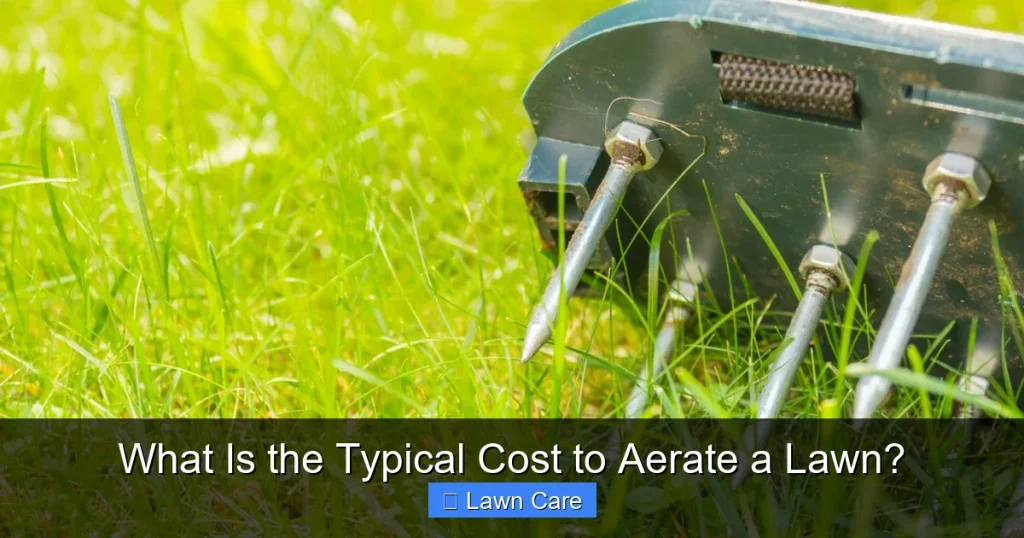
The typical cost to aerate a lawn ranges from $75 to $350, depending on factors like lawn size, accessibility, and additional services. Aeration is crucial for healthy turf, improving air, water, and nutrient penetration. Understanding these costs helps in planning effective lawn maintenance.
## What Is the Typical Cost to Aerate a Lawn?
Ever looked at your lawn and thought, “It’s just not as lush and vibrant as it could be”? You’ve probably tried different fertilizers, watered diligently, and maybe even mowed to perfection. But sometimes, the culprit isn’t what’s on the surface; it’s what’s beneath it. Compacted soil is a common problem that chokes out healthy grass, preventing essential air, water, and nutrients from reaching the roots. This is where lawn aeration comes in, and understanding the typical cost to aerate a lawn is the first step to achieving that dream lawn.
Lawn aeration is a process that involves creating small holes or pulling out plugs of soil from your lawn. This allows for better air circulation, water penetration, and nutrient absorption, all vital for strong, healthy grass growth. While the benefits are clear, many homeowners wonder about the financial investment. Let’s dive into what you can expect to pay for this beneficial lawn care practice.
## Understanding the Factors That Influence Aeration Costs
When you get a quote for lawn aeration, it’s rarely a one-size-fits-all price. Several key factors come into play that will determine the final cost. Thinking about these elements will help you understand why quotes might differ and how to budget effectively.
### Lawn Size: The Biggest Driver of Cost
This is, by far, the most significant factor in determining the cost of lawn aeration. Professionals typically charge by the square foot, or they have a base rate for smaller lawns and then an additional per-square-foot cost for larger areas. It makes sense, right? The bigger your lawn, the more time and effort it takes to aerate it thoroughly.
* Small Lawns (Under 5,000 sq ft): You might find prices starting as low as $75 to $150. This is for those cozy yards perfect for a weekend BBQ.
* Medium Lawns (5,000 – 10,000 sq ft): Expect costs to range from $150 to $250. This is a very common size for many suburban homes.
* Large Lawns (10,000+ sq ft): For sprawling estates, prices can climb rapidly, potentially reaching $300, $400, or even more. It’s crucial to get detailed quotes for large properties.
For instance, a company might charge $100 for the first 5,000 square feet and then an additional $0.03 per square foot for anything over that. So, a 7,000 sq ft lawn would cost $100 + (2,000 sq ft * $0.03) = $160. Always confirm their pricing structure.
### Type of Aeration: Core vs. Spike
There are two main types of aeration machines: core aerators and spike aerators. While both aim to relieve soil compaction, core aerators are generally more effective and are what most professional services use.
* Core Aeration: This method uses a machine with hollow tines that pull out small plugs of soil. These plugs are then left on the lawn to decompose, returning nutrients to the soil. This is the gold standard for effective aeration and tends to be what professionals offer.
* Spike Aeration: This method uses solid tines that push into the soil, creating holes. It’s less disruptive and can be done more frequently, but it doesn’t provide the same depth of relief for severe compaction as core aeration. Spike aerators are often available for rent and are sometimes used for very light compaction.
The type of aeration used can influence the cost, with core aeration typically being more labor-intensive and therefore potentially slightly more expensive, though the benefits are usually well worth it. Most professional services will automatically use core aeration because it yields superior results.
### Accessibility and Terrain
Is your lawn a perfectly flat, open rectangle, or is it a hilly, obstacle-filled landscape? The more difficult it is for the aeration equipment to navigate, the longer it will take and the more challenging the job will be for the professionals.
* Steep Slopes: Aerating on steep inclines is physically demanding and requires more caution, which can increase labor costs.
* Tight Spaces: Narrow pathways, numerous flower beds, or densely planted trees can slow down the process.
* Obstacles: Large rocks, tree roots that protrude above the soil, or other buried objects can make aeration difficult and potentially damage equipment.
* Access to Water: While not always a primary cost driver, some services might need access to a water source depending on their equipment or the weather conditions.
If your yard requires a lot of maneuvering or extra care due to its layout, be prepared for a potential increase in the aeration cost.
### Geographic Location
Just like many other services, the cost of lawn aeration can vary significantly depending on where you live. Major metropolitan areas with a higher cost of living and higher labor rates will generally see higher prices for lawn services compared to rural areas. For example, aerating a lawn in New York City will likely cost more than aerating a similar-sized lawn in a small town in the Midwest.
* Urban vs. Rural: Expect higher prices in densely populated urban and suburban areas.
* Regional Differences: Even within a state, prices can fluctuate based on local demand and economic conditions.
It’s always a good idea to get quotes from several local lawn care companies to get a realistic understanding of the prices in your specific area.
### Additional Services
Many lawn care companies offer package deals that can save you money if you combine aeration with other services. This is a great way to address multiple lawn needs at once and can be more cost-effective than booking each service separately.
* Overseeding: Aeration creates the perfect seedbed for new grass to grow. Combining aeration with overseeding is a popular choice for thickening up a thinning lawn. The cost for overseeding might add $50 to $150 or more, depending on the lawn size.
* Fertilization: Applying a specially formulated fertilizer after aeration helps the new grass establish and promotes overall lawn health. This could add another $50 to $100 to the service.
* Dethatching: If your lawn has a thick layer of thatch, it might need dethatching before aeration. This process removes accumulated dead organic matter. Some companies offer combined aeration and dethatching services. Dethatching is another crucial step for compacted lawns.
* Soil Testing: Some premium services might include a basic soil test to determine the best course of action for fertilization.
When inquiring about aeration, ask about any bundled services they offer. You might be surprised at the potential savings.
## DIY vs. Professional Lawn Aeration: Cost Considerations
One of the biggest decisions you’ll face is whether to tackle lawn aeration yourself or hire a professional. Both options have their pros and cons, especially when it comes to cost.
### DIY Lawn Aeration: Renting the Equipment
If you’re on a tight budget and don’t mind getting your hands dirty, renting an aerator can be a cost-effective solution.
* Rental Costs: You can typically rent a core aerator from a local equipment rental store for about $75 to $150 per day. Handheld spike aerators are much cheaper, but less effective for significant compaction.
* Time and Labor: The biggest “cost” here is your time and physical effort. Aerating a lawn, especially a larger one, is hard work. You’ll need to factor in the time it takes to pick up the machine, operate it, and return it.
* Learning Curve: Operating a heavy piece of equipment like a core aerator can have a slight learning curve. It’s important to read the instructions and operate it safely.
* Transport: You’ll need a vehicle capable of transporting the rented equipment, which might be bulky and heavy.
For a small to medium-sized lawn, DIY aeration can save you a good chunk of money compared to hiring a professional. However, for larger properties or if you have physical limitations, the effort might not be worth the savings. For those seeking efficiency, exploring options like the fastest way to aerate a lawn might be relevant, though DIY methods usually aren’t the quickest.
### Professional Lawn Aeration Services
Hiring a professional service takes the hard work out of your hands and ensures the job is done correctly.
* Convenience: Professionals have the expertise, the right equipment, and they do all the heavy lifting. You simply schedule the service and let them handle it.
* Efficiency: They can aerate your lawn much faster and more effectively than most DIYers, especially with specialized equipment.
* Guaranteed Results: Reputable companies often guarantee their work, ensuring you get satisfactory results.
* Higher Upfront Cost: As discussed, professional services will cost more than renting equipment due to labor, equipment maintenance, insurance, and business overhead.
When comparing DIY versus professional, weigh the cost savings against the value of your time and the physical effort involved.
## How Often Should You Aerate Your Lawn?
The frequency of aeration depends on your lawn’s specific needs and the type of grass you have. However, there are general guidelines:
* High-Traffic Lawns: If your lawn experiences a lot of foot traffic, pets, or kids playing, you might need to aerate annually.
* Heavy Clay Soils: Lawns with heavy clay soil tend to compact more easily and may benefit from annual aeration.
* Established Lawns: Most established lawns benefit from aeration once every 1-3 years.
* New Lawns: Newly seeded lawns might not need aeration for a few years until the grass is well-established and the soil has had a chance to compact.
Knowing when is the best time to aerate a lawn is also crucial for maximizing its benefits. Generally, the best times are during the active growing seasons for your grass type – spring for cool-season grasses and late spring through summer for warm-season grasses. This allows the lawn to recover quickly from the process. It’s also important to know if there is a bad time to aerate your lawn.
## Maximizing the Benefits of Aeration for Cost-Effectiveness
To ensure you’re getting the most bang for your buck when it comes to aeration, consider these tips:
* **Combine Services:** As mentioned, bundling aeration with overseeding or fertilization can be a cost-effective way to address multiple lawn needs.
* **Timing is Everything:** Aerating at the right time of year ensures your lawn recovers quickly and the benefits are maximized, making the investment more worthwhile. Consider combining aeration with overseeding if your lawn needs reseeding, as there’s an ideal window for when to aerate and seed your lawn.
* **Proper Post-Aeration Care:** Follow up with proper watering and fertilization to help your grass thrive in the newly loosened soil.
* **Regular Lawn Maintenance:** Consistent mowing at the correct height, proper watering, and occasional soil amendments can help prevent severe compaction, potentially reducing the need for frequent or intense aeration. Maintaining well-defined borders can also contribute to an overall neat appearance. For a professional look, consider the best way to edge a lawn for a professional look.
* **Educate Yourself:** Understanding why aeration is important and what it achieves can help you appreciate the cost and prioritize it in your lawn care budget.
## Conclusion: Investing in a Healthier Lawn
The typical cost to aerate a lawn can vary widely, but understanding the contributing factors – lawn size, aeration type, terrain, location, and bundled services – will help you get accurate quotes and budget appropriately. Whether you choose the DIY route or hire a professional, the investment in aeration pays dividends in the long run. A healthier, more resilient lawn means better appearance, improved drainage (which can help prevent issues like lawn drainage problems), and a more enjoyable outdoor space. So, consider aeration not just an expense, but an investment in the vitality and longevity of your lawn.
- Average Cost: Most homeowners can expect to pay between $75 and $350 for professional lawn aeration.
- Lawn Size is Key: Larger lawns naturally incur higher aeration costs due to the increased labor and time required.
- DIY vs. Professional: Renting an aerator and doing it yourself can save money, but requires physical effort and time.
- Compacting Factors: Steep slopes, difficult terrain, and obstacles increase labor and thus, the cost.
- Additional Services: Combining aeration with overseeding or fertilization can offer package deals but increase the overall price.
- Geographic Location: Prices can vary significantly based on the cost of living and labor rates in different regions.
- Lawn Health Benefits: Despite the cost, aeration provides significant long-term benefits for lawn health and appearance.
Quick Answers to Common Questions
What is the average cost to aerate a lawn?
The average cost to aerate a lawn typically falls between $75 and $350, depending on various factors such as lawn size, accessibility, and whether additional services are included.
Does lawn size affect the cost of aeration?
Yes, lawn size is a primary factor. Larger lawns require more time and effort to aerate, leading to higher costs compared to smaller lawns.
Can I save money by aerating my lawn myself?
Yes, by renting an aerator and performing the task yourself, you can significantly reduce costs compared to hiring a professional service, though it requires your time and physical effort.
Are there any hidden costs associated with lawn aeration?
Potential extra costs could arise from difficult terrain, the need for specialized equipment due to obstacles, or if additional services like overseeding are added. Always clarify the scope of service with your provider.
Is aeration a necessary lawn care expense?
While not strictly mandatory for all lawns, aeration is a highly beneficial practice for compacted soils, promoting root health, water penetration, and overall turf vitality, making it a worthwhile investment for many homeowners.
Frequently Asked Questions
What factors determine the cost of lawn aeration?
The main factors include the size of your lawn, the type of aeration performed (core vs. spike), the accessibility and terrain of your property, your geographic location, and whether you opt for additional services like overseeding.
Is it cheaper to aerate your lawn yourself?
Generally, yes. Renting an aerator and doing it yourself can be more economical than hiring a professional service, but it requires your time, physical labor, and the ability to transport the equipment.
How much does it typically cost to aerate a small lawn?
For a small lawn, typically under 5,000 square feet, you can expect the cost to range from around $75 to $150 for professional aeration.
Can aeration costs include other services like overseeding?
Yes, many lawn care companies offer package deals that combine aeration with overseeding, fertilization, or other treatments. This can be more cost-effective than booking each service separately.
Why is aeration important even if it costs money?
Aeration is vital for improving soil health by reducing compaction, allowing better air, water, and nutrient penetration to grass roots. This leads to a healthier, more resilient lawn that can better withstand stress and disease.
How often should I budget for lawn aeration costs?
The frequency depends on your lawn type and usage. High-traffic lawns or those with heavy clay soil might need annual aeration, while others may only require it every 1-3 years to maintain optimal health.