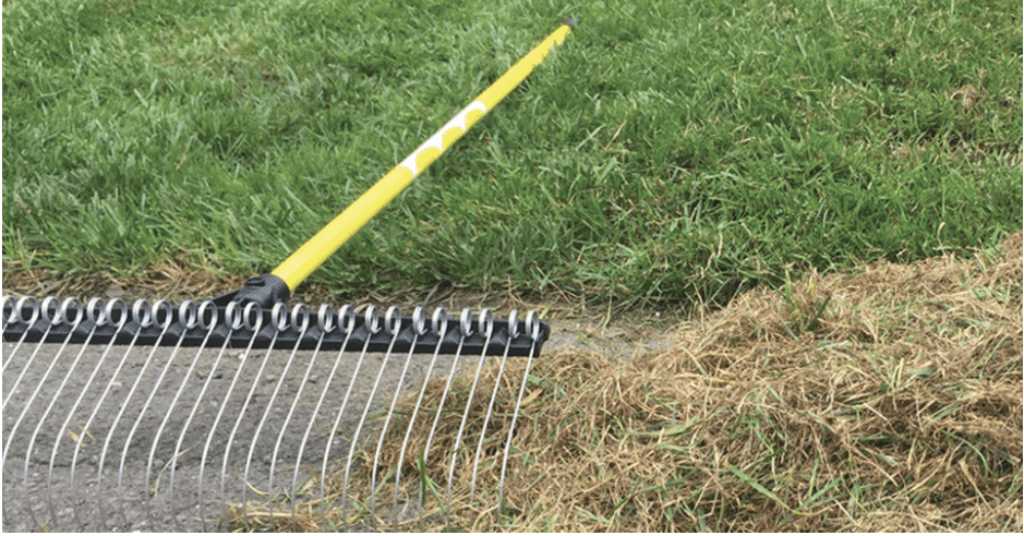
The quickest way to dethatch a lawn is by using a dethatching rake or a power dethatcher, depending on the severity of thatch buildup. These tools effectively remove the thick layer of dead grass and roots that can suffocate your lawn, allowing water, air, and nutrients to reach the soil. The best approach combines proper timing, the right equipment, and careful technique to restore your lawn’s health efficiently.
A healthy lawn thrives when thatch buildup is managed properly. Dethatching involves removing the thick layer of organic material between the grass blades and the soil surface. Doing this at the right time—typically in early spring or fall—and using the appropriate tools ensures your grass can breathe again and grow vigorously. This simple yet vital task can transform a patchy or neglected yard into lush, green turf, making lawn care more effective and enjoyable.

What is the Best Way to Dethatch a Lawn
Dethatching is an important step to keep your lawn healthy and lush. It involves removing a layer of dead grass, roots, and other debris that accumulates on the soil’s surface. Without proper dethatching, your grass can struggle to grow because air, water, and nutrients can’t reach the roots effectively.
Understanding Thatch and Its Impact on Your Lawn
Thatch is a layer of organic material made up of grass stems, roots, and debris that build up between the grass and soil. If this layer exceeds half an inch, it can prevent vital elements from reaching the grass roots.
Too much thatch can lead to problems like increased drought stress, disease, and pest issues. It also causes poor drainage, leading to water pooling on the surface.
Signs Your Lawn Needs Dethatching
- The grass feels spongy or thick to walk on
- Water sits on the surface after rain or watering
- Grass appears thin or brown in patches
- There is a visible layer of dead material when you pull back the grass
Best Times to Dethatch Your Lawn
The ideal period depends on your grass type and climate. For cool-season grasses, early spring or fall work best. Warm-season grasses thrive in late spring or early summer. Always avoid dethatching during periods of drought or extreme heat to prevent stressing the lawn.
Monitoring your lawn’s condition helps determine the right time to dethatch, ensuring minimal stress and maximum recovery.
Types of Dethatching Methods
Manual Dethatching
This method involves using hand tools like a rake or thatch rake. It’s suitable for small lawns or light thatch buildup. Manual dethatching requires patience but offers precise removal without damaging the grass.
Mechanical Dethatching
Machines like dethatching rakes or power rake machines are designed to remove thicker thatch layers efficiently. They are best for larger lawns or significant thatch buildup. Mechanical dethatching speeds up the process and provides a more uniform result.
Core Aeration as an Alternative
Core aerators punch small holes into the soil, reducing thatch indirectly by promoting airflow and encouraging decomposition. While not a direct dethatching method, aeration is an excellent complement to dethatching practices.
Step-by-Step Guide to Dethatching Your Lawn
Preparation
Start by mowing your grass to a shorter height. This makes it easier to see the thatch layer and removes excess grass that can interfere with dethatching tools. Water your lawn a day before if the soil is dry, making it easier to work with.
Choosing the Right Tool
Select a dethatching rake for small areas or a power rake for larger lawns. For heavy thatch buildup, a dethatching machine may be necessary. Always wear protective gear like gloves and goggles during operation.
Executing Dethatching
- Run the rake or machine across the lawn in straight lines, overlapping each pass
- Make sure to work in different directions to remove all the thatch effectively
- Be gentle to avoid tearing up grassroots or damaging the soil
Post-Dethatching Care
After dethatching, rake up and remove all debris. Consider overseeding to fill in thin areas and promote a healthy lawn. Water thoroughly to help your grass recover and apply a balanced fertilizer to encourage growth.
Tips for Successful Dethatching
- Do not dethatch during drought or extreme heat to avoid stressing the grass
- Follow up with aeration if your soil conditions require it
- Apply topsoil or compost after dethatching to improve soil quality
- Maintain proper mowing height moving forward to prevent excessive thatch buildup
Common Mistakes to Avoid
- Dethatching during the wrong season, which can harm your lawn
- Removing too much thatch at once, leading to stress or damage
- Using inadequate tools for heavy thatch that requires machinery
- Neglecting to water and fertilize after dethatching to promote quick recovery
Additional Ways to Promote Lawn Health
Combine dethatching with core aeration to increase airflow and water penetration. Regular mowing and watering practices help prevent thatch buildup. Applying appropriate fertilizers supports healthy root development.
Growing the right grass type for your climate and soil conditions can also reduce the need for frequent dethatching.
Related Topics for Better Lawn Care
- How often should I aerate my lawn?
- The best grasses for shady areas
- How to fertilize your lawn effectively
- Watering techniques for strong, green grass
Understanding the best way to dethatch a lawn helps you maintain a healthy, vibrant yard. Proper timing, tools, and techniques make the process efficient and effective. Regular lawn care practices will keep your grass lush and free from excessive thatch buildup.
DON'T DETHATCH Your LAWN Before Watching – Your Questions Answered
Frequently Asked Questions
When is the best time to dethatch a lawn?
The ideal time to dethatch a lawn is during its active growing season, typically in early spring or early fall. Dethatching during these periods allows the grass to recover quickly and promotes healthy growth. Avoid dethatching during extreme heat or cold, as it can stress the grass and hinder recovery.
What tools are most effective for dethatching a lawn?
Using a dethatching rake or a power dethatcher is highly effective for removing thatch buildup. A dethatching rake is manual and suitable for small areas, while power dethatchers are ideal for larger lawns. Additionally, lawn scarifiers with adjustable blades can help loosen thatch efficiently.
How can I prepare my lawn before dethatching?
Before dethatching, mow your lawn to about one-third of its height to make the process easier. Water the lawn a day prior to soften the soil and detritus, which helps in loosening the thatch. Remove any debris or rocks from the grass surface to prevent damage to your tools and ensure a clean dethatching process.
Should I aerate my lawn after dethatching?
Yes, aerating your lawn after dethatching can significantly improve soil health and promote better grass growth. Aeration creates small holes that allow air, water, and nutrients to reach the roots more effectively. Combining both practices can lead to a thicker, healthier lawn.
What are some signs that indicate I need to dethatch my lawn?
Look for a thick layer of thatch more than half an inch deep, which can cause water and nutrients to bypass the grassroots. Other signs include the grass appearing spongy, or feeling like a layer of dead material underfoot. If you notice these symptoms, it’s time to dethatch your lawn to restore its health.
Final Thoughts
The best way to dethatch a lawn involves using a dethatching rake or a power dethatcher to remove the thick layer of thatch.
Start by mowing your lawn to a shorter height, which makes dethatching more effective.
Next, run the dethatching tool across the lawn, working in different directions for thorough coverage.
After dethatching, rake up the debris and water your lawn to help it recover quickly.
In conclusion, to address the question of what is the best way to dethatch a lawn, using appropriate tools and proper technique ensures healthy grass growth.