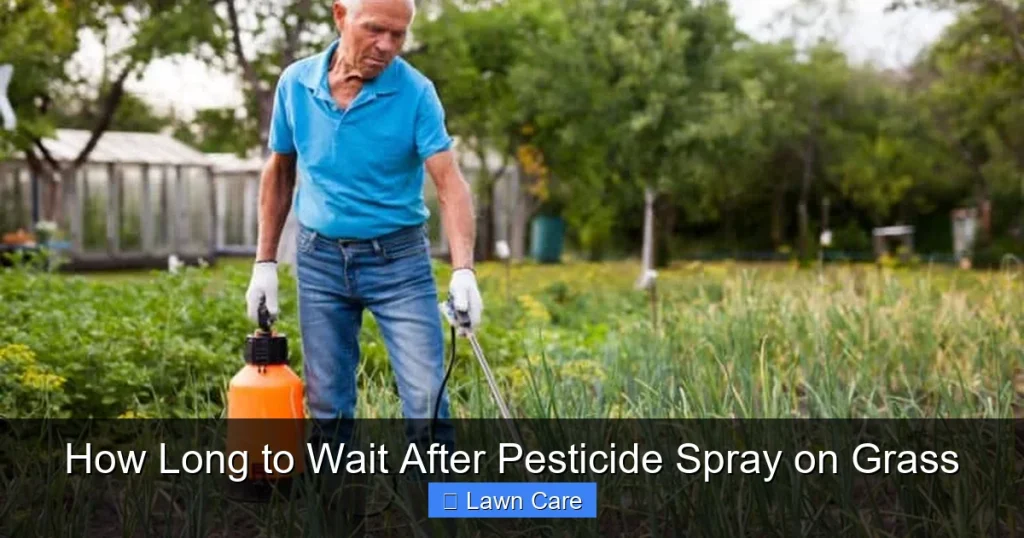
Understanding how long to wait after pesticide spray on grass is crucial for safety and effectiveness. This guide explains that the ideal waiting period varies based on the pesticide type, application method, and weather. Following label instructions is paramount, and generally, waiting until the spray is dry is a good starting point for most lawn activities.
How Long to Wait After Pesticide Spray on Grass
Your lawn is a vibrant part of your home, and keeping it healthy and pest-free often involves the use of pesticides. But once you’ve applied that spray, a crucial question arises: how long do you need to wait before your lawn is safe for use, and before the pesticide can do its job effectively? This guide will walk you through everything you need to know about waiting periods after pesticide application on your grass.
We’ll cover the critical factors that influence how long you should wait, from the type of pesticide used to the weather conditions. You’ll learn best practices to ensure the safety of your family and pets, while also maximizing the effectiveness of your pest control efforts. Understanding these waiting times is essential for maintaining a beautiful and safe lawn.
Key Takeaways
- Read the Label First: Always prioritize the specific instructions on the pesticide product label. This is the most reliable source for waiting periods.
- Drying Time is Key: For most common lawn pesticides, waiting until the spray has completely dried on the grass blades is a standard recommendation for safety.
- Pesticide Type Matters: Different pesticides have varying re-entry and activity times. Herbicides, insecticides, and fungicides might have different waiting periods.
- Weather Conditions Influence Waiting Time: Rain, high humidity, or extreme heat can affect how quickly a pesticide dries and becomes effective or safe for re-entry.
- Activity-Specific Waiting Periods: Activities like mowing, playing, or allowing pets on the lawn often require longer waiting times than simply walking across it.
- Consider Your Lawn’s Health: A healthy, well-established lawn may recover faster from pesticide applications than a stressed or newly seeded one.
Understanding the Importance of Waiting Periods
Why is it so important to wait a specific amount of time after spraying pesticides on your lawn? There are two primary reasons: safety and efficacy.
Safety First: Protecting People and Pets
Pesticides are chemicals designed to kill or control pests. While they are formulated for outdoor use, they can still pose risks to humans and animals if not handled with care. Applying a pesticide means introducing these chemicals to your lawn’s surface. Until the pesticide has had time to dry and, in some cases, absorb into the plant or soil, direct contact can lead to skin irritation, respiratory issues, or other adverse reactions.
Children and pets are particularly vulnerable because they spend more time playing directly on the grass. They may also ingest small amounts of the pesticide by licking their paws or hands after playing on a recently treated lawn. Therefore, adhering to recommended waiting periods is a vital step in preventing accidental exposure and ensuring the well-being of your loved ones.
Efficacy: Allowing the Pesticide to Work
Beyond safety, waiting is also about allowing the pesticide to do its job effectively. Different pesticides work in different ways. Some need to dry on the leaf surface to be absorbed by insects or weeds. Others are designed to be watered in after application to reach the soil and target root-feeding pests. If you disturb the application too soon, you might wash away the product before it has had a chance to work, rendering your efforts less effective.
For instance, some weed control treatments need to remain on the foliage for a specific duration to be absorbed by the weed. If you mow the lawn too soon after applying a weed killer, you could remove the treated grass blades before the herbicide has fully acted. This is similar to how timing is crucial after other lawn maintenance tasks; for example, understanding how long to wait to mow after weed treatment can significantly impact the success of your weed control program.
Key Factors Determining Waiting Times
There isn’t a single, universal answer to “how long to wait after pesticide spray on grass.” Several factors play a significant role in determining the appropriate waiting period. Always consult the product label for the most accurate information, but keep these general considerations in mind:
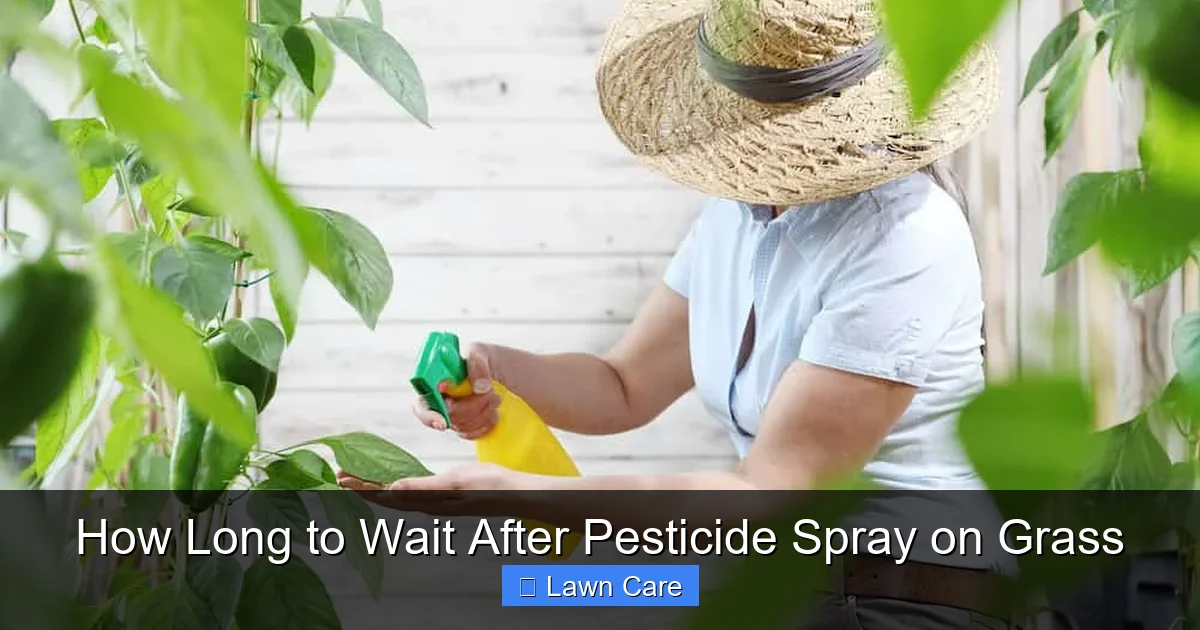
Visual guide about How Long to Wait After Pesticide Spray on Grass
Image source: eadn-wc01-2912785.nxedge.io
1. The Type of Pesticide
The category of pesticide you’ve used is the most crucial factor. Each type is designed to target specific problems and has a different mode of action, affecting the required waiting period.
Herbicides (Weed Killers)
Herbicides are used to control unwanted plants. Many herbicides, especially those applied to foliage, need time to be absorbed by the weed. Some herbicides are systemic, meaning they are absorbed and transported throughout the plant. For these, waiting to mow is critical. If you mow too soon after applying a herbicide, you can remove the weed’s leaves, which is where the herbicide needs to be absorbed. A general guideline for many herbicides is to wait at least 24-72 hours before mowing.
Insecticides (Insect Killers)
Insecticides target various insect pests. Some act on contact, killing insects when they touch the sprayed surfaces. Others are systemic, absorbed by the plant, and kill insects that feed on it. For contact insecticides, waiting until the spray has thoroughly dried is usually sufficient for people and pets to safely re-enter the lawn. However, some insecticides might have specific re-entry intervals (REI) listed on the label for workers, which also serves as a good indicator for residential safety.
Fungicides (Fungal Disease Control)
Fungicides are used to prevent or treat fungal diseases on your lawn. Similar to insecticides, many fungicides need to dry on the plant surfaces to be effective. Once dry, the lawn is generally safe for normal activity. However, like all pesticides, always check the label for specific instructions regarding rainfastness (how long it takes to become resistant to washing off by rain) and re-entry.
Combination Products
Many lawn care products combine different types of pesticides, such as weed and feed products that also contain insecticides. These will often have waiting periods dictated by the most restrictive component. Always default to the longest waiting time specified on the label.
2. The Application Method
How the pesticide was applied can also influence how long you need to wait.
Liquid Sprays
Most common liquid pesticide applications require waiting until the spray has thoroughly dried on the grass blades. This typically takes a few hours under good drying conditions. Once dry, the chemical is less likely to transfer to skin or clothing.
Granular Applications
Granular pesticides are applied in a solid form, often spread by a broadcast spreader. These are generally considered safer for re-entry sooner because the active ingredients are coated within the granules. However, if the granules are mixed with a liquid carrier or are designed to be watered in, you’ll need to follow those specific instructions. For most dry granular applications, once the granules are spread and you’ve finished applying, you can usually walk on the lawn, but it’s still wise to check the label for specific restrictions, especially concerning pets.
3. Weather Conditions
The environment plays a significant role in how quickly a pesticide dries, becomes effective, and is safe for re-entry.
Rainfall
Rain is a major consideration. If it rains shortly after application, it can wash away the pesticide before it has had a chance to dry or work effectively. Many products are formulated to be “rainfast” after a certain period. This is the time it takes for the pesticide to dry and bond to the plant surface, making it resistant to being washed off. If rain is in the forecast, it’s best to delay application or choose a product with a shorter rainfast period. If it rains *after* the recommended drying time, the lawn is likely safe for activity, but the pesticide’s effectiveness might be reduced.
Humidity and Temperature
High humidity and cool temperatures slow down the drying process. On a humid or cool day, a pesticide may take longer than usual to dry. Conversely, hot, sunny, and breezy conditions speed up drying. Always wait for the spray to be completely dry, regardless of how long the product label suggests, if conditions are not conducive to quick drying.
4. Intended Activity on the Lawn
What you plan to do on your lawn after spraying is a critical factor in determining the waiting period. Different activities carry different risks of exposure.
Walking on the Lawn
For most liquid pesticides, waiting until the spray has dried is generally sufficient to allow people and pets to walk on the treated area. This typically takes a few hours on a normal day. However, always check the label for specific re-entry intervals (REI) if they are listed.
Mowing the Lawn
Mowing is one of the activities that often requires the longest waiting period, especially after herbicide applications. As mentioned, mowing too soon can remove treated weeds before the herbicide can work. For herbicides, waiting 24-72 hours is common. For insecticides and fungicides, mowing might be permissible after the spray has dried, but it’s still wise to check the label. It’s also important to clean your mower blades after mowing a treated lawn, especially if you applied a herbicide, to avoid transferring any residue to other areas.
Playing, Picnicking, or Children’s Activities
If children will be playing actively on the lawn, or if you plan to have picnics or other prolonged contact activities, it’s best to err on the side of caution. While the label might state a shorter re-entry time for walking, a longer waiting period (e.g., 24-48 hours) can provide an extra layer of safety, ensuring the pesticide has fully dried and adhered to the grass or soil.
Allowing Pets on the Lawn
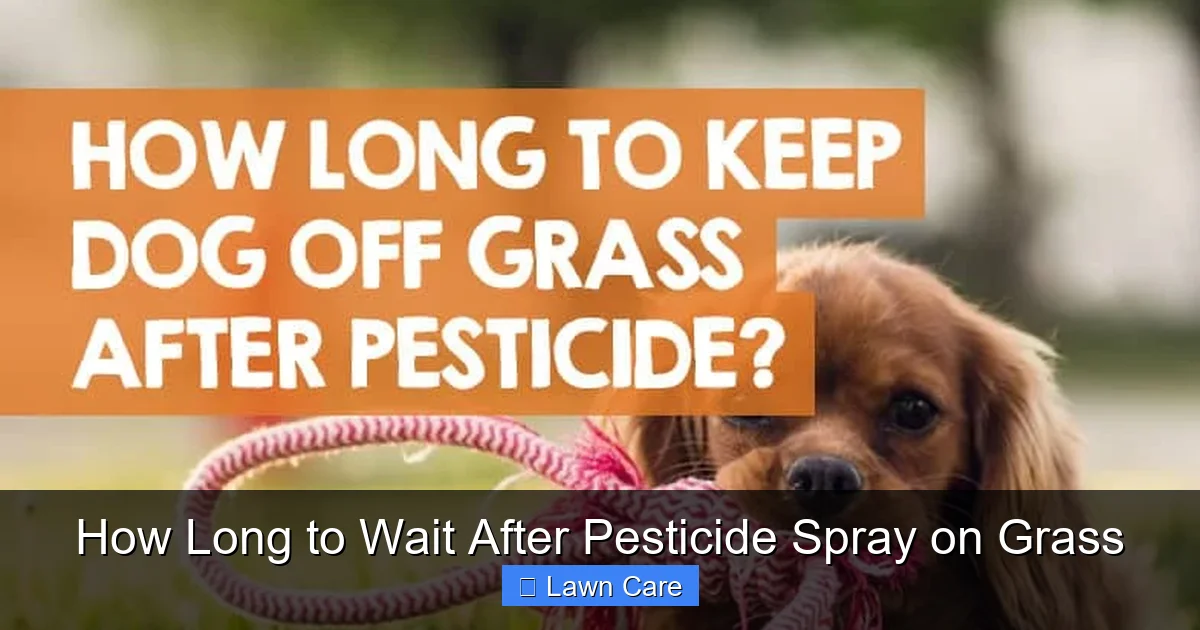
Pets, especially dogs, are highly susceptible to pesticide exposure due to their tendency to lick paws and roll on the grass. For any pesticide application, it’s crucial to keep pets off the lawn until the spray has completely dried. For some products, especially those targeting fleas and ticks or certain types of grubs, the label might recommend a longer waiting period, sometimes up to 24 hours, before allowing pets back on the lawn. For instance, if you are using a product for flea and tick control on your lawn, you’ll want to know how long to keep your dog off the grass, which will be clearly stated on the product’s instructions. Always follow these specific pet-related guidelines.
General Guidelines and Best Practices
While every pesticide is unique, here are some general guidelines and best practices to follow when determining how long to wait after pesticide spray on grass:
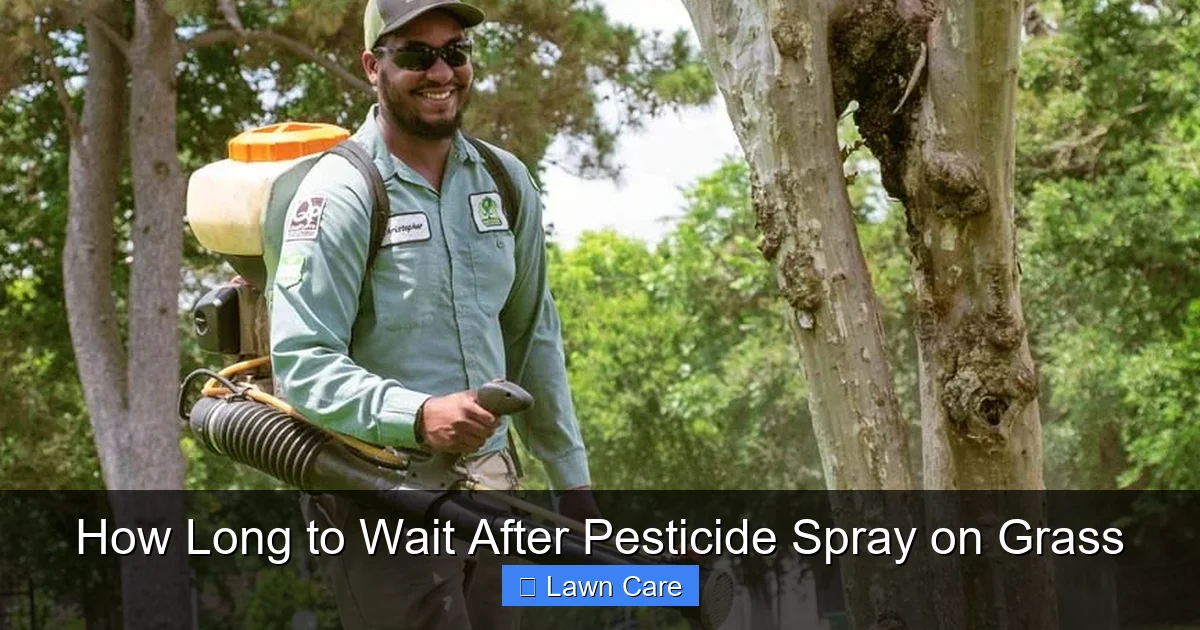
Visual guide about How Long to Wait After Pesticide Spray on Grass
Image source: natran.com
1. Always Read and Follow the Product Label
This cannot be stressed enough. The pesticide label is a legal document and the ultimate authority on how to use the product safely and effectively. It will specify:
- The target pests or weeds.
- The correct application rates and methods.
- Re-entry Intervals (REI): This is the time after application that it is safe for workers to re-enter the treated area without protective equipment. For homeowners, this is a good indicator of safety.
- Pre-Harvest Intervals (PHI): This applies to pesticides used on food crops, specifying how long to wait before harvesting. While not directly applicable to lawns, it highlights the importance of waiting periods.
- Rainfastness: How long the product needs to dry to resist being washed off by rain.
2. Wait for the Spray to Dry
As a general rule of thumb, for liquid pesticide applications, wait until the spray has completely dried on the grass blades before allowing any activity on the lawn. This usually takes a few hours.
3. Double the Waiting Time if Unsure
If you’re in doubt, it’s always better to wait longer. If the label suggests 12 hours, consider waiting 24 hours, especially if children or pets will be using the lawn heavily. This adds an extra layer of safety.
4. Be Mindful of Wind Drift
When applying pesticides, use caution to avoid wind drift. This can happen when wind carries the spray to unintended areas, like gardens, patios, or even your home. If drift occurs, you may need to consider the waiting periods for those adjacent areas as well.
5. Consider the Lawn’s Condition
A stressed or newly established lawn might be more sensitive to pesticides and take longer to recover. For example, if you’ve recently overseeded your lawn, you’ll want to be extra cautious about what you apply and when. Understanding how long to wait to mow lawn after overseeding is just one aspect of nurturing a new lawn; applying pesticides adds another layer of care.
6. Document Your Application
Keep a record of when you applied pesticides, what product you used, and the conditions. This can be helpful for future reference and for tracking lawn health.
Troubleshooting: What If I Mowed Too Soon?
Accidents happen. If you realize you mowed your lawn too soon after a herbicide application, don’t panic. Here’s what you can do:
Visual guide about How Long to Wait After Pesticide Spray on Grass
Image source: doggysaurus.com
- Assess the Situation: How soon did you mow? If it was just a few hours after drying, the herbicide might not have been fully absorbed. If it was the next day, much of it may have already worked.
- Observe Your Lawn: Monitor the treated weeds for signs of wilting or dying. If they continue to grow vigorously, the herbicide application may have been compromised.
- Consider Re-application (with caution): If the weed control was significantly impacted, you might consider a spot re-treatment, but always follow label instructions carefully to avoid over-application, which can damage your grass.
- For Other Pesticides: If you mowed too soon after an insecticide or fungicide, the primary concern is reduced efficacy rather than immediate safety risks, provided the spray had dried.
In general, if you mowed too soon after a pesticide application, the primary consequence is often reduced effectiveness of the pesticide. The safety risks are usually mitigated once the spray has dried.
Conclusion
Knowing how long to wait after pesticide spray on grass is essential for a healthy, safe, and effective lawn care routine. The waiting period is not a one-size-fits-all answer; it’s influenced by the type of pesticide, application method, weather, and the activities you plan for your lawn. Always prioritize reading and understanding the product label, as it provides the most accurate and legally binding instructions.
By following these guidelines, you can ensure that your family, pets, and lawn benefit from pest control without unnecessary risks. A well-timed application and appropriate waiting period will contribute to a thriving, green, and safe outdoor space for everyone to enjoy.