If you’re torn between planting tall fescue or Kentucky bluegrass, the decision depends on your lawn’s specific needs and your local climate. Both grasses have their strengths, but understanding their differences can help you choose the perfect fit. For a quick answer, if you want a low-maintenance, drought-tolerant lawn, tall fescue is the way to go. If you prefer a lush, soft lawn with vibrant color and are willing to put in a bit more care, Kentucky bluegrass might suit you better.
In the end, your choice should be guided by your lawn’s conditions, your maintenance preferences, and how you envision your outdoor space. Picking the right grass can make all the difference in achieving a beautiful, healthy lawn that lasts for years.

Should I plant tall fescue or Kentucky bluegrass?
Understanding the Basics of Tall Fescue and Kentucky Bluegrass
Choosing between tall fescue and Kentucky bluegrass can be confusing. Both grasses are common for lawns, but they have very different characteristics. Knowing their attributes helps you make the right choice for your yard.
Tall fescue is a cool-season grass known for its durability and drought resistance. It has a coarse texture and can tolerate heavy foot traffic. Kentucky bluegrass, on the other hand, also thrives in cooler weather but is prized for its fine texture and lush, dense appearance. It tends to grow in spreading patches, creating a soft and inviting lawn.
Climate Suitability and Growing Conditions
Climate is a key factor when choosing between these two grasses. Tall fescue performs well in areas that experience hot, dry summers and cold winters. Its deep root system helps it handle drought stress better than many grasses. Kentucky bluegrass prefers cooler temperatures and needs consistent moisture to stay healthy.
In regions with hot summers, tall fescue may be the better choice. Conversely, Kentucky bluegrass thrives in cooler, moist climates and can struggle under extreme heat and drought. Think about your local weather patterns when making your decision.
Sunlight and Shade Tolerance
Both grasses require sunlight, but their shade tolerance differs. Tall fescue can tolerate some shade but performs best in full sun. It is adaptable and can grow in less-than-ideal lighting conditions. Kentucky bluegrass prefers full sun and can develop thin patches if the shade is too dense.
If your yard has many trees or shaded areas, tall fescue might be more suitable. For yards with mostly open, sunny areas, Kentucky bluegrass can produce a very lush and even lawn.
Maintenance Needs and Care Requirements
Maintenance levels vary between tall fescue and Kentucky bluegrass. Tall fescue generally needs less watering and fertilizing because of its deep roots and drought tolerance. It also recovers quickly from wear and tear, reducing the need for frequent reseeding.
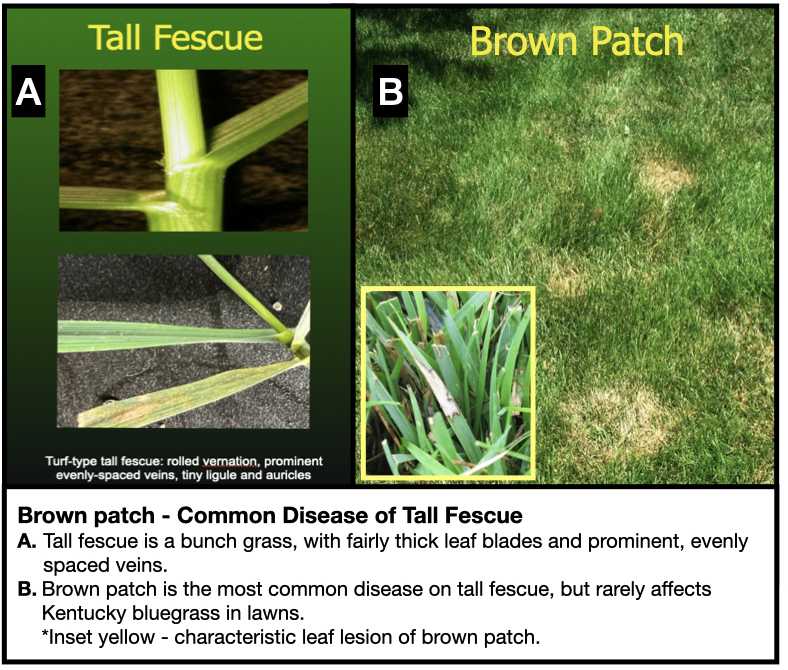
Kentucky bluegrass requires more routine care, including regular watering, mowing, and fertilizing. Its fine texture and dense growth habit make it look lush, but it can be more susceptible to disease if not properly maintained.
Texture and Visual Appeal
The visual look of your lawn can influence your decision. Tall fescue has a coarser blade, giving it a more rugged appearance. It’s great for a natural, informal look, especially when combined with other grasses.
Kentucky bluegrass has fine, soft blades that create a plush, velvety lawn. It is often considered more attractive for a traditional, manicured appearance. Think about your preferred style and the look you want your yard to have.
Growth Rate and Establishment Time
Tall fescue germinates quickly and establishes fast, making it a popular choice for establishing a new lawn. It can cover an area within a few weeks after planting. Kentucky bluegrass takes longer to germinate and establish, often requiring several weeks to a few months.
If you need a lawn that fills in quickly, tall fescue is advantageous. For a more gradual process with a fine-textured lawn, Kentucky bluegrass is suitable.
Durability and Traffic Tolerance
Durability is an important consideration, especially for lawns used heavily. Tall fescue is highly tolerant of foot traffic and wear, making it ideal for family yards, sports fields, or play areas. Its coarse texture and deep roots allow it to withstand rough conditions.
Kentucky bluegrass can handle moderate traffic but may develop bald patches under heavy use. It is best suited for lawns that are not subjected to constant heavy activity.
Watering and Fertilization Needs
Tall fescue needs less water once established, thanks to its deep root system. It requires less frequent watering, making it more economical and environmentally friendly. It benefits from a balanced fertilization schedule, but it is more forgiving if neglected.
Kentucky bluegrass demands regular watering, especially during dry spells, to stay lush. It benefits from frequent fertilization to maintain its color and density. Consistent care is necessary to keep Kentucky bluegrass looking its best.
Cost and Availability of Seeds and Sod
Cost can influence your choice, especially if you plan to seed or sod a large area. Tall fescue seeds are usually less expensive and widely available. Sod options are also common for tall fescue lawns.
Kentucky bluegrass seed tends to be more costly, though its lush appearance might justify the expense. Sod is also available but can be pricier, especially for high-quality patches. Consider your budget and the availability in your area.
Environmental Impact and Sustainability
Tall fescue is often seen as more environmentally friendly because it requires less water and fertilizer. Its drought tolerance reduces the need for irrigation and chemical use. It is a sustainable choice for eco-conscious homeowners.
Kentucky bluegrass needs more maintenance inputs, including water and fertilizers, which can impact the environment. If sustainability is a priority, tall fescue offers certain advantages for low-input lawn management.
Summary Table: Tall Fescue vs Kentucky Bluegrass
| Feature | Tall Fescue | Kentucky Bluegrass |
|---|---|---|
| Climate Adaptability | Hot, dry summers; cold winters | Cooler climates; moist environments |
| Texture | Coarse | Fine and soft |
| Growth Rate | Fast germination and establishment | Slower germination; longer to establish |
| Water Needs | Low; drought tolerant | High; needs regular watering |
| Maintenance | Low to moderate | Moderate to high |
| Traffic Tolerance | Excellent | Moderate |
| Cost | Less expensive | More expensive |
Choosing between tall fescue and Kentucky bluegrass depends on your specific needs and local conditions. If you want a low-maintenance, drought-tolerant lawn that can handle heavy use, tall fescue is likely the better fit. If you prioritize a fine-textured, lush lawn in cooler, moist climates, Kentucky bluegrass might be the perfect choice.
Consider your climate, yard usage, appearance preferences, and maintenance willingness. Both grasses can create a beautiful, healthy lawn when selected appropriately.
Kentucky 31 Vs Tall Fescue- Know Which One Is Best
Frequently Asked Questions
What soil conditions favor tall fescue growth over Kentucky bluegrass?
Tall fescue performs well in soils that are well-drained with a slightly acidic to neutral pH level. It can tolerate poorer soil quality and lower fertility levels, making it suitable for areas where soil conditions are less than ideal. Kentucky bluegrass, on the other hand, prefers richer, more fertile soils with good drainage and consistent moisture. Assess your soil’s current condition to choose the grass that will thrive best in your landscape.
How does climate influence the choice between tall fescue and Kentucky bluegrass?
Tall fescue adapts well to hot and dry summer conditions, maintaining its color and density with less water. It is a good option for regions with high temperatures and limited rainfall. Kentucky bluegrass thrives in cooler, temperate climates, staying lush during cooler months but struggling in heat or drought conditions. Consider your area’s climate patterns to decide which grass type will provide a sustainable and attractive lawn.
Which grass variety offers better resistance to pests and diseases?
Tall fescue generally exhibits stronger resistance to pests, drought, and diseases due to its deeper root system and hardy nature. It can survive in challenging conditions with less chemical intervention. Kentucky bluegrass is susceptible to certain diseases and pests, especially if the lawn experiences stress from drought or poor soil conditions. Choosing tall fescue can lead to a healthier lawn with fewer management concerns in pest-prone or stressful environments.
How maintenance needs differ between tall fescue and Kentucky bluegrass?
Tall fescue requires less frequent mowing and fertilization thanks to its deep roots and drought tolerance. It maintains its appearance with less water and input. Kentucky bluegrass demands regular mowing, watering, and fertilizing to keep it healthy and lush, especially in vigorous growth periods. Evaluate how much effort and resources you want to dedicate to lawn care before choosing between these two grasses.
Final Thoughts
Tall fescue offers drought tolerance and low maintenance, making it ideal for busy homeowners. Kentucky bluegrass provides a lush, dense lawn with excellent aesthetic appeal but requires more watering and care.
Consider your climate, usage, and upkeep preferences before choosing.
Should I plant tall fescue or Kentucky bluegrass? Think about your specific needs and environment to decide which grass suits you best.